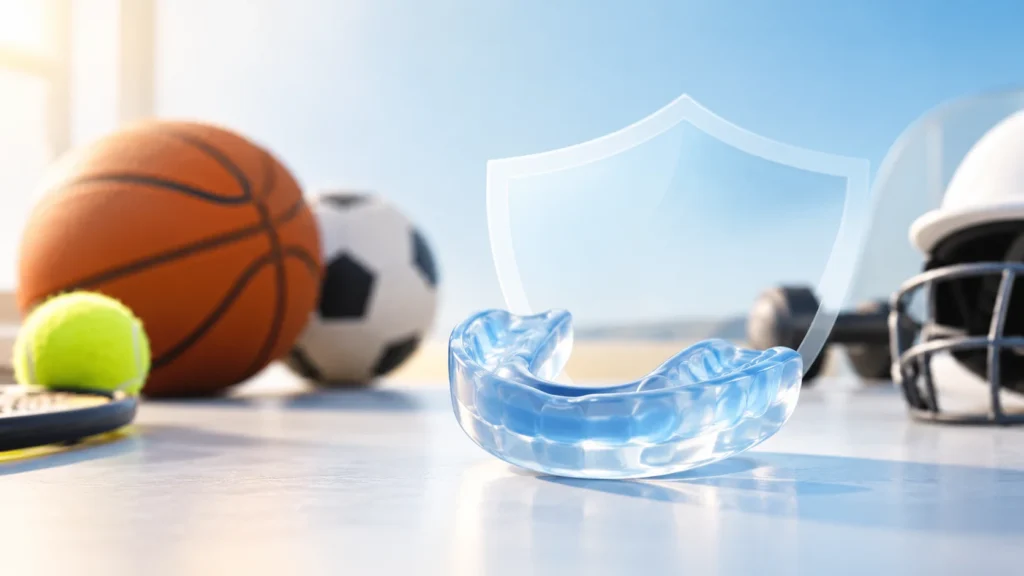
Sports mouthguards are protective devices worn over the teeth and gums to reduce the risk of dental and jaw injuries during physical activity. They act as a cushion between the upper and lower teeth, absorbing and spreading the force of impact. This helps prevent broken teeth, cut lips and tongue, jaw injuries, and in some cases, may even reduce the risk of concussion.
Many people think mouthguards are only for professional athletes or contact sports like boxing and rugby. In reality, they are useful for anyone playing sports where there is a risk of falls, collisions, or being hit by a ball, stick, or elbow. This includes cricket, hockey, football, basketball, martial arts, skateboarding, cycling, and many school and college sports.
Why Mouthguards are Important in Sports
Dental and facial injuries are common in many sports, especially where there is physical contact or high speed. A single blow to the face can break teeth, cut soft tissues, dislocate the jaw, or cause long-term dental problems.
Reasons mouthguards are important
- They protect teeth from chipping, cracking, or being knocked out.
- They reduce the risk of cuts to the lips, tongue, and inner cheeks.
- They help cushion the jaw and reduce stress on the temporomandibular joint.
- They may lower the risk of concussion by absorbing some impact.
- They protect dental work such as fillings, crowns, and braces.
- They provide confidence to athletes, allowing them to play more freely.
- They are a simple, low-cost way to prevent expensive dental treatments later.
Who benefits from mouthguards
- Children and teenagers playing school or club sports.
- Amateur and professional athletes in contact sports.
- People with braces or other dental appliances.
- Individuals with previous dental injuries.
- Anyone participating in high-risk activities such as skating, cycling, or martial arts.
Types of Sports Mouthguards
Not all mouthguards are the same. They vary in material, fit, protection level, and comfort.
Stock mouthguards
- Pre-formed and ready to wear straight from the package.
- Least expensive option.
- Available in many sports stores and pharmacies.
- Often bulky and may not fit well.
- Can make breathing and speaking difficult.
- Provide basic protection but may fall out easily during impact.
Boil-and-bite mouthguards
- Made from a thermoplastic material that softens in hot water.
- The athlete bites into the softened material to create a custom fit.
- More comfortable and stable than stock mouthguards.
- Widely available and affordable.
- Provide better protection than stock mouthguards.
- Fit may still not be as precise as a custom-made guard.
Custom-fitted mouthguards
- Made by a dentist based on an impression or scan of the teeth.
- Designed to fit the individual’s mouth exactly.
- Most comfortable and secure option.
- Allow easier breathing and speaking during activity.
- Provide the best protection for teeth, gums, and jaw.
- More expensive but often worth the investment for regular athletes.
Specialized mouthguards
- Designed for people with braces to protect both teeth and orthodontic appliances.
- Made with extra space to accommodate brackets and wires.
- Useful for children and teenagers undergoing orthodontic treatment.
- May need replacement as teeth move during treatment.
Benefits of Using a Mouthguard
The benefits of wearing a mouthguard go beyond just protecting teeth.
Dental protection
- Reduces risk of broken or knocked-out teeth.
- Prevents chips and cracks in enamel.
- Protects existing dental work such as fillings and crowns.
- Reduces risk of tooth loss in severe impacts.
Soft tissue protection
- Cushions the lips, tongue, and inner cheeks.
- Reduces cuts and lacerations from teeth during impact.
- Prevents biting through the tongue or cheek accidentally.
Jaw and joint protection
- Absorbs force that would otherwise be transmitted to the jaw.
- Reduces stress on the temporomandibular joint.
- May lower the risk of jaw pain and dysfunction over time.
Possible concussion risk reduction
- Some studies suggest mouthguards may help reduce concussion risk.
- They do not prevent all head injuries but may absorb some impact.
- They are part of a broader safety strategy including helmets and proper technique.
Confidence and performance
- Athletes feel more secure knowing their teeth are protected.
- Less fear of injury can improve focus and performance.
- Coaches and parents feel more confident allowing participation.
Proper Fitting of Mouthguards
A mouthguard only works well if it fits properly. A poorly fitting guard can be uncomfortable, fall out, or even increase the risk of injury.
Signs of a well-fitted mouthguard
- Covers all upper teeth comfortably.
- Stays in place without needing to bite down hard.
- Does not gag or trigger excessive salivation.
- Allows normal breathing and speaking.
- Does not cause pain or pressure points.
- Feels secure during movement and impact.
Steps for fitting a boil-and-bite mouthguard
- Read the manufacturer’s instructions carefully.
- Heat water to the recommended temperature.
- Soften the mouthguard in hot water for the specified time.
- Remove and let it cool slightly to avoid burns.
- Place in the mouth and bite down firmly while pressing with fingers.
- Suck gently to mold the material around the teeth.
- Cool in cold water to set the shape.
- Trim any excess material if needed for comfort.
Why custom fitting by a dentist is better
- Dentists can ensure even coverage and proper thickness.
- They can adjust areas that cause discomfort.
- Custom guards are more stable during high-impact activity.
- They are especially useful for athletes with braces or complex dental work.
- Long-term comfort encourages consistent use.
Care and Maintenance of Mouthguards
Proper care extends the life of a mouthguard and keeps it hygienic.
Daily care pointers
- Rinse the mouthguard with cool water before and after each use.
- Clean with mild soap and a soft toothbrush.
- Avoid hot water, which can warp the material.
- Do not use alcohol-based cleaners or harsh chemicals.
- Store in a ventilated case to allow drying.
- Keep away from direct sunlight and heat.
Regular inspection
- Check for cracks, tears, or thinning areas.
- Replace if the guard becomes loose or uncomfortable.
- Replace if it no longer fits well due to dental changes.
- Children and teenagers may need more frequent replacement as teeth grow.
Hygiene tips
- Do not share mouthguards with others.
- Wash the case regularly with soap and water.
- Avoid leaving the guard in pockets or bags without protection.
- Bring the mouthguard to dental check-ups for inspection.
When to Use a Mouthguard
Mouthguards should be used whenever there is a risk of dental or facial injury.
Sports where mouthguards are highly recommended
- Cricket, especially for batsmen, wicketkeepers, and close-in fielders.
- Hockey, both field and ice hockey.
- Football and rugby.
- Basketball and handball.
- Martial arts such as karate, taekwondo, and boxing.
- Skateboarding, rollerblading, and cycling.
- Gymnastics and contact training sessions.
- School and college contact sports.
Situations requiring mouthguard use
- Competitive matches and tournaments.
- Practice sessions with physical contact.
- Training drills with risk of falls or collisions.
- Outdoor adventure sports with fall risk.
- Any activity where a blow to the face is possible.
Age considerations
- Children should start using mouthguards as soon as they participate in contact sports.
- Teenagers with braces need special protection.
- Adults in recreational sports should not skip mouthguard use.
- Older athletes with dental work benefit from added protection.
Mouthguards for People with Braces
Braces increase the risk of cuts and dental injury during sports. Special care is needed.
Why braces increase risk
- Brackets and wires can cut the lips and cheeks on impact.
- Teeth are more vulnerable during orthodontic movement.
- Injury to braces can delay treatment and cause pain.
Mouthguard features for braces
- Extra space to accommodate brackets and wires.
- Softer inner layer to cushion against sharp edges.
- Secure fit to prevent dislodging of orthodontic appliances.
- May need periodic adjustment as teeth move.
Care tips for braces users
- Inspect the mouthguard regularly for wear.
- Report any discomfort or sores to the orthodontist.
- Replace the guard if it no longer fits due to tooth movement.
- Continue wearing even during non-contact training if risk exists.
Common Mistakes to Avoid
Many athletes make simple mistakes that reduce the effectiveness of their mouthguard.
Mistakes in selection
- Choosing the cheapest option without considering fit.
- Using a stock guard for high-contact sports.
- Ignoring comfort and breathing issues.
- Not replacing worn or damaged guards.
Mistakes in use
- Wearing the guard only during matches and not practice.
- Chewing on the mouthguard like gum.
- Storing it in a closed container while still wet.
- Sharing the guard with teammates.
Mistakes in care
- Cleaning with hot water or harsh chemicals.
- Leaving it in direct sunlight or inside a hot car.
- Not bringing it to dental check-ups.
- Using a guard that no longer fits properly.
Possible Limitations of Mouthguards
While mouthguards are highly beneficial, they have some limitations.
Limitations to understand
- They do not prevent all dental or head injuries.
- They cannot protect against very high-force impacts alone.
- They must be worn consistently to be effective.
- Poorly fitted guards may reduce compliance.
- They need regular replacement as they wear out.
Why understanding limitations matters
- Athletes should not rely on mouthguards alone for safety.
- Helmets, proper technique, and rule enforcement are also important.
- Mouthguards are one part of a comprehensive injury prevention plan.
When to See a Dentist
Professional guidance is important for selecting and fitting the right mouthguard.
- Advice on the best type of mouthguard for your sport.
- A custom-fitted mouthguard for better protection.
- A mouthguard designed for use with braces.
- Replacement of a worn or ill-fitting guard.
- Evaluation after a dental injury during sports.
Why Choose Rama Hospital for Sports Dental Care
Rama Hospital provides comprehensive dental and sports injury care, including guidance on mouthguards, prevention of dental trauma, and management of sports-related oral injuries.
- Expert evaluation by experienced dental professionals.
- Custom mouthguard fabrication when needed.
- Management of dental injuries sustained during sports.
- Education on prevention and long-term oral health.
- Coordination with orthodontists and other specialists.
Frequently Asked Questions (FAQs)
Do I need a mouthguard for non-contact sports?
If there is any risk of falls, collisions, or being hit by equipment, a mouthguard is recommended. Even in non-contact sports, accidents can happen, and protection is valuable.
Which type of mouthguard is best?
Custom-fitted mouthguards made by a dentist offer the best fit, comfort, and protection. Boil-and-bite guards are a good mid-range option, while stock guards provide basic protection.
Can I use a mouthguard if I have braces?
Yes, special mouthguards are available for people with braces. They are designed to protect both teeth and orthodontic appliances and should be fitted with guidance from a dentist or orthodontist.
How often should I replace my mouthguard?
Replace the mouthguard if it becomes worn, loose, or uncomfortable. Children and teenagers may need more frequent replacement as their teeth grow and change.
Does a mouthguard prevent concussions?
Mouthguards may help reduce some impact forces, but they do not prevent all concussions. They should be used along with helmets and proper safety techniques for head protection.
Can I buy a mouthguard from a regular store?
Yes, stock and boil-and-bite mouthguards are available in stores. However, for best fit and protection, especially in high-contact sports, a custom guard from a dentist is recommended.
How do I clean my mouthguard?
Rinse it with cool water, clean with mild soap and a soft toothbrush, and store in a ventilated case. Avoid hot water and harsh chemicals, and bring it to dental check-ups for inspection.
Conclusion
Sports mouthguards are a simple but highly effective way to protect teeth, jaws, and soft tissues during physical activity. They reduce the risk of dental injuries, improve confidence, and support long-term oral health for athletes of all ages. Choosing the right type, ensuring proper fit, and maintaining good care habits are essential for maximum benefit.
For athletes, parents, and coaches, investing in a good-quality mouthguard is a small step that can prevent serious dental problems and expensive treatments later. With the right guidance and consistent use, mouthguards can become a natural part of sports safety gear.
Rama Hospital can help evaluate individual needs, provide guidance on the best mouthguard options, and offer custom solutions for athletes seeking optimal protection and comfort during sports.