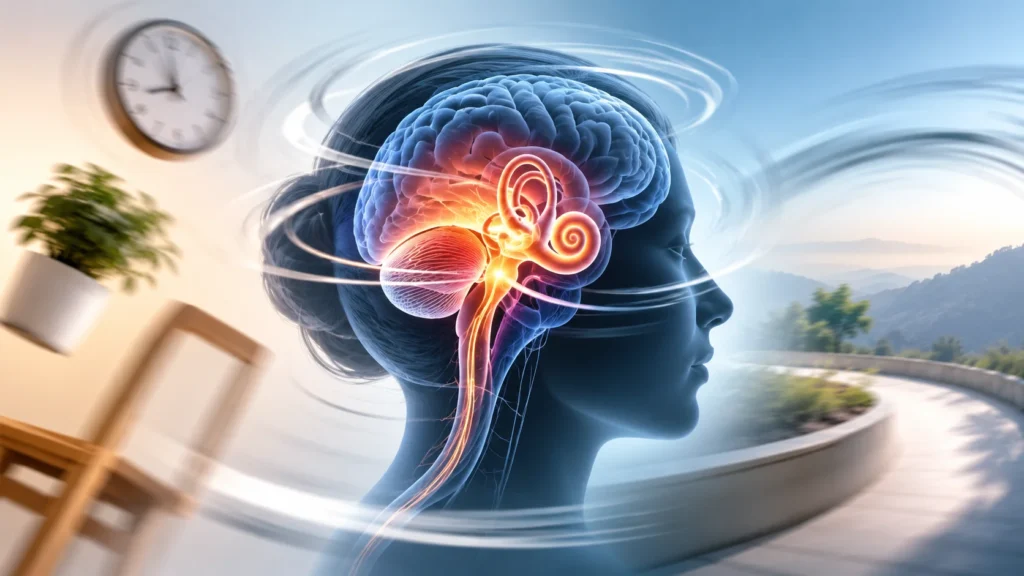
Vertigo and balance disorders are among the most common reasons people visit doctors for dizziness. Many patients describe vertigo as a spinning sensation, as if the room is moving around them even when they are sitting or lying still. Others feel unsteady, lightheaded, or off-balance when walking or standing. These symptoms can be frightening, disabling, and disruptive to daily life.
Vertigo is not a disease by itself. It is a symptom of an underlying problem in the inner ear, the balance nerves, or the parts of the brain that control balance. Some causes are mild and temporary. Others may be more serious and need urgent evaluation. Because dizziness can also be a sign of stroke, heart problems, or neurological conditions, it is important not to ignore persistent or severe symptoms.
What are Vertigo and Balance Disorders?
Vertigo is a specific type of dizziness where a person feels a false sense of movement. The most common description is a spinning or whirling sensation. The person may feel as if they are moving, or as if the surroundings are moving around them.
Balance disorders refer to a wider group of problems that affect stability and coordination. A person with a balance disorder may feel unsteady on their feet, prone to falling, or unable to walk in a straight line. They may feel worse in the dark, on uneven surfaces, or when turning the head quickly.
The balance system involves the inner ear, the eyes, the nerves, and certain parts of the brain. When any part of this system is affected, dizziness or imbalance can occur.
Types of Vertigo and Balance Disorders
Vertigo and balance problems can be grouped based on where the problem originates.
Peripheral vertigo
- Caused by problems in the inner ear or the balance nerve.
- Often causes intense spinning sensation.
- May be associated with hearing changes, ear fullness, or ringing.
- Common conditions include BPPV, Meniere’s disease, vestibular neuritis, and labyrinthitis.
Central vertigo
- Caused by problems in the brain, especially the brainstem or cerebellum.
- May be associated with other neurological symptoms such as double vision, weakness, slurred speech, or severe headache.
- Can be due to migraine, stroke, multiple sclerosis, or other brain conditions.
- Requires careful neurological evaluation.
Non-vertiginous dizziness
- Lightheadedness or feeling faint.
- Unsteadiness without true spinning.
- May be related to blood pressure, heart rhythm, anemia, anxiety, or medications.
- Important to distinguish from true vertigo for correct diagnosis.
Chronic balance disorders
- Long-standing imbalance or unsteadiness.
- May follow an acute vertigo episode.
- Can affect confidence in walking and increase fall risk.
- Often needs vestibular rehabilitation and physiotherapy.
Causes of Vertigo and Balance Disorders
Vertigo and balance problems have many possible causes. Identifying the cause is essential for proper treatment.
Common inner ear causes
- Benign paroxysmal positional vertigo or BPPV, where tiny crystals in the inner ear become displaced.
- Meniere’s disease, which involves fluid imbalance in the inner ear.
- Vestibular neuritis, an inflammation of the balance nerve.
- Labyrinthitis, which affects both balance and hearing structures.
- Age-related degeneration of inner ear structures.
Neurological causes
- Vestibular migraine, where dizziness occurs with or without headache.
- Stroke or transient ischemic attack affecting the brain’s balance centers.
- Multiple sclerosis or other nerve disorders.
- Head injury or concussion affecting balance pathways.
- Tumors on the balance nerve, such as vestibular schwannoma.
Systemic and other causes
- Low or high blood pressure.
- Heart rhythm problems.
- Anemia or low hemoglobin.
- Low blood sugar.
- Dehydration.
- Side effects of certain medications.
- Anxiety or panic disorders.
- Vision problems affecting spatial orientation.
- Neck problems affecting proprioception.
Risk Factors for Vertigo and Balance Disorders
Some people are more likely to develop vertigo or balance problems than others.
Higher-risk groups
- Older adults, due to age-related changes in the inner ear and brain.
- People with a history of ear infections or ear surgery.
- Individuals with migraine.
- Patients with high blood pressure, diabetes, or cholesterol problems.
- People who have had head injury.
- Those taking medicines that can affect balance.
- Individuals with anxiety or stress-related disorders.
- People with vitamin D or B12 deficiency.
- Those with poor vision or foot problems.
Why risk increases in these groups
- Aging reduces the number of balance cells in the inner ear.
- Vascular risk factors affect blood flow to the brain and ear.
- Migraine can affect balance pathways.
- Medicines may cause dizziness as a side effect.
- Anxiety can amplify normal sensations of movement.
- Deficiencies can affect nerve function and muscle strength.
Symptoms of Vertigo and Balance Disorders
Symptoms can vary depending on the cause and severity.
Common vertigo symptoms
- Spinning or whirling sensation.
- Feeling pulled to one side.
- Nausea and vomiting.
- Worsening of symptoms with head movement.
- Difficulty standing or walking during episodes.
- Sensitivity to motion.
Common balance disorder symptoms
- Unsteadiness while walking.
- Feeling of floating or tilting.
- Difficulty walking in the dark.
- Frequent near-falls or actual falls.
- Need to hold onto walls or furniture for support.
- Difficulty with quick turns or uneven surfaces.
Associated symptoms
- Ringing in the ears or tinnitus.
- Hearing loss or ear fullness.
- Headache or migraine symptoms.
- Double vision or blurred vision.
- Slurred speech or weakness in severe cases.
- Anxiety or fear of falling.
Emergency warning signs
- Sudden severe vertigo with headache.
- Weakness on one side of the body.
- Difficulty speaking or understanding speech.
- Double vision or loss of vision.
- Severe imbalance with inability to walk.
- Chest pain, palpitations, or fainting.
- New neurological symptoms in an older adult.
Vertigo and Balance Disorders in Different Age Groups
Vertigo and balance problems can affect people of all ages, but the pattern may vary.
In younger adults
- Often related to BPPV, migraine, or anxiety.
- May be triggered by stress, lack of sleep, or dehydration.
- Usually less likely to be due to stroke, but still needs evaluation if severe.
In middle-aged adults
- More likely to have vascular risk factors.
- Migraine-related vertigo is common.
- Work and family stress can worsen symptoms.
In older adults
- Higher risk of falls and fractures.
- More likely to have multiple contributing factors.
- May have reduced confidence in walking and increased dependency.
- Requires careful assessment to prevent disability.
How are Vertigo and Balance Disorders Diagnosed?
Diagnosis is based on symptoms, physical examination, and targeted tests. Since dizziness can come from many systems, a step-by-step approach is important.
Diagnostic steps
- Detailed history of symptoms and triggers.
- Review of medications and medical conditions.
- Examination of ears, eyes, nerves, and balance.
- Bedside tests for inner ear function.
- Hearing tests if ear symptoms are present.
- Imaging if a central cause is suspected.
Common tests that may be done
- Dix-Hallpike test for BPPV.
- Head impulse test for inner ear function.
- Observation of eye movements for nystagmus.
- Pure tone audiometry for hearing assessment.
- Blood tests for anemia, sugar, thyroid, or vitamin levels.
- MRI of the brain if stroke or nerve tumor is suspected.
- CT scan in selected emergency situations.
- Cardiac evaluation if fainting or palpitations are present.
Why diagnosis matters
Different causes need different treatments. BPPV is treated with repositioning maneuvers. Meniere’s disease needs diet and medicines. Migraine-related vertigo needs migraine management. Central causes need neurological care. Accurate diagnosis prevents unnecessary treatment and speeds recovery.
Treatment for Vertigo and Balance Disorders
Treatment depends on the underlying cause, severity of symptoms, and impact on daily life.
1. Treatment for BPPV
- Repositioning maneuvers such as the Epley maneuver.
- Performed by a trained doctor or therapist.
- Often gives rapid relief in many patients.
- May need to be repeated if symptoms return.
2. Treatment for Meniere’s disease
- Low-salt diet to reduce inner ear fluid pressure.
- Medicines to control vertigo and nausea.
- Diuretics in selected cases.
- Hearing support if hearing loss is present.
- Rarely, procedures or surgery for severe cases.
3. Treatment for vestibular neuritis and labyrinthitis
- Rest during the acute phase.
- Medicines to reduce vertigo and nausea.
- Steroids in selected cases to reduce nerve inflammation.
- Gradual return to activity as symptoms improve.
- Vestibular rehabilitation for persistent imbalance.
4. Treatment for vestibular migraine
- Migraine prevention strategies.
- Avoidance of triggers such as stress, certain foods, or lack of sleep.
- Medicines to prevent or reduce migraine and vertigo.
- Lifestyle measures for sleep, diet, and stress control.
5. Vestibular rehabilitation therapy
- Specialized exercises to retrain the balance system.
- Improves stability and reduces dizziness over time.
- Helpful for chronic imbalance after acute vertigo.
- Reduces fall risk and improves confidence in walking.
6. Medicines for symptom control
- Anti-vertigo medicines for short-term relief.
- Anti-nausea medicines during severe episodes.
- Migraine preventives for vestibular migraine.
- Medicines for blood pressure, sugar, or anxiety if contributing.
- Avoid long-term use of sedating medicines unless advised.
7. Treatment of underlying conditions
- Control of blood pressure and diabetes.
- Correction of anemia or vitamin deficiencies.
- Adjustment of medicines that cause dizziness.
- Management of heart or neurological conditions.
- Treatment of ear infections or structural problems.
Recovery and Rehabilitation
Recovery depends on the cause and how early treatment is started.
Recovery after acute vertigo
- Many patients improve within days to weeks.
- Some may have residual unsteadiness.
- Gradual return to normal activity is important.
- Avoid sudden head movements initially.
Rehabilitation for chronic imbalance
- Vestibular rehabilitation exercises at home or with a therapist.
- Balance training to improve stability.
- Gait training to reduce fall risk.
- Confidence-building activities for walking outdoors.
Lifestyle support
- Adequate hydration and regular meals.
- Good sleep routine.
- Stress management techniques.
- Safe home environment to prevent falls.
- Use of walking aid if recommended.
Possible Complications
Untreated or poorly managed vertigo and balance disorders can lead to significant problems.
Physical complications
- Falls and fractures.
- Head injury from sudden loss of balance.
- Reduced mobility and independence.
- Deconditioning due to fear of movement.
Psychological complications
- Anxiety about going out or walking alone.
- Depression due to chronic symptoms.
- Loss of confidence in daily activities.
- Social isolation in severe cases.
Functional complications
- Difficulty working or driving.
- Problems with household tasks.
- Increased dependency on family.
- Reduced quality of life.
When to See a Doctor
Medical evaluation is important for persistent, recurrent, or severe dizziness.
- Recurrent episodes of vertigo.
- Persistent imbalance or unsteadiness.
- Dizziness with hearing loss or ear fullness.
- Dizziness with headache or migraine symptoms.
- Dizziness after head injury.
- Dizziness that affects daily activities.
- New dizziness in an older adult.
Prevention of Vertigo and Balance Disorders
Not all causes can be prevented, but risk can be reduced.
Prevention pointers
- Control blood pressure, sugar, and cholesterol.
- Stay well hydrated.
- Avoid sudden position changes.
- Get adequate sleep.
- Manage stress and anxiety.
- Treat ear infections promptly.
- Review medicines with a doctor if dizziness occurs.
- Correct vitamin D and B12 deficiency.
- Use proper lighting at home to prevent falls.
- Wear appropriate footwear for stability.
For older adults
- Regular balance and strength exercises.
- Home safety assessment for fall prevention.
- Vision and hearing checks.
- Use of walking aid if recommended.
- Family support for mobility and daily activities.
Why Choose Rama Hospital for Vertigo and Balance Disorder Treatment?
Vertigo and balance disorders require careful evaluation to distinguish between ear, brain, heart, and systemic causes. A hospital with experienced ENT specialists, neurologists, and rehabilitation therapists can provide comprehensive care.
- Expert evaluation by ENT and neurology specialists.
- Bedside tests and advanced diagnostics.
- Access to vestibular rehabilitation services.
- Coordinated care for complex or multiple causes.
- Emergency support for stroke-like or severe symptoms.
Frequently Asked Questions (FAQs)
Is vertigo the same as dizziness?
No, vertigo is a specific type of dizziness with a spinning sensation. General dizziness can include lightheadedness, unsteadiness, or faintness without true spinning. Correctly describing symptoms helps doctors find the right cause.
Can vertigo be cured?
Many causes of vertigo can be treated effectively. BPPV often improves with repositioning maneuvers. Meniere’s disease and migraine-related vertigo can be controlled with treatment. Some chronic cases need long-term management and rehabilitation.
What is BPPV?
BPPV is a common inner ear disorder where tiny crystals become displaced and cause brief episodes of vertigo with head movement. It is often triggered by rolling over in bed, looking up, or bending. It can usually be treated with specific maneuvers.
Can stress cause vertigo?
Stress does not directly cause inner ear vertigo, but it can trigger or worsen migraine-related dizziness and anxiety-related imbalance. Stress management is an important part of treatment for many patients with chronic dizziness.
Is vertigo a sign of stroke?
Sometimes, especially in older adults or those with vascular risk factors. Sudden vertigo with headache, double vision, weakness, or difficulty walking needs urgent evaluation to rule out stroke or other serious brain conditions.
Can vertigo come back after treatment?
Yes, some conditions like BPPV can recur. Meniere’s disease and vestibular migraine are chronic conditions that may have episodes over time. Long-term follow-up and lifestyle measures help reduce recurrences.
What is vestibular rehabilitation?
Vestibular rehabilitation is a set of exercises designed to retrain the balance system. It helps reduce dizziness, improve stability, and increase confidence in walking. It is useful for chronic imbalance after acute vertigo.
Conclusion
Vertigo and balance disorders are common, often treatable, and sometimes serious conditions. They can affect people of all ages and have many possible causes, from inner ear problems to brain, heart, and systemic conditions. The key to effective management is accurate diagnosis, targeted treatment, and long-term support.
For patients with recurrent dizziness, unsteadiness, or fear of falling, a medical evaluation can make a major difference. With the right care, most people can reduce symptoms, improve balance, and regain confidence in daily activities.
Rama Hospital can help evaluate vertigo and balance disorders, identify the underlying cause, and provide a clear treatment plan that supports symptom control, rehabilitation, and fall prevention.