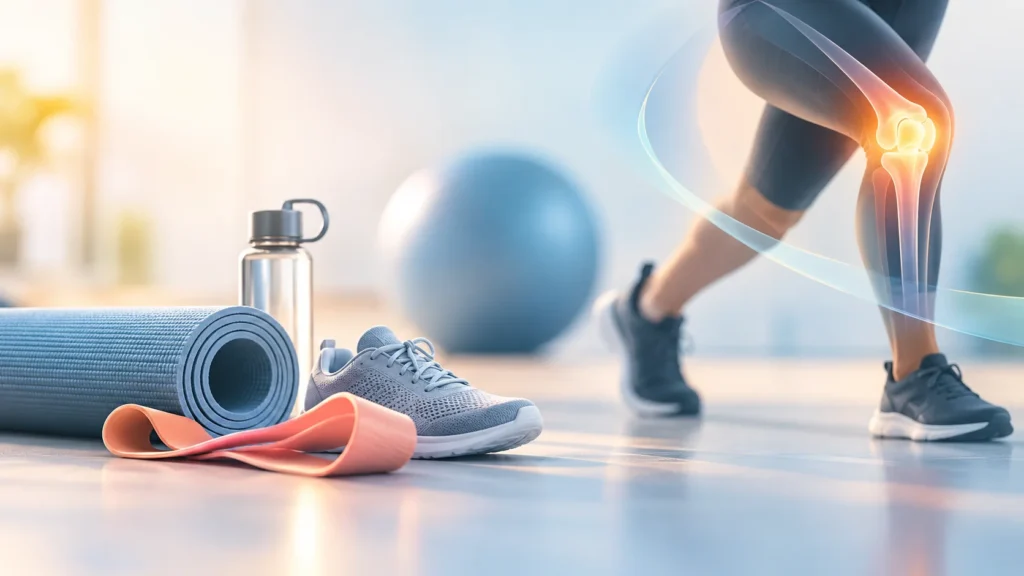
Sports injuries are common in athletes, fitness enthusiasts, students, and even people who exercise occasionally. They can range from minor sprains and strains to serious ligament tears, fractures, and joint damage. While initial treatment focuses on pain relief and healing, the next and equally important step is sports injury rehabilitation. This is a structured process that helps restore strength, flexibility, balance, and confidence so that a person can return to daily activities and sports safely.
Many people think that once pain reduces, they are fully recovered. However, without proper rehabilitation, the injured area may remain weak, stiff, or unstable. This increases the risk of re-injury, chronic pain, or long-term joint problems. A well-designed rehabilitation program not only helps the injured part heal but also improves overall movement patterns, reduces future injury risk, and supports a safe return to sport.
What is Sports Injury Rehabilitation?
Sports injury rehabilitation is a structured, step-by-step process designed to help a person recover from a sports-related injury and return to activity safely. It goes beyond just pain relief. The goal is to restore normal movement, rebuild strength and endurance, improve balance and coordination, and prepare the body for the demands of sport or physical activity.
Rehabilitation is tailored to the type of injury, the severity, the person’s age, fitness level, and the sport they play. It may involve physiotherapy, exercise therapy, manual therapy, modalities like ultrasound or electrical stimulation, and sport-specific drills. The process is guided by a sports medicine specialist, physiotherapist, or rehabilitation team.
The ultimate aim is not just to make the injury feel better, but to make the body stronger and more resilient than before, so that the person can perform at their best with reduced risk of re-injury.
Common Sports Injuries That Need Rehabilitation
Many types of injuries can benefit from structured rehabilitation.
Common injuries include:
- Ankle sprains and ligament injuries.
- Knee injuries such as ACL, MCL, or meniscus tears.
- Shoulder injuries like rotator cuff tears or dislocations.
- Muscle strains in the hamstring, quadriceps, calf, or groin.
- Tendinopathy such as Achilles tendinopathy or tennis elbow.
- Back and neck injuries from overuse or trauma.
- Fractures and post-surgical rehabilitation after fixation.
- Cartilage injuries and joint damage.
- Overuse injuries such as stress fractures or shin splints.
- Hip and pelvis injuries in runners and athletes.
Why these injuries need rehab
Without proper rehabilitation, these injuries can lead to chronic pain, joint instability, weakness, altered movement patterns, and higher risk of re-injury. Rehab ensures that healing tissues are loaded progressively and safely, restoring function and confidence.
Phases of Sports Injury Rehabilitation
Rehabilitation is usually divided into phases. Not every patient moves through each phase at the same speed. Progress depends on pain, healing, strength, and functional goals.
Phase 1: Acute phase and protection
- Focus on reducing pain and swelling.
- Protect the injured area with rest, support, or bracing as needed.
- Gentle movement to prevent stiffness.
- Education about what to avoid and how to manage daily activities.
- Early activation of surrounding muscles without stressing the injury.
Phase 2: Restoring range of motion and flexibility
- Gentle stretching and mobility exercises.
- Manual therapy to improve joint and soft tissue movement.
- Gradual increase in movement as pain allows.
- Focus on regaining normal joint motion and muscle length.
- Continued swelling and pain management.
Phase 3: Strengthening and conditioning
- Progressive strengthening of the injured area and surrounding muscles.
- Core and stability exercises to support the injured region.
- Balance and proprioception training to improve joint control.
- Introduction of light resistance and functional exercises.
- Monitoring for pain or swelling as load increases.
Phase 4: Functional and sport-specific training
- Exercises that mimic daily and sport-specific movements.
- Running, jumping, cutting, or throwing drills as appropriate.
- Gradual increase in intensity, speed, and complexity.
- Focus on movement quality, not just performance.
- Coordination with coaches or trainers when possible.
Phase 5: Return to sport and performance
- Full participation in training and practice.
- Gradual return to competition based on readiness.
- Continued strengthening and maintenance exercises.
- Monitoring for any signs of overload or re-injury.
- Long-term injury prevention strategies.
Treatment Methods in Sports Injury Rehabilitation
Rehabilitation uses a combination of methods to support healing and recovery.
1. Physiotherapy and exercise therapy
- Individualized exercise programs based on the injury.
- Strengthening, stretching, and conditioning exercises.
- Progression from simple to complex movements.
- Home exercise plans to support clinic sessions.
- Regular reassessment to adjust the program.
2. Manual therapy
- Hands-on techniques to improve joint and soft tissue mobility.
- Massage, mobilization, and manipulation where appropriate.
- Myofascial release for tight or restricted areas.
- Techniques to reduce pain and improve movement quality.
- Used alongside exercise for better outcomes.
3. Modalities and adjuncts
- Ice and heat therapy for pain and swelling.
- Electrical stimulation to reduce pain and activate muscles.
- Ultrasound or other sound-based therapies for soft tissue healing.
- Taping or bracing for support during early phases.
- Dry needling or trigger point therapy in selected cases.
4. Pain and inflammation management
- Medicines as prescribed for pain and swelling.
- Activity modification to avoid aggravating movements.
- Education on safe loading of the injured tissue.
- Use of supports or aids such as crutches or braces when needed.
- Gradual weaning off supports as strength improves.
5. Psychological support and confidence building
- Addressing fear of re-injury or movement.
- Building confidence through gradual exposure to activity.
- Education about normal recovery timelines.
- Support for motivation and adherence to rehab.
- Coordination with mental health professionals if needed.
Rehabilitation for Common Injury Types
Different injuries need different rehabilitation approaches.
Ankle sprain rehabilitation
- Early protected movement and swelling control.
- Gradual strengthening of ankle and calf muscles.
- Balance and proprioception training to prevent re-sprain.
- Progression to running, jumping, and agility drills.
- Return to sport once strength and balance are restored.
Knee ligament injury rehabilitation
- Protection and controlled motion in early phases.
- Strengthening of quadriceps, hamstrings, and hip muscles.
- Balance and neuromuscular training.
- Sport-specific drills once strength and stability improve.
- Longer rehab for surgical cases such as ACL reconstruction.
Shoulder injury rehabilitation
- Restoring shoulder range of motion gently.
- Strengthening rotator cuff and scapular muscles.
- Posture and movement pattern correction.
- Gradual return to overhead and throwing activities.
- Focus on stability and control to prevent recurrence.
Muscle strain rehabilitation
- Relative rest and pain management initially.
- Gentle stretching and activation as pain allows.
- Progressive strengthening of the injured muscle group.
- Eccentric loading to improve muscle resilience.
- Gradual return to sprinting, jumping, or sport-specific load.
Post-surgical sports injury rehabilitation
- Follows a structured protocol based on the surgery.
- Early protection and controlled movement.
- Progressive strengthening and functional training.
- Close coordination with the operating surgeon.
- Longer timeline but focused on safe return to sport.
Recovery Plans and Timelines
Recovery time varies widely depending on the injury, severity, treatment, and individual factors.
Factors that affect recovery
- Type and severity of injury.
- Whether surgery was needed.
- Age and overall health.
- Fitness level before injury.
- Adherence to rehabilitation program.
- Presence of other medical conditions.
- Demands of the sport or activity.
General recovery expectations
- Mild sprains and strains may improve in a few weeks.
- Moderate ligament or tendon injuries may take several weeks to months.
- Severe injuries or post-surgical cases may take several months to a year.
- Return to sport is based on function, not just time.
- Rushing back too soon increases re-injury risk.
Importance of following the plan
Skipping phases or progressing too fast can delay healing or cause re-injury. A structured plan ensures that tissues are ready for each new level of demand.
Injury Prevention Strategies
Prevention is a key part of sports medicine and rehabilitation.
Prevention pointers
- Proper warm-up before training or competition.
- Regular strength and conditioning work.
- Flexibility and mobility exercises.
- Balance and neuromuscular training.
- Adequate rest and recovery between sessions.
- Gradual increase in training load.
- Use of appropriate footwear and equipment.
- Correction of poor movement patterns.
- Early attention to minor niggles before they become major.
- Education on safe techniques for the specific sport.
Why prevention matters
Many sports injuries are preventable with the right preparation and load management. A strong, well-conditioned body is more resilient and less likely to get injured under stress.
Return-to-Sport Guidance
Returning to sport is one of the most important goals of rehabilitation.
Criteria for return to sport
- Pain-free movement during daily and sport activities.
- Near-normal range of motion and flexibility.
- Strength close to the uninjured side.
- Good balance and control during dynamic tasks.
- Ability to perform sport-specific drills without limitation.
- Confidence and readiness to return.
- Clearance from the treating specialist or physiotherapist.
How return is planned
- Gradual increase in training volume and intensity.
- Stepwise progression from practice to competition.
- Monitoring for pain, swelling, or fatigue.
- Continued maintenance exercises even after return.
- Open communication between athlete, coach, and medical team.
Why gradual return is important
Returning too quickly can overload healing tissues and lead to re-injury. A stepwise approach ensures the body adapts safely to increasing demands.
Role of the Rehabilitation Team
Sports injury rehabilitation is often a team effort.
Team members may include:
- Sports medicine specialist or orthopedic doctor.
- Physiotherapist with sports rehab experience.
- Strength and conditioning coach.
- Athletic trainer or sports therapist.
- Nutritionist for recovery and performance support.
- Psychologist for confidence and mental readiness.
- Coach or trainer for sport-specific guidance.
Why team care matters
A coordinated approach ensures that medical, physical, and performance aspects are all addressed. This leads to better outcomes and safer return to sport.
Why Choose Rama Hospital for Sports Injury Rehabilitation?
Sports injury rehabilitation requires expertise, structured programs, and access to advanced therapy and diagnostic support. A hospital-based sports medicine and physiotherapy setup can provide comprehensive care from injury to return to sport.
- Accurate diagnosis with imaging and specialist evaluation.
- Individualized rehab plans based on injury and sport.
- Access to advanced physiotherapy equipment and techniques.
- Coordination with orthopedics, radiology, and other departments.
- Support for both conservative and post-surgical rehab.
- Long-term follow-up and injury prevention guidance.
Frequently Asked Questions (FAQs)
How long does sports injury rehab take?
Recovery time depends on the type and severity of injury, treatment, and individual factors. Mild injuries may improve in weeks, while severe or surgical cases can take several months. Return is based on function, not just time.
Is physiotherapy necessary for every sports injury?
Not every minor injury needs formal physiotherapy, but most moderate to severe injuries benefit from it. Physiotherapy helps restore movement, strength, and function while reducing the risk of re-injury and chronic problems.
Can I return to sport before pain is completely gone?
Returning to sport with significant pain is not advisable. Some mild discomfort may be acceptable during rehab, but return to full sport should happen when movement is pain-free, strength is restored, and function is normal.
What happens if I skip rehabilitation?
Skipping rehabilitation can lead to weakness, stiffness, poor movement patterns, and higher risk of re-injury. It may also cause chronic pain or long-term joint problems. Proper rehab helps the body heal stronger and more resilient.
Is rehabilitation only for professional athletes?
No, rehabilitation is important for anyone with a sports injury, whether professional, amateur, or recreational. The principles of safe healing, strength restoration, and injury prevention apply to all levels of activity.
Can old injuries be helped with rehabilitation?
Yes, even old or neglected injuries can often be improved with targeted rehabilitation. While some changes may be permanent, strength, mobility, and function can usually be enhanced to reduce pain and improve performance.
How can I prevent future sports injuries?
Prevention includes proper warm-up, strength and conditioning, flexibility work, balance training, adequate rest, and gradual increase in training load. Good technique, appropriate equipment, and early attention to minor symptoms also help reduce injury risk.
Conclusion
Sports injury rehabilitation is a crucial part of recovery that goes beyond pain relief. It focuses on restoring movement, rebuilding strength, improving function, and preparing the body for safe return to sport. With the right plan, guidance, and consistency, most people can recover well and reduce the risk of future injuries.
For patients and athletes with persistent pain, weakness, or instability after an injury, a structured rehabilitation program can make a major difference. Early evaluation, personalized therapy, and gradual progression are the keys to better outcomes and long-term performance.
Rama Hospital can help evaluate sports injuries, design individualized rehabilitation plans, and support patients through every phase of recovery, from initial healing to safe return to sport and activity.