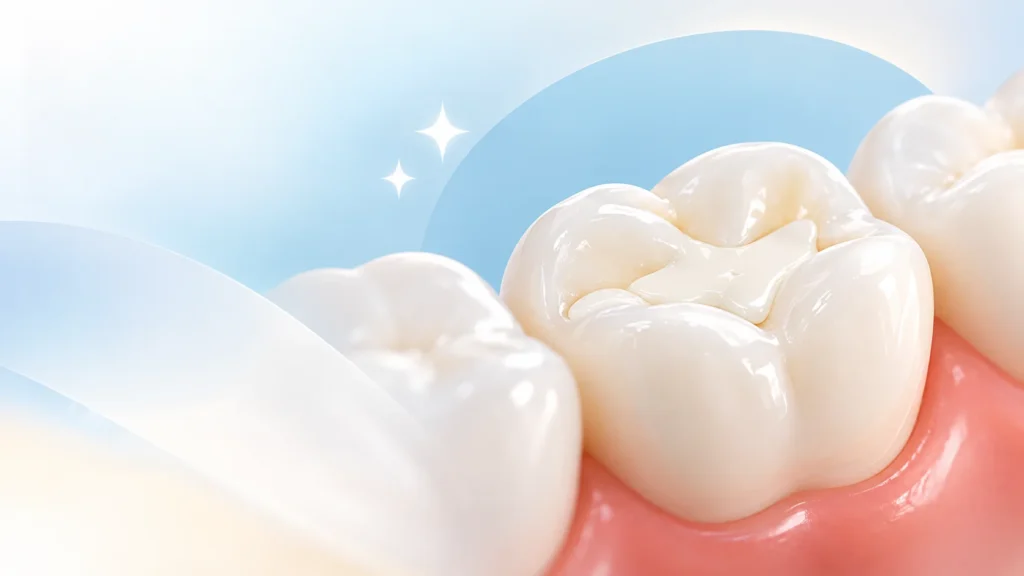
Tooth-colored fillings are a modern dental restoration used to repair cavities, chips, cracks, and worn areas of teeth while maintaining a natural appearance. Unlike traditional silver or metal fillings, tooth-colored fillings are made from composite resin materials that can be matched closely to the natural shade of your teeth. This makes them a popular choice for patients who want effective treatment without visible metal in their smile.
Many people delay dental treatment because they worry about how their teeth will look after a filling. Tooth-colored fillings address this concern by providing strong, durable restoration that blends seamlessly with the natural tooth structure. They are suitable for both front and back teeth and can be used in small to moderate cavities, minor fractures, and cosmetic improvements.
What are Tooth-Colored Fillings?
Tooth-colored fillings, also called composite fillings or white fillings, are dental restorations made from a mixture of plastic resin and fine glass or ceramic particles. These materials are designed to mimic the color, texture, and translucency of natural tooth enamel.
When a tooth has a cavity or minor damage, the dentist removes the decayed or damaged portion and fills the space with the composite material. The material is applied in layers, shaped to match the natural contours of the tooth, and hardened using a special light. Once polished, the filling looks and feels like a natural part of the tooth.
Tooth-colored fillings are widely used for treating cavities in visible areas, repairing chipped teeth, closing small gaps, and restoring worn edges. They provide both functional and cosmetic benefits, making them a preferred choice for many patients.
Types of Tooth-Colored Fillings
Tooth-colored fillings can be classified based on the material composition, the location of use, and the extent of restoration needed.
Based on material composition
- Traditional composite resin fillings, which are the most common type and offer good strength and aesthetics.
- Nano-filled composites, which contain very fine particles for a smoother finish and better polish.
- Glass ionomer fillings, which release fluoride and are often used in areas less prone to heavy chewing forces.
- Compomer fillings, which combine features of composite and glass ionomer materials.
Based on location of use
- Anterior fillings, used for front teeth where appearance is most important.
- Posterior fillings, used for back teeth that endure more chewing pressure.
- Combined restorations, where different materials may be used based on the specific tooth and bite forces.
Based on extent of restoration
- Small fillings for minor cavities or chips.
- Moderate fillings for larger cavities that still have sufficient tooth structure.
- Build-up fillings used to restore a significant portion of a damaged tooth before placing a crown.
Understanding the type helps the dentist choose the best material and technique for long-lasting results.
Benefits of Tooth-Colored Fillings
Tooth-colored fillings offer several advantages over traditional metal fillings, making them a preferred choice for many patients.
Aesthetic benefits
- Natural appearance that blends with your tooth color.
- No visible metal, making them ideal for front teeth.
- Can be color-matched to surrounding teeth for a seamless look.
- Improves overall smile aesthetics.
Functional benefits
- Strong and durable for everyday chewing.
- Bonds directly to the tooth structure, providing support.
- Preserves more of the natural tooth compared to some other restorations.
- Can be repaired or added to if needed in the future.
Health benefits
- No mercury or metal content.
- Less sensitivity to temperature changes compared to metal fillings.
- Fluoride-releasing options available for added protection.
- Smooth surface reduces plaque accumulation.
Practical benefits
- Usually completed in a single dental visit.
- Minimal removal of healthy tooth structure.
- Quick setting time with modern curing lights.
- Easy to polish and adjust for comfortable bite.
Who is a Good Candidate for Tooth-Colored Fillings?
Tooth-colored fillings are suitable for many patients, but the best candidate depends on the condition of the tooth, the size of the cavity, and the patient’s oral health.
Good candidates include:
- Patients with small to moderate cavities.
- Individuals with chipped or cracked teeth.
- People who want a natural-looking restoration.
- Patients with allergies or concerns about metal fillings.
- Children and adults with cavities in visible areas.
- Individuals looking to improve the appearance of discolored or worn teeth.
Cases where other options may be better
- Very large cavities that may require a crown for strength.
- Teeth with extensive damage or weak structure.
- Patients with heavy grinding or clenching habits that may wear down fillings faster.
- Areas where moisture control is difficult during the procedure.
A dental evaluation helps determine whether tooth-colored fillings are the best option for your specific situation.
The Tooth-Colored Filling Procedure
The procedure for placing a tooth-colored filling is straightforward and usually completed in one visit. The dentist follows a step-by-step process to ensure the filling is strong, comfortable, and natural-looking.
Step-by-step procedure
- Examination and assessment of the tooth.
- Discussion of treatment options and shade selection.
- Local anesthesia to numb the area if needed.
- Removal of decayed or damaged tooth structure.
- Cleaning and preparation of the cavity.
- Application of a bonding agent to help the filling adhere.
- Placement of composite material in layers.
- Shaping and contouring to match the natural tooth.
- Hardening each layer with a curing light.
- Final polishing for a smooth, natural finish.
- Bite adjustment to ensure comfortable chewing.
Duration of the procedure
- Simple fillings may take 20 to 40 minutes.
- Larger or multiple fillings may take longer.
- The procedure is generally painless due to local anesthesia.
Comfort during the procedure
- Most patients feel minimal discomfort.
- Numbing injection ensures the area is pain-free.
- Modern techniques and materials make the process efficient.
Aftercare and Maintenance
Proper aftercare helps ensure the longevity and appearance of your tooth-colored fillings.
Immediate aftercare
- Avoid eating until the numbness wears off to prevent biting your cheek or tongue.
- Be gentle with the treated tooth for the first few hours.
- Some sensitivity to cold or pressure may occur temporarily.
Long-term maintenance
- Brush twice daily with a soft-bristled toothbrush.
- Floss daily to remove plaque between teeth.
- Use fluoride toothpaste to strengthen enamel.
- Avoid chewing on hard objects like ice, pens, or hard candies.
- Limit staining foods and drinks such as coffee, tea, and red wine.
- Attend regular dental check-ups and cleanings.
Signs to watch for
- Persistent sensitivity or pain.
- Rough edges or uneven bite.
- Visible cracks or chips in the filling.
- Discoloration around the filling.
- Any discomfort while chewing.
If you notice any of these signs, contact your dentist for evaluation.
Durability and Longevity
Tooth-colored fillings are durable and can last for many years with proper care.
Expected lifespan
- Typically lasts 5 to 10 years or longer.
- Depends on the size of the filling and location in the mouth.
- Back teeth fillings may wear faster due to chewing forces.
Factors affecting longevity
- Oral hygiene habits.
- Diet and consumption of hard or sticky foods.
- Grinding or clenching habits.
- Regular dental visits for monitoring.
- Quality of the initial placement.
When replacement may be needed
- If the filling becomes worn, chipped, or cracked.
- If new decay develops around the filling.
- If the tooth structure weakens over time.
- If aesthetics no longer match surrounding teeth.
Regular dental visits help detect issues early before they become major problems.
Cost Considerations
The cost of tooth-colored fillings varies based on several factors.
Factors affecting cost
- Size and number of cavities.
- Location of the tooth in the mouth.
- Complexity of the procedure.
- Type of composite material used.
- Dental clinic location and expertise.
Insurance and payment options
- Some dental insurance plans cover a portion of the cost.
- Payment plans may be available at many dental clinics.
- Investing in quality fillings can prevent more expensive treatments later.
Value for money
- Natural appearance and durability make them a worthwhile investment.
- Early treatment prevents larger, costlier procedures.
- Improved confidence and smile aesthetics add long-term value.
Possible Complications and Risks
While tooth-colored fillings are safe and effective, some patients may experience minor issues.
Common temporary issues
- Sensitivity to cold, heat, or pressure.
- Mild discomfort after the procedure.
- Slight bite adjustment needed.
Rare complications
- Allergic reaction to materials (very uncommon).
- Filling becoming loose or falling out.
- Decay developing under or around the filling.
- Fracture of the filling or tooth.
How to minimize risks
- Choose an experienced dentist.
- Follow aftercare instructions carefully.
- Maintain good oral hygiene.
- Attend regular dental check-ups.
Most complications can be prevented or addressed early with proper care.
Alternatives to Tooth-Colored Fillings
Depending on the condition of your tooth, other restoration options may be recommended.
Alternative options
- Silver amalgam fillings, which are strong but visible.
- Ceramic or porcelain fillings, which are highly aesthetic and durable.
- Gold fillings, which are long-lasting but expensive.
- Dental crowns for extensively damaged teeth.
- Inlays or onlays for moderate to large restorations.
Why tooth-colored fillings are often preferred
- Natural appearance.
- Conservative tooth preparation.
- Good strength for most situations.
- Cost-effective compared to crowns or ceramic options.
Your dentist will help you choose the best option based on your needs.
When to See a Dentist
Regular dental visits are important for maintaining oral health and detecting cavities early.
- Tooth pain or sensitivity.
- Visible holes or dark spots on teeth.
- Chipped or cracked teeth.
- Rough edges on existing fillings.
- Food getting stuck in certain areas.
- Bad breath or unusual taste.
Why Choose Rama Hospital for Tooth-Colored Fillings?
Rama Hospital offers expert dental care with a focus on both function and aesthetics. Our experienced dentists use modern techniques and high-quality materials to provide natural-looking, long-lasting results.
- Comprehensive dental evaluation before treatment.
- Use of premium composite materials.
- Skilled dentists trained in cosmetic and restorative procedures.
- Comfortable and hygienic treatment environment.
- Follow-up care to ensure satisfaction.
Frequently Asked Questions (FAQs)
How long do tooth-colored fillings last?
With proper care, tooth-colored fillings can last 5 to 10 years or longer. Their lifespan depends on oral hygiene, diet, and the location of the filling in the mouth.
Is the procedure painful?
The procedure is generally painless. Local anesthesia is used to numb the area, and most patients feel minimal discomfort during and after the treatment.
Can tooth-colored fillings stain over time?
They can pick up some stains from coffee, tea, or smoking over the years, but they are more stain-resistant than natural teeth. Good oral hygiene and regular cleanings help maintain their appearance.
Are tooth-colored fillings safe?
Yes, they are safe and do not contain mercury or metal. They are widely used and considered biocompatible for most patients.
How much do tooth-colored fillings cost?
Cost varies based on the size, number, and location of fillings, as well as the clinic. Your dentist can provide a detailed estimate after examination.
Can old metal fillings be replaced with tooth-colored ones?
Yes, many patients choose to replace old metal fillings with tooth-colored ones for better aesthetics. Your dentist will evaluate if replacement is suitable for your teeth.
Do tooth-colored fillings require special care?
No special care is needed beyond regular brushing, flossing, and dental visits. Avoiding hard foods and staining substances can help maintain their appearance longer.
Conclusion
Tooth-colored fillings offer an effective, natural-looking solution for repairing cavities and minor tooth damage. They combine strength, durability, and aesthetics, making them a popular choice for patients of all ages. With proper care and regular dental visits, they can provide long-lasting results and a confident smile.
For patients with cavities, chips, or worn teeth, a dental evaluation can help determine the best treatment option. Early intervention prevents further damage and preserves your natural tooth structure.
Rama Hospital provides expert dental care with high-quality tooth-colored fillings, ensuring both function and aesthetics for a healthy, beautiful smile.