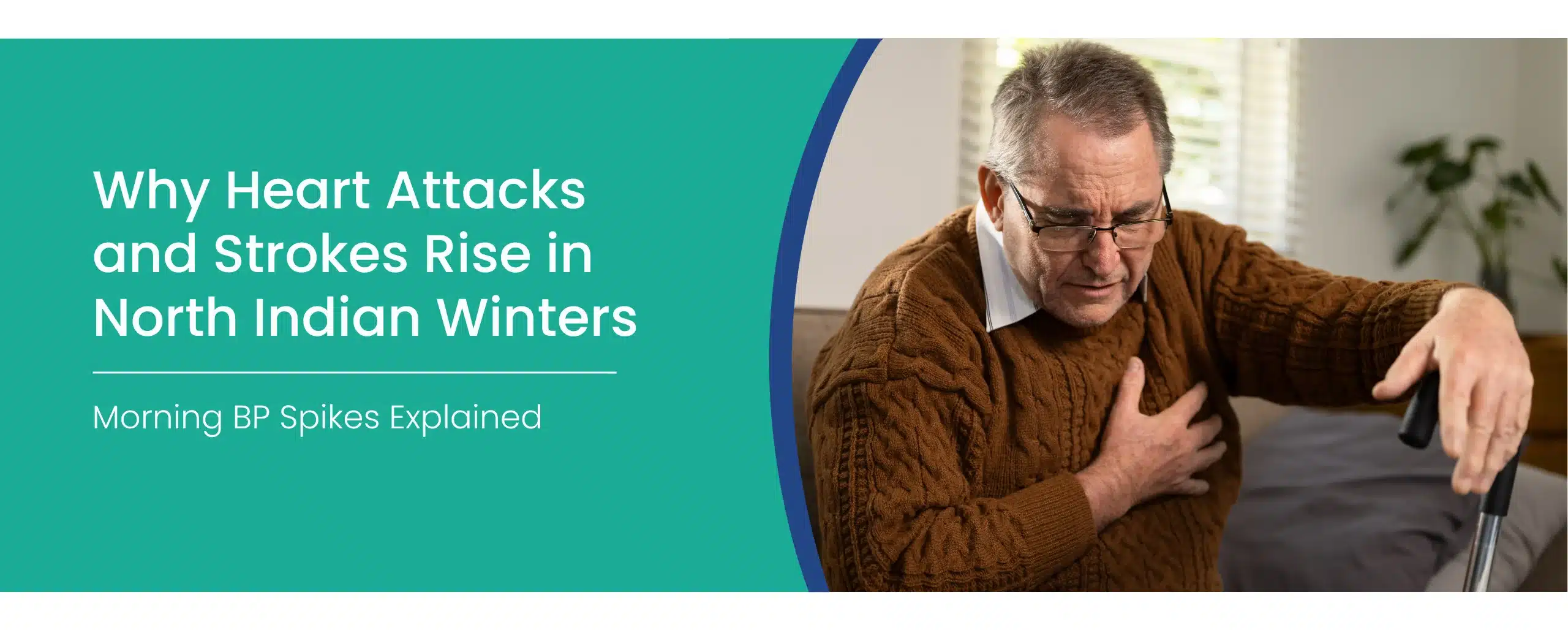
It is a familiar scene across North India during winter. Temperatures drop overnight, fog settles over roads, and people delay getting out of bed because of the cold. For many, the day begins with a cup of hot tea, a walk in the morning chill or a rush to get ready for work.
But winter mornings can place additional stress on the cardiovascular system, particularly in people who already have high blood pressure, diabetes, heart disease or other risk factors.
Heart attacks and strokes may become more common during periods of cold weather, and rising blood pressure is one of the reasons researchers believe this happens. Studies have linked cold exposure with changes in blood pressure and an increased risk of cardiovascular events. A population study conducted in North India also found significantly higher blood pressure levels during winter than summer.
Another important factor is the body’s natural morning blood pressure rise. Blood pressure typically changes throughout the day, often increasing around the time a person wakes up. When this normal pattern combines with cold exposure, uncontrolled hypertension or existing cardiovascular disease, the strain on the heart and blood vessels may become more significant.
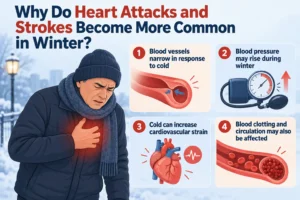
Why Do Heart Attacks and Strokes Become More Common in Winter?
Cold weather affects the body in several ways. To maintain its internal temperature, the body activates mechanisms that conserve heat. These responses can influence blood pressure, circulation and the workload placed on the heart.
Research suggests that both cold and extreme heat can increase the risk of cardiovascular complications, although the degree of risk varies with temperature, individual health and environmental conditions.
1. Blood vessels narrow in response to cold
When the body is exposed to cold temperatures, blood vessels near the skin constrict. This process, called vasoconstriction, reduces heat loss and helps preserve the body’s core temperature.
However, narrower blood vessels increase resistance to blood flow. The heart must work against this resistance to circulate blood, which can raise blood pressure.
For someone with healthy blood pressure and no underlying cardiovascular disease, these changes may be manageable. But for someone with poorly controlled hypertension, coronary artery disease or a history of stroke, additional cardiovascular stress may be more concerning.
2. Blood pressure may rise during winter
Seasonal changes in blood pressure are well documented.
A population-based study conducted in North India followed 978 participants across different seasons. Researchers reported that mean systolic blood pressure was approximately 9 mmHg higher in winter than in summer, while mean diastolic pressure was approximately 5.6 mmHg higher.
The study also found that the prevalence of hypertension was higher during winter in its study population. These findings demonstrate a seasonal association, not a prediction that every person will experience the same increase.
For people who already have hypertension, even a moderate seasonal rise may mean that their blood pressure is no longer as well controlled as it was during warmer months.
3. Cold can increase cardiovascular strain
Cold exposure can activate the sympathetic nervous system and other physiological responses involved in temperature regulation.
These responses can affect heart rate, blood vessel tone and the body’s demand for oxygen. In someone with narrowed coronary arteries, an increase in the heart’s workload may contribute to an imbalance between the oxygen the heart muscle needs and the oxygen it receives.
4. Blood clotting and circulation may also be affected
Some studies suggest that cold exposure can influence blood concentration, vascular function and processes involved in clot formation. These changes may contribute to cardiovascular risk, although the mechanisms are complex and differ between individuals.
A heart attack commonly occurs when blood flow to part of the heart muscle becomes blocked, often because a blood clot forms at the site of a disrupted plaque in a coronary artery.
An ischaemic stroke occurs when a blood vessel supplying the brain becomes blocked. A haemorrhagic stroke, by contrast, occurs when a blood vessel ruptures and bleeds into or around the brain.
Cold weather does not directly cause every one of these events. Rather, it may act as an additional trigger in people who already have underlying cardiovascular vulnerabilities.
What Is a Morning Blood Pressure Spike?
Blood pressure is not constant throughout the day. It changes in response to sleep, activity, stress, body position, medications and the body’s internal biological clock.
In many people, blood pressure begins to rise in the hours surrounding waking. This is known as the morning blood pressure surge.
As the body transitions from sleep to wakefulness, the nervous system becomes more active. Hormonal signals and changes in circulation help prepare the body for daily activity.
This rise is a normal physiological pattern, but its size and timing vary between individuals.
Why does morning blood pressure matter?
Blood pressure that is consistently high in the morning may indicate that hypertension is not adequately controlled throughout the day and night.
For example, medication effects may not last as long as intended, or blood pressure may remain elevated during sleep. Sleep disorders, including obstructive sleep apnoea, may also contribute to abnormal blood pressure patterns.
However, one high morning reading is not enough to diagnose uncontrolled hypertension or determine the cause.
A doctor may assess repeated home readings, medication timing, sleep history and other cardiovascular risk factors before deciding whether treatment needs adjustment.
Why Can Winter Mornings Be More Challenging for the Heart?
Winter mornings combine several influences that may affect blood pressure and cardiovascular function.
- Cold temperatures: Blood vessels constrict to conserve heat, which can increase resistance to blood flow and raise blood pressure.
- The natural morning surge: Blood pressure often rises around waking, as the body shifts from sleep to activity.
- Sudden physical exertion: Rushing outside, climbing stairs quickly or doing strenuous activity in the cold can add to the heart’s workload.
- Uncontrolled blood pressure: Missed doses, unsuitable medication timing or inadequately controlled hypertension can leave a person more vulnerable to blood pressure fluctuations.
Does North India’s Winter Weather Add to the Risk?
North India experiences substantial seasonal temperature changes. In areas such as Noida, Ghaziabad, Delhi and neighbouring districts, winter may bring cold mornings, fog, poor visibility and periods of severe air pollution.
Temperature is only one part of the picture. The environment in which people live, their access to warm indoor spaces, occupational exposure, physical activity and underlying health conditions can all influence cardiovascular risk.
A North Indian seasonal study found that winter blood pressure increases were more pronounced among older participants and rural residents in the population studied. The results highlight why local climate and individual circumstances matter when interpreting seasonal blood pressure changes.
Air pollution is another concern in the Delhi-NCR region. Fine particulate matter and other pollutants have been associated with cardiovascular harm, including increased risk of heart attacks and strokes. However, the effects of pollution and cold weather are distinct, even when they occur at the same time.
For people with heart disease, diabetes or hypertension, it is sensible to check local air-quality advisories, avoid strenuous outdoor activity when pollution levels are poor, and follow their doctor’s advice about safe exercise.
Who Is at Higher Risk During Winter?
Cold weather does not affect everyone in the same way. People with certain health conditions may need to take extra precautions during colder months.
These are risk factors, not predictions. Someone with one or more of these conditions will not necessarily experience a winter cardiovascular event.
| Risk group | Why extra care matters |
| People with high blood pressure | Cold exposure may raise blood pressure further, particularly when hypertension is poorly controlled. |
| Older adults | Age-related changes and existing medical conditions may increase vulnerability to temperature extremes. |
| People with coronary artery disease | Additional cardiovascular strain may increase the risk of symptoms or complications. |
| People with diabetes | Diabetes increases cardiovascular risk and may coexist with hypertension or other vascular conditions. |
| People with a previous heart attack or stroke | Their underlying cardiovascular risk remains important, even when symptoms have resolved. |
| Smokers | Smoking damages blood vessels and increases the risk of heart attack and stroke. |
| People with chronic kidney disease | Kidney disease and hypertension often influence one another and can increase cardiovascular risk. |
Why do older adults need particular attention?
Older adults may be more vulnerable to cold because temperature regulation can become less efficient with age. They may also be more likely to have hypertension, diabetes, heart disease or kidney disease.
Some older people spend much of the day indoors in inadequately heated rooms, while others continue outdoor activities early in the morning despite low temperatures.
Keeping warm, taking prescribed medicines consistently and monitoring blood pressure as advised can help reduce avoidable risks.
What about people who already take blood pressure medication?
If you take antihypertensive medication, do not change your dose simply because winter has started.
Instead, keep a record of your readings and discuss any consistent seasonal increase with your doctor. Your treatment may need review, but adjustments should be based on your medical history, measurements and overall condition.
Never skip, double or stop blood pressure medication without medical advice.
Heart Attack vs Stroke: Know the Warning Signs
Understanding the symptoms of a heart attack and a stroke is essential because both require immediate medical attention.
Neither condition can be safely ruled out based on the weather, a person’s age or whether they have experienced similar symptoms before.
Warning signs of a heart attack
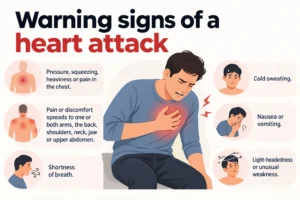
A heart attack may cause:
- Pressure, squeezing, heaviness or pain in the chest.
- Pain or discomfort spreads to one or both arms, the back, shoulders, neck, jaw or upper abdomen.
- Shortness of breath.
- Cold sweating.
- Nausea or vomiting.
- Light-headedness or unusual weakness.
Symptoms can vary. Some people experience less obvious symptoms, and chest discomfort may not always be severe.
In women, older adults and people with diabetes, symptoms may be less typical or more difficult to recognise.
Warning signs of a stroke
A stroke may cause sudden:
- Weakness or numbness of the face, arm or leg, especially on one side.
- Difficulty speaking or understanding speech.
- Loss of vision or sudden visual disturbance.
- Difficulty walking, dizziness or loss of balance.
- Severe headache without an obvious cause.
A useful way to remember common stroke warning signs is BE FAST:
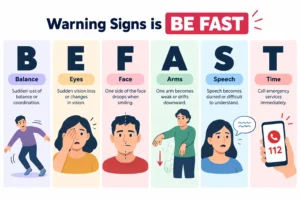
- B: Balance – Sudden loss of balance or coordination.
- E: Eyes – Sudden vision loss or changes in vision.
- F: Face – One side of the face droops when smiling.
- A: Arms – One arm becomes weak or drifts downward.
- S: Speech – Speech becomes slurred or difficult to understand.
- T: Time – Call emergency services immediately.
How to Measure Morning Blood Pressure Correctly
Home monitoring can help people with hypertension understand how their blood pressure changes over time. But inaccurate measurement can lead to unnecessary worry or a false sense of reassurance.
For reliable results, follow these steps recommended by the American Heart Association.
- Measure before rushing into the day. Choose a consistent time and follow your clinician’s instructions about when to take readings in relation to your medication.
- Rest quietly for at least five minutes. Sit comfortably before measuring rather than checking immediately after climbing stairs, exercising or coming in from the cold.
- Use a validated upper-arm monitor. Make sure the cuff is the correct size and placed on bare skin.
- Sit in the correct position. Keep your back supported, feet flat on the floor and legs uncrossed. Support your arm at heart level.
- Avoid common sources of measurement error. Do not smoke, drink caffeine or exercise during the 30 minutes before measurement. Empty your bladder first.
- Take two readings. Wait about one minute between readings and record both numbers.
- Keep a written or digital record. Note the date, time, readings and relevant details, such as missed medication or unusual symptoms.
What if your morning BP is repeatedly high?
If your readings are consistently higher than your target, arrange a medical review. Your doctor may assess your medication schedule, sleep quality, other health conditions and whether additional testing is necessary.
If your blood pressure is above 180/120 mmHg, wait at least one minute and measure it again. If it remains that high, seek immediate medical guidance. If it is accompanied by chest pain, shortness of breath, weakness, numbness, vision changes or difficulty speaking, call emergency services immediately. Do not wait for another reading before seeking emergency help.
Practical Ways to Protect Your Heart During North Indian Winters
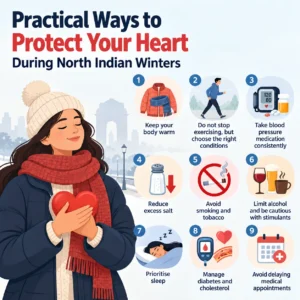
You cannot control the weather, but you can take steps to manage cardiovascular risk.
1. Keep your body warm
Wear appropriate layers, particularly when going outdoors early in the morning. Protect your head, hands and feet in very cold conditions.
Avoid sudden, prolonged exposure to extreme cold, especially if you have heart disease or poorly controlled blood pressure.
2. Do not stop exercising, but choose the right conditions
Regular physical activity supports cardiovascular health. Winter is not a reason to abandon movement altogether.
Instead:
- Exercise indoors when temperatures are very low.
- Warm up gradually before more strenuous activity.
- Avoid sudden, intense exertion in the cold.
- Check air-quality conditions before exercising outdoors.
- Follow your doctor’s advice if you have an existing heart condition.
3. Take blood pressure medication consistently
Continue your prescribed treatment unless your doctor advises otherwise.
Set reminders if necessary, and speak with your clinician if you experience side effects, difficulty obtaining medication or repeated high readings.
Do not take an extra dose to correct a high reading unless you have been specifically instructed to do so.
4. Reduce excess salt
A high-sodium diet can contribute to elevated blood pressure in susceptible people.
During winter, pay attention to salt in pickles, packaged snacks, instant foods, restaurant meals and other processed foods.
Choose balanced meals with vegetables, fruit, whole grains and appropriate sources of protein. People with kidney disease or heart failure should follow their individual dietary recommendations, particularly regarding salt and fluid intake.
5. Avoid smoking and tobacco
Smoking damages blood vessels and increases the risk of cardiovascular disease. Cold weather does not make smoking safer, and smoking should not be used as a way to cope with winter discomfort.
If you smoke, seek support to quit.
6. Limit alcohol and be cautious with stimulants
Alcohol can affect blood pressure, heart rhythm and medication safety. Avoid using alcohol to keep warm.
Also be cautious with excess caffeine and over-the-counter cold remedies. Some decongestants can raise blood pressure or interact with existing medication. Ask a doctor or pharmacist which products are appropriate for you.
7. Prioritise sleep
Poor sleep and conditions such as obstructive sleep apnoea can contribute to difficult-to-control hypertension.
Maintain a regular sleep schedule and discuss persistent snoring, witnessed pauses in breathing or excessive daytime sleepiness with a healthcare professional.
8. Manage diabetes and cholesterol
Blood pressure is only one part of cardiovascular risk.
Keeping blood glucose and cholesterol under appropriate control, following prescribed treatment and attending regular medical reviews can help reduce the overall risk of heart attack and stroke.
9. Avoid delaying medical appointments
If you already have hypertension, coronary artery disease, diabetes, kidney disease or a history of stroke, discuss your winter care plan with your doctor.
An appointment can help determine whether your blood pressure is adequately controlled and whether any additional monitoring is appropriate.
When Should You See a Cardiologist in Noida?
Winter is a useful time to review your cardiovascular health, particularly if you have hypertension or other risk factors. You do not need to wait for symptoms before seeking medical advice.
Consider consulting a cardiologist if:
- Your blood pressure readings remain above your prescribed target.
- You have a history of heart disease or a previous heart attack.
- You experience recurring chest discomfort or unusual breathlessness.
- You have diabetes, high cholesterol or chronic kidney disease alongside hypertension.
- You notice a persistent change in your usual blood pressure pattern.
A cardiologist can assess your symptoms, medical history, blood pressure readings and overall cardiovascular risk. Depending on the findings, the evaluation may include an ECG, blood tests or other investigations.
For people seeking a cardiology hospital in noida, can be considered for consultation regarding cardiovascular health and blood pressure concerns. Patients should confirm the appropriate department, appointment availability and emergency-care arrangements directly with the hospital.
Frequently Asked Questions (FAQs)
1. Why do heart attacks increase during winter?
Cold weather causes blood vessels to constrict, which can increase blood pressure and the workload on the heart. Cold exposure may also influence other cardiovascular processes. These effects can increase risk in susceptible individuals, particularly those with existing heart disease or uncontrolled hypertension.
2. Why is blood pressure higher in the morning?
Blood pressure often rises around waking because of the body’s natural circadian rhythm and increased nervous system activity. Cold exposure may add to this rise. However, persistently high morning readings may also indicate inadequately controlled hypertension and should be discussed with a doctor.
3. Can cold weather cause a stroke?
Cold weather is associated with increased cardiovascular risk, including certain types of stroke. It is not the sole cause, and individual risk depends on factors such as blood pressure, existing vascular disease, age and other medical conditions.
4. What is a dangerous morning blood pressure reading?
A reading above your individual target deserves attention, especially if it happens repeatedly. A reading above 180/120 mmHg is severely elevated. Repeat it after at least one minute and seek immediate medical guidance if it remains that high. If you also have chest pain, breathlessness, weakness, vision changes or difficulty speaking, call emergency services immediately.
5. Should people with high blood pressure avoid morning walks in winter?
Not necessarily. Regular physical activity is beneficial for cardiovascular health. However, people with hypertension or heart disease should dress warmly, avoid sudden strenuous exertion in very cold weather, check air quality and follow their doctor’s recommendations.
6. How can I check my blood pressure at home?
Use a validated upper-arm monitor with the correct cuff size. Rest quietly for five minutes, sit with your back supported and feet flat, keep your arm at heart level, and take two readings one minute apart. Record the results and share them with your healthcare professional.
7. Who should get a heart check-up before winter?
People with hypertension, diabetes, high cholesterol, chronic kidney disease, known heart disease or a previous heart attack or stroke may benefit from a medical review. The need for specific tests depends on their symptoms, history and individual risk.
8. Does a normal blood pressure reading mean I cannot have a heart attack?
No. A normal reading at one point in time does not rule out a heart attack or eliminate cardiovascular risk. If you experience symptoms suggestive of a heart attack, seek emergency medical attention regardless of your blood pressure reading.
Conclusion
North Indian winters bring more than cold mornings and foggy roads. For some people, colder temperatures can add to the strain on the heart and blood vessels, particularly when hypertension, diabetes or existing cardiovascular disease is already present.
The combination of cold-induced blood vessel constriction, natural morning blood pressure changes and individual health risks helps explain why cardiovascular events may increase during periods of cold weather. However, winter does not make a heart attack or stroke inevitable.
The most useful steps are straightforward: keep warm, monitor blood pressure correctly, take prescribed medicines consistently, stay active in suitable conditions and recognise emergency warning signs.
If your blood pressure remains high or your cardiovascular risk factors are not well controlled, speak with a heart specialist in noida before winter progresses.
At Rama Hospital, Noida, patients can seek appropriate medical guidance for blood pressure concerns and cardiovascular health.