Blood sugar plays an important role in keeping your body healthy and functioning properly. It provides energy to your brain, muscles and other organs, helping you carry out everyday activities. However, when blood glucose levels remain too high or become too low, they can affect several aspects of your health.
Many people check their blood sugar only when they experience unusual symptoms or during a routine health checkup. But do you know what your readings actually mean? Is a fasting reading of 110 mg/dL something to worry about? What should your blood sugar level be after eating? And how can you tell whether your readings indicate prediabetes or diabetes?
Understanding the normal blood sugar level can help you recognise changes early and take appropriate steps to protect your health.
Blood glucose levels naturally fluctuate throughout the day depending on your meals, physical activity, sleep and other factors. Therefore, a single reading does not always provide a complete picture of your metabolic health.
What Is Blood Sugar and Why Is It Important?
Blood sugar, medically known as blood glucose, refers to the amount of glucose present in your bloodstream. Glucose is the body’s primary source of energy and comes mainly from the carbohydrates you consume through food.
When you eat foods such as rice, roti, bread, fruits or potatoes, your digestive system breaks down carbohydrates into glucose. This glucose enters your bloodstream and is transported to different cells for energy.
The hormone insulin, produced by the pancreas, helps glucose move from the bloodstream into the body’s cells.
When insulin production is insufficient or the body does not respond to insulin effectively, glucose can accumulate in the bloodstream. This condition is known as hyperglycaemia or high blood sugar.
Maintaining a healthy blood sugar level is important because prolonged high glucose levels can damage blood vessels, nerves and other organs over time.
This is why understanding the normal blood sugar level is not just about checking a number. It is about recognising how effectively your body manages glucose and identifying potential health concerns before complications develop.
What Is the Normal Blood Sugar Level for Adults?
The normal blood sugar level depends on when the test is performed. A fasting test, a post-meal test and an HbA1c test measure glucose differently, so their results should not be interpreted in the same way.
For adults who are not pregnant, commonly accepted diagnostic ranges are:
| Blood Sugar Test | Normal Range | Prediabetes Range | Diabetes Range |
| Fasting blood glucose | Below 100 mg/dL | 100–125 mg/dL | 126 mg/dL or higher |
| 2-hour OGTT | Below 140 mg/dL | 140–199 mg/dL | 200 mg/dL or higher |
| HbA1c | Below 5.7% | 5.7–6.4% | 6.5% or higher |
These values are based on established diagnostic criteria used by the American Diabetes Association and other recognised medical guidelines.
Important: In people without clear symptoms of diabetes, an abnormal diagnostic result generally needs confirmation through repeat testing or another diagnostic test. A doctor should interpret the results in the context of your overall health.
What Is the Normal Fasting Blood Sugar Level?
A fasting blood sugar test measures the amount of glucose in your blood after you have not consumed any calories for at least eight hours. It is usually performed in the morning before breakfast.
For most non-pregnant adults without diabetes, a fasting blood sugar level below 100 mg/dL is considered normal.
Here is how the results are generally interpreted:
| Fasting Blood Sugar Level | Interpretation |
| Below 100 mg/dL | Normal |
| 100–125 mg/dL | Prediabetes |
| 126 mg/dL or higher | Diabetes range |
A fasting blood sugar level between 100 and 125 mg/dL indicates impaired fasting glucose, which means your body may not be regulating glucose as effectively as it should.
A reading of 126 mg/dL or higher can indicate diabetes, but the result generally needs confirmation unless there is clear evidence of hyperglycaemia.
Why Is Fasting Blood Sugar Important?

Fasting glucose provides useful information about how your body manages blood sugar when you have not eaten for several hours.
It can help doctors:
- Identify early changes in glucose regulation.
- Screen for prediabetes and type 2 diabetes.
- Monitor blood sugar management in diagnosed patients.
- Assess the need for further investigations.
If your fasting reading is repeatedly above the normal range, consult a general physician rather than relying on occasional home glucose measurements.
What Is the Normal Blood Sugar Level After Eating?
Blood sugar naturally increases after eating because carbohydrates are converted into glucose and absorbed into the bloodstream.
The amount of increase depends on the type of food, portion size, physical activity, insulin response and individual metabolism.
Understanding the blood sugar level after eating is particularly important for people who are monitoring diabetes or are at risk of developing it.
However, there is an important distinction between a routine post-meal reading and a formal glucose tolerance test.
A standard two-hour oral glucose tolerance test uses a measured 75-gram glucose drink. Its diagnostic ranges are:
| 2-Hour OGTT Reading | Interpretation |
| Below 140 mg/dL | Normal |
| 140–199 mg/dL | Prediabetes |
| 200 mg/dL or higher | Diabetes range |
These diagnostic cut-offs apply to the standard OGTT, not automatically to a regular meal.
For people already diagnosed with diabetes, the American Diabetes Association suggests a post-meal glucose target of below 180 mg/dL, measured 1–2 hours after the beginning of a meal, for many non-pregnant adults. However, individual targets may differ.
What Happens to Blood Sugar After a Meal?
Your glucose level generally rises after eating and gradually returns towards your usual level as insulin helps the body use and store glucose.
The response may vary depending on your meal.
For example:
- A meal rich in refined carbohydrates may produce a quicker glucose rise.
- Meals containing fibre, protein and healthy fats may influence the rate of glucose absorption.
- Physical activity after eating can affect glucose utilisation.
- People with insulin resistance may experience higher or more prolonged glucose elevations.
Therefore, one post-meal reading should not be used independently to diagnose diabetes.
What Is the Normal Sugar Level for Adults at Different Ages?
Age is an important consideration when assessing overall health, but the standard diagnostic thresholds for diabetes and prediabetes generally remain the same for non-pregnant adults.
The normal sugar level for adults is not automatically higher simply because someone is older.
However, glucose targets for people who already have diabetes may need to be adjusted depending on their age, medical history, medications and risk of low blood sugar.
Blood Sugar Considerations by Age

Young and middle-aged adults:
Regular screening can help identify early changes in glucose regulation, especially in people with a family history of diabetes, obesity or a sedentary lifestyle.
Adults above 40 years:
The risk of type 2 diabetes increases with age. Periodic blood glucose testing can help identify problems before noticeable symptoms develop.
Senior citizens:
Older adults may have additional health conditions or take multiple medications. Their diabetes management plan should consider overall health, kidney function, nutritional status and the risk of hypoglycaemia.
It is important to understand that the normal blood sugar level is determined through appropriate diagnostic testing, not age alone.
What Is the HbA1c Test and Why Is It Important?
A fasting glucose test tells you how much glucose is present in your blood at a particular moment. However, your readings may change throughout the day.
The HbA1c test provides a broader picture.
It measures the percentage of haemoglobin in your red blood cells that has glucose attached to it. Since red blood cells generally circulate for around three months, this test provides an estimate of your average blood glucose over the previous two to three months.
HbA1c Test Results
| HbA1c Percentage | Interpretation |
| Below 5.7% | Normal |
| 5.7–6.4% | Prediabetes |
| 6.5% or higher | Diabetes range |
An HbA1c result of 6.5% or higher can indicate diabetes and generally requires confirmation in the absence of unequivocal hyperglycaemia.
When Is an HbA1c Test Recommended?
A doctor may recommend this test if:
- Your fasting glucose readings are repeatedly elevated.
- You have risk factors for type 2 diabetes.
- You have symptoms associated with high blood sugar.
- You have already been diagnosed with diabetes and need monitoring.
- Your doctor wants to assess your average glucose control.
The HbA1c test is convenient because fasting is not usually required.
However, certain conditions, including some forms of anaemia, haemoglobin disorders, pregnancy and conditions affecting red blood cell turnover, can influence HbA1c accuracy. Your doctor may recommend another glucose test when necessary.
What Are the Common Symptoms of High Blood Sugar?
High blood sugar does not always produce noticeable symptoms, particularly during its early stages.
Some people may have elevated glucose levels for months or years without realising it. This is one reason why regular screening is important.
However, as glucose levels increase, certain symptoms may become more noticeable.
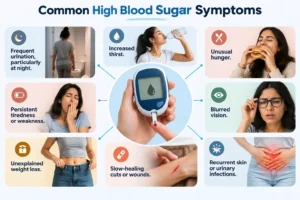
Common High Blood Sugar Symptoms
- Frequent urination, particularly at night.
- Increased thirst.
- Unusual hunger.
- Persistent tiredness or weakness.
- Blurred vision.
- Unexplained weight loss.
- Slow-healing cuts or wounds.
- Recurrent skin or urinary infections.
These high blood sugar symptoms occur because excess glucose affects how the body uses energy and maintains fluid balance.
For example, when blood glucose becomes significantly elevated, the kidneys attempt to remove excess glucose through urine. This can increase urination and lead to dehydration, making you feel unusually thirsty.
When Should You Take These Symptoms Seriously?
If you experience frequent thirst, unexplained weight loss, repeated infections or persistent fatigue, consider getting your glucose levels checked.
If you experience severe weakness, vomiting, abdominal pain, deep or rapid breathing, confusion or difficulty staying awake, seek emergency medical attention. These symptoms may indicate a serious diabetes-related complication.
Do not wait for symptoms to become severe before seeking medical advice.
What Causes High Blood Sugar Levels?
High blood sugar can develop when the body does not produce enough insulin or cannot use insulin effectively.

Several lifestyle, genetic and medical factors can contribute to this problem.
1. Insulin Resistance
Insulin resistance occurs when the body’s cells do not respond effectively to insulin. As a result, glucose remains in the bloodstream instead of entering cells efficiently.
It is one of the major factors associated with type 2 diabetes.
2. Unhealthy Eating Habits
Regular consumption of sugary drinks, refined carbohydrates, highly processed foods and excessive portions can make blood sugar management more difficult.
A balanced diet with appropriate portions of carbohydrates, fibre and protein can support better glucose regulation.
3. Physical Inactivity
Regular physical activity helps muscles use glucose for energy.
A sedentary lifestyle may contribute to insulin resistance and increase the risk of developing type 2 diabetes.
4. Excess Body Weight
Excess body fat, particularly around the abdomen, is associated with an increased risk of insulin resistance.
Maintaining a healthy weight can support better metabolic health.
5. Family History
Having a parent or sibling with type 2 diabetes can increase your likelihood of developing the condition.
Genetic factors do not make diabetes inevitable, but they make preventive screening more important.
6. Stress and Poor Sleep
Prolonged stress and inadequate sleep can influence hormones that regulate glucose metabolism.
People who regularly experience sleep disturbances or high stress levels may find it more difficult to maintain stable glucose levels.
7. Certain Medications and Medical Conditions
Some medications, including corticosteroids, can increase blood glucose levels. Certain hormonal and pancreatic conditions may also affect glucose regulation.
If your readings change unexpectedly after starting a medication, discuss it with your doctor. Do not stop prescribed medication without medical advice.
What Is the Difference Between Prediabetes and Diabetes?
Prediabetes and diabetes are related conditions, but they are not the same.
Prediabetes means your blood glucose is higher than the normal range but has not reached the diagnostic threshold for diabetes.
It is an important warning sign because people with prediabetes have an increased risk of developing type 2 diabetes and cardiovascular disease.
Prediabetes vs Diabetes
| Parameter | Prediabetes | Diabetes |
| Fasting glucose | 100–125 mg/dL | 126 mg/dL or higher |
| HbA1c | 5.7–6.4% | 6.5% or higher |
| 2-hour OGTT | 140–199 mg/dL | 200 mg/dL or higher |
| Symptoms | Often absent | May be absent or present |
| Management | Lifestyle changes and risk assessment | Individualised medical and lifestyle management |
The normal blood sugar level can be maintained or improved through timely lifestyle changes in many people with prediabetes.
Doctors may recommend dietary changes, regular physical activity, weight management and periodic monitoring.
For people diagnosed with diabetes, treatment may include lifestyle modifications, oral medicines, injectable medications or insulin, depending on the type and severity of the condition.
Early medical guidance can help reduce the risk of long-term complications.
How Can You Maintain a Healthy Blood Sugar Level?
Maintaining a healthy blood sugar level requires consistent habits rather than short-term dietary changes.
Small adjustments to your everyday routine can make a meaningful difference to your metabolic health.
1. Follow a Balanced Diet
Your daily meals should include a combination of fibre-rich foods, vegetables, whole grains, protein and healthy fats.
Consider including:
- Green vegetables and seasonal fruits.
- Whole grains such as oats and millets.
- Pulses, beans and lentils.
- Nuts and seeds.
- Appropriate portions of protein-rich foods.
2. Stay Physically Active
Regular physical activity helps improve insulin sensitivity and allows muscles to use glucose more effectively.
Adults should generally aim for at least 150 minutes of moderate-intensity physical activity per week, subject to their medical condition and fitness level.
Walking, cycling, swimming and other suitable exercises can be included in your routine.
3. Maintain a Healthy Weight
Weight management can help improve insulin sensitivity, particularly in people with excess abdominal fat.
A gradual and sustainable approach is generally more useful than following restrictive diets or attempting rapid weight loss.
4. Get Enough Sleep
Aim for a consistent sleep schedule and adequate rest. Poor sleep can affect hormones involved in appetite, stress and glucose regulation.
5. Manage Stress
Prolonged stress can influence blood glucose levels.
Simple activities such as walking, meditation, breathing exercises and spending time outdoors may help support emotional and physical well-being.
6. Monitor Your Glucose When Recommended
If you have diabetes or prediabetes, your doctor may recommend regular monitoring.
Keeping a record of your readings can help identify patterns and determine whether your treatment plan is working effectively.
Remember, a healthy blood sugar level is maintained through a combination of medical guidance, balanced nutrition, physical activity and regular follow-up.
When Should You Consult a General Physician?
You should consider consulting a doctor if your glucose readings repeatedly fall outside the normal diagnostic range or if you experience symptoms associated with diabetes.
An early consultation can help identify the underlying cause and determine whether additional testing is necessary.
Consider seeking medical advice if:
- Your fasting glucose is repeatedly 100 mg/dL or higher.
- Your blood glucose readings are frequently elevated.
- You experience excessive thirst or frequent urination.
- You have unexplained weight loss.
- You have a family history of diabetes.
- You have high blood pressure, excess body weight or other metabolic risk factors.
- You have already been diagnosed with diabetes and are finding it difficult to manage your glucose levels.
A general physician can assess your medical history, review your test results and recommend further investigations or treatment when required.
If you are looking for a general physician in Noida, choosing a doctor who can evaluate your symptoms, assess your metabolic health and guide you through appropriate testing is an important first step.
For individuals requiring ongoing medical evaluation, a general medicine hospital in Noida can provide access to consultations, diagnostic investigations and coordinated medical care.
Frequently Asked Questions (FAQs)
1. What is the normal blood sugar level for adults?
For non-pregnant adults without diabetes, fasting blood glucose below 100 mg/dL is considered normal. A two-hour reading below 140 mg/dL during a standard oral glucose tolerance test is also within the normal range. HbA1c below 5.7% is considered normal.
2. Is 110 mg/dL blood sugar normal?
It depends on when the test was performed. If 110 mg/dL is a fasting reading, it falls within the prediabetes range. If it is a reading taken after eating, it cannot be interpreted using fasting diagnostic thresholds.
3. What should fasting blood sugar be in the morning?
For adults without diabetes, fasting glucose below 100 mg/dL is generally considered normal. A reading between 100 and 125 mg/dL indicates prediabetes, while 126 mg/dL or higher falls within the diabetes range and generally requires confirmation.
4. What is a normal blood sugar level two hours after eating?
There is no single diagnostic cut-off that applies to every regular meal. A two-hour OGTT reading below 140 mg/dL is considered normal. For many non-pregnant adults with diabetes, the usual treatment target is below 180 mg/dL, measured 1–2 hours after the beginning of a meal.
5. Can blood sugar be high without diabetes symptoms?
Yes. Prediabetes and type 2 diabetes can remain unnoticed for a long time because some people do not experience obvious symptoms. Regular screening is particularly important for individuals with risk factors.
6. How often should adults check their blood sugar?
Testing frequency depends on age, medical history and diabetes risk. People with diagnosed diabetes may need more frequent monitoring, while others may only require periodic screening. Your doctor can recommend an appropriate schedule.
7. Does walking help lower blood sugar?
Yes. Physical activity allows muscles to use glucose for energy and can improve insulin sensitivity. Regular walking may support better glucose management, particularly when combined with a balanced diet and appropriate medical care.
8. What is the difference between fasting blood sugar and HbA1c?
Fasting glucose measures the amount of sugar in your blood after at least eight hours without calorie intake. HbA1c estimates your average blood glucose over approximately two to three months. Both tests provide different but useful information about glucose regulation.
9. Can prediabetes be reversed?
Many people with prediabetes can improve their glucose levels through sustainable lifestyle changes, including healthy eating, regular exercise and weight management. However, individual results vary, and regular monitoring remains important.
10. When should I consult a doctor for high blood sugar?
Consult a doctor if your readings are repeatedly elevated or you experience excessive thirst, frequent urination, unexplained weight loss or persistent fatigue. Severe symptoms such as vomiting, confusion or difficulty breathing require emergency medical attention.
Conclusion
Blood sugar management is an important part of maintaining long-term health. Although glucose levels naturally fluctuate throughout the day, consistently elevated readings should never be ignored.
Understanding the normal blood sugar level can help you recognise early warning signs, make informed lifestyle choices and seek medical advice when necessary.
Whether you are checking your fasting glucose for the first time, monitoring an existing condition or concerned about a family history of diabetes, regular testing and timely medical guidance can make a difference.
Remember, diabetes does not always produce noticeable symptoms in its early stages. Do not wait for your health to be affected before getting your blood glucose checked.
At Rama Hospital, patients looking for a general physician in Noida can seek medical consultation for blood sugar evaluation, diabetes risk assessment and general medical concerns.