A pacemaker is a small medical device placed under the skin of the chest to help control abnormal heart rhythms, especially when the heart beats too slowly or the electrical signals inside the heart are not working properly. For many patients, a pacemaker can restore a more stable rhythm, improve daily energy levels, reduce fainting episodes, and lower the risk of dangerous complications related to slow heart rate or heart block.
Pacemaker implantation is usually recommended after a thorough cardiac evaluation, including ECG, Holter monitoring, echocardiography, and sometimes additional tests that help the doctor understand the reason for the rhythm problem. Not every abnormal heartbeat needs a pacemaker, but when the heart’s natural electrical system cannot maintain an adequate rhythm on its own, implantation may become the most effective treatment.
At Rama Hospital, pacemaker implantation is planned by experienced cardiologists and electrophysiology teams who assess the patient’s symptoms, rhythm pattern, underlying disease, and overall health before deciding on the best device type. The procedure may involve a single chamber pacemaker or a dual chamber pacemaker, depending on how the heart needs support and which chambers require pacing.
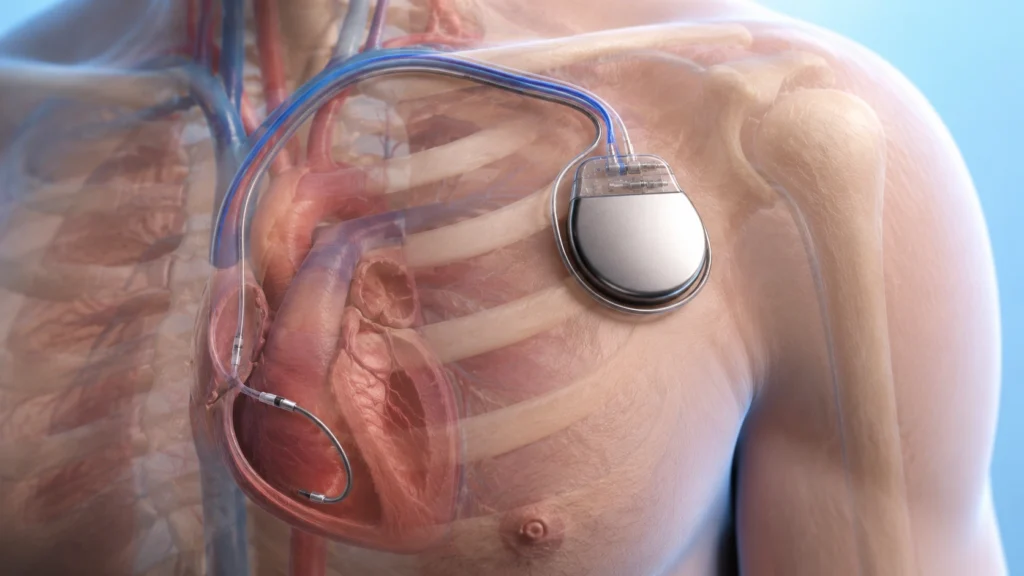
A pacemaker is a battery-powered device that sends small electrical impulses to the heart when the heart rate becomes too slow or when the heart needs help maintaining a regular rhythm. It does not replace the heart; instead, it supports the heart’s own rhythm and helps the chambers beat in a coordinated way.
The device usually has three main parts:
Pacemakers are commonly used for bradycardia, heart block, sinus node dysfunction, and other conditions where the heart does not beat at an appropriate rate. In modern cardiac care, pacemakers are designed to respond intelligently to the patient’s needs, adjusting pacing when activity increases or when the heart’s natural rhythm changes.
Pacemaker implantation is a minor surgical procedure in which the pacemaker device is inserted under the skin, usually below the collarbone, and connected to the heart through one or more leads. The procedure is typically done in a cardiac catheterization laboratory or an electrophysiology suite under local anesthesia with mild sedation, although the exact approach depends on the patient’s condition.
The treatment is considered both diagnostic and therapeutic in the sense that the doctor carefully evaluates the rhythm problem and then implants a device that can correct or reduce the effects of the slow heart rhythm. For patients with repeated dizziness, fainting, or fatigue due to bradycardia, pacemaker implantation can significantly improve comfort and safety.
Pacemaker implantation is needed when the heart’s natural electrical system cannot maintain a safe or reliable heartbeat. A slow heartbeat may seem harmless at first, but if the heart rate is too low, the body may not receive enough blood and oxygen, especially during activity or stress.
A pacemaker may be recommended when the patient has:
Pacemaker therapy is not for every arrhythmia. It is used when the issue is mainly a slow rhythm or a conduction problem, not when the heart is simply beating irregularly for other reasons. That is why diagnosis before implantation is important.
Patients who may need a pacemaker include those with:
Older adults are more likely to need a pacemaker because the heart’s electrical system may weaken with age. However, younger patients can also need device implantation if they have congenital conduction disease, post-operative rhythm problems, or other cardiac conditions.
Pacemakers are not all the same. The type of device depends on the chamber that needs support and the rhythm problem being treated.
Single chamber pacemaker
A single chamber pacemaker usually has one lead placed in either the right atrium or the right ventricle. It is often used when only one chamber needs pacing support.
Common uses include:
Dual chamber pacemaker
A dual chamber pacemaker has two leads, one placed in the right atrium and one in the right ventricle. This allows the device to coordinate the timing between the upper and lower chambers of the heart.
It is often used when:
Temporary pacemaker
This is used in emergency or short-term situations and is not the same as a permanent implanted device. It may be used when a patient needs immediate rhythm support before a permanent pacemaker is placed.
The choice between single chamber and dual chamber pacing depends on the heart’s electrical problem, the patient’s symptoms, and the expected benefit from coordinated pacing.
| Feature | Single Chamber Pacemaker | Dual Chamber Pacemaker |
| Number of leads | One lead | Two leads |
| Pacing support | One chamber | Two chambers |
| Best for | Selected bradycardia or conduction issues | More coordinated rhythm support |
| Heart coordination | Limited | Better AV synchrony |
| Procedure complexity | Usually simpler | Slightly more complex |
| Follow-up needs | Regular device checks | Regular device checks |
In many patients, dual chamber pacing is preferred when coordination between the atrium and ventricle matters. In other cases, a single chamber device may be enough and may be the better choice based on the patient’s rhythm pattern and general health.
A pacemaker monitors the heart rhythm continuously. When it detects that the heart is too slow or that a pause has occurred, it sends a small electrical signal to stimulate the heart to beat. Many patients feel a noticeable improvement in quality of life after implantation because the heart no longer slows down at inappropriate times.
This can help:
Pacemaker implantation is usually considered after identifying the cause of the rhythm problem. A careful review of medicines, heart function, and underlying disease is important because in some cases the low heart rate may be reversible without pacemaker implantation.
Common causes and risk factors include:
If a patient has these symptoms, the doctor will often perform rhythm monitoring to see whether the heart rate is too low and whether pacemaker implantation is appropriate. Symptoms that may suggest a pacemaker problem include:
Before recommending a pacemaker, the cardiologist usually performs a detailed evaluation. These tests help the doctor confirm the rhythm problem, identify the type of conduction disturbance, and decide whether single chamber or dual chamber pacing is best.
Common tests include:
The decision is based on both symptoms and test findings. A pacemaker is usually not placed just because a heart rate looks low on one reading; the full clinical picture matters. Pacemaker implantation is generally recommended when:
Pacemaker implantation is usually a planned procedure and follows a structured pathway.
Below is a more detailed, patient-friendly explanation of how the procedure is done.
Before the procedure
The team will also explain how the device works, how long the procedure takes, and what the recovery will be like. The patient may be asked to:
During the procedure
Most patients remain awake but comfortable. They may feel pressure, but the procedure is generally not painful. The procedure usually involves:
After the procedure
A chest X-ray may be done in some cases to confirm lead position and exclude complications. The doctor will also explain wound care and activity restrictions before discharge. The patient is monitored for:
| Device type | Main use | Typical lead count | Key benefit |
| Single chamber pacemaker | Selected slow rhythm problems | One | Simpler pacing support |
| Dual chamber pacemaker | Rhythm problems needing coordination | Two | Better atrium-ventricle coordination |
| Temporary pacemaker | Short-term emergency support | One or more | Immediate stabilization |
Pacemaker implantation can provide major benefits when it is correctly indicated. For many patients, the improvement is noticeable within days to weeks as the body adjusts to a steadier rhythm.
These include:
Pacemaker implantation is generally safe, but like any procedure, it has possible risks. The doctor will discuss these risks before the procedure and take steps to reduce them. Follow-up is important to make sure the pacemaker continues to work properly.
These may include:
A well-planned implantation reduces complications and improves long-term results. Good pacemaker care depends on:
Hospital stay and recovery: Some patients may go home the same day, while others may stay overnight depending on age, health status, rhythm condition, and procedural complexity. Recovery is usually straightforward when the wound heals properly and the device checks are normal.
Typical recovery guidance:
Most patients resume light activities relatively soon, but full recovery guidance depends on the surgeon and cardiologist’s instructions.
Pacemaker care does not end after the procedure. Regular follow-up ensures the battery, lead function, and pacing settings remain appropriate. Device follow-up can be done in the hospital and, in some cases, through remote monitoring if available.
Follow-up may include:
Living with a pacemaker: Most patients can live normally with a pacemaker after the recovery period. The device is designed to be durable and safe, and patients often return to work, family life, and routine activities.
Daily life after implantation:
A pacemaker is meant to support life, not limit it. With proper care, patients often enjoy a much better quality of life.
These symptoms may suggest a complication or a device issue that needs review. See a doctor promptly if you have:
Rama Hospital offers patient-focused cardiac care for rhythm disorders, slow heart rate, and pacemaker implantation. The aim is to combine safety, accurate diagnosis, and long-term support.
Pacemaker implantation is usually considered a minor surgical procedure, not a major open-heart surgery. It is done through a small incision and typically does not require a large operation. Most patients recover faster than they expect.
A single chamber pacemaker uses one lead, while a dual chamber pacemaker uses two leads. Dual chamber devices coordinate the upper and lower chambers more closely, while single chamber devices are used in selected cases where one chamber needs support.
Pacemaker battery life depends on usage, device type, and pacing needs. Many devices last several years, and the team monitors battery status during follow-up visits. When the battery gets low, the generator can be replaced.
Yes, most patients return to a normal daily routine after healing. The pacemaker helps keep the heart rate stable, which often improves energy, confidence, and overall quality of life. Your doctor may advise certain precautions at first.
The procedure is usually done with local anesthesia and mild sedation, so pain is limited. You may feel pressure or mild discomfort, but most patients tolerate it well. Some soreness may be present during the first few days after implantation.
Yes, follow-up is very important. The doctor checks the wound, battery, leads, and pacing settings to make sure everything is working properly. These visits also help adjust the device if your needs change over time.
If fainting is caused by a slow heart rate or heart block, a pacemaker can often help reduce or prevent those episodes. However, fainting can have other causes too, so the doctor must confirm that rhythm disease is the reason before recommending implantation.
Yes, many older adults benefit from pacemaker implantation. In fact, age-related conduction problems are a common reason for pacing. The procedure is generally safe when performed after proper evaluation and with experienced cardiac care.
Pacemaker implantation is a highly effective treatment for patients with slow heart rhythms, heart block, and other conduction system problems. Whether a single chamber pacemaker or dual chamber pacemaker is used depends on the rhythm pattern, symptom profile, and the level of coordination the heart needs. When done for the right indication, the procedure can improve safety, reduce symptoms, and restore a more stable daily life.
At Rama Hospital, pacemaker care is approached with a full understanding of the patient’s heart rhythm, underlying condition, and long-term follow-up needs. For people searching for reliable pacemaker implantation and heart rhythm treatment, this page is designed to offer both strong search intent coverage and a trustworthy hospital landing page experience.
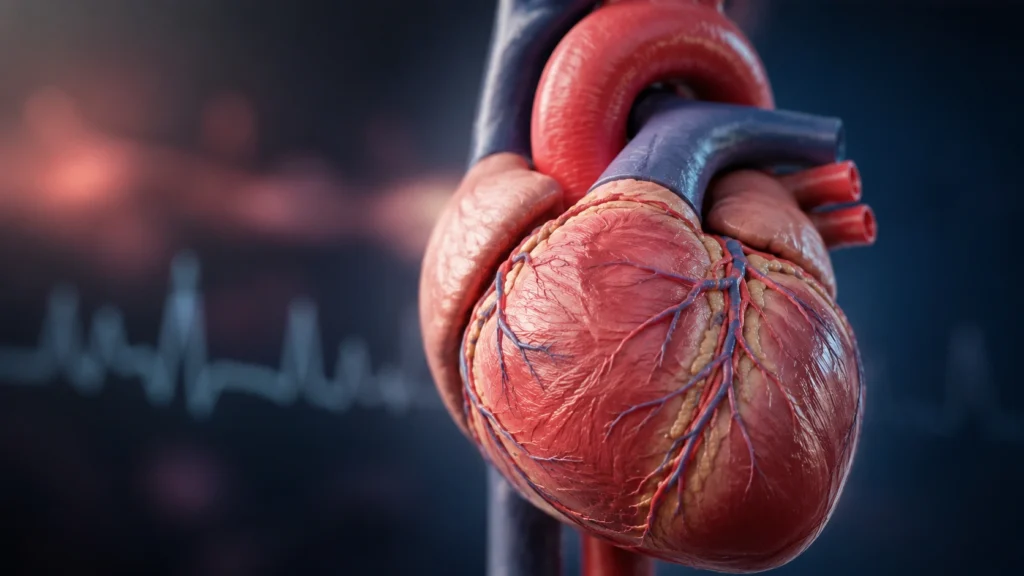
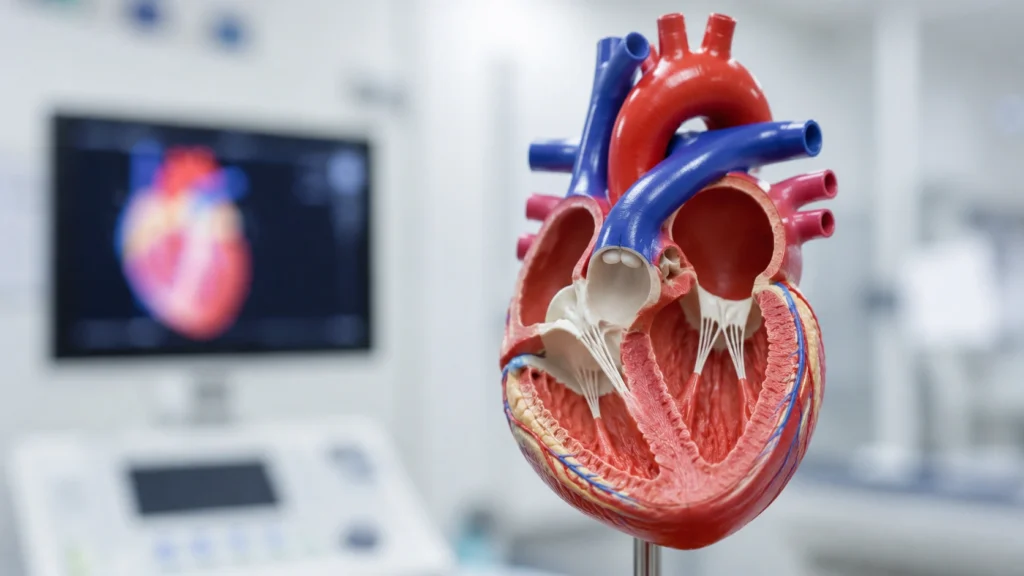
A pacemaker is a small, battery-powered device that prevents the heart from beating too slowly.
No rows found.