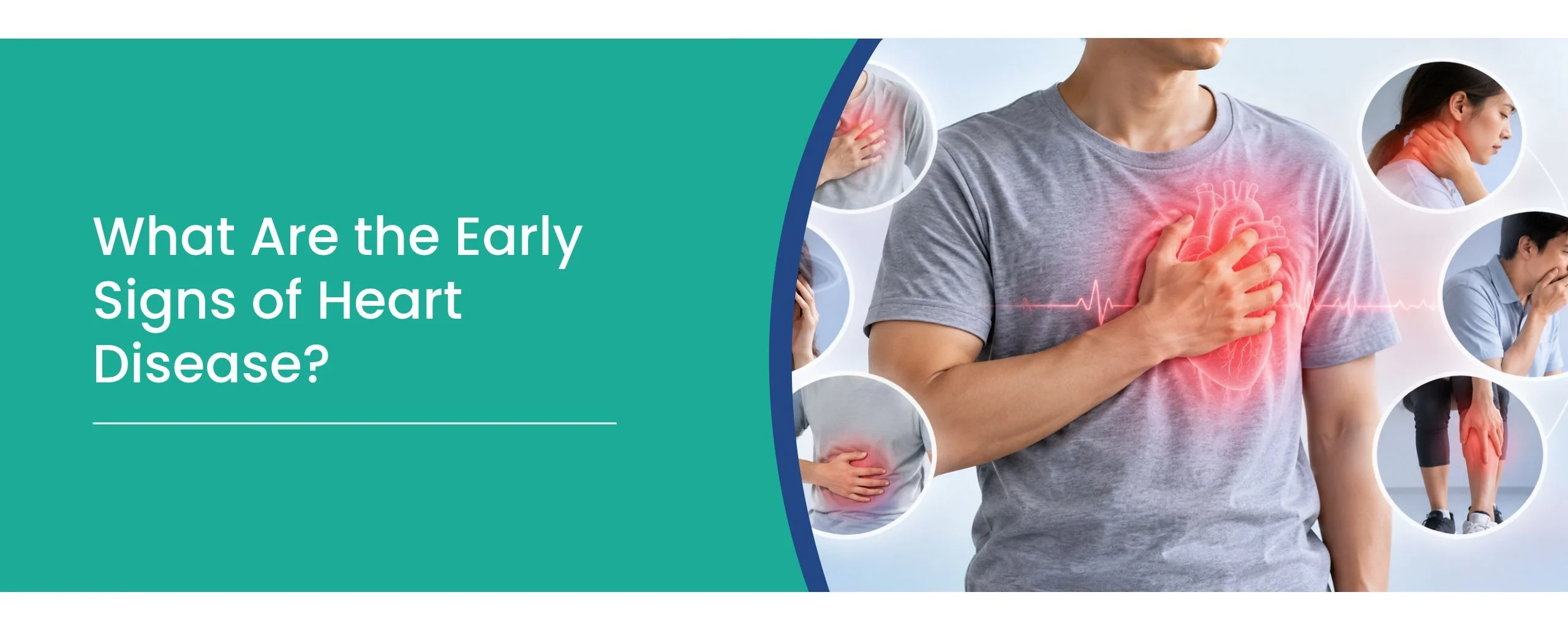
Heart disease does not always begin with sudden chest pain or a medical emergency. Sometimes, the body gives smaller warning signals that are easy to overlook. You may feel unusually tired after climbing stairs, experience breathlessness during routine activities, notice an irregular heartbeat or develop occasional discomfort in your chest.
Many people dismiss these changes as stress, ageing, acidity or a lack of physical activity. However, certain symptoms may indicate that the heart is not functioning as efficiently as it should.
Recognising the early signs of heart disease can make an important difference in identifying a problem before it becomes more serious. Heart conditions such as coronary artery disease, heart failure, arrhythmias and valve disorders may develop gradually. Some people experience noticeable symptoms, while others may have no obvious warning signs until a serious cardiac event occurs.
What Is Heart Disease?
Heart disease is a broad term used for conditions that affect the heart’s structure and functioning. It includes several disorders that can interfere with how the heart pumps blood, maintains a regular rhythm or supplies oxygen-rich blood to the body.
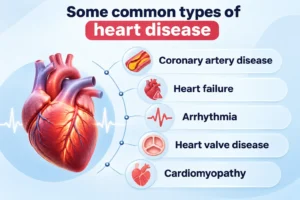
Some common types of heart disease include:
- Coronary artery disease: Narrowing of the arteries that supply blood to the heart due to plaque buildup.
- Heart failure: A condition in which the heart cannot pump blood effectively enough to meet the body’s needs.
- Arrhythmia: An irregular heartbeat that may be too fast, too slow or inconsistent.
- Heart valve disease: Damage or abnormalities in the heart valves that affect blood flow.
- Cardiomyopathy: A disease affecting the heart muscle, making it harder for the heart to pump blood properly.
The symptoms can differ depending on the type of condition, its severity and the individual’s overall health.
Understanding the early signs of heart disease is important because some cardiac conditions may remain unnoticed for a long time. In certain cases, the first noticeable symptom may be a heart attack or another serious complication.
What Are the 10 Early Signs of Heart Disease?
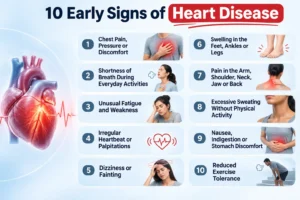
Heart-related symptoms do not look the same in everyone. Some people experience chest discomfort, while others notice breathlessness, unusual fatigue or changes in their heartbeat.
Here are ten warning signs that deserve attention.
1. Chest Pain, Pressure or Discomfort
Chest discomfort is one of the most recognised warning signs of a possible heart problem.
It may feel like pressure, squeezing, heaviness, tightness or burning in the centre or left side of the chest. Some people describe it as something heavy pressing against their chest rather than sharp pain.
This discomfort may occur when the heart muscle does not receive enough oxygen-rich blood. It is commonly associated with angina, which can occur in people with coronary artery disease.
You may notice chest discomfort:
- While walking, climbing stairs or exercising.
- During periods of emotional stress.
- After physical exertion.
- Even while resting, particularly in more serious situations.
Not all chest pain is related to the heart. However, understanding different chest pain causes is important because cardiac pain should never be dismissed without appropriate evaluation.
If chest discomfort is new, persistent, recurrent or accompanied by sweating, nausea or breathlessness, seek immediate medical attention.
2. Shortness of Breath During Everyday Activities
Do you feel breathless while walking a short distance, climbing a few stairs or performing activities that previously felt easy?
Unusual breathlessness can sometimes indicate that the heart is struggling to pump blood efficiently.
When the heart cannot maintain adequate circulation, fluid may accumulate in or around the lungs, making breathing difficult. This can happen in people with heart failure or certain other cardiac conditions.
Some possible shortness of breath causes include:
- Coronary artery disease.
- Heart failure.
- Heart valve disorders.
- Irregular heart rhythms.
- Certain lung conditions and respiratory infections.
- Anaemia.
Breathlessness may initially occur only during physical activity. In some cases, it can gradually become noticeable even while resting or lying down.
Pay attention if you frequently need to stop while walking because of breathing difficulty or wake up at night feeling unable to breathe comfortably.
These changes should be evaluated by a doctor.
3. Unusual Fatigue and Weakness
Feeling tired after a busy day is normal. However, persistent or unexplained fatigue that does not improve with adequate rest may require medical attention.
When the heart is unable to pump blood effectively, muscles and other organs may not receive sufficient oxygen-rich blood. This can contribute to weakness and reduced physical stamina.
You may experience:
- Feeling exhausted after routine activities.
- Reduced ability to exercise or walk.
- Unusual tiredness despite adequate sleep.
- Weakness without an obvious explanation.
- Difficulty completing everyday tasks.
Fatigue alone does not confirm a heart condition. It may also occur due to anaemia, thyroid disorders, sleep problems, infections and other medical conditions.
However, when persistent tiredness occurs alongside other early signs of heart disease, it should not be ignored.
4. Irregular Heartbeat or Palpitations
Have you ever felt that your heart is racing, fluttering, skipping a beat or beating unusually hard?
These sensations are known as palpitations.
Occasional palpitations can occur due to stress, caffeine, dehydration or lack of sleep. However, repeated episodes may sometimes indicate an underlying rhythm disorder.
Common symptoms include:
- A racing or pounding heartbeat.
- A fluttering sensation in the chest.
- A feeling that the heart skips beats.
- An unusually slow heartbeat.
- Dizziness or light-headedness alongside palpitations.
Certain arrhythmias, such as atrial fibrillation, can increase the risk of complications, including stroke.
If palpitations occur frequently or are accompanied by chest pain, breathlessness, fainting or severe dizziness, seek urgent medical evaluation.
5. Dizziness or Fainting
Feeling dizzy occasionally may happen due to dehydration, low blood sugar or standing up too quickly.
However, repeated dizziness or unexplained fainting may sometimes be associated with an underlying cardiac problem.
If the heart beats too slowly, too quickly or irregularly, blood flow to the brain may temporarily decrease.
This can result in:
- Light-headedness.
- Sudden weakness.
- Feeling unsteady while walking.
- Blurred vision.
- Near-fainting or loss of consciousness.
Fainting during physical activity or alongside chest discomfort and palpitations requires urgent evaluation.
Do not assume that recurring dizziness is simply due to weakness or exhaustion.
6. Swelling in the Feet, Ankles or Legs
Persistent swelling in the lower body can sometimes be associated with heart failure.
When the heart cannot pump blood efficiently, blood flow may become congested, causing fluid to accumulate in tissues.
You may notice:
- Swelling around the ankles.
- Puffy feet, particularly towards the evening.
- Tightness around footwear.
- Swelling in the lower legs.
- Sudden weight gain due to fluid retention.
This swelling is medically known as oedema.
Although kidney disease, certain medications, venous problems and other conditions can also cause swelling, persistent or unexplained swelling should be evaluated.
If swelling occurs alongside breathlessness, difficulty lying flat or unusual fatigue, a cardiac assessment may be necessary.
7. Pain in the Arm, Shoulder, Neck, Jaw or Back
Heart-related discomfort does not always remain limited to the chest.
Sometimes, pain or pressure may spread to other areas of the upper body.
You may experience discomfort in:
- One or both arms.
- The left or right shoulder.
- The neck.
- The jaw.
- The upper back.
This type of pain can occur during angina or a heart attack. It is particularly important to recognise these symptoms when they occur with chest pressure, sweating, nausea or shortness of breath.
Some people, particularly women and older adults, may experience less typical combinations of symptoms. Persistent or sudden unexplained upper-body discomfort accompanied by other warning signs requires emergency assessment.
8. Excessive Sweating Without Physical Activity
Sweating after exercise or during hot weather is normal. However, sudden cold sweating without an obvious reason may sometimes accompany a cardiac event.
During a heart attack, the body’s stress response can cause excessive sweating.
You may notice:
- Cold or clammy skin.
- Sudden sweating while resting.
- Sweating alongside chest discomfort.
- Nausea or light-headedness.
- A feeling of unusual weakness.
Cold sweating alone does not establish a heart diagnosis. However, when it occurs with other early signs of heart disease, particularly chest pressure or breathlessness, it should be treated seriously.
9. Nausea, Indigestion or Stomach Discomfort
Not every heart-related symptom feels like a typical cardiac problem.
Some people experience nausea, vomiting, indigestion-like discomfort or pain in the upper abdomen.
These symptoms can sometimes be confused with acidity, gas or digestive problems.
However, during a heart attack, discomfort may also be felt in the stomach or upper abdominal region.
Pay attention when digestive symptoms occur alongside:
- Chest pressure or discomfort.
- Cold sweating.
- Unusual fatigue.
- Breathlessness.
- Pain in the back, shoulder or jaw.
This is particularly important for women, who may experience a broader combination of symptoms during a heart attack.
Do not automatically assume that recurring indigestion-like discomfort is harmless, especially when accompanied by other cardiac warning signs.
10. Reduced Exercise Tolerance
Have you noticed that activities you once performed comfortably now leave you unusually tired or breathless?
A gradual reduction in exercise tolerance can sometimes be associated with an underlying heart condition.
For example, you may find it difficult to:
- Walk your usual distance.
- Climb stairs without stopping.
- Carry groceries.
- Perform routine household activities.
- Exercise at your previous intensity.
This change may occur when the heart is unable to supply enough oxygen-rich blood to meet the body’s increased demands during physical activity.
Although reduced stamina can have several causes, persistent and unexplained changes should be assessed by a healthcare professional.
Are Heart Disease Symptoms Different in Men and Women?
Heart disease affects both men and women, but the symptoms may not always present in the same way.
Chest discomfort remains a common symptom of a heart attack in both sexes. However, women may also experience additional symptoms that are sometimes mistaken for digestive problems, anxiety or general tiredness.
| Symptoms commonly experienced by both | Symptoms that may be more prominent in women |
| Chest pressure or discomfort | Unusual or extreme fatigue |
| Shortness of breath | Nausea or vomiting |
| Pain in the arms or shoulders | Jaw, neck or back discomfort |
| Dizziness | Indigestion-like symptoms |
| Cold sweating | Breathlessness and weakness |
One important reason to understand the early signs of heart disease is that symptoms can be mild, intermittent or different from what people commonly expect.
What Are the Common Risk Factors for Heart Disease?
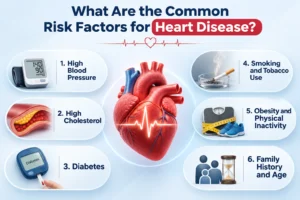
Heart disease can develop due to a combination of genetic, medical and lifestyle-related factors.
Some risk factors cannot be changed, while others can be managed through appropriate healthcare and lifestyle modifications.
1. High Blood Pressure
High blood pressure forces the heart to work harder to circulate blood throughout the body.
Over time, uncontrolled hypertension can damage blood vessels and increase the risk of coronary artery disease, heart failure and stroke.
2. High Cholesterol
Excess LDL cholesterol can contribute to plaque buildup inside the arteries.
This process, known as atherosclerosis, narrows the blood vessels and may reduce blood flow to the heart.
3. Diabetes
People with diabetes have a higher risk of developing cardiovascular disease.
Persistently elevated blood sugar can damage blood vessels and contribute to complications affecting the heart and circulation.
4. Smoking and Tobacco Use
Smoking damages blood vessels, increases blood pressure and contributes to the development of arterial plaque.
Both active smoking and exposure to second-hand smoke can increase cardiovascular risk.
5. Obesity and Physical Inactivity
Excess body weight and a sedentary lifestyle can contribute to high blood pressure, diabetes and unhealthy cholesterol levels.
Regular physical activity, a balanced diet and weight management can help reduce these associated risks.
6. Family History and Age
A family history of premature heart disease may increase an individual’s risk.
The likelihood of developing cardiovascular conditions also generally increases with age.
If you have one or more risk factors, discuss your cardiovascular health with a doctor, even if you do not currently experience symptoms.
What Are the Symptoms of Heart Blockage?
Heart blockage usually refers to narrowing or obstruction of the coronary arteries, which supply oxygen-rich blood to the heart muscle.
This commonly occurs due to the buildup of fatty deposits called plaque.
In the early stages, some people may not experience noticeable symptoms. Others may develop discomfort when the heart needs more oxygen during physical activity.
Common heart blockage symptoms include:
- Chest pressure or tightness during exertion.
- Breathlessness while walking or exercising.
- Pain spreading towards the arm, shoulder, jaw or back.
- Unusual tiredness during routine activities.
- Reduced exercise tolerance.
These symptoms may be associated with angina, but they do not confirm that an artery is blocked.
A person may also have significant coronary artery disease without experiencing obvious warning symptoms.
Therefore, understanding heart blockage symptoms and undergoing appropriate evaluation is particularly important for individuals with diabetes, high blood pressure, high cholesterol or a strong family history of heart disease.
If you experience sudden or persistent chest discomfort, do not wait for a routine appointment. Seek emergency medical care.
What Is the Difference Between Heart Disease Symptoms and Heart Attack Symptoms?
Heart disease and heart attacks are related, but they are not the same.
Heart disease refers to a group of conditions affecting the heart, whereas a heart attack occurs when blood flow to part of the heart muscle becomes severely reduced or blocked.
Some people experience warning symptoms before a heart attack. Others develop symptoms suddenly.
Understanding heart attack symptoms is important because timely treatment can help limit damage to the heart muscle.
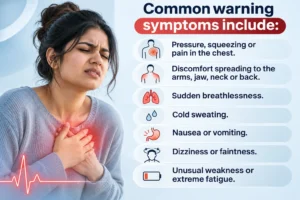
Common warning symptoms include:
- Pressure, squeezing or pain in the chest.
- Discomfort spreading to the arms, jaw, neck or back.
- Sudden breathlessness.
- Cold sweating.
- Nausea or vomiting.
- Dizziness or faintness.
- Unusual weakness or extreme fatigue.
Some heart attacks begin with mild discomfort that comes and goes. Others develop suddenly with severe symptoms.
Never wait for chest pain to become unbearable before seeking medical help.
If you suspect a heart attack, call 112 in India or your local emergency number immediately. Do not drive yourself to the hospital. Emergency medical professionals can begin assessment and arrange appropriate care during transport.
How Is Heart Disease Diagnosed?
If you experience symptoms or have multiple cardiovascular risk factors, your doctor may recommend certain investigations to understand how your heart is functioning.
The tests depend on your medical history, symptoms, physical examination and suspected condition.
1. Electrocardiogram (ECG)
An ECG records the electrical activity of the heart.
It helps identify certain rhythm abnormalities and electrical changes that may suggest a heart attack or other cardiac conditions.
2. Echocardiography (2D Echo)
An echocardiogram uses ultrasound waves to create images of the heart.
It helps assess:
- Heart muscle movement.
- Pumping function.
- Heart chamber size.
- Valve structure and function.
- Certain structural abnormalities.
3. Treadmill Test (TMT)
A treadmill test monitors the heart’s electrical activity, heart rate and blood pressure during controlled physical exercise.
It may help evaluate symptoms that occur during exertion and assess suspected coronary artery disease in selected patients.
4. Blood Tests
Doctors may recommend blood investigations to assess cardiovascular risk and identify possible heart muscle injury.
These may include:
- Lipid profile.
- Blood glucose or HbA1c.
- Cardiac troponin when a heart attack is suspected.
- Kidney function tests.
- Other investigations based on clinical findings.
5. CT Coronary Angiography
CT coronary angiography uses specialised imaging to examine the coronary arteries.
It can help identify plaque buildup and narrowing in the blood vessels supplying the heart.
6. Coronary Angiography
In selected patients, coronary angiography may be recommended to examine the coronary arteries in detail.
A contrast dye is introduced through a catheter, and X-ray imaging helps identify areas of narrowing or blockage.
The doctor decides which investigation is appropriate based on the patient’s condition. Not everyone requires every test.
How Can You Reduce Your Risk of Heart Disease?
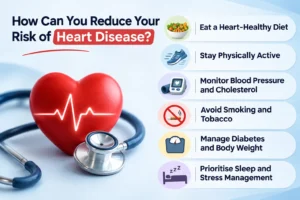
Although some risk factors cannot be changed, several lifestyle measures can help improve cardiovascular health.
The aim is to maintain healthy blood pressure, cholesterol and blood sugar levels while supporting the heart through regular physical activity and balanced nutrition.
Here are some practical steps:
Eat a Heart-Healthy Diet
Include vegetables, fruits, whole grains, pulses, nuts and other nutrient-rich foods in your daily meals. Limit excessive salt, added sugar, trans fats and highly processed foods.
Stay Physically Active
Aim for regular physical activity according to your health and fitness level. Adults are generally advised to undertake at least 150 minutes of moderate-intensity aerobic activity each week, along with muscle-strengthening activities on two or more days, when medically appropriate.
Monitor Blood Pressure and Cholesterol
High blood pressure and unhealthy cholesterol levels may not produce noticeable symptoms. Regular monitoring can help identify these problems early and support timely management.
Avoid Smoking and Tobacco
Quitting smoking is one of the important steps towards improving cardiovascular health. Avoid exposure to second-hand smoke wherever possible.
Manage Diabetes and Body Weight
If you have diabetes, follow your prescribed treatment plan and monitor blood sugar levels. Maintaining a healthy body weight can also help manage several cardiovascular risk factors.
Prioritise Sleep and Stress Management
Maintain a consistent sleep schedule and find healthy ways to manage everyday stress. Persistent sleep problems and chronic stress deserve attention as part of an overall approach to cardiovascular health.
When Should You Consult a Heart Specialist?
Not every episode of chest discomfort or breathlessness indicates heart disease. However, persistent, unexplained or recurring symptoms should not be ignored.
You should arrange a medical consultation if you experience:
- Repeated chest discomfort during physical activity.
- Breathlessness during routine activities.
- Frequent palpitations.
- Unexplained fatigue.
- Recurrent dizziness.
- Swelling in your feet or ankles.
- A noticeable decline in your exercise capacity.
If you have diabetes, hypertension, high cholesterol or a family history of heart disease, regular cardiovascular assessment may be beneficial even when you feel healthy.
A consultation with a General Physician in Noida can help with an initial assessment of your symptoms, medical history and risk factors. Depending on the findings, you may be referred to a cardiologist for specialised evaluation.
If you are looking for a Heart Specialist in Noida, choose a qualified cardiologist who can assess your condition and recommend appropriate investigations or treatment.
For suspected heart attacks or other acute cardiac emergencies, do not wait for a scheduled consultation. Seek immediate emergency care.
Frequently Asked Questions (FAQs)
1. What are the first warning signs of heart disease?
Some common warning signs include chest discomfort, unusual fatigue, breathlessness, palpitations, dizziness and swelling in the feet or ankles. However, some heart conditions may not cause noticeable symptoms in their early stages.
2. Can heart disease develop without chest pain?
Yes. Some people with heart disease do not experience chest pain. They may notice breathlessness, unusual tiredness, dizziness, palpitations or other symptoms. In certain cases, heart disease may remain silent until a serious cardiac event occurs.
3. Can a person have heart blockage without symptoms?
Yes. Coronary artery disease can develop without obvious symptoms, particularly during its early stages. Some individuals may first discover the condition during a medical investigation or after experiencing a cardiac event.
4. What is the difference between acidity and heart-related chest pain?
Acidity may cause a burning sensation in the chest or upper abdomen, often associated with meals. Heart-related discomfort may feel like pressure, heaviness, squeezing or tightness and may spread to the arms, jaw or back.
However, symptoms can overlap. It is not always possible to distinguish the two based on how the discomfort feels. New or unexplained chest discomfort should be medically assessed, and suspected heart attack symptoms require emergency attention.
5. Can heart disease affect young adults?
Yes. Although cardiovascular risk generally increases with age, younger adults can also develop heart disease. Genetic conditions, smoking, diabetes, hypertension, unhealthy cholesterol levels and certain lifestyle factors may contribute.
6. Which test can detect heart problems early?
There is no single test that detects every type of heart disease. Depending on symptoms and risk factors, doctors may recommend an ECG, echocardiogram, blood tests, TMT, CT coronary angiography or other investigations.
The choice of test depends on the suspected condition and clinical assessment.
7. When should I visit a cardiologist?
Consult a cardiologist if you experience recurring chest discomfort, unexplained breathlessness, irregular heartbeats, dizziness or reduced exercise tolerance. People with significant cardiovascular risk factors may also benefit from an individualised assessment.
If you suspect a heart attack, seek emergency care immediately rather than waiting for a cardiology appointment.
Conclusion
Heart disease does not always announce itself through dramatic symptoms. Sometimes, it begins with small changes that are easy to overlook, such as unusual tiredness, breathlessness, occasional chest discomfort or an irregular heartbeat.
Recognising the early signs of heart disease and understanding when to seek medical attention can help identify potential problems before they lead to serious complications.
Do not ignore recurring symptoms or assume that they are simply caused by stress, acidity or ageing. Regular health assessments, appropriate investigations and timely medical care play an important role in maintaining cardiovascular health.
At Rama Hospital, Noida, patients can seek medical guidance for concerns related to heart health and general medical conditions. If you are experiencing possible cardiac symptoms, consult a qualified healthcare professional for an appropriate evaluation.
Your heart works for you every day. Give it the attention it deserves.