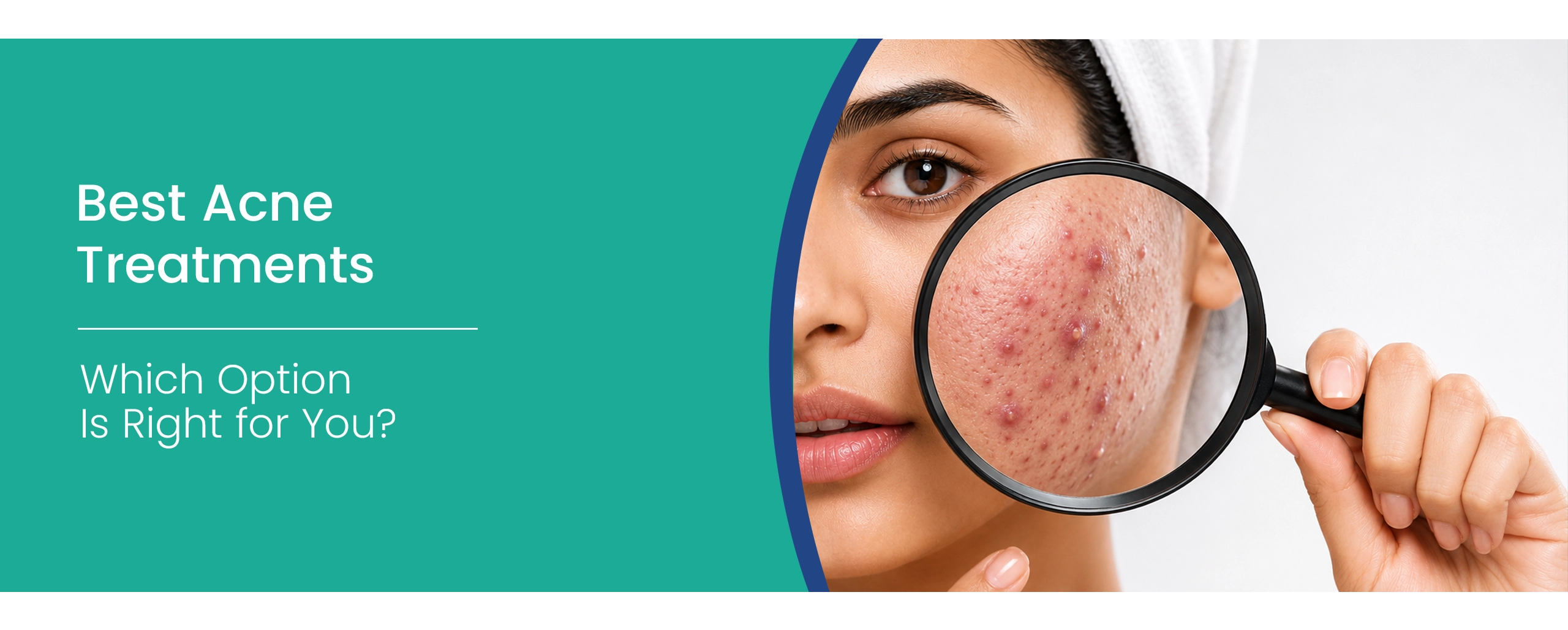
Acne is one of the most common skin conditions, affecting teenagers and adults alike. While it is not usually a serious health concern, persistent breakouts can impact confidence and leave behind permanent scars if left untreated. With countless products and procedures available today, choosing the right acne treatment can feel confusing.
The best results come from understanding your skin type, the severity of your acne, and selecting a treatment plan that addresses the root cause rather than just the symptoms. Whether you’re looking for an effective pimple treatment, advanced acne scar treatment, or professional acne treatment by dermatologist, this guide will help you understand the available options.
Understanding Acne Treatment Options
There is no one-size-fits-all acne treatment because every person’s skin is different. Some people experience occasional pimples, while others struggle with painful cystic acne or long-term scarring.
The right acne treatment options generally fall into three categories:
- At-home skincare products
- Medical or prescription therapies
- Advanced in-clinic procedures
The most effective approach to how to treat acne often combines multiple treatments under the supervision of a dermatologist.
Acne Medication and Prescription Treatments
For moderate to severe acne, over-the-counter products may not provide sufficient improvement. In such cases, doctors recommend acne medication that targets excess oil production, bacteria, clogged pores, and inflammation.
Common treatment options include:
- Topical retinoids
- Benzoyl peroxide
- Salicylic acid
- Topical or oral antibiotics
For persistent or severe acne, your dermatologist may prescribe prescription acne treatment, such as:
- Oral antibiotics
- Hormonal medications
- Oral isotretinoin
Choosing the correct prescription acne treatment requires professional evaluation because improper use can lead to skin irritation, antibiotic resistance, or unwanted side effects. This is why acne treatment by dermatologist supervision is strongly recommended.
Pimple Treatment for Everyday Breakouts
Not every breakout requires prescription medication. Mild acne, blackheads, and whiteheads usually respond well to a consistent skincare routine.
An effective pimple treatment typically includes:
- Gentle cleansing twice daily
- Salicylic acid-based cleansers
- Benzoyl peroxide spot treatments
- Non-comedogenic moisturizers
- Daily sunscreen
For individuals dealing with recurring breakouts, a combined treatment for pimples and acne that includes proper skincare, healthy eating habits, stress management, and adequate sleep often provides better long-term results.
Chemical Peel and Laser Acne Treatment
When topical products stop showing improvement, professional procedures can significantly enhance treatment outcomes.
Chemical Peel for Acne
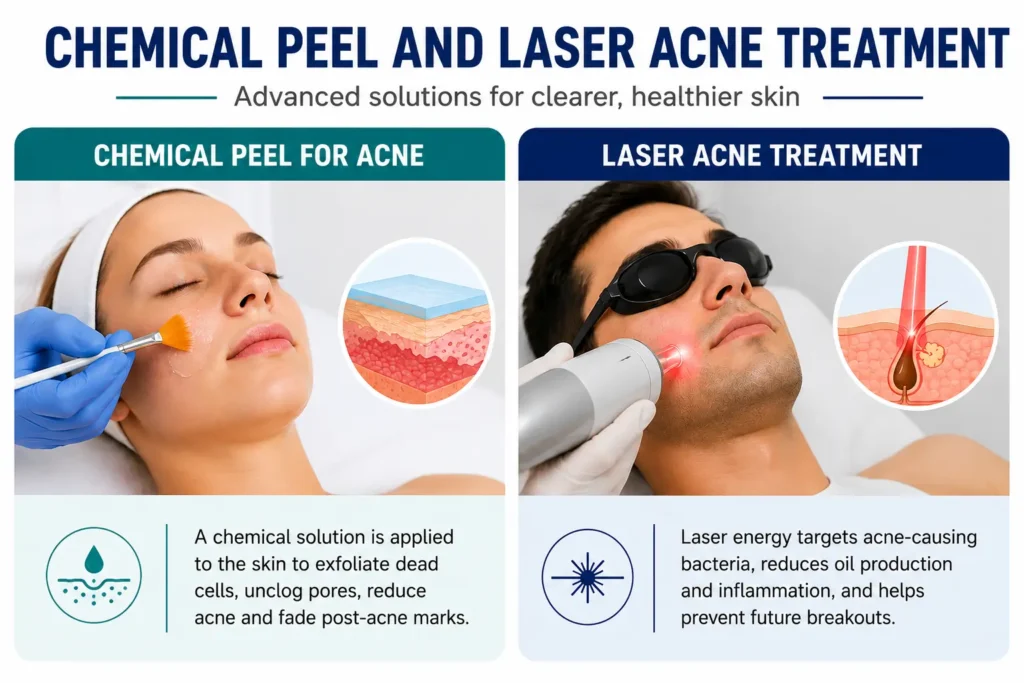
A chemical peel for acne is a dermatologist-performed treatment that uses a specially formulated chemical solution to gently exfoliate the outer layers of the skin. This process removes dead skin cells, unclogs pores, controls excess oil, and reduces the buildup of acne-causing bacteria.
In addition to treating active breakouts, chemical peels help reduce inflammation, improve skin texture, and promote the growth of healthier, smoother skin. They are also effective in fading post-acne pigmentation, acne marks, and mild acne scars over time. With a series of treatments and a proper skincare routine, many people notice clearer, brighter, and more even-toned skin. The type and strength of the peel are carefully selected by a dermatologist based on your skin type and the severity of your acne for safe and effective results.
Laser Acne Treatment
For deeper or stubborn acne, laser acne treatment targets acne-causing bacteria and reduces excessive oil production by acting on the sebaceous glands.
Benefits include:
- Reduced active acne
- Fewer future breakouts
- Improved skin texture
- Reduced acne scars
- Faster skin healing
Many patients inquire about acne laser treatment cost before beginning therapy. The cost depends on factors such as:
- Type of laser technology
- Number of treatment sessions
- Severity of acne
- Clinic location
A consultation with a dermatologist provides the most accurate treatment plan and pricing.
Microneedling and Acne Scar Treatment
Even after acne clears, the scars it leaves behind can remain for years if not treated properly. These scars can affect skin texture, leave uneven marks, and impact self-confidence. While creams and home remedies may help with active acne, they often do little to improve deep acne scars.
Microneedling is a minimally invasive treatment that stimulates the skin’s natural healing process. By creating tiny micro-injuries in the skin, it boosts collagen and elastin production, helping to smooth acne scars and improve overall skin texture over time.
With multiple sessions, many people notice firmer, smoother, and more even-looking skin. When performed by a qualified dermatologist, microneedling can be an effective option for reducing acne scars and restoring healthier-looking skin.
Modern acne scar treatment options include:
- Topical retinoids
- Chemical peels
- Laser resurfacing
- Dermal fillers
- Subcision
- Microneedling for acne scars
Among these, microneedling for acne scars is one of the most popular procedures. Tiny sterile needles create controlled micro-injuries that stimulate collagen production, helping improve skin texture and reduce acne scars naturally over time.
People seeking acne scars treatment at home may benefit from:
- Vitamin C serums
- Silicone gels
- Gentle chemical exfoliation
- Sunscreen
- Retinoid creams (under guidance)
Although acne scars treatment at home may improve mild scars, professional procedures usually provide better and faster results for moderate to severe scarring.
Acne Removal Treatment for Oily and Sensitive Skin
Different skin types need different acne treatments. A treatment that works well for one person may not be suitable for another. That’s why dermatologists first evaluate your skin type, the severity of acne, and the underlying cause before recommending the right treatment plan.
For individuals with oily skin, acne treatment for oily skin focuses on controlling excess sebum (oil) production while maintaining the skin’s natural protective barrier. Excess oil can clog pores, trap bacteria, and trigger frequent breakouts, making proper oil control essential.
Recommended ingredients include:
- Niacinamide
- Salicylic acid
- Clay-based masks
- Oil-free moisturizers
For stubborn acne, professional acne removal treatment options may include:
- Comedone extraction
- Light therapy
- Chemical peels
- Laser treatment
A qualified skin specialist for acne can recommend treatments suited to your skin without causing excessive dryness or irritation.
Hormonal Acne Treatment and Natural Remedies
Hormonal changes are among the leading causes of adult acne, particularly along the jawline and chin.
Depending on the underlying cause, hormonal acne treatment may involve:
- Birth control pills
- Anti-androgen medications
- Spironolactone
- Lifestyle modifications
Many people also explore hormonal acne natural treatment approaches to support medical care. These may include:
- Zinc supplements
- Anti-inflammatory diets
- Omega-3 fatty acids
- Seed cycling
- Stress reduction
Similarly, natural remedies for acne such as:
- Tea tree oil
- Aloe vera
- Green tea extract
may help soothe mild acne due to their antibacterial and anti-inflammatory properties. However, they should not replace medical treatment for moderate to severe acne.
Teenage Acne and Puberty-Related Breakouts
Teenage acne is extremely common because hormonal changes during puberty stimulate the oil glands.
Some of the most common concerns include:
- Teenage acne forehead caused by excess oil and hair products
- Teenager back acne caused by sweating, friction from clothing, and clogged pores
Understanding why acne and pimples occur during adolescence helps teenagers develop realistic expectations. With proper skincare and timely treatment, puberty acne can usually be managed successfully while reducing the risk of permanent scarring.
Building an Effective Acne Skincare Routine
Consistency is the foundation of successful acne management.
A good acne skincare routine should include:
Morning
- Gentle cleanser
- Acne treatment product (if recommended)
- Lightweight moisturizer
- Broad-spectrum sunscreen (SPF 30 or higher)
Night
- Gentle cleanser
- Treatment product (Retinoid, Salicylic Acid, or Benzoyl Peroxide)
- Moisturizer
A preventive acne skincare routine not only treats existing acne but also supports acne prevention, minimizes future breakouts, and promotes long-term clear skin treatment results.
Choosing a Dermatologist or Acne Treatment Clinic
Professional care often leads to quicker and more effective results.
A qualified dermatologist for acne can determine whether your acne is caused by hormones, bacteria, genetics, medications, or lifestyle factors and create a personalized treatment plan.
Visiting a dedicated acne treatment clinic also provides access to advanced technologies such as:
- Prescription medications
- Chemical peels
- Laser therapy
- Microneedling
- Scar revision procedures
Before beginning treatment, it is also helpful to understand acne treatment price expectations. Costs vary depending on the type of treatment, the number of sessions required, and the clinic’s expertise.
When searching for the best hospital for acne treatment or the best dermatology hospital for acne treatment, consider:
- Board-certified dermatologists
- Modern treatment technologies
- Before-and-after patient results
- Positive patient reviews
- Transparent treatment plans and pricing
A reputable clinic focuses on long-term skin health rather than offering a one-size-fits-all solution.
When Should You See a Dermatologist?
You should consult a dermatologist if:
- Acne persists despite home treatment.
- You have painful cystic acne.
- Acne is leaving scars or dark spots.
- Breakouts are affecting your confidence or quality of life.
- You suspect hormonal acne.
- Over-the-counter products are no longer effective.
Early intervention can prevent permanent scarring and improve treatment outcomes.
Conclusion
Clear skin is achieved through the right combination of acne treatment, consistency, and professional guidance. While mild acne often improves with a regular skincare routine and appropriate pimple treatment, moderate to severe acne may require prescription medications or advanced procedures such as chemical peels, laser therapy, or microneedling. If you’re struggling with persistent breakouts, acne scars, or hormonal acne, seek expert care at the Best Skin Care Hospital. Choosing the best hospital for skin diseases ensures access to experienced dermatologists, advanced treatment technologies, and personalized care that helps achieve healthier, clearer skin while preventing future breakouts and long-term scarring.