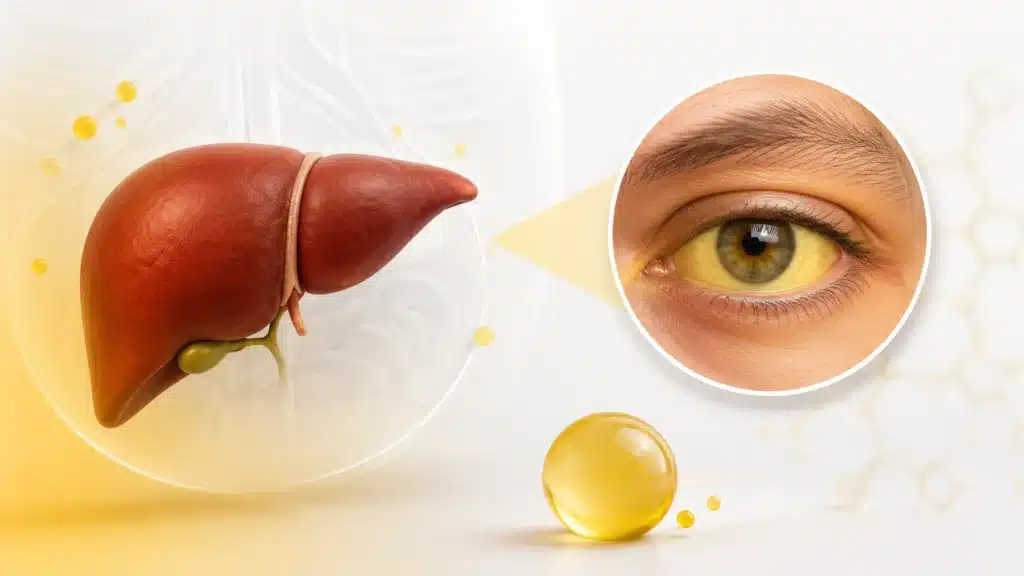
Jaundice is a condition in which the skin, eyes, and sometimes the inner lining of the mouth turn yellow. This yellow color happens because of a buildup of a substance called bilirubin in the blood. Bilirubin is produced when old red blood cells break down. Normally, the liver processes bilirubin and removes it from the body through bile and stool. When this process is disturbed, bilirubin levels rise and jaundice appears.
Jaundice is not a disease by itself. It is a sign that something is affecting the liver, bile ducts, blood, or related systems. It can happen in newborns, children, and adults. In some cases, jaundice is mild and temporary. In others, it may point to a serious liver problem, bile duct blockage, infection, or blood disorder. Because of this, every case needs proper medical evaluation.
What is Jaundice?
Jaundice is the yellow discoloration of the skin, eyes, and mucous membranes due to high levels of bilirubin in the blood. Bilirubin is a yellow pigment formed when red blood cells break down. The liver normally takes up bilirubin, processes it, and sends it into bile, which then goes into the intestine and leaves the body in stool.
When any part of this process is disturbed, bilirubin can build up in the blood and deposit in tissues. This causes the typical yellow color. The intensity of yellow can vary from mild to deep, depending on the bilirubin level and how long it has been elevated.
Jaundice can be the first sign of liver disease, bile duct problems, blood disorders, infection, or reaction to medicines. It may appear suddenly or develop slowly. In some people, it is painless. In others, it comes with fever, abdominal pain, dark urine, pale stools, itching, or weakness.
Different Types of Jaundice
Jaundice can be classified based on where the problem occurs in the body.
Pre-hepatic jaundice
- Happens before bilirubin reaches the liver.
- Caused by excessive breakdown of red blood cells.
- The liver is normal but cannot handle the large bilirubin load.
- Common in hemolytic anemia and some blood disorders.
- Urine is usually normal in color.
- Stool color may be normal or darker.
Hepatic jaundice
- Happens due to liver cell damage or disease.
- The liver cannot process bilirubin properly.
- Common in hepatitis, fatty liver, alcoholic liver disease, drug-induced liver injury, and cirrhosis.
- Urine may become dark.
- Stool may become pale.
- Other liver-related symptoms may be present.
Post-hepatic jaundice
- Happens due to blockage of bile flow after the liver.
- Bilirubin cannot reach the intestine and builds up in the blood.
- Common in gallstones, bile duct strictures, tumors, or pancreas problems.
- Urine is often very dark.
- Stool is pale or clay-colored.
- Itching may be prominent.
Newborn jaundice
- Very common in the first few days of life.
- Caused by immature liver function and higher red cell turnover.
- Usually mild and resolves on its own.
- Severe cases may need treatment to prevent complications.
Causes of Jaundice
This has many possible causes. The cause depends on age, medical history, symptoms, and test results.
Common causes in adults
- Viral hepatitis such as hepatitis A, B, C, D, or E.
- Alcoholic liver disease.
- Fatty liver disease.
- Drug-induced liver injury from medicines or herbal supplements.
- Gallstones blocking the bile duct.
- Bile duct strictures or inflammation.
- Tumors of the liver, bile duct, gallbladder, or pancreas.
- Cirrhosis or advanced liver scarring.
- Autoimmune liver diseases.
- Infections affecting the liver.
- Blood disorders causing increased red cell breakdown.
- Heart failure affecting liver blood flow.
- Severe infections or sepsis.
Common causes in children
- Viral hepatitis.
- Congenital or inherited liver conditions.
- Bile duct abnormalities.
- Blood disorders.
- Infections.
- Metabolic disorders.
Common causes in newborns
- Physiological jaundice due to immature liver.
- Breastfeeding jaundice.
- Blood group incompatibility between mother and baby.
- Infection.
- G6PD deficiency or other enzyme problems.
- Structural bile duct problems in rare cases.
Risk Factors for Jaundice
Some people are more likely to develop than others.
- People with a history of liver disease.
- People who drink alcohol regularly or heavily.
- Individuals with obesity or fatty liver.
- People with diabetes or high cholesterol.
- Those taking multiple medicines or herbal supplements.
- People with gallstones or previous gallbladder problems.
- Individuals with a family history of liver or blood disorders.
- Newborns, especially if born prematurely.
- People with poor sanitation or unsafe water exposure.
- Healthcare workers or those with high infection exposure risk.
Why risk increases in these groups?
- Liver is already under stress in chronic disease.
- Alcohol directly damages liver cells.
- Obesity and diabetes increase fatty liver risk.
- Some medicines can injure the liver.
- Gallstones can block bile flow.
- Newborn livers are immature and handle bilirubin less efficiently.
- Infections spread more easily in poor sanitation conditions.
Symptoms of Jaundice
Symptoms depend on the cause and severity of jaundice.
- Yellow color of the eyes and skin.
- Dark urine.
- Pale or clay-colored stools.
- Itching all over the body.
- Fatigue and weakness.
- Loss of appetite.
- Nausea or vomiting.
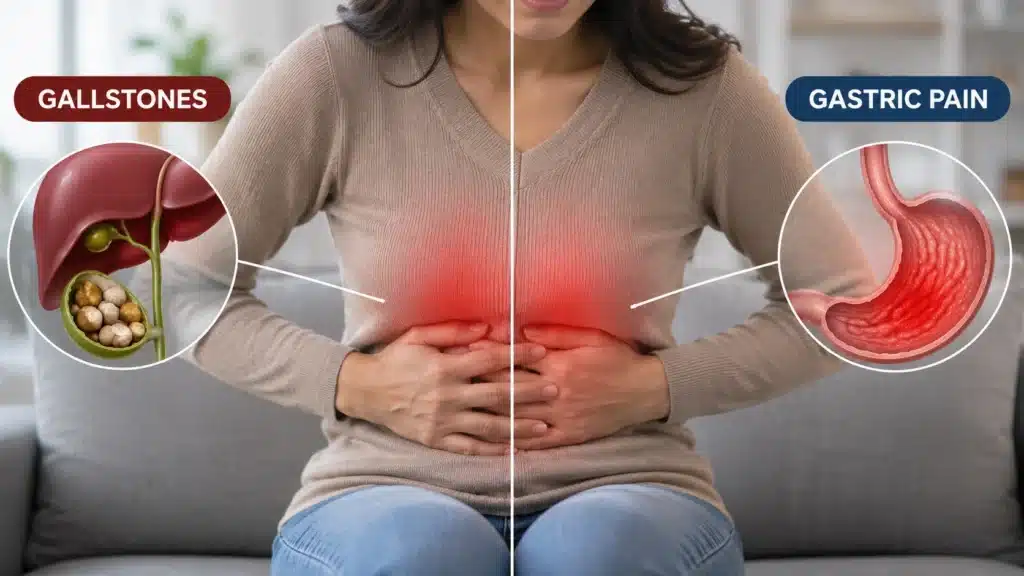
- Abdominal pain, especially in the upper right side.
- Fever in case of infection.
- Weight loss in chronic or serious disease.
- Swelling of legs or abdomen in advanced liver disease.
- Confusion or sleepiness in severe liver failure.
Symptoms in newborns
- Yellow color starting from the face and moving downward.
- Poor feeding.
- Excessive sleepiness.
- High-pitched crying in severe cases.
- Arching of the body in very high bilirubin levels.
Emergency warning signs
- Severe abdominal pain with fever and jaundice.
- Confusion, extreme sleepiness, or altered behavior.
- Bleeding from gums, nose, or in stools.
- Vomiting blood or black stools.
- Severe weakness or fainting.
- Very dark urine with pale stools and intense itching.
- Rapidly increasing yellow color in a newborn.
Jaundice in Newborns
Newborn jaundice is very common and often harmless, but it needs monitoring.
Why it happens
- Newborns have more red blood cells that break down quickly.
- The liver is immature and processes bilirubin slowly.
- Breastfeeding may affect bilirubin levels in some babies.
- Blood group incompatibility can increase red cell breakdown.
When it is concerning
- This appearing within the first 24 hours of life.
- Very deep yellow color.
- Poor feeding or excessive sleepiness.
- This lasting more than two weeks.
- Associated fever, infection signs, or poor weight gain.
How is Jaundice Diagnosed?
Diagnosis is based on symptoms, physical examination, and tests to find the cause.
- Detailed history of symptoms and duration.
- Review of medicines, alcohol use, and herbal supplements.
- Family history of liver or blood disorders.
- Travel history and exposure to unsafe food or water.
- Physical examination for liver size, tenderness, and signs of chronic liver disease.
- Assessment of yellow color in eyes and skin.
Common tests that may be done
- Liver function tests to measure bilirubin and liver enzymes.
- Complete blood count to check for anemia or infection.
- Blood tests for hepatitis viruses.
- Ultrasound of the abdomen to see liver, gallbladder, and bile ducts.
- CT scan or MRI if needed for detailed imaging.
- Tests for autoimmune or metabolic liver disease in selected cases.
- Stool and urine examination in some situations.
- Additional blood tests for blood disorders if pre-hepatic jaundice is suspected.
Why diagnosis matters: This can be caused by many different conditions. Treatment depends entirely on the underlying cause. Proper diagnosis prevents unnecessary treatment and ensures the right care is given on time.
Treatment for Jaundice
Treatment depends on the cause, severity, and overall health of the patient.
1. Treatment of the underlying cause
- Viral hepatitis may need rest, supportive care, and sometimes antiviral medicines.
- Alcoholic liver disease requires complete alcohol cessation and liver support.
- Fatty liver needs weight management, diet control, and metabolic care.
- Drug-induced liver injury needs stopping the offending medicine.
- Gallstone-related blockage may need endoscopic or surgical removal.
- Tumors or strictures may need surgery, stenting, or oncology care.
- Blood disorders need specific hematology treatment.
2. Supportive care
- Adequate hydration.
- Balanced nutrition.
- Rest and avoidance of alcohol.
- Avoidance of unnecessary medicines or herbal supplements.
- Monitoring of liver function and bilirubin levels.
3. Treatment for newborn jaundice
- Frequent feeding to help bilirubin excretion.
- Monitoring of bilirubin levels.
- Phototherapy under medical supervision if levels are high.
- Rarely, more advanced treatment for severe cases.
4. Management of complications
- Treatment of infection if present.
- Control of bleeding risk in advanced liver disease.
- Management of fluid accumulation in the abdomen or legs.
- Support for confusion or sleep disturbances in severe liver dysfunction.
- Nutritional support for weak or malnourished patients.
Diet Advice for Jaundice
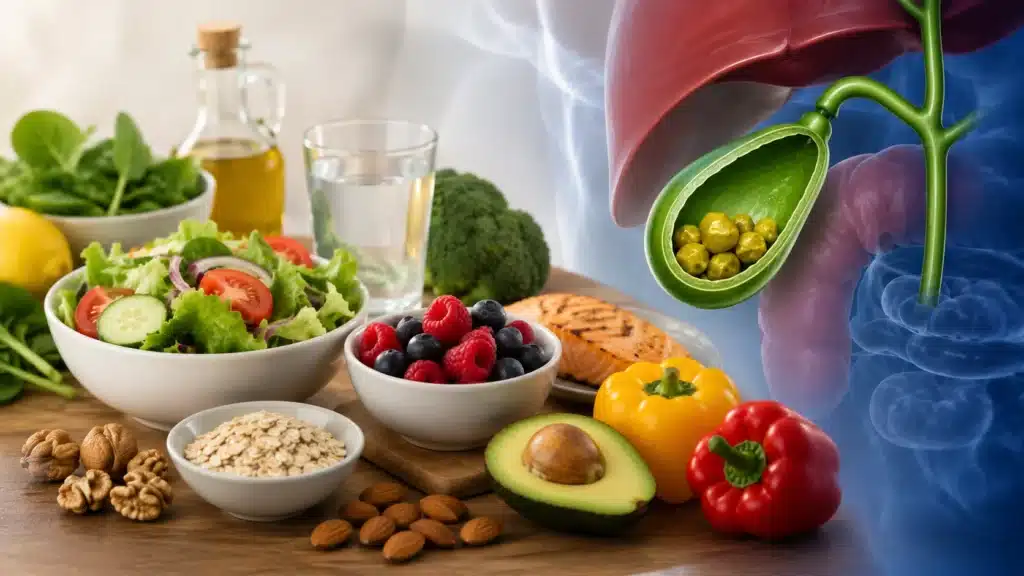
Diet cannot cure it by itself, but it supports liver recovery and overall health.
- Eat small, frequent meals if appetite is low.
- Include adequate protein from pulses, dairy, eggs, fish, or lean meat as suitable.
- Use healthy oils in moderation.
- Eat plenty of cooked vegetables and fruits.
- Drink enough safe fluids unless restricted by a doctor.
- Avoid alcohol completely.
- Avoid raw or undercooked food during active illness.
- Limit very oily, fried, or heavy foods if nausea is present.
- Avoid unnecessary herbal or over-the-counter supplements.
Foods to be careful with
- Alcohol in any form.
- Unverified herbal remedies claiming to cure.
- Very high-fat meals if gallbladder or bile duct issues are present.
- Excess sugar if fatty liver or diabetes is present.
- Street food or unsafe water during active hepatitis.
Lifestyle Measures That Help
Lifestyle changes support liver health and reduce the risk of recurrence.
- Avoid alcohol completely if liver disease is present.
- Maintain a healthy weight.
- Exercise regularly as tolerated.
- Get vaccinated for hepatitis A and B if advised.
- Practice safe food and water habits.
- Avoid sharing needles or unsafe medical procedures.
- Take medicines only under medical advice.
- Keep regular follow-up for liver tests if you have chronic liver disease.
Why lifestyle matters: If the cause of this is related to lifestyle, such as alcohol, obesity, or unsafe exposures, long-term improvement depends on changing those habits. Otherwise, the problem may return or progress.
When Should you See a Doctor?
Medical evaluation is important for any new or unexplained jaundice.
- Yellow eyes or skin.
- Dark urine with pale stools.
- Persistent fatigue and loss of appetite.
- Abdominal pain with fever.
- Itching all over the body.
- Unexplained weight loss.
- History of liver disease or heavy alcohol use.
- In a newborn lasting more than a few days.
Prevention of Jaundice
Not all causes can be prevented, but risk can be reduced.
- Get vaccinated for hepatitis A and B as advised.
- Practice safe food and water habits.
- Avoid alcohol or keep it minimal.
- Maintain a healthy weight and active lifestyle.
- Use medicines only under medical guidance.
- Avoid unnecessary herbal or unverified supplements.
- Practice safe injection and medical procedures.
- Manage diabetes, cholesterol, and blood pressure.
- Seek early care for abdominal pain, fever, or digestive symptoms.
- Ensure proper newborn feeding and follow-up after birth.
For people with liver disease
- Regular follow-up with a liver specialist.
- Strict avoidance of alcohol.
- Careful use of all medicines and supplements.
- Monitoring of liver function tests.
- Early evaluation of any new symptoms.
Why Choose Rama Hospital for Jaundice Treatment?
Jaundice can be caused by many different conditions, from simple infections to serious liver or bile duct disease. A hospital with experienced liver specialists, advanced imaging, and supportive care can make a major difference in diagnosis and outcomes.
- Accurate diagnosis with appropriate blood tests and imaging.
- Expert evaluation by gastroenterology and hepatology specialists.
- Safe management of complications such as infection, bleeding, or fluid accumulation.
- Endoscopic or surgical care for bile duct or gallbladder problems.
- Newborn jaundice monitoring and treatment support.
- Long-term follow-up for chronic liver conditions.
Frequently Asked Questions (FAQs)
Can jaundice spread from person to person?
Jaundice itself does not spread, but some causes like viral hepatitis can be contagious. Hepatitis A and E spread through contaminated food or water. Hepatitis B and C spread through blood or body fluids. Good hygiene and vaccination help reduce risk.
What foods should be avoided in jaundice?
Alcohol should be completely avoided. Very oily, fried, or heavy foods may worsen nausea. Unverified herbal remedies and unnecessary supplements should also be avoided. A balanced, simple diet supports recovery.
How long does jaundice take to improve?
Recovery time depends on the cause. Mild viral hepatitis may improve in a few weeks. Bile duct blockage may improve faster after removal of the blockage. Chronic liver disease may take longer and need ongoing care.
Can jaundice come back after treatment?
Yes, if the underlying cause is not fully treated or if risk factors continue. For example, alcohol-related liver disease can cause recurrent jaundice if drinking continues. Long-term follow-up and lifestyle changes reduce this risk.
Is newborn jaundice dangerous?
Most newborn jaundice is mild and resolves on its own. However, very high bilirubin levels can be harmful if not treated. Regular monitoring and timely phototherapy when needed help prevent complications.
Can jaundice lead to liver failure?
Jaundice can be a sign of serious liver disease that, if untreated, may progress to liver failure. Early diagnosis, treatment of the cause, and proper medical care reduce this risk significantly.
Conclusion
Jaundice is a visible sign that something is affecting the liver, bile ducts, blood, or related systems. It can be mild and temporary or a marker of serious disease. The key to safe management is proper diagnosis, treatment of the underlying cause, and supportive care.
For patients with yellow eyes, dark urine, pale stools, abdominal pain, fever, or unexplained fatigue, medical evaluation should not be delayed. With the right care, many causes of jaundice can be treated effectively and complications can be prevented.
Rama Hospital can help evaluate jaundice, identify the exact cause, and provide a clear treatment plan that supports liver recovery, safe digestion, and long-term health.