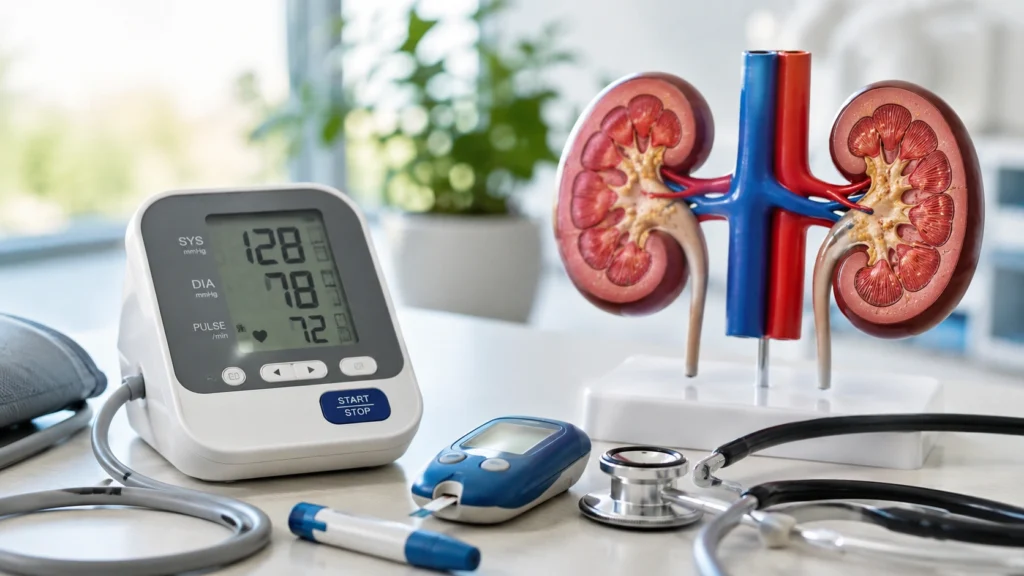

Hepatitis means inflammation of the liver. The liver is one of the body’s most important organs. It helps digest food, stores energy, processes medicines, removes waste products from the blood, produces proteins, and supports the immune system. When the liver becomes inflamed, these functions may be affected.
Hepatitis can happen for several reasons. Viral infections are among the most common causes. Hepatitis A, hepatitis B, and hepatitis C are caused by different viruses and spread in different ways. Hepatitis A usually causes a short-term infection, while hepatitis B and hepatitis C can sometimes become chronic and gradually damage the liver. Another form, called autoimmune hepatitis, occurs when the immune system mistakenly attacks the liver.
Some people with hepatitis have no symptoms. Others may experience tiredness, nausea, loss of appetite, abdominal discomfort, dark urine, pale stools, fever, joint pain, or yellowing of the eyes and skin. Since symptoms can be mild or absent in the early stages, testing is often important, especially for people with risk factors.
Hepatitis is inflammation or irritation of the liver. It may be temporary and resolve within weeks, or it may continue for months or years and cause progressive liver damage.
The word “hepatitis” describes inflammation, not one specific disease. The cause may be:
Acute and chronic hepatitis
Hepatitis can be described as acute or chronic.
Hepatitis A is a viral infection caused by the hepatitis A virus. It usually spreads through contaminated food or water, or close contact with an infected person.
It generally causes an acute illness. Most people recover completely and develop long-term immunity after infection. Hepatitis A does not usually cause chronic liver disease, but it can occasionally cause severe liver inflammation, particularly in older adults or people who already have liver disease.
Hepatitis B is caused by the hepatitis B virus. It spreads through infected blood and body fluids. It can be transmitted through sexual contact, sharing needles or other injecting equipment, contaminated medical or tattoo equipment, and from an infected mother to her baby during childbirth.
Hepatitis B may be acute or chronic. Some people clear the virus naturally after an acute infection. Others develop chronic hepatitis B, which may require regular monitoring and antiviral treatment.
Hepatitis C is caused by the hepatitis C virus. It is mainly spread through contact with infected blood. Sharing needles, syringes, or other injection equipment is a major risk. It may also spread through unsafe medical procedures, inadequately sterilised tattoo or piercing equipment, or blood transfusion when blood screening is not adequate.
Hepatitis C often causes few or no symptoms in the beginning. However, untreated chronic infection can lead to fibrosis, cirrhosis, liver failure, and liver cancer. Modern direct-acting antiviral medicines can cure most people with hepatitis C.
Autoimmune hepatitis is not caused by a virus and is not contagious. It occurs when the immune system mistakenly attacks liver cells, causing ongoing inflammation and damage.
It can affect people of any age but is more common in women and may occur along with other autoimmune conditions. Without treatment, autoimmune hepatitis can progress to fibrosis, cirrhosis, or liver failure. It is usually treated with corticosteroids and other immune-suppressing medicines.
Differences Between Hepatitis A, B, C and Autoimmune Hepatitis
The four conditions differ in their causes, transmission, duration, treatment, and prevention.
Causes of hepatitis A
Hepatitis A commonly develops after consuming the virus through contaminated food or water.
Possible sources include:
Causes of hepatitis B
Hepatitis B spreads when infected blood or body fluids enter another person’s body.
Possible routes include:
Causes of hepatitis C
Hepatitis C is mainly transmitted through infected blood.
Common routes include:
Causes of autoimmune hepatitis
The exact cause of autoimmune hepatitis is not fully understood. It is thought to involve a combination of:
Risk factors for hepatitis A
Risk factors for hepatitis B
Risk factors for hepatitis C
Symptoms vary according to the type of hepatitis, the stage of disease, and the condition of the liver.
Common symptoms
Symptoms of acute hepatitis
Acute hepatitis may cause:
Some people have a mild illness and recover without knowing the exact cause. Others may develop severe inflammation and require hospital care.
Symptoms of chronic hepatitis
Chronic hepatitis may cause no symptoms for many years. When symptoms occur, they may include:
Because chronic hepatitis may be silent, people with risk factors should discuss screening with a doctor even if they feel healthy.
Symptoms of autoimmune hepatitis
Autoimmune hepatitis can present in different ways.
Jaundice and Other Warning Signs
Jaundice causes the skin and whites of the eyes to turn yellow. It happens when bilirubin builds up in the blood because the liver is inflamed or cannot process bile normally.
Jaundice may occur with:
Hepatitis is diagnosed using a combination of medical history, physical examination, blood tests, and sometimes imaging or liver biopsy.
A doctor may ask about:
Physical examination
The doctor may check for:
Liver function tests
Blood tests may include:
Tests for hepatitis A
Testing may include:
A positive acute antibody test should be interpreted by a doctor along with symptoms and liver test results.
Tests for hepatitis B
Hepatitis B testing may include:
Different combinations of hepatitis B markers help determine whether a person is currently infected, has recovered, is immune after vaccination, or has chronic infection.
Tests for hepatitis C
Testing commonly begins with:
A positive hepatitis C antibody test does not always mean active infection. It may indicate a previous infection that has cleared or been cured. An RNA test is needed to confirm whether the virus is currently present.
Tests for autoimmune hepatitis
Diagnosis may involve:
There is usually no specific antiviral medicine for hepatitis A. Treatment focuses on supportive care while the body clears the infection.
Supportive treatment may include:
People with hepatitis A should discuss all medicines, supplements, and herbal products with a doctor before taking them.
Preventing spread at home
Treatment depends on whether the infection is acute or chronic.
Acute hepatitis B
Most adults with mild acute hepatitis B receive supportive care.
There is generally no routine specific antiviral treatment for uncomplicated acute hepatitis B. Severe acute hepatitis or liver failure requires urgent specialist and hospital care.
Chronic hepatitis B
Chronic hepatitis B requires regular monitoring. Not every patient needs immediate antiviral medicine, but every patient should be evaluated by a liver specialist or qualified physician.
Management may include:
Common long-term antiviral medicines include tenofovir and entecavir. The choice depends on kidney function, pregnancy status, previous treatment, viral activity, liver damage, and other health factors. WHO identifies tenofovir and entecavir as effective long-term treatments for eligible people with chronic hepatitis B.
Antiviral medicines can suppress the virus and reduce the risk of liver damage, but they may not eliminate the virus completely in every patient. Some people need long-term or lifelong treatment and monitoring.
Hepatitis C can usually be cured with direct-acting antiviral medicines. These medicines are taken orally and directly target the virus.
Hepatitis C treatment may include:
Modern hepatitis C treatment has transformed care because many patients can achieve a sustained virological response, meaning the virus is no longer detected after treatment is completed and the appropriate follow-up period has passed. WHO describes direct-acting antiviral treatment as a short-course treatment that has revolutionised hepatitis C care.
Important points about hepatitis C treatment
Autoimmune hepatitis is treated by reducing the immune system’s attack on the liver.
Common treatment approaches
There is no single “hepatitis diet,” but a balanced and liver-friendly lifestyle can support recovery.
Helpful dietary habits
Alcohol and hepatitis: Alcohol can increase liver inflammation and accelerate liver damage, particularly in people with hepatitis B, hepatitis C, autoimmune hepatitis, or cirrhosis. The safest approach for patients with active liver disease is to avoid alcohol and discuss any uncertainty with a doctor.
Untreated or poorly controlled hepatitis can cause complications over time.
General complications
You should arrange a medical appointment if you have:
Hepatitis requires more than a single blood test or short-term medicine. Proper care involves identifying the cause, assessing liver damage, choosing the right treatment, monitoring the response, and preventing future complications.
Hepatitis C can usually be cured with modern oral antiviral medicines. Hepatitis A generally resolves with supportive care, while hepatitis B can often be controlled with long-term treatment. Autoimmune hepatitis can usually be managed, although many patients need ongoing medication.
No. Jaundice can also result from gallstones, other liver diseases, blood disorders, or blockage of bile flow. However, new jaundice should always be medically evaluated to identify the cause.
Yes, many people with hepatitis B live healthy and active lives with appropriate monitoring and treatment. Regular follow-up is important because chronic hepatitis B may remain silent while affecting the liver.
Autoimmune hepatitis is not contagious, so it cannot spread through contact. Family members may have a higher tendency toward autoimmune conditions, but they do not “catch” autoimmune hepatitis from the patient.
Most patients can eat a balanced, normal diet unless a doctor recommends specific changes. Fresh food, adequate protein, vegetables, fruits, and sufficient fluids are generally helpful. Alcohol and unverified supplements should be avoided.
Chronic hepatitis B and hepatitis C can increase the risk of liver cancer, especially when cirrhosis is present. Regular monitoring and effective treatment can reduce complications and help detect cancer early.
Yes. Hepatitis B, hepatitis C, and autoimmune hepatitis may remain silent for years. Screening and blood tests are important for people with risk factors or unexplained abnormal liver function tests.
Hepatitis is a broad term for inflammation of the liver, but hepatitis A, B, C, and autoimmune hepatitis are different conditions with different causes and treatments. Hepatitis A is usually an acute infection spread through contaminated food or water. Hepatitis B can become chronic and spreads through blood and body fluids. Hepatitis C is mainly blood-borne and can often be cured with oral antiviral medicines. Autoimmune hepatitis is not contagious and occurs when the immune system attacks the liver.
Many people do not have symptoms in the early stages. This makes screening, accurate blood testing, and medical follow-up especially important for people with risk factors. Symptoms such as jaundice, dark urine, persistent fatigue, abdominal discomfort, nausea, pale stools, or unexplained abnormal liver tests should not be ignored.
With early diagnosis and appropriate treatment, many hepatitis-related complications can be prevented. Vaccination can protect against hepatitis A and B, while safe practices can reduce the risk of hepatitis C. Chronic hepatitis B can be monitored and controlled, hepatitis C can often be cured, and autoimmune hepatitis can usually be managed with long-term specialist care.


Autoimmune hepatitis is a rare autoimmune disease that causes inflammation in your liver. Without treatment, it can lead to serious health issues, like cirrhosis and liver failure.
No rows found.