
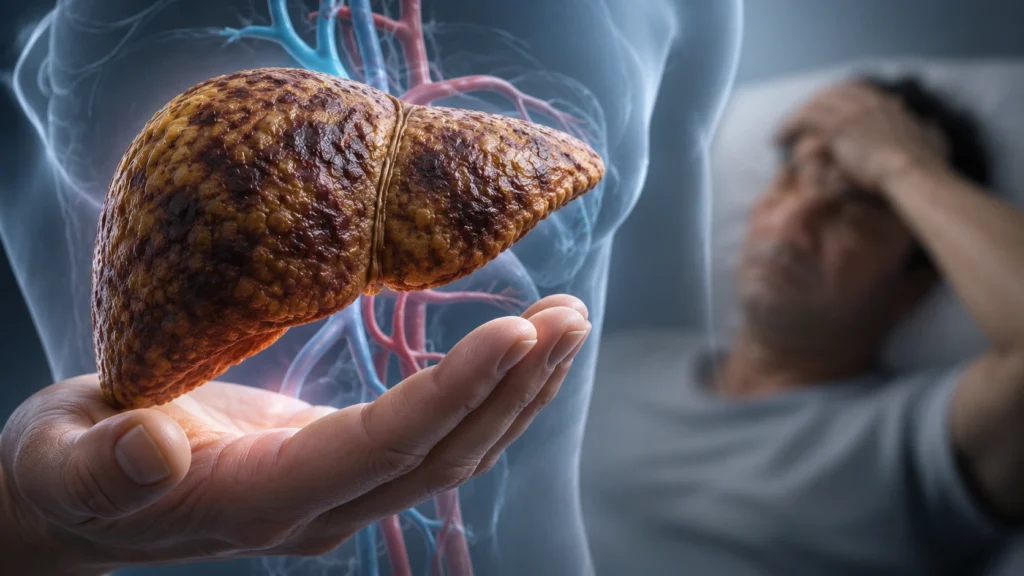
Liver failure is a serious and life-threatening condition in which the liver is no longer able to perform its normal functions properly. The liver is one of the most important organs in the body. It helps filter toxins, process nutrients, produce proteins, store energy, and support digestion. When the liver fails, these vital functions start breaking down, and the whole body can be affected.
Liver failure may develop suddenly or gradually. In some patients, it happens within days or weeks and is called acute liver failure. In others, it develops slowly over months or years because of long-term liver disease, and it is often linked with cirrhosis, hepatitis, alcohol-related damage, or fatty liver disease. Because the liver has many essential roles, failure of this organ can lead to jaundice, bleeding problems, fluid buildup, confusion, infection, and even coma.
This condition requires urgent medical attention. Early diagnosis and proper treatment can sometimes reverse the damage, control complications, or prepare the patient for advanced care such as liver transplantation. This page explains liver failure in detail in a clear and practical way, including causes, symptoms, types, diagnosis, treatment options, diet, recovery, prevention, and warning signs.
Liver failure happens when the liver becomes so damaged that it can no longer do its essential jobs. These jobs include removing toxins from the blood, making clotting factors, storing vitamins, helping with digestion, and processing medicines and nutrients. When these functions stop working normally, the body begins to show signs of illness.
Liver failure can be acute, meaning it happens quickly, or chronic, meaning it develops gradually over time due to ongoing liver damage. Some patients may already have known liver disease before failure occurs, while others may suddenly become very sick even without a previous diagnosis.
The condition should not be confused with mild liver inflammation or temporary liver enzyme elevation. Liver failure is much more serious and may become fatal if not treated on time. That is why patients with yellow eyes, extreme weakness, abdominal swelling, confusion, or bleeding tendency should be assessed urgently.
Liver failure is usually classified into two major types.
Acute liver failure develops rapidly, often over days or weeks. It can occur in someone who previously had normal liver function or no major known liver disease. It may be caused by drug toxicity, viral hepatitis, toxins, autoimmune disease, or other sudden injury to the liver.
This form can worsen very quickly and may lead to brain swelling, bleeding problems, and altered consciousness. Because the decline is fast, emergency evaluation and intensive care are often required.
Chronic liver failure develops gradually after long-term liver damage. It is commonly seen in people with cirrhosis, long-standing hepatitis, chronic alcohol use, or advanced fatty liver disease. The liver becomes scarred over time, and its ability to work properly keeps decreasing.
Patients with chronic liver failure may have repeated episodes of weakness, jaundice, fluid accumulation, poor appetite, confusion, and bleeding. In many cases, the disease is not fully reversible, but treatment can slow progression and improve quality of life.
Acute-on-chronic liver failure: Some patients already have chronic liver disease and then suddenly develop a severe worsening. This is called acute-on-chronic liver failure. It is often triggered by infection, alcohol, medicines, or bleeding, and it can be very dangerous.
Liver failure can result from many different underlying diseases or injuries. Identifying the cause is one of the most important steps in treatment.
Common causes include:
Common triggers that may worsen liver health
The liver is a resilient organ, but repeated or severe injury can overwhelm its ability to recover. In the early stages, the liver may still work reasonably well even when some damage is present. Over time, however, inflammation and scarring reduce healthy liver tissue.
As the damage progresses:
When damage is severe enough, the liver can no longer keep up with the body’s needs. At that stage, urgent treatment is required to prevent life-threatening complications.
Symptoms depend on whether the condition is acute or chronic, and on how much liver function has been lost. Some patients develop symptoms suddenly, while others notice a slow decline over time.
Common symptoms include:
Warning signs of severe liver failure
Signs that may suggest acute liver failure
Liver failure can affect anyone, but some people are at higher risk than others.
Higher-risk groups include:
Diagnosis of liver failure is based on symptoms, examination, blood tests, imaging, and sometimes additional procedures. Doctors also need to identify the underlying cause so that treatment can be targeted properly.
Clinical evaluation
The doctor will ask about:
The physical examination may look for:
Common tests include:
Imaging helps assess:
Treatment depends on the type of liver failure, the cause, and the severity of complications. Some patients need emergency care, while others need long-term monitoring and specialist treatment.
1. Treat the cause
This is one of the most important parts of management.
2. Hospitalization and monitoring
Many patients with liver failure need admission, especially if they have jaundice, confusion, bleeding, infection, or poor oral intake.
During hospitalization, doctors may:
3. Nutritional support
Liver failure often causes poor appetite, muscle loss, and weakness. Nutrition is therefore very important.
4. Medicines for complications
Depending on the patient’s condition, doctors may prescribe medicines for:
5. Treatment of hepatic encephalopathy
When liver failure affects brain function, the patient may become confused, sleepy, or disoriented. This is called hepatic encephalopathy.
Treatment may include:
6. Management of ascites and swelling
If fluid collects in the abdomen or legs, treatment may include:
7. Blood product support
If clotting is poor or bleeding occurs, doctors may use:
8. Intensive care in severe cases
Severe liver failure may require ICU treatment because of the risk of brain swelling, bleeding, infection, kidney failure, or coma. Continuous monitoring and aggressive supportive care may be needed.
9. Liver transplantation
For some patients, especially those with irreversible liver failure, liver transplant may be the only definitive treatment. Liver transplantation can be life-saving, but it requires detailed evaluation, donor matching, and long-term follow-up.
Transplant may be considered when:
Acute liver failure is a medical emergency. Treatment must begin immediately, often in a hospital or intensive care setting. The goal is to support the patient until the liver recovers or to move quickly toward transplant if recovery is unlikely.
Management usually includes:
Chronic liver failure treatment focuses on controlling symptoms, preventing complications, slowing disease progression, and improving survival.
Treatment steps may include:
Patients with cirrhosis often need ongoing follow-up, because chronic liver failure can worsen over time even if symptoms are temporarily controlled.
Diet and lifestyle are an important part of treatment, especially in chronic liver disease.
Helpful habits include:
Helpful diet
Things to avoid
Liver failure can lead to many serious complications if not treated properly. The risk of complications is higher when the liver damage is advanced, when infection is present, or when treatment is delayed.
These may include:
Not all liver failure can be prevented, but many cases can be avoided or delayed through early liver care.
Preventions:
Liver failure should never be ignored. A doctor should be consulted if you have:
Liver failure requires specialist care, close monitoring, and timely intervention. A hospital-based liver team can identify the cause, control complications, and guide patients toward recovery or transplant if needed.
Liver failure means the liver is no longer able to perform its normal functions properly. It can happen suddenly or gradually and may become life-threatening if not treated in time.
Early signs often include yellow eyes, weakness, poor appetite, nausea, and dark urine. Some patients also develop swelling, itching, or confusion as the condition worsens.
Yes, treatment is possible, but it depends on the cause and how severe the damage is. Some patients recover with medicines and supportive care, while others may need a liver transplant.
No, liver disease is a broader term that includes many conditions affecting the liver. Liver failure is a severe stage where the liver can no longer work properly.
Yes, long-term alcohol use is one of the major causes of chronic liver damage and liver failure. Stopping alcohol completely is essential for treatment and prevention.
A transplant may be needed when the liver damage is irreversible or when acute liver failure is rapidly worsening. Doctors decide this based on tests, symptoms, and the overall condition of the patient.
Yes, if fatty liver progresses to inflammation, scarring, and cirrhosis, it can eventually lead to liver failure. Early diagnosis and lifestyle changes can help prevent this.
Yes, especially in acute cases or when confusion, bleeding, or severe jaundice is present. Such symptoms require immediate medical attention.
Liver failure is a serious condition that needs early diagnosis, specialist treatment, and careful follow-up. It may develop suddenly or as the result of long-term liver disease, and it can affect many vital body functions at once. Because the liver supports digestion, detoxification, clotting, and metabolism, failure of this organ can quickly become dangerous.
The good news is that timely treatment can improve outcomes. Identifying the cause, managing complications, correcting nutrition, and considering transplant when needed can make a major difference. Patients with liver disease should not wait until symptoms become severe. Early care offers the best chance of recovery, stability, and long-term health.
Rama Hospital can provide expert evaluation and treatment for liver failure, along with ongoing support for liver disease management, complication prevention, and advanced care planning when needed.



Liver failure means that your liver is shutting down and failing to perform its essential functions.
No rows found.