-

-

Oral Cancer Screening

Oral Cancer Screening

Oral Cancer Screening

Oral Cancer Screening: Early Detection, Risk Factors, Symptoms, and Prevention

Oral cancer is a type of cancer that develops in the mouth or throat area. It can affect the lips, tongue, cheeks, floor of the mouth, gums, roof of the mouth, tonsils, or throat. Like many cancers, oral cancer is much easier to treat when it is found early. That is why oral cancer screening is so important.

Many people do not realize they are at risk until symptoms appear. Early signs of oral cancer can be subtle, such as a mouth sore that does not heal, a white or red patch inside the mouth, a lump in the cheek, or difficulty swallowing. Because these symptoms can be easy to ignore, regular screening can help catch problems before they become serious.

Oral cancer screening is a simple, painless examination done by a dentist or doctor to look for early signs of cancer or precancerous changes in the mouth. It takes only a few minutes and can make a major difference in outcomes. People who smoke, drink alcohol, chew tobacco, or have a family history of cancer should be especially aware of the importance of screening.

What is Oral Cancer Screening?

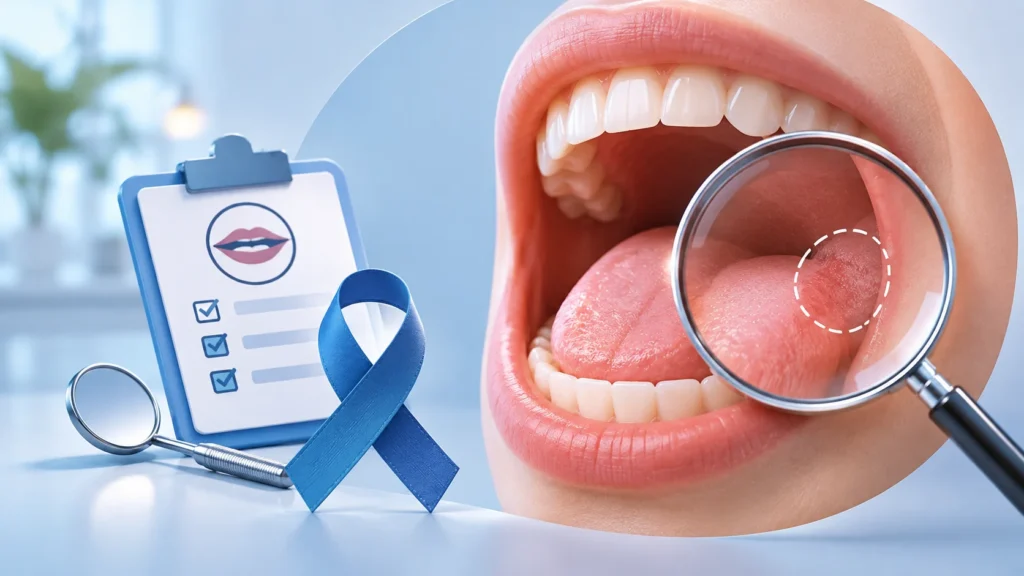
Oral cancer screening is a routine examination done to look for early signs of cancer or precancerous conditions in the mouth and throat. It is usually performed by a dentist, dental hygienist, or doctor during a regular check-up.

The screening involves a visual and physical examination of the mouth, tongue, gums, cheeks, throat, and neck. The goal is to identify any abnormal tissue, sores, lumps, or color changes that may need further testing.

Oral cancer screening is not a diagnostic test for cancer. It is a screening tool that helps identify areas that may need closer evaluation. If something suspicious is found, the dentist or doctor may recommend a biopsy or other tests to confirm the diagnosis.

Why Oral Cancer Screening Matters

Oral cancer can be serious, but early detection greatly improves the chances of successful treatment.

  • Early-stage oral cancer is often easier to treat.
  • Treatment may be less invasive if cancer is found early.
  • Survival rates are higher with early diagnosis.
  • Screening can identify precancerous changes before they become cancer.
  • Regular screening helps monitor high-risk individuals.
  • It can give peace of mind for people concerned about oral health.

Why early detection is important

Many oral cancers do not cause pain in the early stages. A person may have a small sore or patch that does not bother them. By the time pain or other symptoms appear, the cancer may have advanced. Screening helps catch these changes early, when treatment is most effective.

Who Needs Oral Cancer Screening?

Oral cancer screening is recommended for many adults, especially those with risk factors.

People who should get screened

  • Adults over the age of forty.
  • People who smoke or use tobacco in any form.
  • People who chew tobacco, gutka, or paan.
  • Heavy alcohol users.
  • People with a family history of oral cancer.
  • Those with a history of HPV infection.
  • People with prolonged sun exposure, especially for lip cancer.
  • Individuals with weakened immune systems.
  • People with a history of oral cancer or precancerous lesions.
  • Anyone with persistent mouth sores, lumps, or color changes.

Why screening is important for high-risk groups

People who use tobacco or alcohol have a much higher risk of oral cancer. Regular screening can help detect changes early, before they become serious. Even people without risk factors can benefit from screening during routine dental visits.

How is Oral Cancer Screening Done?

Oral cancer screening is simple, quick, and painless. It can be done during a regular dental check-up.

Steps involved in screening

  • Review of medical and dental history.
  • Discussion of risk factors such as tobacco, alcohol, and sun exposure.
  • Visual examination of the lips, gums, tongue, cheeks, roof and floor of the mouth, and throat.
  • Physical examination of the neck and jaw to check for lumps or swollen lymph nodes.
  • Use of special lights or dyes in some cases to highlight abnormal tissue.
  • Recommendation for further tests if anything suspicious is found.

What the dentist or doctor looks for

  • White or red patches in the mouth.
  • Sores that do not heal.
  • Lumps or thickening of tissue.
  • Unusual bleeding.
  • Numbness in the mouth or lips.
  • Difficulty swallowing or chewing.
  • Changes in the way teeth fit together.
  • Swelling in the neck.

Special screening tools

In some cases, additional tools may be used to improve detection.

  • Special blue lights or dyes that highlight abnormal tissue.
  • Brush biopsy to collect cells from a suspicious area.
  • Toluidine blue stain to identify abnormal cells.
  • These tools are not always needed but may help in high-risk cases.

Early Signs and Symptoms of Oral Cancer

Knowing the early signs can help people seek care sooner.

Common early signs

  • A sore in the mouth that does not heal within two weeks.
  • White or red patches inside the mouth.
  • A lump or thickening in the cheek.
  • Difficulty chewing or swallowing.
  • Numbness in the tongue or mouth.
  • Persistent sore throat or feeling of something stuck in the throat.
  • Ear pain on one side.
  • Changes in voice.
  • Loose teeth without a clear reason.
  • Unexplained bleeding in the mouth.

When to get checked

  • Any sore or patch that lasts more than two weeks.
  • Any lump or swelling in the mouth or neck.
  • Any unexplained bleeding or numbness.
  • Difficulty swallowing or speaking.
  • Persistent ear pain or sore throat.
  • Any change in the way teeth fit together.

Risk Factors for Oral Cancer

Certain habits and conditions increase the risk of oral cancer.

Major risk factors

  • Tobacco use in any form, including smoking, chewing tobacco, and gutka.
  • Heavy alcohol use.
  • Combined use of tobacco and alcohol, which greatly increases risk.
  • Human papillomavirus (HPV) infection.
  • Prolonged sun exposure, especially for lip cancer.
  • Poor oral hygiene.
  • Family history of cancer.
  • Weakened immune system.
  • Age over forty.
  • Betel quid or paan chewing.

Why these factors increase risk

Tobacco and alcohol contain chemicals that damage the cells lining the mouth and throat. Over time, this damage can lead to cancer. HPV infection can also cause changes in throat cells. Sun exposure damages lip tissue. Poor oral hygiene may allow chronic irritation that contributes to cancer risk.

Prevention of Oral Cancer

While not all cases can be prevented, many risk factors can be reduced.

Prevention pointers

  • Avoid tobacco in all forms.
  • Limit alcohol intake.
  • Avoid betel quid, paan, and gutka.
  • Practice good oral hygiene.
  • Visit the dentist regularly.
  • Use lip balm with sun protection.
  • Eat a diet rich in fruits and vegetables.
  • Get vaccinated against HPV where appropriate.
  • Get regular oral cancer screening, especially if at risk.

Lifestyle changes that help

  • Quitting tobacco is the single most important step.
  • Reducing alcohol lowers risk significantly.
  • Healthy diet supports immune function and tissue health.
  • Regular dental visits help catch problems early.
  • Sun protection reduces lip cancer risk.

What Happens if Something Suspicious is Found?

If the dentist or doctor finds something unusual during screening, further evaluation may be needed.

Possible next steps

  • Closer monitoring with follow-up visits.
  • Biopsy to remove a small sample of tissue for testing.
  • Imaging tests such as CT or MRI if needed.
  • Referral to an oral surgeon or oncologist.
  • Treatment planning if cancer or precancerous changes are confirmed.

Why follow-up matters

Not all abnormal findings are cancer. Many are benign conditions such as infections, irritation, or benign growths. However, it is important to follow up and get the right tests to rule out serious problems.

Treatment Options if Oral Cancer is Detected

If oral cancer is confirmed, treatment depends on the stage and location.

Common treatment options

  • Surgery to remove the tumor.
  • Radiation therapy.
  • Chemotherapy.
  • Targeted therapy in some cases.
  • Combination of treatments depending on the stage.

Importance of early treatment

Early-stage oral cancer may be treated with surgery alone and has a better outlook. Advanced cancer may need more aggressive treatment and has a lower survival rate. This is why screening and early detection are so important.

Oral Cancer Screening in Different Age Groups

Oral cancer can affect people of different ages, but the risk and screening needs may vary.

In younger adults

  • Risk is lower but not zero, especially with HPV-related cancers.
  • Screening may be done during routine dental visits.
  • Awareness of symptoms is important even at a younger age.

In middle-aged adults

  • Higher risk due to cumulative exposure to tobacco, alcohol, and sun.
  • Regular screening is strongly recommended.
  • Any persistent symptoms should be evaluated promptly.

In older adults

  • Highest risk group for oral cancer.
  • Regular screening is essential.
  • May have other health conditions that affect treatment options.

Why Choose Rama Hospital for Oral Cancer Screening?

Oral cancer screening is most effective when done by experienced professionals using proper techniques and follow-up. A hospital with dental, oncology, and diagnostic support can provide comprehensive care.

Why hospital care matters

  • Experienced dental and oncology specialists.
  • Advanced diagnostic tools and imaging.
  • Coordinated care if further testing or treatment is needed.
  • Support for high-risk patients.
  • Patient education and prevention guidance.

Trust and authority points

  • Experienced screening team.
  • Modern diagnostic technology.
  • Clear communication about findings and next steps.
  • Support for prevention and lifestyle change.
  • Comprehensive care from screening to treatment if needed.

Frequently Asked Questions (FAQs)

1. What is oral cancer screening?

Oral cancer screening is a simple examination done by a dentist or doctor to look for early signs of cancer or precancerous changes in the mouth and throat. It is quick, painless, and can be done during a regular check-up.

2. Who should get oral cancer screening?

Adults over forty, people who use tobacco or alcohol, and those with a family history of cancer should get screened regularly. Even people without risk factors can benefit from screening during dental visits.

3. How often should I get screened?

For most people, screening once a year during a dental check-up is enough. High-risk individuals, such as tobacco users, may need more frequent screening as advised by their doctor.

4. Is oral cancer screening painful?

No, oral cancer screening is painless. It involves a visual and physical examination of the mouth and neck. If a biopsy is needed, a small numbing injection may be used.

5. What are the early signs of oral cancer?

Early signs include a mouth sore that does not heal, white or red patches, a lump in the cheek, difficulty swallowing, or numbness in the mouth. Any of these symptoms lasting more than two weeks should be checked.

6. Can oral cancer be prevented?

Not all cases can be prevented, but risk can be greatly reduced by avoiding tobacco, limiting alcohol, practicing good oral hygiene, and getting regular screening. HPV vaccination may also help reduce risk.

7. What happens if something abnormal is found?

If something suspicious is found, the dentist or doctor may recommend a biopsy or other tests. Not all abnormal findings are cancer, but follow-up is important to rule out serious problems.

8. How long does oral cancer screening take?

Screening usually takes only a few minutes during a regular dental visit. If further tests are needed, additional appointments may be required.

Conclusion

Oral cancer is a serious condition, but early detection can make a major difference in outcomes. Oral cancer screening is a simple, painless way to catch problems early, when treatment is most effective. People who smoke, drink alcohol, chew tobacco, or have other risk factors should be especially proactive about screening.

The most important steps are regular dental visits, awareness of early symptoms, and prompt evaluation of any persistent sores, patches, or lumps. With regular screening and healthy habits, the risk of oral cancer can be reduced and early-stage disease can be caught in time.

Rama Hospital can help with oral cancer screening, early detection, and comprehensive care if any abnormal findings are identified. Early action can protect your health and improve long-term outcomes.


Table of Contents

Explore More

What to Know More About Oral Cancer Screening

Find Ailments & Treatments

Search Ailments

Quickly find the information you need. Search our database to explore detailed information on various diseases and conditions, including symptoms, causes, and treatment options.

Search Treatments

Quickly find the information you need. Search our database to explore detailed information on various diseases and conditions, including symptoms, causes, and treatment options.

Recommended Reading

Video Playlist

No rows found.

Experience Healthcare the Rama Way

Emergency • OPD • Surgery • ICU Care

Need Help? Talk to our experts

Get a callback from our experts

Request a callback