-

-

Antipsychotics

Antipsychotics

Antipsychotics

Antipsychotics: Uses, Types, Side Effects, and Safe Treatment

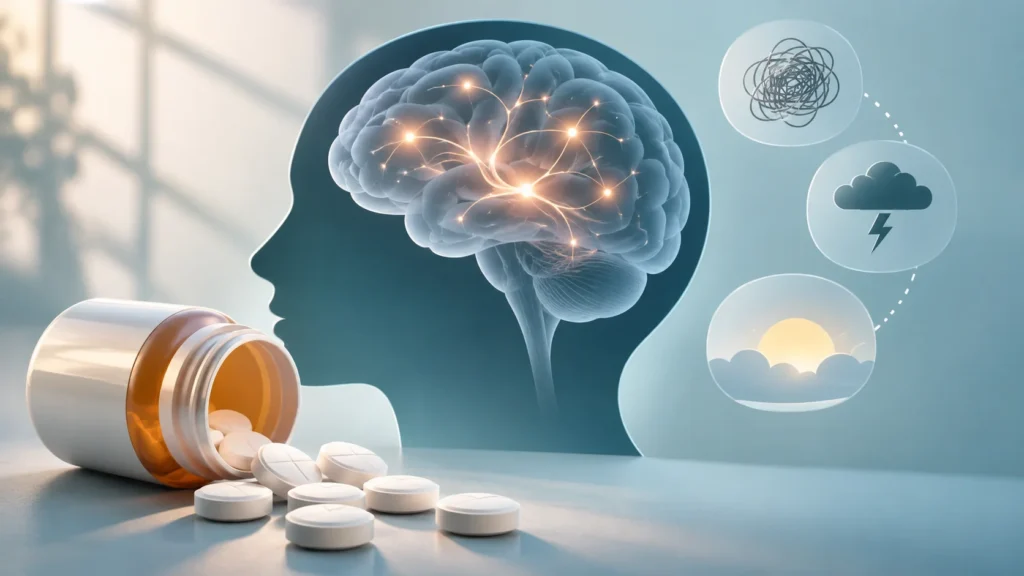
Antipsychotics are medicines used to treat conditions that affect thoughts, mood, behavior, and perception. They are most commonly prescribed for serious mental health conditions such as schizophrenia, bipolar disorder, and severe depression with psychotic features. They can also be used in some cases of anxiety, sleep disturbance, agitation, or behavioral symptoms in certain medical conditions.

Many people feel nervous when they hear the word “antipsychotic.” Some worry that these medicines are only for severe illness or that they will change personality. In reality, antipsychotics are important medical treatments that help many people think more clearly, feel more stable, and function better in daily life. Like any medicine, they need proper diagnosis, correct dosage, and regular monitoring.

What are Antipsychotics?

Antipsychotics are medicines that help manage symptoms of psychosis and other mental health conditions. Psychosis is a state where a person may have trouble distinguishing reality from imagination. Symptoms may include hallucinations, delusions, confused thinking, or unusual behavior.

Antipsychotics work by affecting chemicals in the brain, especially dopamine and serotonin. These chemicals play a role in mood, thinking, perception, and behavior. By balancing these chemicals, antipsychotics can reduce symptoms and help the person feel more stable.

Antipsychotics are not sedatives or sleeping pills. They are not meant to change personality or make a person “numb.” When used correctly, they help restore normal thinking and functioning so the person can live a more stable and productive life.

How Antipsychotics Work

The brain uses chemicals called neurotransmitters to send signals between nerve cells. Two important neurotransmitters involved in mental health are dopamine and serotonin.

Role of dopamine

  • Dopamine is involved in motivation, reward, movement, and perception.
  • Too much dopamine activity in certain brain areas is linked to psychotic symptoms.
  • Antipsychotics help reduce excess dopamine activity.

Role of serotonin

  • Serotonin affects mood, sleep, and emotional balance.
  • Some antipsychotics also affect serotonin receptors.
  • This helps improve mood and reduce anxiety or depression symptoms.

Overall effect

By balancing dopamine and serotonin activity, antipsychotics can reduce hallucinations, delusions, agitation, and disorganized thinking. They help the person think more clearly and feel more in control.

Types of Antipsychotics

Antipsychotics are usually divided into two main groups based on when they were developed and how they work.

First-generation antipsychotics

Also called typical antipsychotics, these are older medicines that mainly block dopamine receptors.

These medicines are effective for positive symptoms such as hallucinations and delusions. However, they may cause more movement-related side effects.

Second-generation antipsychotics

Also called atypical antipsychotics, these are newer medicines that affect both dopamine and serotonin.

These medicines are often preferred because they may have fewer movement-related side effects. However, some can cause weight gain or metabolic changes.

Third-generation antipsychotics

These are newer medicines that work differently from both older and newer groups.

These medicines act as partial agonists, meaning they can both stimulate and block dopamine receptors depending on the situation. They may have a more balanced side effect profile.

Common Uses of Antipsychotics

Antipsychotics are used to treat a range of mental health and medical conditions.

Schizophrenia

  • Reduces hallucinations and delusions.
  • Improves clear thinking.
  • Helps the person function better in daily life.
  • Often needed long term to prevent relapse.

Bipolar disorder

  • Helps control manic episodes with high energy or agitation.
  • Can help stabilize mood.
  • May be used alone or with mood stabilizers.
  • Useful in both manic and depressive phases in some cases.

Severe depression with psychotic features

  • Used along with antidepressants.
  • Helps when depression includes hallucinations or delusions.
  • Can improve mood and thinking.

Anxiety and sleep issues

  • Sometimes used in low doses for severe anxiety or sleep disturbance.
  • Usually short term or as part of a broader treatment plan.
  • Not the first choice for mild anxiety or insomnia.

Behavioral symptoms in dementia

  • May be used in severe agitation or aggression in dementia patients.
  • Used carefully and only when necessary.
  • Requires close monitoring in elderly patients.

Other conditions

  • Tourette syndrome.
  • Severe irritability in autism.
  • Nausea and vomiting in some medical conditions.
  • Certain movement disorders.

Side Effects of Antipsychotics

Like all medicines, antipsychotics can cause side effects. The type and severity depend on the specific medicine, dose, and individual response.

Common side effects

  • Drowsiness or sedation.
  • Dizziness.
  • Dry mouth.
  • Constipation.
  • Weight gain.
  • Increased appetite.
  • Blurred vision.
  • Low blood pressure when standing.

Movement-related side effects

  • Tremors.
  • Muscle stiffness.
  • Restlessness or inability to sit still.
  • Slow or reduced movement.
  • Involuntary movements of the face or tongue.
  • These are more common with first-generation antipsychotics.

Metabolic side effects

  • Weight gain.
  • Increased blood sugar.
  • Increased cholesterol or triglycerides.
  • Higher risk of diabetes.
  • More common with some second-generation antipsychotics.

Hormonal side effects

  • Increased prolactin levels.
  • Breast enlargement or tenderness.
  • Milk production in some cases.
  • Menstrual changes.
  • Sexual side effects.

Serious but rare side effects

  • Neuroleptic malignant syndrome, a rare but serious reaction with high fever and muscle stiffness.
  • Tardive dyskinesia, which involves involuntary movements after long-term use.
  • Severe allergic reactions.
  • Heart rhythm changes in some medicines.

Managing Side Effects

Side effects can often be managed with proper monitoring and adjustments.

Helpful steps

  • Start with the lowest effective dose.
  • Increase dose slowly if needed.
  • Monitor weight, blood sugar, and cholesterol regularly.
  • Report any new symptoms to the doctor.
  • Do not stop medicines suddenly without advice.
  • Use lifestyle measures such as diet and exercise to manage weight.
  • Consider switching medicines if side effects are severe.

Why monitoring matters

Regular follow-up helps catch side effects early. The doctor can adjust the dose, switch medicines, or add supportive treatment to keep the patient comfortable and safe.

Dosage and Administration

Antipsychotics are available in different forms and doses depending on the condition and patient needs.

Forms available

  • Tablets.
  • Capsules.
  • Liquid.
  • Injection, including long-acting injections.
  • Dissolvable tablets for patients who have trouble swallowing.

Dosage guidance

  • Dose depends on the condition, age, weight, and response.
  • Usually started low and increased gradually.
  • Long-acting injections may be used for patients who miss doses.
  • Dose adjustments are common in the first few weeks.

Important points

  • Take medicines exactly as prescribed.
  • Do not double the dose if one is missed.
  • Do not stop suddenly without medical advice.
  • Inform the doctor about all other medicines being taken.
  • Avoid alcohol or recreational drugs while on antipsychotics.

Monitoring During Treatment

Regular monitoring is important to ensure the medicine is working and side effects are managed.

What is monitored

  • Mental state and symptom improvement.
  • Weight and waist size.
  • Blood pressure.
  • Blood sugar.
  • Cholesterol and triglycerides.
  • Movement side effects.
  • Liver and kidney function in some cases.
  • Heart rhythm in selected medicines.

How often monitoring is done

  • More frequently in the first few weeks.
  • Then every few months once stable.
  • More often if side effects appear or dose changes.

Safety and Precautions

Antipsychotics need to be used carefully in certain situations.

Precautions

  • Use caution in elderly patients, especially those with dementia.
  • Use caution in patients with heart disease.
  • Use caution in patients with diabetes or metabolic issues.
  • Use caution during pregnancy and breastfeeding, with specialist advice.
  • Avoid alcohol and recreational drugs.
  • Be careful while driving or operating machinery if drowsy.

Drug interactions

Antipsychotics can interact with other medicines.

  • Sedatives and sleeping pills can increase drowsiness.
  • Blood pressure medicines can cause low blood pressure.
  • Some antibiotics and heart medicines can affect heart rhythm.
  • Always inform the doctor about all medicines being taken.

When to Seek Medical Help

Medical attention is needed if certain symptoms appear during treatment.

Seek medical help if you have:

  • High fever with muscle stiffness.
  • Severe drowsiness or confusion.
  • Fainting or severe dizziness.
  • Irregular heartbeat.
  • Severe restlessness or agitation.
  • New involuntary movements.
  • Severe allergic reaction such as rash or swelling.
  • Thoughts of self-harm or suicide.

Emergency situations

  • Neuroleptic malignant syndrome symptoms.
  • Severe allergic reaction.
  • Overdose or accidental ingestion.
  • Sudden worsening of mental state.

Why Choose Rama Hospital for Antipsychotic Treatment?

Antipsychotic treatment needs careful diagnosis, correct medicine selection, and regular monitoring. A hospital with experienced psychiatrists and mental health support can make a major difference in outcomes.

Why hospital care matters

  • Accurate diagnosis of the mental health condition.
  • Correct choice of medicine based on individual needs.
  • Careful dose adjustment and monitoring.
  • Management of side effects.
  • Support for family and caregivers.
  • Long-term follow-up to prevent relapse.

Trust and authority points

  • Experienced psychiatry team.
  • Comprehensive mental health evaluation.
  • Safe and supervised treatment.
  • Patient education and support.
  • Coordinated care with other specialists if needed.

Frequently Asked Questions (FAQs)

1. What are antipsychotics used for?

Antipsychotics are used to treat conditions like schizophrenia, bipolar disorder, and severe depression with psychosis. They can also be used for severe anxiety, agitation, or behavioral symptoms in some cases.

2. Do antipsychotics change personality?

No, antipsychotics do not change personality. They help reduce symptoms like hallucinations, delusions, and agitation so the person can think and function more clearly.

3. Are antipsychotics addictive?

No, antipsychotics are not addictive in the way some other medicines are. However, they should not be stopped suddenly without medical advice, as this can cause withdrawal or relapse.

4. What are the common side effects?

Common side effects include drowsiness, weight gain, dry mouth, constipation, and dizziness. Some medicines can cause movement issues or metabolic changes.

5. Can antipsychotics be taken long term?

Yes, many people take antipsychotics long term to prevent relapse, especially in conditions like schizophrenia or bipolar disorder. Regular monitoring helps manage side effects.

6. Can antipsychotics be used for anxiety or sleep?

Sometimes, in low doses or short term, but they are not the first choice for mild anxiety or insomnia. Other treatments are usually tried first.

7. What should I do if I miss a dose?

Take the missed dose as soon as you remember, unless it is close to the next dose. Do not double the dose. Inform your doctor if you miss doses often.

8. Can antipsychotics be used during pregnancy?

Some antipsychotics may be used during pregnancy with careful specialist advice. The decision depends on the condition, the medicine, and the risks and benefits.

Conclusion

Antipsychotics are important medicines that help many people manage serious mental health conditions and live more stable, productive lives. They work by balancing brain chemicals and reducing symptoms like hallucinations, delusions, and agitation. Like all medicines, they need proper diagnosis, correct dosage, and regular monitoring to be safe and effective.

The most important steps are accurate diagnosis, the right medicine choice, careful dose adjustment, and regular follow-up. For patients with symptoms of psychosis, severe mood swings, or other mental health concerns, a medical evaluation can make a major difference. With the right care, antipsychotic treatment can help restore stability and improve quality of life.

Rama Hospital can help evaluate mental health conditions, prescribe the right antipsychotic treatment, and provide ongoing support and monitoring to ensure safe and effective care.


Table of Contents

Explore More

What to Know More About Antipsychotics

Find Ailments & Treatments

Search Ailments

Quickly find the information you need. Search our database to explore detailed information on various diseases and conditions, including symptoms, causes, and treatment options.

Search Treatments

Quickly find the information you need. Search our database to explore detailed information on various diseases and conditions, including symptoms, causes, and treatment options.

Recommended Reading

Video Playlist

No rows found.

Experience Healthcare the Rama Way

Emergency • OPD • Surgery • ICU Care

Need Help? Talk to our experts

Get a callback from our experts

Request a callback