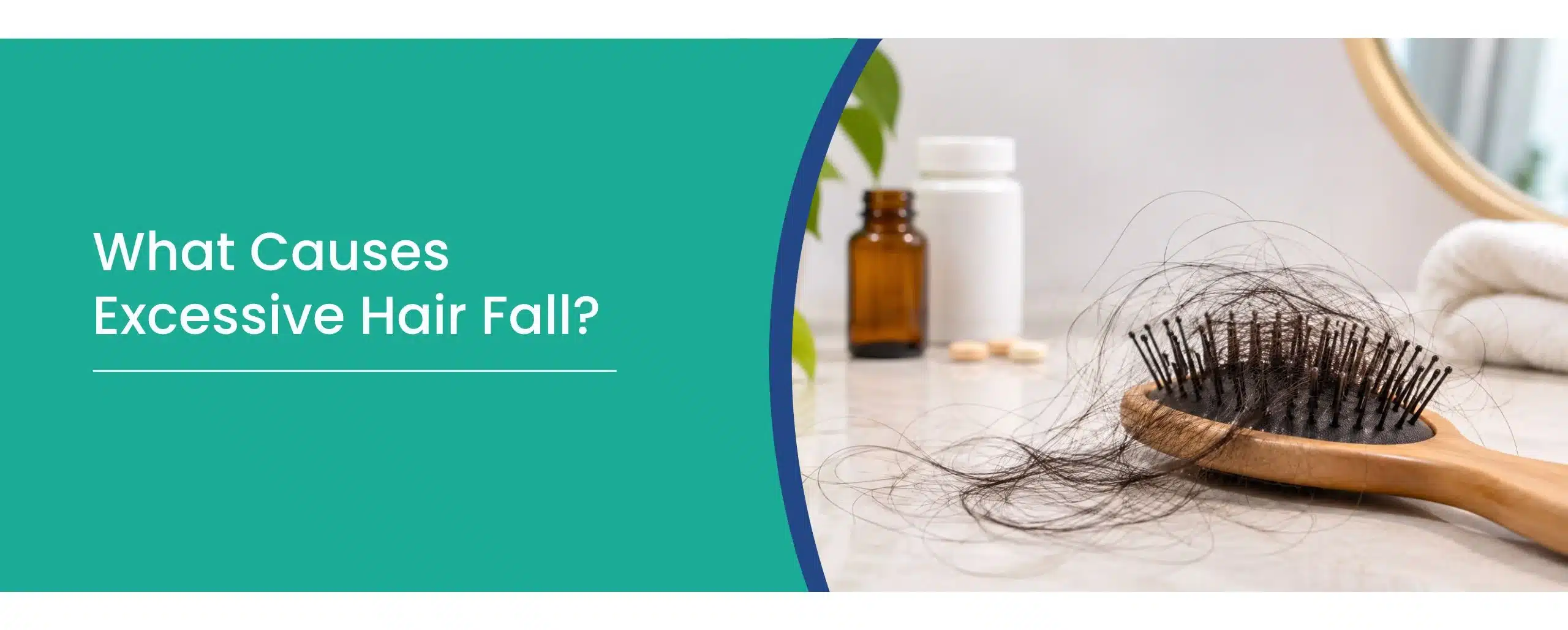
Have you started noticing more hair on your pillow, in your hairbrush or around the bathroom drain? Does your hair feel less dense than it used to, or have you noticed your scalp becoming more visible while styling your hair? Occasional hair shedding is a normal part of the hair growth cycle, but a noticeable increase in hair fall can be frustrating and sometimes concerning.
Hair health depends on several factors, including genetics, hormones, nutrition, scalp health and overall physical well-being. Sometimes, the reason is temporary, such as stress, an illness or a nutritional deficiency. In other cases, persistent shedding or gradual hair thinning may indicate an underlying condition that requires medical attention.
Understanding the common hair fall causes is the first step towards identifying what may be affecting your hair. While changing shampoos or trying home remedies might seem like an easy solution, these approaches may not address the actual problem.
How Much Hair Fall Is Normal in a Day?
Before discussing the hair fall causes, it is important to understand that losing some hair every day is completely normal.
Hair grows in a natural cycle consisting of three main phases:
- Anagen (Growth Phase): Hair actively grows from the follicle. This phase can last several years.
- Catagen (Transition Phase): Hair growth slows down, and the follicle begins to shrink.
- Telogen (Resting and Shedding Phase): The hair rests before eventually falling out and making room for new growth.
At any given time, different hair strands are at different stages of this cycle. This is why you naturally lose some hair every day.
According to the American Academy of Dermatology, losing approximately 50–100 hairs daily is generally considered normal. However, the amount can vary between individuals and according to hair-washing and grooming habits.
The concern begins when shedding becomes noticeably heavier, continues for an extended period or is accompanied by visible changes in hair density.
For example, if you consistently notice more strands falling out during washing, your ponytail feels thinner or your hair parting is becoming wider, it may be worth investigating the underlying hair fall causes.
12 Common Hair Fall Causes You Should Know
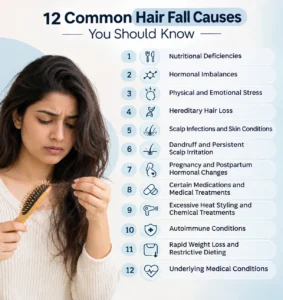
Hair loss does not happen for just one reason. Several internal and external factors can affect the hair follicles, interrupt the growth cycle or cause hair strands to break.
Here are some of the most common hair fall causes that may explain why you are experiencing increased shedding.
1. Nutritional Deficiencies
Your hair follicles require adequate nutrition to support normal growth. When the body does not receive enough essential nutrients, hair growth may be affected.
Nutritional deficiencies are among the possible hair fall causes, particularly in people following restrictive diets, skipping meals or experiencing poor nutrient absorption.
Some important nutrients associated with healthy hair include:
- Iron: Helps support oxygen transport to tissues, including those involved in hair growth. Iron deficiency may contribute to diffuse hair shedding.
- Protein: Hair is primarily made of a protein called keratin. Inadequate protein intake can affect normal hair growth.
- Zinc: Supports several biological processes involved in tissue growth and repair.
- Vitamin B12: Helps maintain healthy red blood cells and supports normal cellular function.
- Vitamin D: Plays a role in several processes involving hair follicle cycling, although the relationship between deficiency and hair loss varies.
2. Hormonal Imbalances
Hormones influence several functions in the body, including the hair growth cycle. Changes in hormonal levels can affect hair density, growth patterns and the duration of different growth phases.
Hormonal changes are among the important hair fall causes in both men and women.
Some conditions associated with hormonal changes include:
- Polycystic Ovary Syndrome (PCOS): Women with PCOS may experience increased androgen levels, which can contribute to hair thinning around the crown and scalp.
- Thyroid Disorders: Both an underactive thyroid (hypothyroidism) and an overactive thyroid (hyperthyroidism) may affect normal hair growth.
- Menopause: Changes in oestrogen and other hormone levels during menopause may contribute to changes in hair density and pattern.
- Androgenetic Alopecia: This hereditary condition is influenced by genetic and hormonal factors. It can affect both men and women.
If hair shedding is accompanied by irregular periods, unexplained weight changes, acne, excessive facial hair or other hormonal symptoms, medical evaluation may help identify the underlying condition.
3. Physical and Emotional Stress
Have you noticed increased hair shedding a few months after a particularly stressful period?
Physical and emotional stress can affect the normal hair growth cycle. Significant stress may push a larger proportion of hair follicles into the resting phase, resulting in increased shedding.
This condition is known as telogen effluvium.
Some events that may trigger it include:
- Major surgery or hospitalisation.
- High fever or severe infection.
- Emotional distress or prolonged stress.
- Sudden weight loss.
- Childbirth.
- Severe illness.
One important thing to understand is that stress-related hair shedding may not appear immediately.
In many cases, people begin noticing increased hair loss approximately two to three months after the triggering event.
The good news is that acute telogen effluvium is often temporary. Hair growth may gradually return to its usual pattern once the underlying trigger is addressed.
However, persistent stress or an unresolved medical problem can prolong shedding.
4. Hereditary Hair Loss
Sometimes, the reason behind gradually reducing hair density is already present in your genes. Hereditary hair loss, medically known as androgenetic alopecia, is one of the most common forms of hair loss in both men and women.
It usually develops gradually and may become more noticeable with age. In men, it commonly begins with a receding hairline or thinning around the crown.
In women, it often appears as:
- Widening of the central hair parting.
- Reduced hair density around the crown.
- Gradual thinning across the scalp.
- Increased visibility of the scalp.
In this condition, hair follicles gradually become smaller, producing thinner and shorter strands over time.
Unlike temporary shedding, hereditary hair loss may continue progressing without appropriate management.
Recognising this pattern early can help people explore suitable medical options before significant hair density is lost.
5. Scalp Infections and Skin Conditions
Your scalp plays an important role in maintaining healthy hair growth. When the scalp becomes inflamed, irritated or infected, it can affect the surrounding hair follicles.
Certain scalp conditions are also recognised hair fall causes, especially when inflammation is severe or continues without treatment.
Some common examples include:
- Seborrhoeic Dermatitis: This condition causes redness, itching and flaky patches on the scalp. It may be associated with visible flakes and irritation.
- Scalp Psoriasis: Psoriasis can produce thick, scaly patches that may become uncomfortable or itchy. Scratching and inflammation can contribute to temporary shedding or breakage.
- Fungal Infections: Scalp ringworm, also known as tinea capitis, is a fungal infection that can cause scaling, broken hairs and patchy hair loss.
- Folliculitis: Inflammation or infection involving hair follicles may cause small bumps, redness, tenderness and, in certain cases, hair loss.
6. Dandruff and Persistent Scalp Irritation
Dandruff is a common scalp concern that can cause visible flakes, itching and discomfort.
Although ordinary dandruff does not usually cause permanent hair loss, persistent scalp irritation can encourage scratching, which may damage hair shafts and contribute to breakage.
In some people, dandruff-like symptoms may actually be associated with seborrhoeic dermatitis or another inflammatory scalp condition.
Some common symptoms include:
- White or yellowish flakes on the scalp.
- Persistent itching.
- Oily or dry scalp patches.
- Redness or irritation.
- Flakes appearing on the shoulders or clothing.
7. Pregnancy and Postpartum Hormonal Changes
Pregnancy brings several hormonal changes that can influence hair growth.
During pregnancy, increased oestrogen levels may keep more hair follicles in the growth phase. As a result, some women notice thicker or fuller hair.
After childbirth, hormone levels gradually return towards their usual state. Hair that remained in the growth phase may then enter the shedding phase.
This can cause noticeable postpartum hair shedding, commonly associated with telogen effluvium.
Women may experience:
- Increased hair shedding while washing or brushing.
- Reduced hair volume.
- Thinning around the temples.
- More hair collecting on pillows or clothing.
Postpartum shedding often becomes noticeable a few months after delivery and generally improves over time.
However, if shedding is unusually severe, continues for an extended period or occurs alongside symptoms of anaemia or thyroid problems, medical advice is important.
8. Certain Medications and Medical Treatments
Some medicines can affect the normal hair growth cycle and contribute to increased shedding.
The effect depends on the medicine, dosage, duration of use and individual response.
Examples of medicines that may contribute to hair loss in certain people include:
- Some blood pressure medicines.
- Certain antidepressants.
- Some anticoagulants.
- Retinoids.
- Certain hormonal medications.
- Chemotherapy medicines.
Chemotherapy-related hair loss is particularly well recognised because these treatments can affect rapidly dividing cells, including those involved in hair growth.
If you notice increased shedding after starting a new medicine, discuss it with your prescribing doctor.
9. Excessive Heat Styling and Chemical Treatments
Hair styling habits can gradually weaken the hair shaft, especially when heat and chemicals are used frequently.
Unlike hair loss originating from the follicle, this type of damage often causes hair breakage. Repeated exposure to high temperatures from straighteners, curling irons and blow dryers can weaken hair strands.
Similarly, frequent bleaching, colouring, chemical straightening and harsh treatments may damage the hair structure.
Some habits that can increase the risk of breakage include:
- Using high-temperature styling tools frequently.
- Applying chemical treatments repeatedly.
- Brushing wet hair aggressively.
- Using tight hairstyles that pull on the roots.
- Skipping suitable conditioning and hair care.
10. Autoimmune Conditions
The immune system normally protects the body against infections and harmful substances. However, certain autoimmune conditions can cause the immune system to mistakenly attack healthy tissues.
One example is alopecia areata, an autoimmune condition that affects hair follicles.
It commonly causes round or oval patches of hair loss on the scalp, although it can also affect eyebrows, eyelashes and other body hair.
Some people experience only a few small patches, while others may develop more extensive hair loss.
Other autoimmune conditions, including certain forms of lupus, may also affect hair growth.
The treatment approach depends on the specific condition, the extent of hair loss and whether inflammation or scarring is present.
11. Rapid Weight Loss and Restrictive Dieting
Trying to lose weight quickly through extreme dieting may affect more than your body weight.
When calorie intake becomes too low, the body may not receive enough protein, iron, zinc and other nutrients required for normal hair growth.
Rapid weight loss can also act as a physical stressor and trigger telogen effluvium. People following crash diets may notice increased shedding several weeks or months after losing weight.
A balanced eating pattern that provides adequate calories, protein and essential nutrients is important for maintaining overall health.
If weight loss is accompanied by persistent fatigue, weakness or increased hair shedding, discuss the possibility of nutritional deficiencies with a healthcare professional.
12. Underlying Medical Conditions
Sometimes, increased hair shedding is associated with an underlying medical condition rather than a problem with hair care.
Conditions that may contribute include:
- Thyroid disorders.
- Iron-deficiency anaemia.
- Certain autoimmune diseases.
- Chronic inflammatory conditions.
- Significant infections.
- Nutritional malabsorption disorders.
What Are the Warning Signs of Excessive Hair Fall?
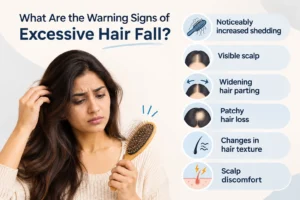
Not every loose strand indicates a medical problem. However, certain changes deserve attention, particularly when they continue over time.
Watch for the following signs:
- Noticeably increased shedding: You consistently find more hair on your pillow, comb, clothes or bathroom floor.
- Visible scalp: Your scalp becomes increasingly visible, particularly around the crown or central parting.
- Widening hair parting: The space between the sections of your hair gradually becomes wider.
- Patchy hair loss: You notice round or irregular bald patches developing on your scalp.
- Changes in hair texture: Your strands feel weaker, finer or more prone to breaking.
- Scalp discomfort: Persistent itching, redness, scaling, pain or inflammation accompanies the shedding.
If you notice these changes, identifying the underlying hair fall causes is more useful than repeatedly switching hair products.
How Is Hair Fall Diagnosed?
Hair shedding can have multiple causes, and sometimes more than one factor may contribute to the same problem.
A proper assessment helps distinguish temporary shedding from hereditary hair loss, scalp disorders and other medical conditions.
A dermatologist generally begins by understanding your medical history and examining your scalp.
1. Medical History
The doctor may ask questions about:
- When the shedding started.
- Whether it developed suddenly or gradually.
- Recent illness, surgery or childbirth.
- Stress and lifestyle changes.
- Family history of hair loss.
- Current medicines and supplements.
- Dietary habits and weight changes.
These details can provide important clues about possible triggers.
2. Scalp Examination
The scalp is examined for inflammation, scaling, infections, bald patches and changes in hair density.
The doctor may also assess whether the hair is falling from the roots or breaking along its length.
3. Hair Pull Test
A gentle hair pull test may be performed to assess whether an increased number of strands are coming loose.
It can help provide information about active shedding, although it is not sufficient to diagnose every form of hair loss on its own.
4. Blood Tests
Depending on your symptoms and medical history, the doctor may recommend tests to investigate possible underlying conditions.
These may include:
- Complete Blood Count (CBC).
- Iron studies and ferritin.
- Thyroid function tests.
- Vitamin B12 or vitamin D levels, when indicated.
- Hormonal investigations, when clinically appropriate.
Not everyone requires every test. The investigations are selected according to the suspected cause.
5. Scalp Dermoscopy or Biopsy
In certain cases, specialised scalp examination using a dermatoscope can help identify changes in hair follicles and the scalp.
A scalp biopsy may be considered when the diagnosis remains uncertain or a scarring hair-loss condition is suspected.
What Is the Right Hair Loss Treatment?
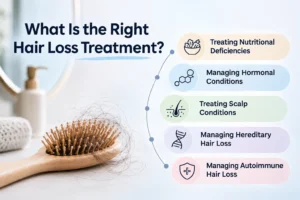
There is no single solution that works for every person experiencing hair loss.
The appropriate hair loss treatment depends on whether the problem is related to hereditary factors, nutritional deficiencies, hormonal changes, inflammation, infection or temporary shedding.
Once the underlying cause is identified, a suitable treatment plan can be recommended.
Some possible approaches include:
- Treating Nutritional Deficiencies: If investigations reveal iron deficiency or another nutritional problem, the doctor may recommend appropriate dietary changes or supplementation.
- Managing Hormonal Conditions: People experiencing hair loss due to thyroid disorders or PCOS may require treatment directed at the underlying hormonal condition.
- Treating Scalp Conditions: Medicated shampoos, topical medicines or other prescribed treatments may help manage conditions such as seborrhoeic dermatitis, psoriasis and fungal infections.
- Managing Hereditary Hair Loss: Depending on the patient’s condition and suitability, medicines such as minoxidil may be recommended. Certain patients may also be considered for other medical options.
- Managing Autoimmune Hair Loss: Alopecia areata may require specific medical treatment, which can include topical or injectable corticosteroids and other therapies depending on the severity.
When Should You Consult a Dermatologist?
Hair shedding may sometimes resolve naturally, particularly when it follows a temporary trigger such as childbirth, illness or significant stress.
Consulting a dermatologist early can help identify the problem before certain forms of hair loss become more difficult to manage.
If you are looking for a dermatologist in Noida, consider consulting a qualified skin and hair specialist who can evaluate your scalp, assess possible medical triggers and recommend an appropriate management plan.
Frequently Asked Questions (FAQs)
1. What are the most common hair fall causes?
Common reasons include hereditary hair loss, nutritional deficiencies, hormonal changes, stress, thyroid disorders, certain medications and scalp conditions. Identifying the underlying reason is important before starting any treatment.
2. Is excessive hair fall a sign of vitamin deficiency?
It can be. Deficiencies involving iron, zinc and certain vitamins may contribute to hair shedding in some individuals. However, not every case is caused by a deficiency. Appropriate investigations can help identify whether nutritional supplementation is necessary.
3. Can dandruff cause hair fall?
Ordinary dandruff does not usually cause permanent hair loss. However, persistent scalp inflammation and frequent scratching may contribute to hair breakage or temporary shedding. Severe or recurring symptoms should be evaluated.
4. Can stress cause sudden hair loss?
Yes. Significant physical or emotional stress can trigger a condition called telogen effluvium. It often becomes noticeable two to three months after the triggering event and may improve once the underlying stressor is addressed.
5. Which doctor should I consult for hair fall?
A dermatologist is generally the appropriate specialist for evaluating hair and scalp concerns. They can examine the scalp, identify possible underlying conditions and recommend suitable management.
6. Does washing hair every day increase hair fall?
Washing your hair does not usually cause hair loss from the follicles. It may make naturally shed strands more noticeable, particularly if several days have passed between washes. Gentle washing and suitable hair-care practices can help reduce breakage.
7. Can hair grow back after excessive shedding?
Yes, hair can regrow in many cases, particularly when shedding is caused by temporary triggers such as illness, stress or childbirth. However, regrowth depends on the underlying condition, and some hereditary or scarring forms of hair loss may require long-term management.
Conclusion
Noticing more hair in your comb or shower drain can be worrying, but increased shedding does not always mean permanent hair loss.
From nutritional deficiencies and hormonal changes to hereditary conditions and scalp inflammation, the hair fall causes can vary significantly from one person to another. The same symptoms may also have different underlying explanations, which is why a treatment that works for one person may not work for someone else.
Rather than relying on random products or home remedies, pay attention to changes in your hair density, scalp health and overall well-being.
If you are experiencing persistent shedding, visible thinning or unusual scalp symptoms, consider consulting a qualified specialist.
At Rama Hospital, Noida, patients can seek specialist evaluation for skin and hair concerns. Consulting a qualified skin specialist in Noida can help you understand the possible reasons behind your hair loss and explore appropriate care options.
Healthy hair begins with understanding what your body is telling you. Don’t ignore the signs; seek the right advice at the right time.