-

-

Pediatric asthma

Pediatric asthma

Pediatric asthma

Pediatric Asthma: Causes, Symptoms, Diagnosis, Treatment, and Prevention

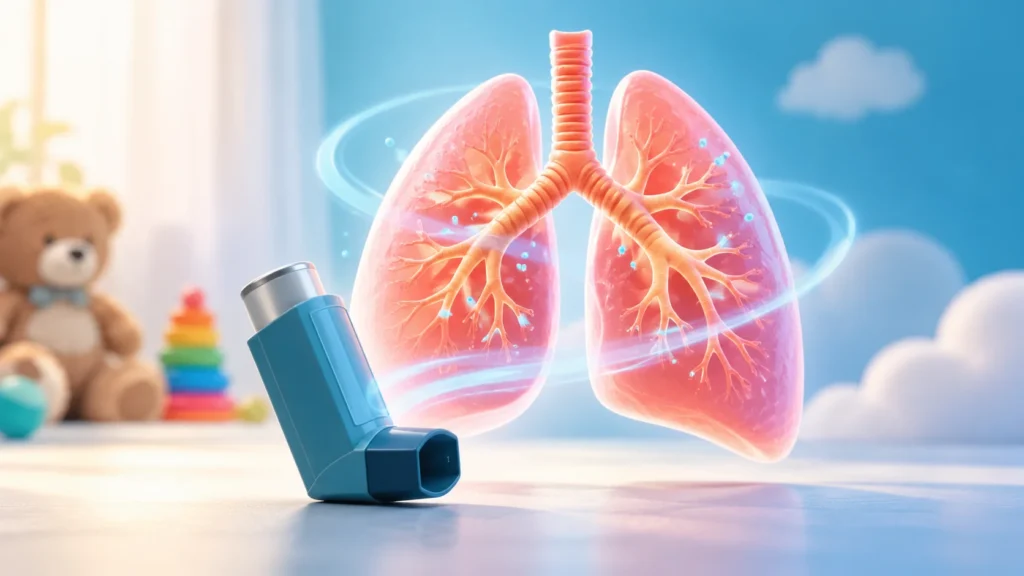
Asthma is one of the most common long-term breathing conditions in children. It affects the airways, which are the tubes that carry air in and out of the lungs. In a child with asthma, these airways become inflamed, narrow, and overly sensitive. When the child is exposed to a trigger such as dust, infection, cold air, smoke, exercise, or allergies, the airways can tighten and produce extra mucus. This makes breathing difficult and causes coughing, wheezing, chest tightness, or breathlessness.

Many parents first notice asthma when their child keeps coughing at night, gets breathless while playing, or has repeated chest infections. Some children have mild symptoms that come and go. Others may have frequent attacks that affect sleep, school attendance, and daily activities. The good news is that asthma can be managed very well when it is diagnosed early and treated consistently.

What is Pediatric Asthma?

Pediatric asthma is a chronic inflammatory condition of the airways in children. It is not just a simple cough or a temporary chest infection. It is a long-term condition where the airways remain sensitive and can become narrow when exposed to certain triggers.

In asthma, three main things happen in the lungs:

  • The airways become inflamed or swollen.
  • The muscles around the airways tighten.
  • The airways produce extra mucus.

Together, these changes make it harder for air to move in and out of the lungs. This leads to wheezing, coughing, and breathlessness. The severity can vary from child to child. Some children have occasional symptoms, while others may have frequent attacks that need regular treatment.

Pediatric asthma can start at any age, but many children show symptoms before school age. It is more common in children with allergies, family history of pediatric asthma, or frequent respiratory infections. With proper treatment, most children with asthma can play, study, sleep well, and live an active life.

Why Asthma Happens in Children

The exact cause of Pediatric asthma is not always known. It usually develops due to a mix of genetics, environment, and immune system response.

Main reasons pediatric asthma develops

  • Genetic tendency, especially if parents or siblings have asthma or allergies.
  • Allergic sensitivity to dust, pollen, mold, or pet dander.
  • Frequent viral infections in early childhood.
  • Exposure to smoke, pollution, or strong smells.
  • Poor air quality in the home or outside.
  • Low birth weight or premature birth.
  • Certain infections affecting the lungs early in life.
  • Immune system differences that make airways more reactive.

Why some children are more sensitive

Some children have airways that react more strongly to triggers. Even a small amount of dust, smoke, or cold air can cause inflammation and narrowing. This is called airway hyperresponsiveness. Over time, if pediatric asthma is not controlled, the airways may become more sensitive and inflamed more easily.

Common Triggers of Asthma in Children

Pediatric asthma symptoms often appear or worsen after exposure to certain triggers. Identifying these triggers is an important part of treatment.

Common triggers include:

  • Dust and dust mites.
  • Pollen from trees, grass, or weeds.
  • Mold and dampness.
  • Pet dander from cats, dogs, or birds.
  • Cigarette smoke or passive smoking.
  • Air pollution and vehicle smoke.
  • Strong smells like perfume, paint, or cleaning products.
  • Cold air or sudden weather change.
  • Respiratory infections like cold or flu.
  • Exercise or running, especially in cold or dry air.
  • Emotional stress or strong crying.
  • Certain foods or food additives in some children.

Why trigger control matters

Avoiding or reducing triggers can lower the frequency of pediatric asthma attacks. Many children improve significantly when the home environment is cleaner, smoke exposure is removed, and infections are managed early.

Symptoms of Pediatric Asthma

Symptoms can be mild, moderate, or severe. They may come and go, and often get worse at night or early morning.

Common symptoms include:

  • Repeated coughing, especially at night or early morning.
  • Wheezing or a whistling sound while breathing.
  • Chest tightness.
  • Shortness of breath.
  • Fast breathing.
  • Tiredness during play.
  • Difficulty sleeping due to coughing.
  • Frequent chest infections.
  • Coughing after running or crying.
  • Reduced activity or avoiding play.

Signs of an pediatric asthma attack

  • Sudden worsening of breathlessness.
  • Loud wheezing.
  • Inability to speak in full sentences.
  • Bluish lips or fingertips.
  • Chest retractions or pulling in of skin between ribs.
  • Severe restlessness or panic.
  • Extreme tiredness.
  • Poor response to usual inhaler.

Symptoms in younger children

Younger children may not be able to explain how they feel. Parents may notice:

  • Frequent nighttime cough.
  • Noisy breathing.
  • Fast breathing.
  • Irritability.
  • Poor feeding.
  • Tiredness during play.
  • Repeated chest infections.

How is Pediatric Asthma Diagnosed?

Diagnosis is based on symptoms, medical history, physical examination, and sometimes lung function tests. Since young children cannot always perform breathing tests, doctors may rely more on history and response to treatment.

Diagnostic steps

  • Detailed history of cough, wheeze, or breathlessness.
  • Family history of asthma or allergies.
  • Pattern of symptoms, such as nighttime cough or exercise-related symptoms.
  • Physical examination of the chest.
  • Assessment of growth and general health.
  • Response to pediatric asthma medicines.

Tests that may be done

  • Spirometry or lung function test in older children.
  • Peak flow measurement to assess airway narrowing.
  • Allergy testing to identify triggers.
  • Chest X-ray if infection or other lung problem is suspected.
  • Blood tests if infection or other condition needs to be ruled out.
  • Pulse oximetry to check oxygen level during severe symptoms.

Why diagnosis matters

Pediatric asthma symptoms can look like other conditions such as bronchitis, pneumonia, reflux, or viral infections. Proper diagnosis ensures the child gets the right treatment and avoids unnecessary medicines or delayed care.

Treatment for Pediatric Asthma

Treatment aims to control symptoms, prevent attacks, and allow the child to live a normal, active life. It usually involves medicines, trigger control, and regular follow-up.

1. Reliever medicines

These are quick-acting medicines used during an pediatric asthma attack or when symptoms suddenly worsen.

  • Usually given through an inhaler.
  • Work within minutes to open the airways.
  • Help relieve wheezing, coughing, and breathlessness.
  • Should be used exactly as prescribed.

2. Controller medicines

These are long-term medicines used daily to keep pediatric asthma under control.

  • Reduce inflammation in the airways.
  • Prevent symptoms from coming back.
  • Lower the risk of severe attacks.
  • Often include inhaled corticosteroids.
  • Need to be used regularly, even when the child feels well.

3. Combination inhalers

Some children need a combination of medicines in one inhaler.

  • Include both anti-inflammatory and bronchodilator action.
  • Help control symptoms and prevent attacks.
  • Used under medical supervision.

4. Allergy management

If allergies are a major trigger, allergy control is important.

  • Identify specific allergens through testing.
  • Reduce exposure to dust, pets, mold, or pollen.
  • Use allergy medicines if prescribed.
  • Consider immunotherapy in selected cases.

5. Emergency treatment

In severe attacks, hospital care may be needed.

  • Oxygen support.
  • Nebulization or inhaled medicines.
  • Steroids to reduce inflammation.
  • Monitoring of breathing and oxygen levels.
  • Treatment of infection if present.

Inhaler Use in Children

Inhalers are the main treatment for pediatric asthma because they deliver medicine directly to the lungs.

Types of inhalers

  • Metered dose inhaler with spacer.
  • Dry powder inhaler.
  • Soft mist inhaler.
  • Nebulizer for younger children or severe attacks.

Tips for correct inhaler use

  • Use a spacer for young children.
  • Shake the inhaler before use.
  • Breathe out fully before inhaling.
  • Press the inhaler and breathe in slowly.
  • Hold breath for a few seconds if possible.
  • Rinse mouth after using steroid inhalers.
  • Clean the spacer regularly.

Why correct technique matters

Many children do not get full benefit from inhalers because of incorrect technique. Proper training from a doctor or nurse can improve control and reduce the need for emergency care.

Home Care and Lifestyle Tips

Daily habits play a big role in keeping pediatric asthma under control.

Helpful home care steps

  • Keep the home clean and dust-free.
  • Avoid smoking inside the house.
  • Use mattress and pillow covers to reduce dust mites.
  • Wash bedding regularly in hot water.
  • Keep pets out of the child’s bedroom if they are a trigger.
  • Avoid strong smells and harsh cleaning products.
  • Keep windows closed during high pollen days if pollen is a trigger.
  • Ensure the child takes medicines regularly.
  • Keep a written asthma action plan.

Exercise and activity

  • Encourage normal play and activity.
  • Warm up before exercise.
  • Use reliever inhaler before exercise if prescribed.
  • Avoid exercise during very cold or polluted air.
  • Do not restrict activity unnecessarily if asthma is controlled.

Diet and general health

  • Encourage a balanced diet with fruits and vegetables.
  • Ensure adequate hydration.
  • Treat infections early.
  • Keep vaccinations up to date.
  • Maintain a healthy weight.

Possible Complications

If pediatric asthma is not controlled, it can lead to complications over time.

Possible complications include:

  • Frequent asthma attacks.
  • Emergency hospital visits.
  • Poor sleep and tiredness.
  • Missed school days.
  • Reduced physical activity.
  • Poor growth in severe cases.
  • Lung function decline over time.
  • Anxiety or fear of attacks.
  • Increased risk of chest infections.

Why complications happen

When inflammation is not controlled, the airways remain sensitive and narrow. Repeated attacks can cause more damage and make future attacks more likely. Early treatment reduces this risk.

When to See a Doctor?

Parents should seek medical advice if symptoms are frequent, worsening, or affecting daily life.

  • Coughing more than a few nights a week.
  • Wheezing that keeps returning.
  • Breathlessness during normal play.
  • Frequent chest infections.
  • Symptoms not improving with usual inhaler.
  • Need for reliever inhaler more than twice a week.
  • Poor sleep due to coughing.
  • Missed school due to breathing problems.

Prevention of Pediatric Asthma Attacks

Prevention focuses on reducing triggers and keeping asthma well controlled.

Prevention pointers

  • Follow the asthma action plan given by the doctor.
  • Take controller medicines regularly.
  • Avoid known triggers.
  • Keep the home clean and smoke-free.
  • Treat colds and infections early.
  • Keep vaccinations up to date.
  • Monitor symptoms and peak flow if advised.
  • Attend regular follow-up visits.
  • Educate the child and caregivers about inhaler use.

For school-going children

  • Inform teachers about the child’s asthma.
  • Keep a reliever inhaler accessible if allowed.
  • Have a written action plan for school.
  • Avoid strong smells or dusty areas when possible.
  • Encourage normal participation in activities with proper control.

Why Choose Rama Hospital for Pediatric Asthma Care?

Pediatric asthma needs careful assessment, correct inhaler technique, trigger control, and long-term follow-up. A hospital with experienced pediatricians, pulmonologists, and respiratory therapists can make a major difference in outcomes.

  • Expert evaluation by pediatric specialists.
  • Accurate diagnosis and trigger identification.
  • Proper inhaler training for child and parents.
  • Personalized treatment plans.
  • Emergency care for severe attacks.
  • Regular follow-up to adjust medicines.
  • Support for school and daily activity management.

Frequently Asked Questions (FAQs)

Can children outgrow asthma?

Some children may have fewer symptoms as they grow, but asthma does not always go away completely. Many children continue to have mild symptoms or need occasional treatment. Regular follow-up is important.

Is asthma contagious?

No, asthma itself is not contagious. However, colds and viral infections that trigger asthma symptoms can spread from person to person.

Can asthma be cured?

Asthma cannot always be cured, but it can be very well controlled. With the right medicines and lifestyle changes, most children can live normal, active lives with few or no symptoms.

What are the common triggers for asthma in children?

Common triggers include dust, pollen, mold, pet dander, smoke, pollution, cold air, exercise, and respiratory infections. Identifying and avoiding these triggers helps reduce attacks.

How is asthma diagnosed in young children?

In young children, diagnosis is often based on symptoms, history, and response to treatment. Lung function tests may be done in older children to confirm the diagnosis.

Are inhalers safe for children?

Yes, inhalers are safe when used as prescribed. They deliver medicine directly to the lungs and have fewer side effects than oral medicines. Proper technique and dose are important.

Can my child play sports with asthma?

Yes, most children with asthma can play sports and be active. Exercise may trigger symptoms in some cases, but with proper warm-up and inhaler use if prescribed, activity is usually safe and encouraged.

What should I do during an asthma attack?

Stay calm, help the child sit upright, use the reliever inhaler as prescribed, and seek emergency help if symptoms are severe or not improving. Do not wait if the child is struggling to breathe.

How can I prevent asthma attacks at home?

Keep the home clean and smoke-free, reduce dust and pet dander, avoid strong smells, treat infections early, and ensure the child takes controller medicines regularly.

Conclusion

Pediatric asthma is a common but manageable condition. With early diagnosis, proper treatment, trigger control, and regular follow-up, most children can lead normal, active lives. The key is to recognize symptoms early, use inhalers correctly, and avoid triggers that worsen the condition.

Parents play a very important role in managing asthma. By keeping the home environment clean, ensuring medicines are taken regularly, and knowing when to seek help, they can reduce the risk of severe attacks and improve their child’s quality of life.

Rama Hospital can help evaluate pediatric asthma, identify triggers, provide proper inhaler training, and support long-term management. With the right care, children with asthma can breathe easier, sleep better, and enjoy a full, active childhood.

Table of Contents

Explore More

What to Know More About Pediatric asthma

Find Ailments & Treatments

Search Ailments

Quickly find the information you need. Search our database to explore detailed information on various diseases and conditions, including symptoms, causes, and treatment options.

Search Treatments

Quickly find the information you need. Search our database to explore detailed information on various diseases and conditions, including symptoms, causes, and treatment options.

Recommended Reading

Video Playlist

No rows found.

Experience Healthcare the Rama Way

Emergency • OPD • Surgery • ICU Care

Need Help? Talk to our experts

Get a callback from our experts

Request a callback