-

-

Urine Protein / Microalbumin Tests

Urine Protein / Microalbumin Tests

Urine Protein

Urine Protein / Microalbumin Tests: Purpose, Results, Kidney Health, and Treatment

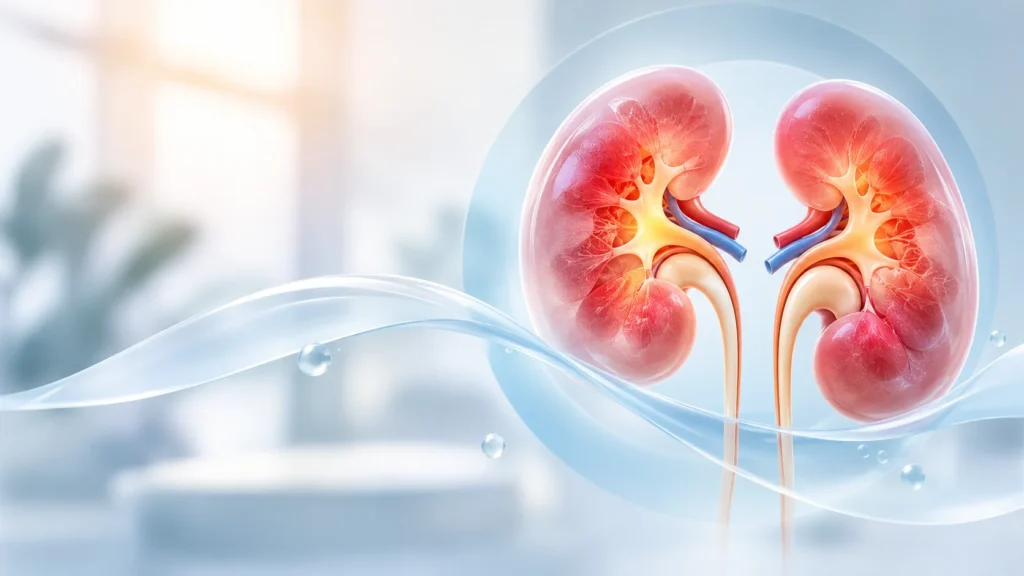
A urine protein or microalbumin test is an important investigation used to check whether the kidneys are leaking protein into the urine. Healthy kidneys act like highly efficient filters. They remove waste and excess fluid from the blood while keeping useful substances, including proteins, inside the body. When the kidney filters are damaged or under stress, small amounts of protein may pass into the urine.

One of the most important proteins checked in urine is albumin. Albumin is normally present in the blood and plays an important role in maintaining fluid balance and transporting substances through the body. Healthy kidneys usually prevent most albumin from entering urine. When albumin is found in urine in higher-than-normal amounts, it is called albuminuria. It may be an early sign of kidney damage, particularly in people with diabetes, high blood pressure, heart disease, obesity, or a family history of kidney disease.

What Is a Urine Protein Test?

A urine protein test checks whether protein is present in the urine. Normally, urine contains little or no protein because healthy kidneys prevent most proteins from crossing into the urine.

Protein in the urine is called proteinuria. Albumin is the most common and clinically important protein measured because it is often one of the earliest proteins to leak when kidney filters are affected.

A basic urine routine or urine dipstick test may detect larger amounts of protein. However, very early protein leakage can be missed by routine dipstick testing. This is where the microalbumin or urine albumin-to-creatinine ratio test becomes useful.

What the test can help identify

  • Early kidney damage before major symptoms develop.
  • Kidney stress related to diabetes.
  • Kidney damage related to high blood pressure.
  • Protein leakage caused by inflammation or kidney disease.
  • Risk of chronic kidney disease progression.
  • Risk of heart and blood vessel complications in some patients.
  • Need for medicine changes, tighter blood pressure control, or diabetes management.
  • Need for nephrology or kidney-specialist referral.

Protein in urine is often painless and may not cause obvious symptoms in the beginning. This makes routine screening especially valuable for high-risk people.

What Is a Microalbumin Test?

A microalbumin test measures small amounts of albumin in the urine. It is designed to detect albumin leakage earlier than a standard urine protein dipstick test.

The word “microalbumin” does not mean that albumin itself is a tiny type of protein. It refers to a small but abnormal amount of albumin that may not be detected by routine urine testing.

The test measures:

  • Albumin in urine.
  • Creatinine in urine.
  • The ratio between albumin and creatinine.

Creatinine is a waste product produced by normal muscle activity. Measuring creatinine alongside albumin helps account for how concentrated or diluted the urine sample is.

Why microalbumin testing matters

  • It can identify early kidney injury.
  • It may detect damage before kidney function declines on blood testing.
  • It helps monitor people with diabetes and hypertension.
  • It can guide treatment to reduce kidney stress.
  • It helps track whether medicines and lifestyle changes are protecting the kidneys.

Difference Between Proteinuria and Albuminuria

Proteinuria and albuminuria are closely related but are not exactly the same.

  1. Proteinuria: Proteinuria means that an abnormal amount of protein is present in urine. The protein may include albumin and other proteins. A urine dipstick test can often detect moderate or high levels of total protein.
  2. Albuminuria: Albuminuria means that albumin specifically is present in urine at higher-than-normal levels. It may appear before significant total protein is detected on a routine urine test.

Why Is the Urine Protein / Microalbumin Test Done?

This test is not only performed when someone has kidney symptoms. It is often used as a screening and monitoring tool.

Your doctor may recommend the test if you have:

  • Diabetes, especially type 1 or type 2 diabetes.
  • High blood pressure.
  • A family history of kidney disease.
  • Heart disease or heart failure.
  • Obesity or metabolic syndrome.
  • High cholesterol.
  • A history of stroke or blood vessel disease.
  • Chronic kidney disease.
  • Recurrent urinary abnormalities.
  • Swelling in the feet, ankles, face, or eyelids.
  • Foamy or frothy urine.
  • Unexplained fatigue or weakness.
  • Autoimmune diseases such as lupus.
  • Long-term use of medicines that may affect kidneys.
  • Previous abnormal urine protein results.

Why people with diabetes need regular screening

High blood sugar can damage the tiny blood vessels in the kidneys over time. This damage may cause albumin to leak into urine before a person experiences major symptoms.

Regular UACR testing can help detect diabetic kidney disease early, allowing doctors to improve blood sugar control, manage blood pressure, review medicines, and reduce the risk of further kidney damage. The test is frequently used for people who are at increased risk of kidney disease but may not have symptoms.

Why people with high blood pressure need testing

High blood pressure can damage kidney filters gradually. At the same time, kidney disease itself can make blood pressure harder to control. Testing urine for albumin helps doctors identify possible kidney involvement early and plan treatment accordingly.

Who Should Consider Screening?

Many people with early kidney damage feel completely normal. Screening is therefore especially important for those at higher risk.

Screening may be advised for:

  • Adults with diabetes.
  • Patients with long-term hypertension.
  • People with both diabetes and high blood pressure.
  • Patients with known heart disease.
  • People with chronic kidney disease.
  • Individuals with a parent or sibling who has kidney disease.
  • People with obesity or metabolic syndrome.
  • Patients with autoimmune disease.
  • People who have had abnormal urine tests in the past.
  • Individuals taking kidney-affecting medicines under long-term medical supervision.
  • Pregnant women when the doctor suspects kidney disease or pregnancy-related complications.
  • People with swelling, blood in urine, or persistently foamy urine.

Kidney disease is often silent in the early stages. Screening is designed to find warning signs before symptoms become severe.

Symptoms That May Be Linked to Protein in Urine

Early protein leakage usually does not cause noticeable symptoms. This is why testing matters more than waiting for symptoms.

As proteinuria becomes more significant, some people may notice changes.

Possible symptoms include:

  • Foamy or bubbly urine.
  • Swelling in the feet or ankles.
  • Puffiness around the eyes, especially in the morning.
  • Swelling of hands or face.
  • Unexplained weight gain due to fluid retention.
  • Tiredness or weakness.
  • Reduced appetite.
  • Nausea in more advanced kidney disease.
  • Changes in urine amount.
  • High blood pressure.
  • Breathlessness if fluid overload becomes severe.

These symptoms can also occur in other conditions. A urine protein result needs proper interpretation by a doctor, rather than self-diagnosis based on urine appearance alone.

Causes of Protein or Albumin in Urine

Protein in urine can be temporary, treatable, or related to longer-term kidney disease. The cause determines the next steps.

Temporary causes of albuminuria or proteinuria

  • Dehydration.
  • Fever.
  • Urinary tract infection.
  • Strenuous exercise.
  • Recent intense physical activity.
  • Emotional stress.
  • Acute illness.
  • High blood sugar.
  • A short-term increase in blood pressure.
  • Menstruation or vaginal contamination of the urine sample.
  • Pregnancy in some situations.

A temporary abnormal result may return to normal once the triggering factor resolves. This is one reason repeat testing is commonly recommended.

Kidney-related causes

  • Diabetic kidney disease.
  • High blood pressure-related kidney damage.
  • Chronic kidney disease.
  • Glomerulonephritis, which is inflammation of the kidney filters.
  • Nephrotic syndrome.
  • Polycystic kidney disease.
  • Autoimmune kidney disease.
  • Kidney infection in some cases.
  • Kidney scarring or previous kidney injury.

Other medical causes

  • Heart failure.
  • Severe obesity.
  • Autoimmune conditions such as lupus.
  • Certain infections.
  • Multiple myeloma and some blood disorders.
  • Pregnancy-related hypertension or preeclampsia.
  • Certain medicines that affect the kidneys.

How Is the Test Performed?

The urine protein or UACR test is simple, quick, and non-invasive.

What usually happens

  • You provide a urine sample in a clean container.
  • The laboratory measures urine albumin.
  • The laboratory measures urine creatinine.
  • The albumin-to-creatinine ratio is calculated.
  • Your doctor reviews the result along with other kidney tests and health conditions.

A random spot urine sample is often enough. In many cases, an early morning urine sample may be preferred because it is less affected by daily activity and hydration changes. However, your doctor or laboratory will guide you on the collection method.

How to Prepare for a Urine Protein or Microalbumin Test

Most people do not need special preparation. However, certain steps can make the result more reliable.

Before giving the sample

  • Ask your doctor whether an early morning sample is preferred.
  • Drink your usual amount of water; do not deliberately overdrink or severely restrict fluids.
  • Avoid heavy exercise immediately before the test unless your doctor advises otherwise.
  • Inform the doctor if you have fever, vomiting, diarrhea, or an active infection.
  • Inform the doctor if you have symptoms of a urinary tract infection.
  • Tell the laboratory if you are menstruating.
  • Mention all regular medicines, supplements, and herbal products.
  • Follow any special instructions provided by the hospital or laboratory.

During sample collection

  • Use the sterile container provided by the laboratory.
  • Follow clean-catch instructions if given.
  • Avoid touching the inside of the container.
  • Submit the sample promptly as advised.

Understanding UACR Results

The UACR result is usually reported as milligrams of albumin per gram of creatinine, written as mg/g.

Common interpretation ranges

  • Less than 30 mg/g is generally considered normal or mildly increased.
  • 30 to 300 mg/g is commonly described as moderately increased albuminuria; this was historically called microalbuminuria.
  • More than 300 mg/g is commonly described as severely increased albuminuria; this was historically called macroalbuminuria.

What Happens If the Result Is Abnormal?

An abnormal result does not mean you should panic. The next step is to find out whether the albumin leak is temporary or persistent.

Your doctor may recommend:

  • Repeating the UACR test.
  • Urine routine and microscopy.
  • Urine culture if infection is suspected.
  • Blood pressure measurement and monitoring.
  • Blood sugar and HbA1c testing.
  • Blood creatinine and eGFR testing.
  • Electrolyte testing.
  • Kidney ultrasound in selected cases.
  • Lipid profile or cholesterol testing.
  • Review of medicines and supplements.
  • Referral to a nephrologist if protein levels are high or kidney function is affected.

Treatment for Urine Protein / Microalbuminuria

There is no single treatment for protein in urine because treatment depends on the cause. The goal is to protect kidney function, reduce albumin leakage, and manage the condition contributing to kidney stress.

Treatment may include:

  • Better blood sugar control in diabetes.
  • Blood pressure management.
  • Kidney-protective medicines when appropriate.
  • Reducing salt intake.
  • Weight management.
  • Stopping smoking and tobacco use.
  • Treating urinary or kidney infections.
  • Reviewing painkillers and other medicines that may affect kidneys.
  • Managing cholesterol and cardiovascular risk.
  • Specialist nephrology care for persistent or significant proteinuria.

1. Managing diabetes

For people with diabetes, controlling blood sugar is one of the most important steps in protecting the kidneys.

Your doctor may recommend:

  • Regular blood sugar monitoring.
  • HbA1c monitoring.
  • A diabetes-friendly meal plan.
  • Regular physical activity as medically appropriate.
  • Diabetes medicines or insulin adjustments.
  • Regular kidney screening.

2. Controlling blood pressure

Blood pressure control helps reduce strain on kidney filters.

Your doctor may recommend:

  • Regular blood pressure checks.
  • Reduced dietary salt.
  • Healthy weight management.
  • Exercise suited to your health status.
  • Medicines to control blood pressure.
  • Monitoring for dizziness or very low BP if medicines are adjusted.

Some blood pressure medicines may be selected because they can also reduce albumin leakage in suitable patients. The choice depends on kidney function, potassium level, blood pressure, pregnancy status, and other medical conditions.

3. Kidney-protective medicines

Doctors may prescribe medications that help protect the kidneys in patients with diabetes, hypertension, albuminuria, or chronic kidney disease.

These medicines should only be taken under medical supervision because they may need monitoring of kidney function, blood pressure, and potassium levels.

4. Treating infections and temporary causes

If protein is linked to a urinary tract infection, fever, dehydration, or acute illness, treatment focuses on the cause.

  • Urinary infection may need antibiotics after medical assessment.
  • Dehydration may need oral or IV fluids depending on severity.
  • Fever or acute illness should be managed appropriately.
  • Repeat urine testing may be done after recovery.

5. Managing immune or kidney-filter disease

Some forms of proteinuria are caused by inflammation of the kidney filters. These conditions may need nephrology assessment, further tests, and specific medicines.

Treatment may include:

  • Blood and urine testing.
  • Kidney imaging.
  • Autoimmune testing.
  • Medication to reduce inflammation where appropriate.
  • Kidney biopsy in selected cases.
  • Long-term kidney monitoring.

Possible Complications if Proteinuria Is Ignored

Protein in the urine is not always serious, but persistent proteinuria can be a warning sign of ongoing kidney damage.

Possible complications include:

  • Progression of chronic kidney disease.
  • Declining kidney filtration ability.
  • Swelling due to fluid retention.
  • Difficult-to-control high blood pressure.
  • Higher risk of heart disease and stroke.
  • Increased risk of kidney failure in severe cases.
  • Anemia and mineral-bone complications in advanced kidney disease.
  • Need for dialysis or kidney transplant in end-stage cases.

Early treatment can slow or prevent many of these complications. The goal is to identify kidney stress early and protect the kidneys before major loss of function occurs.

When to See a Doctor?

Arrange a medical appointment if you have risk factors for kidney disease or an abnormal urine result.

  • Diabetes or high blood pressure.
  • A positive urine protein or UACR test.
  • Persistent foamy urine.
  • Swelling in the feet, ankles, face, or around the eyes.
  • A family history of kidney disease.
  • Frequent urinary infections.
  • Blood in urine.
  • Unexplained tiredness, nausea, or appetite loss.
  • Reduced urine output.
  • Difficulty controlling blood pressure.
  • Pregnancy with swelling, high blood pressure, or protein in urine.

Why Choose Rama Hospital for Urine Protein / Microalbumin Testing?

Urine protein and microalbumin testing can reveal early kidney stress before severe symptoms occur. The result needs careful interpretation, repeat testing when required, and a treatment plan that addresses the underlying cause.

  • Urine protein, urine routine, and UACR testing.
  • Blood tests for creatinine, eGFR, sugar, electrolytes, and other kidney indicators.
  • Evaluation of diabetes and high blood pressure.
  • Assessment for urinary infection and kidney disease.
  • Specialist care from internal medicine, diabetology, nephrology, cardiology, and nutrition teams when required.
  • Personalized guidance for medicines, diet, lifestyle, and follow-up.
  • Monitoring to help protect kidney health over time.

Frequently Asked Questions (FAQs)

1. What does protein in urine mean?

Protein in urine, called proteinuria, can happen when the kidney filters allow protein to pass into the urine. It may be temporary due to dehydration, fever, exercise, or infection, or it may indicate kidney damage. A doctor may repeat the test and order further investigations to confirm the cause.

2. What is a microalbumin or UACR test?

A microalbumin test, commonly called a urine albumin-to-creatinine ratio or UACR test, checks for small amounts of albumin in urine. It can detect early kidney damage, particularly in people with diabetes or high blood pressure, even before major symptoms appear.

3. Is a UACR above 30 mg/g serious?

A UACR above 30 mg/g is generally considered abnormal and may indicate albuminuria. One high value does not always mean permanent kidney disease because exercise, infection, high blood sugar, or dehydration can affect it. Repeat testing and evaluation with eGFR are important.

4. Do I need to fast before a urine microalbumin test?

Fasting is usually not required for a urine microalbumin or UACR test. However, you should follow laboratory instructions, avoid intense exercise just before the test, and tell your doctor about fever, urinary infection, or menstruation, as these can affect the result.

5. Can diabetes cause protein in urine?

Yes. Long-term high blood sugar can damage the tiny filtering units of the kidneys, allowing albumin to leak into urine. Regular UACR screening helps detect diabetic kidney disease early, so treatment can be adjusted to protect kidney function.

6. Can high blood pressure cause urine protein?

Yes. Uncontrolled high blood pressure can damage the blood vessels and filters inside the kidneys, leading to albumin or protein leakage. Good blood pressure control is one of the most important ways to protect kidney health and slow further damage.

7. Can protein in urine be reduced?

In many cases, protein in urine can be reduced by treating the cause. Better blood sugar and blood pressure control, kidney-protective medicines, infection treatment, reduced salt intake, healthy weight management, and stopping smoking may help reduce albumin leakage.

8. Is foamy urine always a sign of proteinuria?

No. Foamy urine can occur because of fast urination, dehydration, or cleaning product residue in the toilet. However, persistent frothy urine, especially with swelling or diabetes or high blood pressure, should be evaluated with a urine test.

Conclusion

Urine protein and microalbumin tests are valuable tools for detecting early signs of kidney stress or kidney damage. They are especially important for people with diabetes, high blood pressure, obesity, heart disease, family history of kidney disease, or previous abnormal urine tests. Because early kidney disease often causes no pain or obvious symptoms, screening can make a major difference.

An abnormal urine protein or UACR result does not always mean permanent kidney disease. Temporary factors can affect the test, which is why repeat testing and complete medical evaluation are important. When albuminuria is persistent, early treatment focused on blood sugar control, blood pressure management, kidney-protective care, lifestyle changes, and regular monitoring can help preserve kidney function.

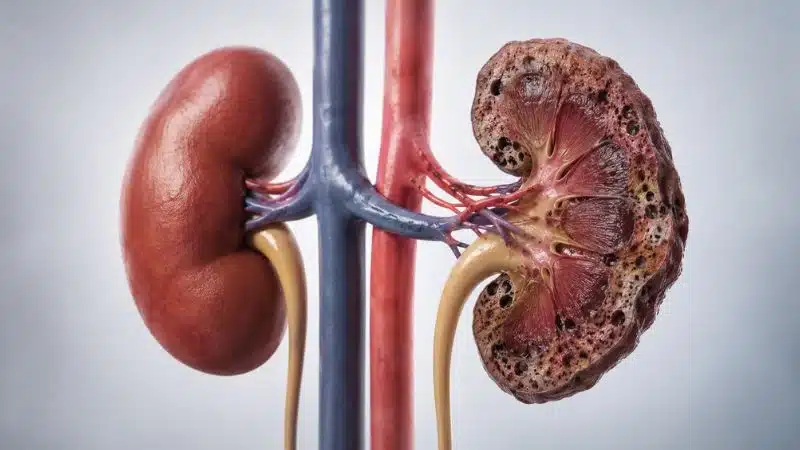
Table of Contents

Explore More

What to Know More About Urine Protein / Microalbumin Tests

Find Ailments & Treatments

Search Ailments

Quickly find the information you need. Search our database to explore detailed information on various diseases and conditions, including symptoms, causes, and treatment options.

Search Treatments

Quickly find the information you need. Search our database to explore detailed information on various diseases and conditions, including symptoms, causes, and treatment options.

Recommended Reading

Video Playlist

No rows found.

Experience Healthcare the Rama Way

Emergency • OPD • Surgery • ICU Care

Need Help? Talk to our experts

Get a callback from our experts

Request a callback