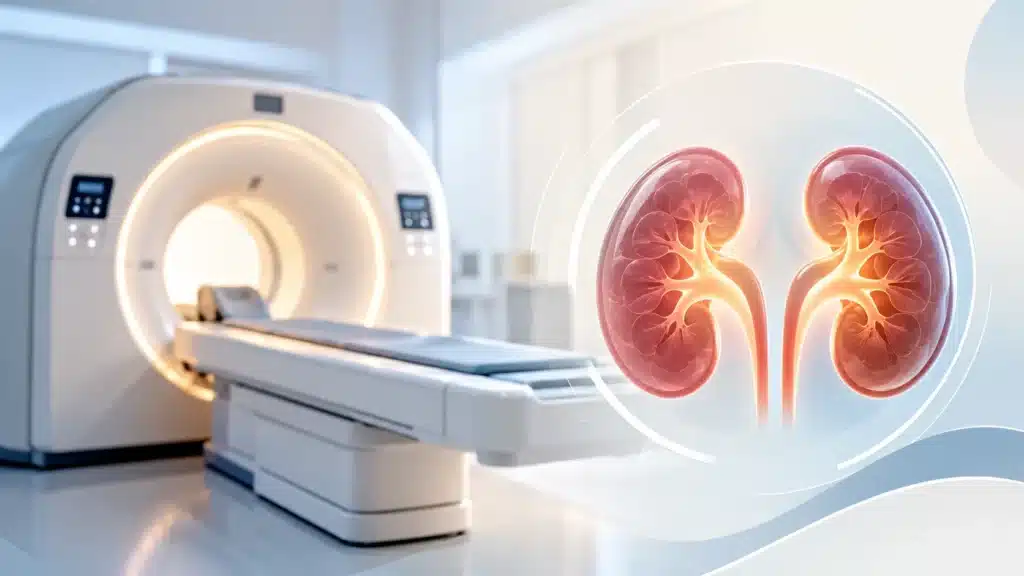
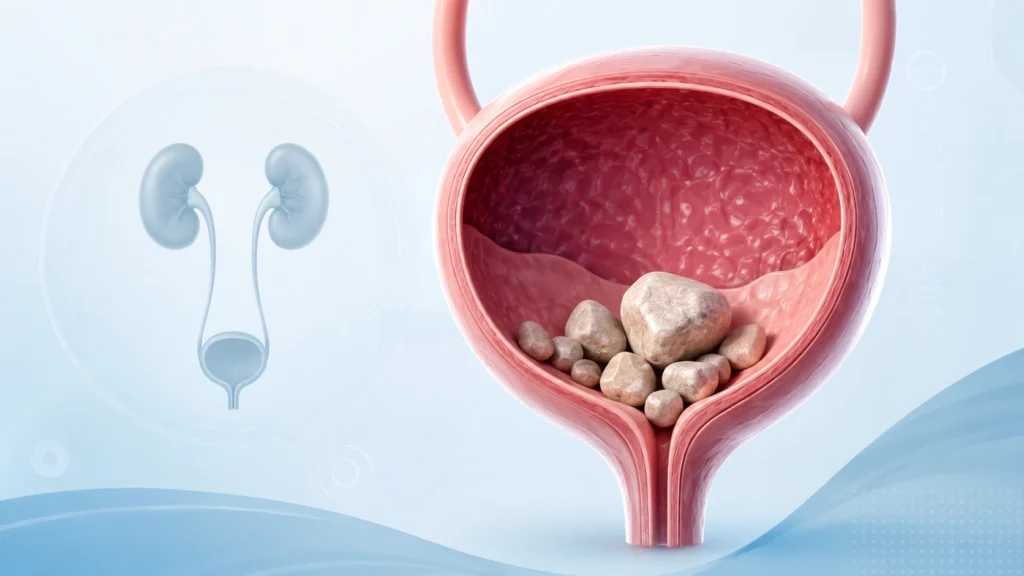
A CT scan, or computed tomography scan, is a specialized imaging test that uses X-rays and computer technology to create detailed cross-sectional images of the body. When it comes to kidney disorders, a CT scan is one of the most important tools available to doctors. It helps visualize the kidneys, ureters, bladder, and surrounding structures with high clarity. This allows for accurate diagnosis of kidney stones, infections, tumors, cysts, blockages, injuries, and other abnormalities.
Many patients hear the term “CT scan for kidneys” but are not sure why it is done, how it is performed, or whether it is safe. Some worry about radiation, contrast dye, or the procedure itself. In reality, a kidney CT scan is a quick, non-invasive test that provides critical information for planning treatment. It can detect problems that may not be visible on ultrasound or plain X-ray.
What is a CT Scan for Kidney Disorders?
A CT scan for kidney disorders is an imaging test that creates detailed pictures of the kidneys and urinary tract. Unlike a plain X-ray, which shows only basic outlines, a CT scan produces multiple cross-sectional images that can be viewed from different angles. This helps doctors see the size, shape, position, and internal structure of the kidneys.
The test can be done with or without contrast dye. Contrast is a special liquid that is injected into a vein or given by mouth to make certain structures show up more clearly. For kidney imaging, contrast helps highlight the blood vessels, kidney tissue, and urinary collecting system. This makes it easier to detect stones, tumors, infections, blockages, and other problems.
A kidney CT scan is usually performed in the radiology department of a hospital or diagnostic center. The patient lies on a motorized table that slides into a donut-shaped scanner. The machine rotates around the body, taking multiple images in a short time. A computer then processes these images into clear, detailed pictures that a radiologist interprets.
Why is CT Scan Done for Kidney Disorders?
Doctors recommend a CT scan for kidney disorders when they need more detailed information than what ultrasound or basic tests can provide.
Common reasons for a kidney CT scan
- To detect kidney stones and determine their size, number, and location.
- To evaluate blood in urine when the cause is not clear.
- To investigate persistent flank pain or abdominal pain.
- To assess kidney infections or abscesses.
- To look for kidney tumors, cysts, or masses.
- To evaluate blockages in the urinary tract.
- To assess kidney injury after trauma or accident.
- To plan surgery or other interventions for kidney problems.
- To monitor known kidney conditions over time.
- To evaluate congenital abnormalities of the kidneys or ureters.
Why CT is preferred in certain situations
- It provides higher detail than ultrasound for stones and tumors.
- It can detect small stones that may be missed on other tests.
- It shows both kidneys and the entire urinary tract in one scan.
- It helps differentiate between solid masses and fluid-filled cysts.
- It provides information about blood vessels and surrounding organs.
Types of CT Scans for Kidney Disorders
Different types of CT scans may be used depending on the clinical question.
Non-contrast CT scan
- Done without contrast dye.
- Often used for detecting kidney stones.
- Quick and does not require injection.
- Useful when contrast is not safe or needed.
Contrast-enhanced CT scan
- Done with intravenous contrast dye.
- Provides detailed images of kidney tissue and blood vessels.
- Helps detect tumors, infections, and structural abnormalities.
- May involve multiple phases of imaging.
CT urography
- A specialized CT scan focused on the entire urinary tract.
- Includes images of kidneys, ureters, and bladder.
- Often done with contrast in multiple phases.
- Useful for evaluating blood in urine, tumors, or blockages.
CT angiography for kidneys
- Focuses on blood vessels supplying the kidneys.
- Helps detect narrowing, clots, or vascular abnormalities.
- Requires contrast injection.
- Used when vascular problems are suspected.
The type of scan is decided by the doctor based on symptoms, medical history, and the specific condition being evaluated.
How is the CT Scan Procedure Performed?
The procedure is straightforward and usually takes only a few minutes.
Before the scan
- The patient is asked to change into a hospital gown.
- Metal objects such as jewelry, belts, or coins are removed.
- An intravenous line may be placed if contrast is needed.
- The radiology team explains the procedure and answers questions.
During the scan
- The patient lies on their back on a motorized table.
- The table slides into the CT scanner, which is a donut-shaped machine.
- The patient is asked to hold their breath for short periods to avoid movement.
- The scanner rotates around the body, taking multiple images.
- If contrast is used, it is injected through the IV line during the scan.
- The patient may feel a warm sensation or metallic taste during contrast injection.
- The technologist communicates with the patient through an intercom system.
After the scan
- The IV line is removed if contrast was given.
- The patient can usually resume normal activities immediately.
- Images are reviewed by a radiologist.
- A report is sent to the treating doctor.
- Results are discussed with the patient during follow-up.
The entire process, including preparation and scanning, typically takes 15 to 30 minutes.
Preparation for CT Scan for Kidney Disorders
Proper preparation helps ensure good image quality and safety.
General preparation pointers
- Follow fasting instructions if contrast is planned.
- Inform the doctor about any allergies, especially to contrast dye.
- Share information about kidney function, diabetes, or other medical conditions.
- Bring previous imaging reports if available.
- Wear comfortable clothing without metal parts.
- Remove jewelry, watches, and other metal objects before the scan.
Hydration instructions
- Drink adequate water before and after the scan unless told otherwise.
- Good hydration helps protect kidney function when contrast is used.
- Follow specific instructions given by the radiology team.
Medication considerations
- Inform the doctor about all medicines being taken.
- Some diabetes medicines may need to be paused temporarily if contrast is used.
- Do not stop any medicine without medical advice.
Special considerations
- Patients with known kidney disease may need additional tests before contrast.
- Pregnant women should inform the doctor, as radiation is generally avoided during pregnancy.
- Breastfeeding mothers should discuss contrast safety with their doctor.
What to Expect During and After the Scan
Knowing what to expect can reduce anxiety and make the experience smoother.
During the scan
- The machine makes humming or whirring sounds.
- The table moves slowly through the scanner.
- Breath-holding instructions are given to reduce motion.
- The procedure is painless, though lying still may feel uncomfortable for some.
- Contrast injection may cause a brief warm feeling or metallic taste.
After the scan
- Most patients can go home immediately.
- Drinking water is encouraged, especially if contrast was used.
- Some patients may be observed for a short time if there are concerns.
- Mild side effects from contrast, if any, usually resolve quickly.
- The radiology report is typically available within a few hours to a day.
When to seek medical attention after the scan
- Severe rash or itching after contrast.
- Difficulty breathing or swelling of face or throat.
- Persistent vomiting or severe discomfort.
- Reduced urine output or signs of kidney problems.
- Any unusual symptoms that cause concern.
Benefits of CT Scan for Kidney Disorders
CT scan offers several advantages for evaluating kidney problems.
Diagnostic benefits
- High-resolution images of kidneys and urinary tract.
- Accurate detection of kidney stones, including small ones.
- Clear visualization of tumors, cysts, and masses.
- Ability to assess blood vessels and surrounding structures.
- Helpful in planning surgery or other interventions.
Clinical benefits
- Faster diagnosis compared to some other tests.
- Non-invasive and generally well-tolerated.
- Provides information that guides treatment decisions.
- Can detect complications such as infection or blockage.
- Useful for both emergency and routine evaluation.
Patient benefits
- Short procedure time.
- Minimal discomfort.
- Quick return to normal activities.
- Clear answers for persistent symptoms.
- Better understanding of kidney health.
Risks and Safety Considerations
Like any medical test, CT scan has some risks, but these are generally low when the test is appropriately used.
Radiation exposure
- CT scan uses X-rays, which involve a small amount of radiation.
- The dose is kept as low as possible while maintaining image quality.
- The benefit of accurate diagnosis usually outweighs the small radiation risk.
- Repeated scans over a short time should be avoided unless necessary.
Contrast-related risks
- Some patients may have allergic reactions to contrast dye.
- Mild reactions include rash, itching, or nausea.
- Severe reactions are rare but require immediate medical attention.
- Patients with a history of contrast allergy should inform the doctor.
Kidney function considerations
- Contrast dye can affect kidney function in some patients.
- Risk is higher in those with pre-existing kidney disease.
- Blood tests may be done before contrast to assess kidney function.
- Adequate hydration helps reduce the risk of kidney injury.
Pregnancy and breastfeeding
- CT scan is generally avoided during pregnancy unless absolutely necessary.
- If needed, precautions are taken to minimize exposure.
- Breastfeeding mothers should discuss contrast safety with their doctor.
- In most cases, breastfeeding can continue normally after contrast.
When is CT Scan Recommended for Kidney Disorders?
Not every kidney problem requires a CT scan. Doctors recommend it when the benefits outweigh the risks.
- Suspected kidney stones with severe pain or blood in urine.
- Unexplained blood in urine requiring detailed evaluation.
- Persistent flank or abdominal pain not explained by other tests.
- Suspected kidney tumor or mass on ultrasound.
- Complex kidney cysts needing further characterization.
- Recurrent urinary infections with suspected structural problems.
- Kidney injury after trauma or accident.
- Pre-surgical planning for kidney or urinary tract procedures.
- Evaluation of congenital abnormalities of the kidneys or ureters.
- Monitoring of known kidney conditions when other tests are inconclusive.
When CT may not be the first choice
- Simple kidney cysts that are clearly benign on ultrasound.
- Routine follow-up of stable, known conditions.
- Pregnant patients where ultrasound or MRI may be preferred.
- Patients with severe contrast allergy where alternatives exist.
- Young patients where radiation exposure should be minimized.
The decision is always individualized based on the patient’s condition and clinical needs.
Alternatives to CT Scan for Kidney Disorders
In some cases, other imaging tests may be used instead of or in addition to CT scan.
Ultrasound
- Uses sound waves, no radiation.
- Good for detecting cysts, hydronephrosis, and some stones.
- Often the first test for kidney evaluation.
- Less detailed than CT for small stones or tumors.
MRI
- Uses magnetic fields, no radiation.
- Provides detailed images without contrast in some cases.
- Useful for complex masses or when contrast CT is not safe.
- Takes longer and may not be available everywhere.
Intravenous urography
- Older test using X-rays and contrast.
- Less commonly used now due to CT urography.
- May still be used in specific situations.
Nuclear medicine scans
- Assess kidney function rather than structure.
- Useful for evaluating drainage and function.
- Often combined with other imaging tests.
The choice of test depends on the clinical question, patient safety, and availability.
Frequently Asked Questions (FAQs)
Is CT scan painful for kidney evaluation?
No, the CT scan procedure is painless. The patient lies on a table that moves through the scanner. Some may feel brief discomfort from the IV line if contrast is used, but the scan itself does not cause pain.
How long does a kidney CT scan take?
The actual scanning time is usually only a few minutes. Including preparation and positioning, the entire process typically takes 15 to 30 minutes. Patients can usually go home immediately after the scan.
Is contrast dye always needed for kidney CT?
No, contrast is not always needed. Non-contrast CT is often used for kidney stones. Contrast is used when detailed evaluation of kidney tissue, blood vessels, or tumors is required. The doctor decides based on the clinical need.
Are there any side effects of kidney CT scan?
Most patients have no side effects. Some may experience mild warmth or metallic taste during contrast injection. Rarely, allergic reactions or kidney function changes can occur. Adequate hydration and proper screening help minimize risks.
Can CT scan detect all kidney stones?
CT scan is highly accurate for detecting kidney stones, including small ones that may be missed on ultrasound. It can show the size, number, and location of stones, which helps guide treatment decisions.
Is CT scan safe for patients with kidney disease?
CT scan can be done safely in most patients with kidney disease, but contrast use requires caution. Kidney function tests may be done before contrast, and hydration is encouraged. The doctor weighs the benefits and risks before proceeding.
How soon can I get my CT scan report?
Reports are typically available within a few hours to a day, depending on the facility. The radiologist reviews the images and sends the report to the treating doctor, who then discusses the results with the patient.
Conclusion
CT scan for kidney disorders is a valuable, non-invasive imaging test that provides detailed information about the kidneys and urinary tract. It plays a critical role in diagnosing kidney stones, tumors, infections, blockages, and other conditions. With proper preparation and safety measures, it is a quick and well-tolerated procedure that helps guide effective treatment.
For patients with persistent kidney symptoms, blood in urine, or abnormal test results, a CT scan can provide clear answers that other tests may not. When recommended by a doctor, the benefits of accurate diagnosis usually outweigh the small risks associated with the test.
Rama Hospital offers advanced CT imaging for kidney disorders with experienced radiologists, modern equipment, and comprehensive patient care. Patients can expect a smooth procedure, clear communication, and timely results to support their kidney health.