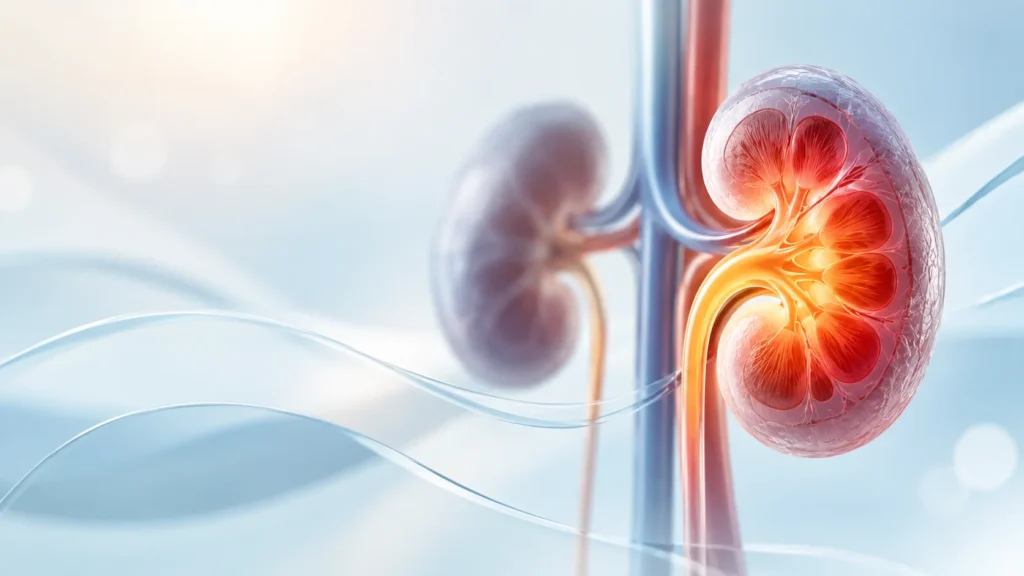
Acute tubular necrosis, often called ATN, is a serious kidney condition that happens when the tiny filtering tubes inside the kidneys become damaged. These tubes, called renal tubules, help the kidneys clean the blood, remove waste, and balance fluids and salts in the body. When these tubules are injured, the kidneys cannot work properly, and waste products start building up in the blood. This can lead to a sudden drop in kidney function, which doctors call acute kidney injury.
ATN is one of the most common causes of acute kidney injury in hospitalized patients. It often occurs after severe illness, major surgery, low blood pressure, infection, or exposure to certain medicines or toxins. The condition can develop quickly over hours or days. Some people recover fully with proper treatment, while others may need temporary dialysis or longer-term kidney support.
What is Acute Tubular Necrosis?
Acute tubular necrosis is a condition where the cells lining the kidney tubules are damaged or die due to lack of oxygen, toxins, or severe stress on the body. The kidney tubules are essential for reabsorbing useful substances and removing waste from the urine. When these cells are injured, the kidney’s filtering ability drops sharply.
ATN is not the same as chronic kidney disease. It is an acute problem that happens suddenly, often in the setting of another serious illness. With timely treatment, many patients recover kidney function over days to weeks. However, if the cause is not corrected or if the damage is severe, ATN can lead to prolonged kidney failure or the need for dialysis.
The condition is usually divided into three phases: the initiation phase when the injury occurs, the maintenance phase when kidney function is lowest, and the recovery phase when the kidneys start healing. Understanding these phases helps doctors plan treatment and predict outcomes.
Types of Acute Tubular Necrosis
ATN can be classified based on the main cause of the tubular injury.
Ischemic ATN
- Caused by reduced blood flow and oxygen to the kidneys.
- Often happens after severe low blood pressure, shock, or major blood loss.
- Common in patients with sepsis, heart failure, or major surgery.
- The tubule cells are damaged due to lack of oxygen and nutrients.
Toxic ATN
- Caused by exposure to substances that are harmful to the kidney tubules.
- Can happen due to certain antibiotics, contrast dye used in imaging, chemotherapy drugs, or industrial toxins.
- Some painkillers and herbal supplements in high doses can also contribute.
- The toxins directly injure the tubule cells, leading to cell death and dysfunction.
Mixed ATN
- Some patients have both ischemic and toxic factors contributing to the injury.
- For example, a patient with low blood pressure who also receives a potentially nephrotoxic medicine.
- This combination can make the kidney injury more severe and recovery slower.
Causes of Acute Tubular Necrosis
ATN does not happen on its own. It is usually a complication of another serious medical problem or exposure.
Common causes include:
- Severe low blood pressure or shock.
- Major blood loss from trauma or surgery.
- Severe infection or sepsis.
- Heart failure with poor blood flow to the kidneys.
- Dehydration leading to reduced kidney perfusion.
- Use of certain antibiotics such as aminoglycosides.
- Contrast dye used in CT scans or angiography.
- Chemotherapy drugs that can affect the kidneys.
- Overuse of painkillers, especially in high doses or long term.
- Muscle breakdown or rhabdomyolysis releasing toxic substances.
- Severe burns or major tissue injury.
- Complications after major surgery, especially cardiac or vascular procedures.
Why the kidneys are vulnerable
The kidneys receive a large amount of blood flow and work hard to filter waste. When blood flow drops or toxins are present, the tubule cells are among the first to be affected. These cells need a lot of energy and oxygen to function. When supply is reduced or toxins accumulate, the cells become damaged and cannot reabsorb or secrete properly.
Risk Factors for Acute Tubular Necrosis
Some people are more likely to develop ATN than others.
Higher-risk groups
- Older adults with reduced kidney reserve.
- People with existing chronic kidney disease.
- Patients with diabetes or high blood pressure.
- Those with heart failure or liver disease.
- People who are critically ill or in intensive care.
- Patients undergoing major surgery.
- Those receiving multiple nephrotoxic medicines.
- Individuals with severe dehydration or fluid loss.
- Patients with sepsis or severe infection.
- People exposed to contrast dye without proper precautions.
Why risk increases in these groups
- Existing kidney disease reduces the ability to handle stress.
- Diabetes and hypertension damage blood vessels over time.
- Critical illness often involves low blood pressure and multiple drugs.
- Surgery can cause blood loss and temporary low flow to kidneys.
- Dehydration reduces blood volume and kidney perfusion.
- Age-related changes make kidneys more sensitive to injury.
Symptoms of Acute Tubular Necrosis
Symptoms can vary depending on the severity of kidney injury and the underlying cause.
Common symptoms include:
- Reduced urine output or no urine at all.
- Swelling in the legs, ankles, or around the eyes.
- Fatigue and weakness.
- Nausea and vomiting.
- Loss of appetite.
- Confusion or difficulty concentrating.
- Shortness of breath due to fluid buildup.
- High blood pressure in some cases.
- Chest discomfort if fluid affects the lungs or heart.
- Irregular heartbeat due to electrolyte imbalance.
Symptoms in hospitalized patients
- Sudden rise in creatinine and urea on blood tests.
- Decreased urine output noted by nursing staff.
- Fluid overload requiring adjustment of IV fluids.
- Electrolyte abnormalities such as high potassium.
- Need for dialysis in severe cases.
Emergency warning signs
- Very little or no urine for more than twelve hours.
- Severe shortness of breath.
- Chest pain or palpitations.
- Confusion or drowsiness.
- Severe swelling with difficulty breathing.
- Known exposure to kidney-toxic drugs with worsening symptoms.
Acute Tubular Necrosis in Different Patient Groups
ATN can affect people of different ages and health conditions, but the pattern and risk may vary.
In critically ill patients
- Often occurs in intensive care units.
- May be associated with sepsis, low blood pressure, or multiple organ failure.
- Recovery may be slower due to overall severity of illness.
In post-surgical patients
- Can happen after major operations, especially cardiac or vascular surgery.
- Blood loss and anesthesia can contribute to reduced kidney flow.
- Close monitoring of urine output and kidney function is essential.
In elderly patients
- Higher risk due to reduced kidney reserve and other health issues.
- May have atypical symptoms such as confusion or falls.
- Recovery may take longer and require more support.
How is Acute Tubular Necrosis Diagnosed?
Diagnosis is based on clinical history, physical examination, blood tests, urine tests, and sometimes imaging.
Diagnostic steps
- Detailed history of recent illness, surgery, or medication use.
- Assessment of urine output over the past hours or days.
- Physical examination for signs of fluid overload or dehydration.
- Blood tests to measure kidney function and electrolytes.
- Urine tests to look for specific patterns of injury.
- Imaging such as ultrasound to rule out blockage or other causes.
Common tests that may be done
- Serum creatinine and blood urea nitrogen to assess kidney function.
- Electrolyte panel to check sodium, potassium, and acid-base balance.
- Complete blood count to look for infection or anemia.
- Urine analysis to check for cells, casts, and specific gravity.
- Urine sodium and fractional excretion of sodium to help distinguish ATN from other causes.
- Renal ultrasound to assess kidney size and rule out obstruction.
- In selected cases, kidney biopsy if the diagnosis is unclear.
Why diagnosis matters
Early diagnosis helps identify the cause and guide treatment. Distinguishing ATN from other types of kidney injury is important because management and prognosis can differ. Prompt recognition also helps prevent further damage by adjusting medicines and supporting kidney function.
Treatment for Acute Tubular Necrosis
Treatment focuses on supporting the body while the kidneys heal, correcting the underlying cause, and preventing complications.
1. Treat the underlying cause
- Restore blood flow to the kidneys if low blood pressure or shock is present.
- Stop or adjust medicines that may be harming the kidneys.
- Treat infection aggressively with appropriate antibiotics.
- Manage heart failure or liver disease that may be contributing.
- Ensure adequate hydration without overloading fluids.
2. Fluid management
- Careful balance of fluid intake and output is essential.
- Too little fluid can worsen kidney injury.
- Too much fluid can cause swelling and breathing problems.
- IV fluids may be adjusted based on urine output and blood tests.
3. Electrolyte and acid-base management
- High potassium may need urgent treatment to protect the heart.
- Acidosis may require bicarbonate or dialysis in severe cases.
- Sodium and other electrolytes are monitored and corrected as needed.
4. Medicines adjustment
- Avoid or reduce doses of nephrotoxic drugs.
- Adjust doses of medicines cleared by the kidneys.
- Use kidney-safe alternatives when possible.
- Monitor drug levels if certain antibiotics or other critical medicines are needed.
5. Dialysis support
- Temporary dialysis may be needed if kidney function is very low.
- Indications include severe fluid overload, high potassium, acidosis, or uremic symptoms.
- Dialysis supports the body until the kidneys recover.
- Many patients can stop dialysis once kidney function improves.
6. Nutritional support
- Adequate calories and protein are important for recovery.
- Diet may be adjusted based on electrolyte levels and fluid status.
- A dietitian may help plan meals during hospitalization and recovery.
Recovery After Acute Tubular Necrosis
Recovery depends on the severity of the injury, the underlying cause, and the patient’s overall health.
Recovery phases
- Initiation phase when the injury occurs and kidney function starts dropping.
- Maintenance phase when kidney function is at its lowest and supportive care is critical.
- Recovery phase when urine output increases and kidney function gradually improves.
Signs of recovery
- Increasing urine output.
- Falling creatinine and urea levels.
- Improved energy and appetite.
- Better fluid balance with less swelling.
- Ability to stop or reduce dialysis if it was needed.
Long-term follow-up
- Regular blood tests to monitor kidney function.
- Blood pressure and diabetes control if present.
- Avoidance of unnecessary nephrotoxic drugs.
- Hydration advice and sick-day rules for future illnesses.
- Referral to nephrology if kidney function does not fully recover.
Possible Complications
ATN can lead to several complications, especially if not managed promptly.
Complications during the acute phase
- Fluid overload causing breathlessness or swelling.
- High potassium leading to heart rhythm problems.
- Acidosis affecting multiple organ systems.
- Uremic symptoms such as nausea, confusion, or pericarditis.
- Need for temporary dialysis.
- Increased risk of infection in hospitalized patients.
Long-term complications
- Incomplete recovery of kidney function.
- Progression to chronic kidney disease in some patients.
- Higher risk of future kidney injury during illness.
- Need for long-term nephrology follow-up.
- Increased cardiovascular risk due to kidney involvement.
Why complications happen
The kidneys play a central role in fluid, electrolyte, and waste balance. When they are injured, multiple systems are affected. The severity of complications depends on how much kidney function is lost and how quickly treatment is started.
When to See a Doctor?
Medical evaluation is important for people at risk or with symptoms suggesting kidney injury.
- Reduced urine output after illness, surgery, or new medicines.
- Swelling in legs or around the eyes.
- Unexplained fatigue, nausea, or loss of appetite.
- Shortness of breath or chest discomfort.
- Known exposure to kidney-toxic drugs with worsening symptoms.
- Existing kidney disease with new symptoms.
Prevention of Acute Tubular Necrosis
Not all cases can be prevented, but risk can be reduced with careful medical management.
Prevention pointers
- Maintain good hydration, especially during illness.
- Avoid unnecessary use of painkillers or herbal supplements.
- Inform doctors about all medicines and supplements you take.
- Ensure blood pressure and diabetes are well controlled.
- Use contrast dye only when necessary and with proper precautions.
- Monitor kidney function regularly if you have chronic kidney disease.
- Follow medical advice during major surgery or critical illness.
- Report reduced urine output or swelling early to your doctor.
For hospitalized patients
- Close monitoring of urine output and kidney function.
- Careful use of antibiotics and other potentially nephrotoxic drugs.
- Adequate fluid management during and after surgery.
- Early treatment of infection and low blood pressure.
- Multidisciplinary care involving nephrology when needed.
Why Choose Rama Hospital for Acute Tubular Necrosis Treatment?
ATN is a complex condition that requires expert nephrology care, critical support, and advanced monitoring. A hospital with experienced kidney specialists, intensive care units, and dialysis facilities can make a major difference in outcomes.
- Expert evaluation by nephrology and critical care specialists.
- Advanced laboratory and imaging for accurate diagnosis.
- Dialysis support when needed.
- Careful fluid and electrolyte management.
- Coordination with other specialties such as cardiology, infectious disease, and surgery.
- Long-term follow-up for kidney recovery.
Frequently Asked Questions (FAQs)
Is acute tubular necrosis reversible?
In many cases, yes. With proper treatment and supportive care, kidney function can recover over days to weeks. However, recovery depends on the severity of injury and the underlying cause. Some patients may have incomplete recovery or progress to chronic kidney disease.
What causes acute tubular necrosis?
Common causes include severe low blood pressure, sepsis, major surgery, dehydration, and exposure to kidney-toxic medicines or contrast dye. The tubule cells are injured due to lack of oxygen or direct toxic damage.
What are the symptoms of ATN?
Symptoms may include reduced urine output, swelling, fatigue, nausea, shortness of breath, and confusion. In hospitalized patients, it is often detected by rising creatinine and falling urine output on monitoring.
How is ATN diagnosed?
Diagnosis is based on clinical history, blood tests, urine tests, and sometimes imaging. Doctors look for patterns of kidney injury and rule out other causes such as blockage or chronic disease.
Does ATN require dialysis?
Not always. Dialysis is needed only in severe cases with very low kidney function, high potassium, fluid overload, or uremic symptoms. Many patients recover without dialysis if treated early and supported properly.
How long does recovery take?
Recovery can take from a few days to several weeks depending on the severity. Urine output usually improves first, followed by gradual improvement in blood tests. Long-term follow-up is important to ensure full recovery.
Can ATN lead to chronic kidney disease?
Yes, in some patients, especially if the injury is severe or repeated. That is why follow-up and prevention of future kidney injury are important. Controlling blood pressure, diabetes, and avoiding nephrotoxic drugs helps protect long-term kidney health.
Conclusion
Acute tubular necrosis is a serious but often reversible cause of acute kidney injury. It happens when the kidney tubule cells are damaged due to low blood flow, toxins, or severe illness. The condition can lead to reduced urine output, fluid overload, electrolyte imbalance, and buildup of waste in the blood. With timely diagnosis and proper treatment, many patients recover kidney function over time.
The most important steps are identifying the cause, supporting kidney function, managing complications, and preventing further injury. For patients with reduced urine output, swelling, fatigue, or abnormal kidney tests after illness, surgery, or new medicines, a medical evaluation can make a major difference. With expert care and follow-up, patients can improve kidney function, reduce complications, and protect their long-term health.
Rama Hospital can help evaluate acute tubular necrosis, provide expert nephrology and critical care, and offer a clear treatment plan that supports kidney recovery and overall health.