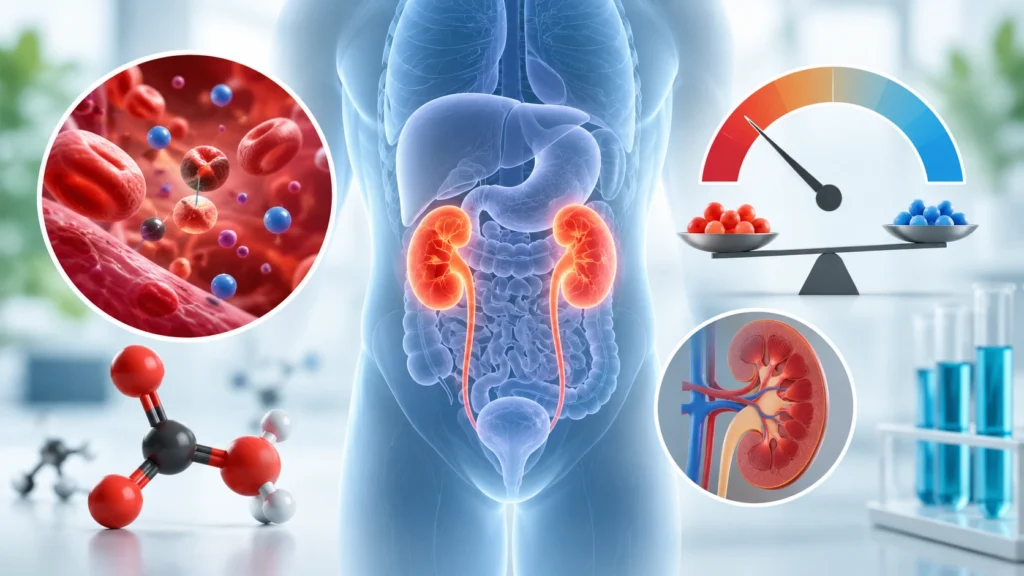
Metabolic acidosis is a serious medical condition that happens when the body produces too much acid, loses too much base, or cannot remove acid properly through the kidneys. In simple terms, the blood becomes more acidic than normal. This imbalance can affect many organs, including the heart, lungs, brain, and kidneys. If not treated on time, metabolic acidosis can lead to confusion, breathing problems, low blood pressure, shock, and even life-threatening complications.
Many people do not know about this condition because it usually occurs in the setting of another illness such as severe infection, kidney failure, uncontrolled diabetes, poisoning, or prolonged diarrhea. Patients may come with symptoms like fast breathing, extreme tiredness, nausea, vomiting, abdominal pain, or reduced consciousness. Because the symptoms can be vague or overlap with other conditions, proper testing and expert evaluation are very important.
What is Metabolic Acidosis?
Metabolic acidosis is a condition in which the acid-base balance of the body is disturbed, leading to excess acid in the blood. The body normally keeps blood pH within a narrow range. When this balance is disturbed, it can affect how cells work and how organs function.
The condition is usually detected through blood tests that show low bicarbonate and low blood pH. It is often a sign of an underlying problem rather than a disease by itself. Common underlying causes include severe infections, kidney disease, uncontrolled diabetes, poisoning, prolonged diarrhea, or lack of oxygen to tissues.
Metabolic acidosis can be mild or severe. Mild cases may cause tiredness and nausea. Severe cases can lead to confusion, very fast breathing, low blood pressure, and organ failure. That is why early recognition and treatment of the underlying cause are very important.
Types of Metabolic Acidosis
Metabolic acidosis is often classified based on the cause and the type of acid build-up.
Based on anion gap
- High anion gap metabolic acidosis, which happens when extra acids build up in the blood.
- Normal anion gap metabolic acidosis, which happens when the body loses bicarbonate or cannot excrete acid properly.
Common types based on cause
- Diabetic ketoacidosis, which occurs in uncontrolled diabetes when the body breaks down fat for energy and produces ketones.
- Lactic acidosis, which occurs when tissues do not get enough oxygen or in severe infection, shock, or certain medicines.
- Kidney-related acidosis, which occurs when the kidneys cannot remove acid properly in chronic kidney disease or kidney failure.
- Diarrhea-related acidosis, which occurs when the body loses large amounts of bicarbonate through prolonged diarrhea.
- Poisoning-related acidosis, which can occur with certain toxins such as methanol, ethylene glycol, or salicylates.
- Starvation ketoacidosis, which can occur in prolonged fasting or severe malnutrition.
Why the type matters: Different types need different treatments. For example, diabetic ketoacidosis needs insulin and fluids, lactic acidosis needs treatment of infection or shock, kidney-related acidosis may need dialysis or bicarbonate, and poisoning needs specific antidotes and supportive care.
Causes of Metabolic Acidosis
Metabolic acidosis has many possible causes. In most patients, it happens because of another serious illness.
Common causes include:
- Uncontrolled diabetes leading to diabetic ketoacidosis.
- Severe infection or sepsis causing lactic acidosis.
- Shock or low blood pressure reducing oxygen to tissues.
- Chronic kidney disease or kidney failure.
- Prolonged diarrhea with loss of bicarbonate.
- Severe dehydration.
- Certain medicines or toxins.
- Prolonged fasting or starvation.
- Severe liver disease.
- Heavy alcohol use with poor nutrition.
- Seizures or severe muscle activity.
- Lack of oxygen due to lung or heart problems.
Why these conditions cause acidosis
- In diabetes, the body produces ketones, which are acidic.
- In infection or shock, cells produce lactic acid due to low oxygen.
- In kidney failure, the kidneys cannot remove acid properly.
- In diarrhea, the body loses bicarbonate, which is a base.
- In poisoning, toxins are converted into acids in the body.
Risk Factors for Metabolic Acidosis
Some people are more likely to develop metabolic acidosis than others.
Higher-risk groups
- People with type 1 diabetes or poorly controlled type 2 diabetes.
- Patients with chronic kidney disease.
- People with severe infections or sepsis.
- Patients in intensive care or with shock.
- People with prolonged diarrhea or vomiting.
- Those with heavy alcohol use or malnutrition.
- Patients taking certain medicines that affect acid-base balance.
- Elderly patients with multiple medical conditions.
- People with liver disease.
- Patients with poisoning or toxin exposure.
Why risk increases in these groups
- Diabetes increases the risk of ketoacidosis.
- Kidney disease reduces the ability to remove acid.
- Infection and shock increase lactic acid production.
- Diarrhea causes loss of bicarbonate.
- Alcohol and malnutrition can lead to ketoacidosis and poor buffering capacity.
- Multiple illnesses make the body less able to compensate.
Symptoms of Metabolic Acidosis
Symptoms depend on the severity of acidosis and the underlying cause. Mild cases may have few symptoms, while severe cases can be life-threatening.
Common symptoms
- Fast and deep breathing.
- Shortness of breath.
- Extreme tiredness or weakness.
- Nausea and vomiting.
- Loss of appetite.
- Abdominal pain.
- Confusion or difficulty concentrating.
- Drowsiness.
- Headache.
- Rapid heart rate.
- Low blood pressure in severe cases.
- Reduced urine output in kidney-related cases.
Symptoms based on cause
- In diabetic ketoacidosis: excessive thirst, frequent urination, fruity breath, dehydration, confusion.
- In lactic acidosis: severe weakness, fast breathing, low blood pressure, signs of infection or shock.
- In kidney-related acidosis: swelling, reduced urine, fatigue, nausea, long-standing kidney disease.
- In diarrhea-related acidosis: frequent loose stools, dehydration, weakness, dizziness.
Emergency warning signs
- Very fast or difficult breathing.
- Severe confusion or inability to stay awake.
- Fainting or loss of consciousness.
- Severe abdominal pain with vomiting.
- Signs of shock such as cold, clammy skin and very low blood pressure.
- Seizures.
- Suspected poisoning or toxin ingestion.
Metabolic Acidosis in Different Patient Groups
Metabolic acidosis can affect different groups in different ways.
In people with diabetes
- Higher risk of diabetic ketoacidosis, especially in type 1 diabetes.
- May present with thirst, frequent urination, vomiting, and confusion.
- Needs urgent insulin, fluids, and electrolyte management.
In kidney patients
- More likely to develop chronic metabolic acidosis.
- May have long-standing fatigue, bone problems, and muscle weakness.
- May need bicarbonate supplementation or dialysis.
In critically ill patients
- Often due to sepsis, shock, or multi-organ failure.
- Can worsen heart and lung function.
- Needs intensive care and treatment of the underlying cause.
In children
- Can occur with severe diarrhea, infection, or metabolic disorders.
- May present with fast breathing, poor feeding, lethargy, or dehydration.
- Needs prompt pediatric and critical care support.
How is Metabolic Acidosis Diagnosed?
Diagnosis is based on symptoms, medical history, physical examination, and blood tests. Because metabolic acidosis is usually a complication of another illness, doctors also look for the underlying cause.
Diagnostic steps
- Detailed history of symptoms and illnesses.
- Review of diabetes, kidney disease, infection, diarrhea, or toxin exposure.
- Physical examination focusing on breathing, blood pressure, hydration, and mental status.
- Blood tests to measure pH, bicarbonate, and electrolytes.
- Tests to calculate anion gap and identify the type of acidosis.
- Additional tests to find the underlying cause.
Common tests that may be done
- Arterial or venous blood gas analysis to measure pH and bicarbonate.
- Serum electrolytes including sodium, potassium, chloride, and bicarbonate.
- Blood sugar and ketone testing for diabetic ketoacidosis.
- Kidney function tests such as creatinine and urea.
- Lactate level for lactic acidosis.
- Urine tests to assess acid excretion and ketones.
- Infection markers such as complete blood count and cultures.
- Toxicology screening if poisoning is suspected.
- Imaging or other tests based on the suspected cause.
Why diagnosis matters: Metabolic acidosis can worsen quickly and affect vital organs. Accurate diagnosis helps identify the type of acidosis and the underlying cause, which guides the right treatment. Without proper testing, treatment may be delayed or incorrect.
Treatment for Metabolic Acidosis
Treatment depends on the severity of acidosis and the underlying cause. The main goals are to stabilize the patient, correct the acid-base imbalance, and treat the root problem.
General treatment principles
- Admit to hospital if acidosis is moderate or severe.
- Provide oxygen and breathing support if needed.
- Give intravenous fluids to correct dehydration and support circulation.
- Monitor vital signs, urine output, and mental status closely.
- Correct electrolyte imbalances such as potassium and sodium.
- Treat the underlying cause as the top priority.
Treatment based on cause
- Diabetic ketoacidosis: insulin therapy, fluids, electrolyte replacement, and close monitoring in a hospital setting.
- Lactic acidosis: treatment of infection, shock, or low oxygen; fluids; antibiotics if sepsis is present; and support for heart and lung function.
- Kidney-related acidosis: bicarbonate supplementation, management of kidney disease, and dialysis in advanced cases.
- Diarrhea-related acidosis: oral or intravenous rehydration, electrolyte correction, and treatment of the cause of diarrhea.
- Poisoning-related acidosis: specific antidotes if available, supportive care, and sometimes dialysis to remove toxins.
Use of bicarbonate therapy
- Bicarbonate may be given in selected severe cases.
- It is not used in every patient and must be given carefully.
- Overuse can cause other electrolyte problems.
- The decision is made by the treating doctor based on blood tests and clinical condition.
Intensive care support
- Some patients need care in an intensive care unit.
- Breathing support with oxygen or ventilator may be needed.
- Medicines to support blood pressure and heart function may be required.
- Continuous monitoring of blood gases and electrolytes is important.
Recovery After Treatment
Recovery depends on the cause, severity, and how quickly treatment was started.
Recovery in diabetic ketoacidosis
- Most patients improve within 24 to 48 hours with proper treatment.
- Blood sugar and ketones gradually normalize.
- Education on insulin, diet, and sick-day management is important to prevent recurrence.
Recovery in lactic acidosis
- Depends on control of infection, shock, or underlying illness.
- May take longer if the patient was very unstable.
- Close monitoring is needed to prevent organ damage.
Recovery in kidney-related acidosis
- May require long-term management of kidney disease.
- Bicarbonate supplements may be needed for months or years.
- Regular follow-up of kidney function and acid-base status is important.
Long-term care
- Control of diabetes, blood pressure, and kidney disease.
- Avoidance of dehydration and severe infections.
- Regular blood tests as advised.
- Lifestyle changes to support overall metabolic health.
Possible Complications
Metabolic acidosis, especially when severe or untreated, can lead to serious complications.
Complications of metabolic acidosis
- Worsening confusion or coma.
- Abnormal heart rhythms.
- Low blood pressure and shock.
- Breathing failure.
- Kidney injury or worsening kidney failure.
- Bone problems in chronic acidosis.
- Muscle weakness and wasting.
- Poor growth in children with chronic acidosis.
- Increased risk of death in severe cases.
Why complications happen: Acidosis affects how cells produce energy and how organs function. The heart, brain, and lungs are very sensitive to changes in pH. When acid levels are high for a long time, it can damage multiple systems in the body.
When Should You See a Doctor?
Medical evaluation is important for people with risk factors or symptoms that suggest acidosis.
- Persistent nausea, vomiting, or abdominal pain.
- Fast or deep breathing without a clear lung problem.
- Extreme tiredness or weakness.
- Confusion or difficulty staying alert.
- Known diabetes with high blood sugar and vomiting.
- Known kidney disease with worsening fatigue or breathlessness.
- Prolonged diarrhea with dehydration.
Prevention of Metabolic Acidosis
Not all cases can be prevented, but risk can be reduced.
- Keep diabetes under good control with regular monitoring and medication.
- Take kidney disease treatment seriously and attend regular follow-ups.
- Treat infections early and do not ignore high fever or severe illness.
- Avoid dehydration by drinking enough fluids, especially during illness.
- Do not stop insulin or diabetes medicines without medical advice.
- Limit alcohol and avoid illicit drugs or toxins.
- Seek medical care early for prolonged diarrhea or vomiting.
- Follow medical advice during severe illness or hospitalization.
For people with chronic illnesses
- Keep regular appointments with your doctor.
- Know the warning signs of ketoacidosis or worsening kidney function.
- Have a plan for sick days, including when to check blood sugar or ketones.
- Keep emergency contact numbers handy.
Why Choose Rama Hospital for Metabolic Acidosis Treatment?
Metabolic acidosis is a complex and potentially life-threatening condition that needs expert medical care. A hospital with experienced physicians, critical care support, and advanced laboratory services can make a major difference in outcomes.
- Expert evaluation by internal medicine, endocrinology, nephrology, and critical care teams.
- Rapid blood gas and electrolyte testing for accurate diagnosis.
- Intensive care support for severe cases.
- Treatment of underlying causes such as infection, diabetes, or kidney failure.
- Monitoring and adjustment of therapy based on repeated blood tests.
- Coordination with other specialties if complications arise.
Frequently Asked Questions (FAQs)
What are the main symptoms of metabolic acidosis?
Common symptoms include fast and deep breathing, extreme tiredness, nausea, vomiting, abdominal pain, confusion, and drowsiness. In severe cases, patients may have low blood pressure, reduced consciousness, or signs of shock.
How is metabolic acidosis diagnosed?
Diagnosis is made using blood tests such as blood gas analysis, electrolytes, bicarbonate, and anion gap calculation. Additional tests like blood sugar, ketones, lactate, kidney function, and infection markers help identify the underlying cause.
Is metabolic acidosis dangerous?
Yes, metabolic acidosis can be dangerous, especially when severe or untreated. It can affect the heart, brain, lungs, and kidneys, and may lead to shock, organ failure, or death if not treated promptly in a hospital setting.
Can metabolic acidosis be treated at home?
No, metabolic acidosis usually needs hospital treatment. Mild cases related to a known cause may be monitored closely, but most patients require intravenous fluids, medicines, and careful monitoring of blood tests under medical supervision.
What is the treatment for metabolic acidosis?
Treatment depends on the cause and may include insulin for diabetic ketoacidosis, antibiotics and fluids for infection, bicarbonate in selected cases, dialysis for kidney failure, and supportive care in intensive care for severe patients.
Can metabolic acidosis come back?
Yes, it can come back if the underlying condition is not well controlled. People with diabetes, kidney disease, or chronic illnesses need regular follow-up and should seek care early if symptoms return.
How long does recovery take?
Recovery time varies. Some patients improve within 24 to 48 hours if the cause is treated quickly. Others with severe illness, kidney failure, or multi-organ involvement may need longer hospital stay and extended recovery.
Conclusion
Metabolic acidosis is a serious medical condition that reflects a major disturbance in the body’s acid-base balance. It is usually a sign of an underlying problem such as uncontrolled diabetes, severe infection, kidney failure, prolonged diarrhea, or poisoning. The symptoms can range from tiredness and nausea to life-threatening breathing problems, confusion, and shock.
The most important steps are early recognition, prompt hospital evaluation, and treatment of the underlying cause. For patients with diabetes, kidney disease, or severe infections, knowing the warning signs and seeking care early can prevent complications. With proper medical support, many patients recover well and avoid long-term damage.
Rama Hospital can help evaluate metabolic acidosis, identify the underlying cause, and provide expert treatment with close monitoring, critical care support, and long-term follow-up to protect overall health.