Platelet-Rich Plasma, commonly known as PRP therapy, is a modern treatment that uses the body’s own healing factors to support tissue repair and regeneration. It involves taking a small amount of the patient’s blood, processing it to concentrate the platelets, and then injecting this concentrated plasma into the area that needs healing. Platelets are rich in growth factors that help reduce inflammation, stimulate cell repair, and promote natural healing.
PRP therapy is used in many fields, including orthopedics, sports medicine, dermatology, hair restoration, and wound care. It is popular because it is minimally invasive, uses the patient’s own blood, and has a low risk of allergic reaction or rejection. Many people consider therapy for hair loss, joint pain, tendon injuries, skin rejuvenation, and slow-healing wounds.
Platelet-Rich Plasma is a concentrated form of plasma derived from the patient’s own blood. Plasma is the liquid part of blood that carries cells and nutrients throughout the body. Platelets are small cell fragments in the blood that play a key role in clotting and healing.
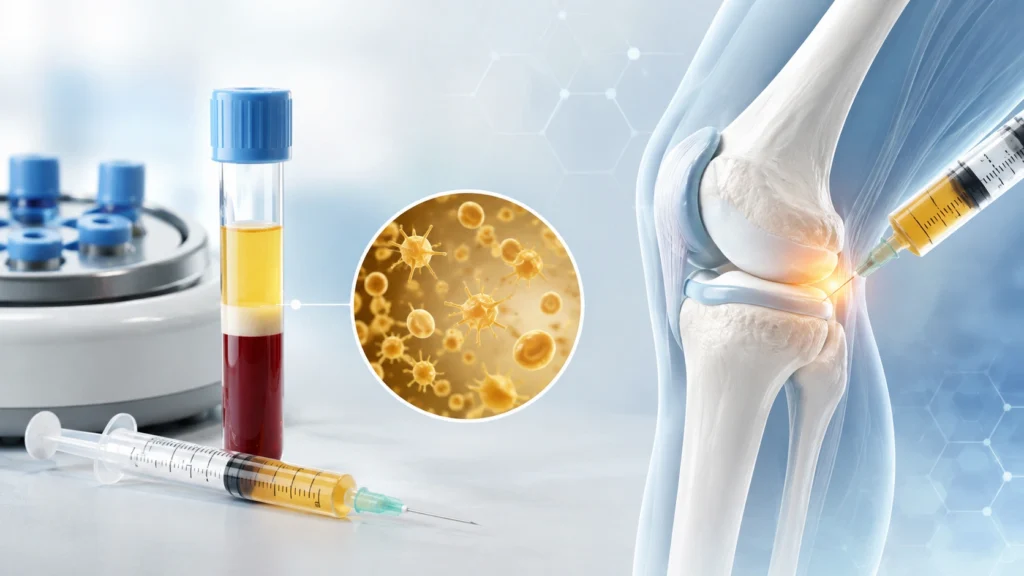
In PRP therapy, a small amount of blood is drawn from the patient, similar to a routine blood test. This blood is then placed in a special device called a centrifuge. The centrifuge spins the blood at high speed to separate the platelets and growth factors from other blood components. The result is a small volume of plasma that is rich in platelets, which is then injected into the target area.
The growth factors in platelets help stimulate tissue repair, reduce inflammation, and promote the formation of new blood vessels. This makes therapy useful for conditions where natural healing is slow or inadequate.
PRP works by enhancing the body’s natural healing process. When tissue is injured, the body sends platelets to the site to start repair. In some conditions, this natural response is not strong enough. PRP provides a higher concentration of platelets and growth factors directly to the area that needs healing.
Key actions of PRP
Why it is effective: Because therapy uses the patient’s own blood, it is biologically compatible and safe. The concentrated growth factors act locally at the injection site, supporting healing without the need for external drugs or synthetic materials. This makes it a natural and minimally invasive option for many conditions.
PRP therapy is used in multiple medical and cosmetic fields.
Orthopedics and sports medicine
Dermatology and skin care
Hair restoration
Wound care and other uses
The procedure is simple, minimally invasive, and usually done as a day care procedure.
Duration and comfort
Number of sessions
PRP therapy offers several advantages compared to more invasive or drug-based treatments.
Key benefits
Why patients choose PRP
Recovery is usually quick, but it depends on the area treated and the condition being addressed.
General recovery pointers
Recovery for specific uses
When to seek medical advice
PRP therapy is generally safe because it uses the patient’s own blood. However, like any medical procedure, it can have side effects.
Common side effects
Rare side effects
Who should avoid PRP
PRP is not suitable for everyone, but many patients can benefit when selected appropriately.
Good candidates for PRP
Conditions where PRP may be less effective
Importance of proper evaluation: A doctor should assess the patient’s condition, medical history, and expectations before recommending PRP. This ensures that the treatment is suitable and that the patient has realistic goals.
PRP therapy requires proper technique, sterile conditions, and experienced hands to ensure safety and effectiveness. A hospital setting provides the right environment for evaluation, procedure, and follow-up.
Most patients tolerate therapy well. There may be mild discomfort during the injection and some soreness afterward. Numbing cream or local anesthesia is often used to improve comfort during the procedure.
The number of sessions depends on the condition being treated. Hair and skin treatments often need multiple sessions, while joint or tendon treatments may need one to three sessions. Maintenance sessions may be recommended for long-term benefit.
Results vary from person to person. Some patients notice improvement in a few weeks, while others may take several months. Healing is gradual as the body repairs tissue over time.
Yes, PRP is generally safe because it uses the patient’s own blood. The risk of allergy or rejection is very low. Side effects are usually mild and temporary when the procedure is done by trained professionals.
PRP cannot cure advanced baldness, but it can help in early to moderate hair thinning. It works best when there are still active hair follicles. It is often combined with other hair loss treatments for better results.
Yes, therapy can help reduce pain and improve function in mild to moderate knee arthritis. It may delay the need for more invasive treatments in some patients. Results vary and depend on the severity of joint damage.
Common side effects include mild pain, swelling, or bruising at the injection site. These usually resolve within a few days. Serious complications are rare when the procedure is done under proper medical supervision.
Platelet-Rich Plasma therapy is a modern, minimally invasive treatment that uses the body’s own healing factors to support tissue repair. It is used for hair loss, joint pain, tendon injuries, skin rejuvenation, and wound care. PRP offers a natural option with a good safety profile and low risk of rejection.
The most important steps are proper patient selection, skilled technique, and realistic expectations. For patients with hair thinning, joint discomfort, tendon problems, or skin concerns, PRP can be a valuable part of a comprehensive treatment plan. With the right care and follow-up, many patients experience meaningful improvement in symptoms and quality of life.
Rama Hospital can evaluate suitability for PRP therapy, perform the procedure under safe and sterile conditions, and provide a clear plan for aftercare and long-term management.
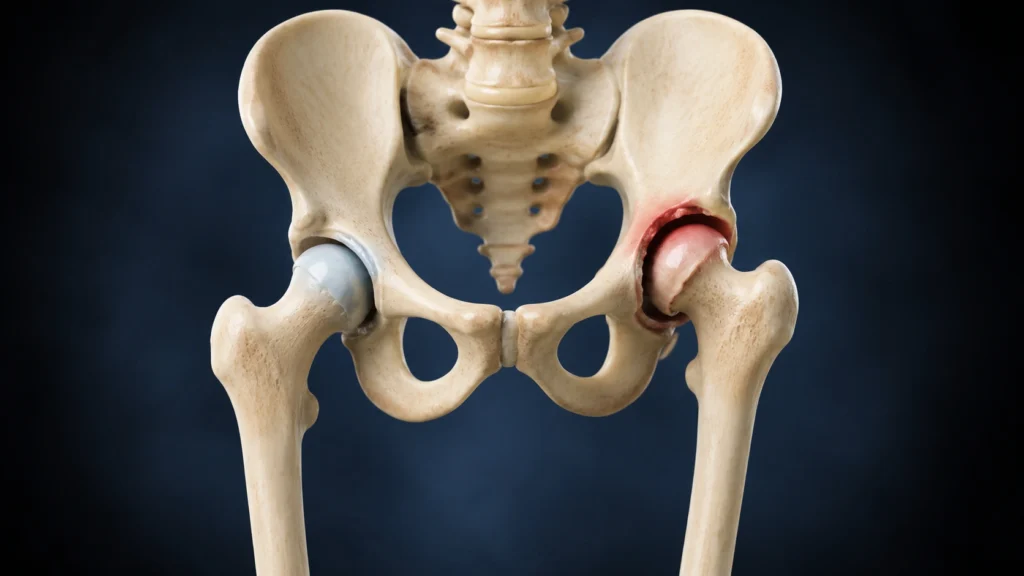
Platelet-rich plasma comes from your own blood. Healthcare providers process your blood to concentrate the number of platelets in the plasma and then inject it back into your body.
No rows found.