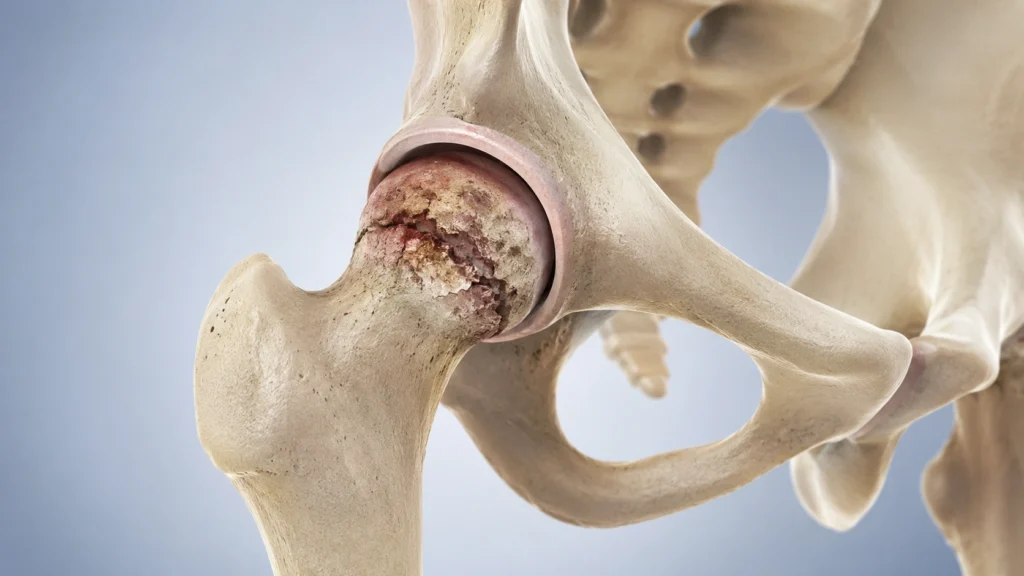
Hyaluronic acid injections are a widely used treatment for joint pain and skin rejuvenation. Hyaluronic acid is a natural substance found in the body, especially in joints, skin, and eyes. It helps keep tissues lubricated, moist, and flexible. In medical treatment, hyaluronic acid is used in injectable form to support joint function, reduce pain, and improve skin texture and hydration.
For joint problems, hyaluronic acid injections are often called viscosupplementation. They are commonly used in knee osteoarthritis and sometimes in other joints such as the hip, shoulder, or ankle. The goal is to improve the quality of joint fluid, reduce friction, and provide pain relief. For skin, hyaluronic acid injections are used as dermal fillers to restore volume, smooth wrinkles, and improve hydration.
What is Hyaluronic Acid?
Hyaluronic acid is a natural substance produced by the body. It is found in high amounts in joints, skin, and eyes. In joints, it is a key part of synovial fluid, which lubricates the joint and helps smooth movement. In skin, it helps retain moisture and keeps the skin plump and hydrated.
With age, injury, or disease, the body’s natural hyaluronic acid levels can decrease. In joints, this can lead to reduced cushioning, increased friction, and pain. In skin, it can lead to dryness, fine lines, and loss of volume. Hyaluronic acid injections aim to restore levels and support function.
Medical hyaluronic acid used in injections is either derived from natural sources or made in a lab. It is designed to be safe, biocompatible, and similar to the body’s own hyaluronic acid.
How Hyaluronic Acid Injections Work?
Hyaluronic acid injections work differently depending on whether they are used for joints or skin.
In joints
- Hyaluronic acid is injected directly into the joint space.
- It improves the quality and thickness of joint fluid.
- It reduces friction between cartilage surfaces.
- It may reduce pain and improve movement.
- It may have a mild anti-inflammatory effect.
- It can provide relief for several months in suitable patients.
In skin
- Hyaluronic acid is injected into specific layers of the skin.
- It attracts and holds water, improving hydration.
- It fills in fine lines and wrinkles.
- It restores volume in areas such as cheeks, lips, or under-eye regions.
- It can improve skin texture and elasticity.
- Results are visible soon after treatment and can last for months.
Uses of Hyaluronic Acid Injections
Hyaluronic acid injections are used in orthopedics, dermatology, and aesthetic medicine.
Orthopedic uses
- Knee osteoarthritis, especially mild to moderate cases.
- Hip osteoarthritis in selected patients.
- Shoulder osteoarthritis or rotator cuff-related joint pain.
- Ankle osteoarthritis.
- Joint pain where other treatments have not provided enough relief.
- Patients who are not ready for or not suitable for joint replacement surgery.
Dermatology and aesthetic uses
- Fine lines and wrinkles around the mouth, eyes, and forehead.
- Loss of volume in cheeks or temples.
- Lip augmentation for shape and volume.
- Under-eye hollows or tear troughs.
- Nasolabial folds, which are lines from nose to mouth.
- Marionette lines, which are lines from mouth to chin.
- Skin hydration and rejuvenation treatments.
Other uses
- Some eye surgeries use hyaluronic acid to protect tissues.
- Wound healing support in selected cases.
- Bladder conditions in specialized urology treatments.
Who is a Good Candidate?
Not everyone is a suitable candidate for hyaluronic acid injections. Proper evaluation is important.
Good candidates for joint injections
- Adults with mild to moderate osteoarthritis.
- Patients with persistent joint pain despite basic treatments.
- People who have tried painkillers, physiotherapy, or lifestyle changes with limited relief.
- Patients who are not ready for surgery or want to delay surgery.
- People without severe joint deformity or advanced bone-on-bone arthritis.
Good candidates for skin injections
- Adults with early to moderate signs of aging.
- People with fine lines, wrinkles, or volume loss.
- Patients looking for non-surgical facial rejuvenation.
- Individuals with realistic expectations about results.
- People without active skin infection or severe allergy history.
People who may not be suitable
- Patients with severe joint destruction may need surgery instead.
- People with active joint infection should not receive joint injections.
- Patients with bleeding disorders or on certain blood thinners may need special precautions.
- Pregnant or breastfeeding women are usually advised to avoid elective aesthetic injections.
- People with known allergy to hyaluronic acid or injection components.
Procedure for Hyaluronic Acid Injections
The procedure varies depending on whether the injection is for joints or skin.
For joint injections
- The patient is positioned comfortably with the joint exposed.
- The skin over the joint is cleaned with an antiseptic solution.
- A local anesthetic may be used in some cases.
- A fine needle is inserted into the joint space under sterile conditions.
- Hyaluronic acid is injected slowly into the joint.
- The needle is removed, and a small dressing is applied.
- The patient is observed briefly and can usually go home the same day.
For skin injections
- The treatment area is cleaned and marked.
- A topical anesthetic cream or local anesthetic may be used.
- A fine needle or cannula is used to inject small amounts of hyaluronic acid.
- The doctor shapes and smooths the product as needed.
- Ice or cooling may be applied to reduce swelling.
- The procedure usually takes a short time, and the patient can return home soon after.
Number of sessions
- For joints, a course may include one injection or a series of injections over several weeks, depending on the product and condition.
- For skin, some areas may need only one session, while others may benefit from touch-up sessions after some months.
Recovery and Aftercare
Recovery is usually quick, but proper aftercare helps reduce side effects and improve results.
After joint injections
- Mild pain, swelling, or warmth at the injection site is common for a day or two.
- Rest the joint for a day or two as advised.
- Avoid heavy exercise or high-impact activities for a few days.
- Use ice packs if recommended for swelling.
- Take pain relief medicines only if advised by the doctor.
- Attend follow-up appointments to assess response.
After skin injections
- Mild swelling, redness, or bruising at the injection sites is common.
- Avoid rubbing or massaging the area unless instructed.
- Avoid heavy makeup on the treated area for a short period.
- Avoid excessive heat, saunas, or intense sun exposure for a day or two.
- Use gentle skincare products as advised.
- Attend follow-up if touch-up or assessment is planned.
When results can be expected
- For joints, pain relief may begin within a few weeks and can last for several months.
- For skin, results are often visible immediately, with final settling over one to two weeks.
- Duration of benefit varies by person, product, and area treated.
Benefits of Hyaluronic Acid Injections
Hyaluronic acid injections offer several potential benefits when used in the right patients.
Benefits for joints
- Reduced joint pain.
- Improved movement and flexibility.
- Delay in the need for surgery in some cases.
- Minimal downtime compared to surgical options.
- Can be repeated in courses if effective.
- May reduce reliance on painkillers in some patients.
Benefits for skin
- Smoother fine lines and wrinkles.
- Restored facial volume and contour.
- Improved skin hydration and texture.
- Non-surgical approach with quick recovery.
- Customizable treatment based on individual goals.
- Reversible or adjustable in many cases.
Overall advantages
- Hyaluronic acid is naturally present in the body.
- Allergic reactions are uncommon but possible.
- Procedures are usually done on an outpatient basis.
- Suitable for many adults seeking joint or skin improvement.
Possible Side Effects
Hyaluronic acid injections are generally well tolerated, but side effects can occur.
Common side effects
- Pain at the injection site.
- Swelling.
- Redness.
- Warmth.
- Bruising.
- Mild stiffness in the joint.
- Temporary lumpiness in skin injections.
Less common side effects
- Infection at the injection site.
- Allergic reaction.
- Increased pain for a few days.
- Headache or dizziness.
- Skin discoloration or irregularity.
- Rare vascular complications in skin injections if product enters a blood vessel.
When to seek medical help
- Severe or increasing pain.
- Signs of infection such as fever, pus, or spreading redness.
- Sudden vision changes or severe pain after facial injections.
- Numbness, blanching, or severe discoloration of skin.
- Any unusual or worrying symptoms after the procedure.
Precautions and Contraindications
Certain precautions help ensure safety and reduce risk.
Precautions before treatment
- Inform the doctor about all medical conditions.
- Share complete medication history, including blood thinners.
- Mention any previous reactions to injections or fillers.
- Avoid treatment if there is active infection in or near the area.
- Discuss expectations and possible outcomes clearly.
Contraindications
- Active joint or skin infection at the injection site.
- Known severe allergy to hyaluronic acid or injection components.
- Uncontrolled bleeding disorder.
- Pregnancy or breastfeeding for elective aesthetic procedures.
- Severe joint destruction where injection is unlikely to help.
Special considerations
- Patients on blood thinners may have higher risk of bruising.
- Diabetic patients should ensure good sugar control before joint injections.
- Patients with autoimmune conditions should discuss risks carefully.
- Elderly patients may need individualized assessment for joint and skin treatments.
How Long Do Results Last?
The duration of benefit varies from person to person.
For joint injections
- Pain relief may last from several months to about a year in some patients.
- Some people may need repeat courses after the effect wears off.
- Response depends on the severity of arthritis, activity level, and overall joint health.
For skin injections
- Results can last from several months to over a year, depending on the product and area.
- Lips and high-movement areas may need more frequent touch-ups.
- Cheeks and deeper volume areas may last longer.
- Lifestyle, metabolism, and sun exposure can affect duration.
Combination with Other Treatments
Hyaluronic acid injections are often used along with other treatments for better results.
For joints
- Physiotherapy and strengthening exercises.
- Weight management and activity modification.
- Painkillers or anti-inflammatory medicines as needed.
- Bracing or support devices.
- Other injections such as corticosteroids in selected cases.
- Surgical options if conservative measures fail.
For skin
- Other dermal fillers for different areas.
- Botulinum toxin injections for dynamic wrinkles.
- Skin tightening or laser treatments.
- Medical-grade skincare products.
- Sun protection and lifestyle measures.
Why Choose Rama Hospital for Hyaluronic Acid Injections?
Hyaluronic acid injections require proper evaluation, sterile technique, and experienced hands. A hospital setting with qualified orthopedic and dermatology specialists can provide safe and effective care.
- Expert assessment to confirm suitability for treatment.
- Use of approved, high-quality hyaluronic acid products.
- Strict sterile technique to reduce infection risk.
- Proper anatomical knowledge for safe injection.
- Emergency support if any rare complication occurs.
- Coordinated care with physiotherapy, pain management, or skincare as needed.
Frequently Asked Questions (FAQs)
Are hyaluronic acid injections painful?
Most patients feel mild discomfort during the injection. Local anesthetic cream or injection is often used for skin treatments. Joint injections may cause brief pain, but the procedure is usually well tolerated.
How soon do results appear?
For skin, results are often visible immediately, with final settling in one to two weeks. For joints, pain relief may take a few weeks to develop and can last for several months.
How long do hyaluronic acid injections last?
Duration varies by person and treatment area. Joint injections may provide relief for several months to about a year. Skin injections can last from several months to over a year depending on the product and site.
Are hyaluronic acid injections safe?
When done by trained professionals using approved products, hyaluronic acid injections are generally safe. Side effects are usually mild and temporary, such as swelling, bruising, or pain at the injection site.
Can hyaluronic acid injections replace surgery?
For joints, they may delay surgery in some patients with mild to moderate arthritis, but they cannot reverse severe damage. For skin, they offer non-surgical rejuvenation but do not replace surgical facelifts when significant laxity is present.
Who should avoid hyaluronic acid injections?
People with active infection at the injection site, known severe allergy to components, uncontrolled bleeding disorders, or pregnant and breastfeeding women for elective aesthetic procedures should avoid or postpone treatment.
What should I do after hyaluronic acid injections?
Follow the doctor’s aftercare advice, avoid heavy exercise or heat exposure for a short time, and do not rub the area unless instructed. Report any severe pain, signs of infection, or unusual symptoms promptly.
Conclusion
Hyaluronic acid injections are a versatile treatment option for joint pain and skin rejuvenation. In joints, they can reduce pain, improve movement, and support function in selected patients with osteoarthritis. In skin, they can smooth wrinkles, restore volume, and improve hydration with minimal downtime.
The most important steps are proper patient selection, use of approved products, sterile technique, and realistic expectations. For patients with persistent joint pain despite basic treatments, or those seeking non-surgical facial rejuvenation, hyaluronic acid injections may be a valuable option when done under expert care.
Rama Hospital can help evaluate suitability for hyaluronic acid injections, provide safe and standardized treatment, and offer follow-up care to monitor results and ensure patient safety.