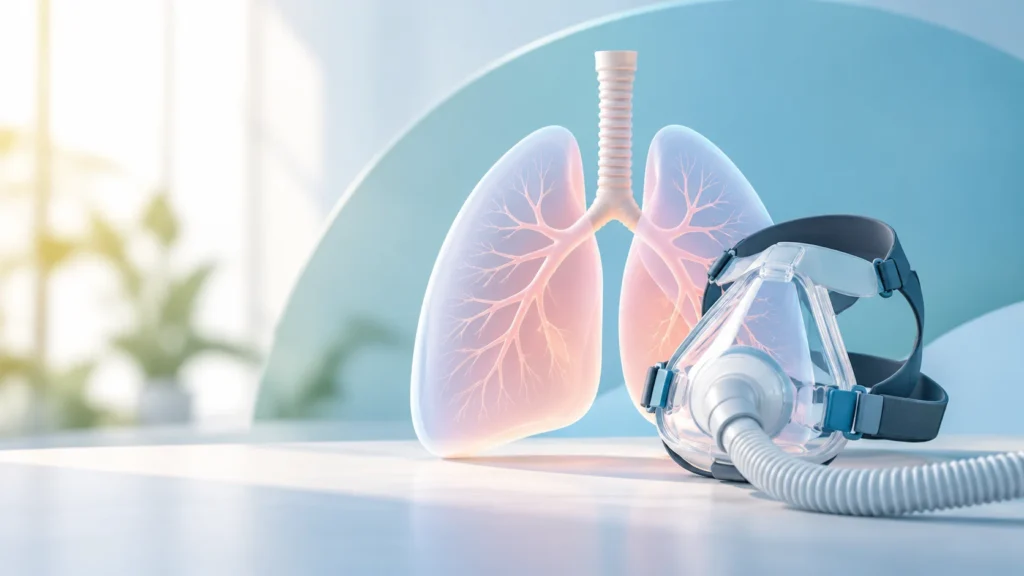
Non-Invasive Ventilation, commonly called NIV, is a breathing support treatment that helps patients breathe better without inserting a tube into the windpipe. It uses a mask or similar device that fits over the nose, mouth, or both to deliver pressurized air into the lungs. This support helps improve oxygen levels, reduce the effort of breathing, and remove excess carbon dioxide from the body.
NIV is often used in patients with breathing difficulty due to lung disease, heart failure, sleep-related breathing problems, or certain neurological conditions. It can be used in hospital settings such as emergency rooms, intensive care units, or respiratory wards. In some cases, it is also used at home for long-term breathing support.
The main advantage of Non-invasive Ventilation is that it avoids the need for invasive ventilation, where a tube is placed in the throat and connected to a ventilator. This reduces the risk of infection, discomfort, and complications associated with invasive ventilation. However, NIV is not suitable for every patient, and the decision to use it depends on the patient’s condition and medical evaluation.
What is Non-Invasive Ventilation?
Non-Invasive Ventilation is a method of providing breathing support without using an invasive tube in the airway. It delivers pressurized air through a mask or similar interface that covers the nose, mouth, or both. The pressure helps keep the airways open, improves oxygen exchange, and reduces the work of breathing.
Non-invasive Ventilation can be used for short-term support in hospital or long-term support at home. It is commonly used in patients with COPD, sleep apnea, heart failure, neuromuscular disease, or respiratory failure. The goal is to improve breathing, reduce fatigue, and prevent complications.
Unlike invasive ventilation, NIV does not require sedation or a tube in the throat. This makes it more comfortable for many patients and reduces the risk of lung infections and other complications.
How Does NIV Work?
NIV works by delivering pressurized air through a mask into the lungs. The pressure helps keep the airways open and improves the exchange of oxygen and carbon dioxide.
Key functions of Non-invasive Ventilation
- Keeps the airways open during breathing.
- Improves oxygen levels in the blood.
- Helps remove excess carbon dioxide.
- Reduces the effort needed to breathe.
- Supports weak breathing muscles.
- Prevents collapse of airways during sleep or rest.
How pressure helps
The pressurized air acts like a gentle support system for the lungs. It pushes the airways open and makes it easier for air to flow in and out. This reduces the effort the body needs to breathe and helps the lungs work more efficiently.
Difference from oxygen therapy
Oxygen therapy provides extra oxygen but does not provide pressure support. NIV provides both pressure and oxygen support, making it more effective for certain types of breathing failure.
Types of Non-Invasive Ventilation
There are different types of NIV depending on how pressure is delivered and the patient’s needs.
CPAP
- Continuous Positive Airway Pressure.
- Delivers a constant level of pressure throughout breathing.
- Commonly used for sleep apnea and some cases of respiratory distress.
- Helps keep airways open during sleep.
BiPAP
- Bilevel Positive Airway Pressure.
- Delivers two levels of pressure, one for breathing in and one for breathing out.
- Useful for patients who need more support with breathing effort.
- Commonly used in COPD, heart failure, and neuromuscular conditions.
AVAPS
- Average Volume Assured Pressure Support.
- Adjusts pressure automatically to maintain a target breath volume.
- Useful for patients with variable breathing needs.
- Often used in neuromuscular disease or obesity hypoventilation syndrome.
Other modes
- Some devices combine pressure support with oxygen delivery.
- Some modes are designed for specific conditions or patient needs.
- The choice of mode depends on the patient’s condition and doctor’s assessment.
Who May Need Non-invasive Ventilation?
NIV is used for patients who have breathing difficulty but do not need invasive ventilation. It is used in both acute and chronic conditions.
Conditions where Non-invasive Ventilation may be used
- COPD exacerbation with high carbon dioxide levels.
- Sleep apnea or obesity hypoventilation syndrome.
- Heart failure with breathing difficulty.
- Neuromuscular diseases such as muscular dystrophy or ALS.
- Respiratory failure due to infection or other causes.
- Post-operative breathing support in selected patients.
- Certain neurological conditions affecting breathing.
When Non-invasive Ventilation is preferred
- When the patient can still breathe on their own.
- When the airway is stable and protected.
- When the patient is conscious and cooperative.
- When the cause of breathing difficulty is reversible.
- When invasive ventilation is not necessary or carries higher risk.
Benefits of Non-invasive Ventilation
NIV offers several benefits compared to invasive ventilation.
Main benefits
- Avoids need for tube in the throat.
- Reduces risk of lung infection.
- More comfortable for many patients.
- Can be used in hospital or at home.
- Shorter recovery time in many cases.
- Preserves ability to speak, eat, and drink in some cases.
- Reduces need for sedation.
- Can be used for long-term support in chronic conditions.
Benefits for specific conditions
- COPD patients may avoid intubation and hospital stay may be shorter.
- Sleep apnea patients may sleep better and feel more rested.
- Heart failure patients may breathe easier and reduce hospital visits.
- Neuromuscular patients may maintain better quality of life.
Risks and Limitations of Non-invasive Ventilation
While NIV is helpful, it is not suitable for every patient and may have some risks.
Common risks or discomforts
- Mask discomfort or pressure sores.
- Dry nose or mouth.
- Nasal congestion.
- Air leaks from the mask.
- Claustrophobia or anxiety.
- Difficulty sleeping with the mask.
- Bloating or stomach discomfort.
When NIV may not be suitable
- When the patient cannot protect their airway.
- When the patient is unconscious or uncooperative.
- When there is severe facial trauma or deformity.
- When there is excessive secretions or vomiting.
- When the patient needs immediate invasive ventilation.
- When NIV fails to improve breathing.
Procedure for Starting Non-invasive Ventilation
Starting NIV involves assessment, fitting the mask, setting the pressure, and monitoring the patient.
Steps involved
- Assessment of breathing and oxygen levels.
- Selection of appropriate mask or interface.
- Fitting the mask comfortably to avoid leaks.
- Setting pressure levels based on condition.
- Monitoring oxygen levels, heart rate, and comfort.
- Adjusting settings as needed.
- Regular follow-up to assess effectiveness.
Monitoring during Non-invasive Ventilation
- Oxygen saturation levels.
- Heart rate and blood pressure.
- Breathing effort and pattern.
- Comfort and mask fit.
- Response to treatment.
- Need for escalation to invasive ventilation if NIV is not enough.
Non-invasive Ventilation in Hospital Settings
Non-invasive Ventilation is commonly used in hospitals for acute breathing problems.
Settings where Non-invasive Ventilation is used
- Emergency department for acute respiratory distress.
- Intensive care unit for respiratory failure.
- Respiratory ward for COPD or heart failure exacerbation.
- Post-operative care in selected patients.
- Pulmonary function or sleep study areas for diagnostic purposes.
Role in acute care
- Provides rapid breathing support.
- Reduces need for intubation in many patients.
- Helps stabilize the patient while underlying cause is treated.
- Allows close monitoring and adjustment of support.
Non-invasive Ventilation at Home
Some patients need long-term breathing support at home.
Conditions where home Non-invasive Ventilation is used
- Chronic respiratory failure.
- Sleep apnea.
- Obesity hypoventilation syndrome.
- Neuromuscular disease.
- Chronic COPD with high carbon dioxide levels.
Benefits of home Non-invasive Ventilation
- Improves sleep quality.
- Reduces daytime sleepiness.
- Improves energy and daily function.
- Reduces hospital visits.
- Supports long-term health and quality of life.
Care at home
- Regular cleaning of mask and equipment.
- Proper mask fit and comfort.
- Follow-up with respiratory specialist.
- Monitoring of symptoms and oxygen levels.
- Replacement of equipment as needed.
Recovery and Follow-Up
Recovery and follow-up depend on the reason for Non-invasive Ventilation and the patient’s condition.
Recovery after short-term NIV
- Breathing may improve within hours or days.
- Hospital stay may be shorter than with invasive ventilation.
- Follow-up to assess lung function and oxygen levels.
- Adjustment of treatment based on progress.
Recovery after long-term NIV
- Gradual improvement in energy and sleep.
- Regular follow-up with respiratory specialist.
- Monitoring of mask fit and equipment.
- Adjustment of pressure settings as needed.
- Support for lifestyle and overall health.
When to Seek Medical Help
Medical attention is important if breathing problems worsen or NIV is not effective.
Seek medical help if:
- Breathing becomes more difficult.
- Oxygen levels drop.
- Mask causes severe discomfort or leaks.
- Symptoms of sleep apnea worsen.
- There is confusion or excessive sleepiness.
- There is chest pain or severe shortness of breath.
Emergency signs
- Severe breathing difficulty.
- Loss of consciousness.
- Blue lips or fingers.
- Severe chest pain.
- Inability to stay awake.
- Sudden worsening of symptoms.
Prevention and Lifestyle Support
While NIV treats breathing problems, lifestyle changes can support overall lung health.
Helpful lifestyle measures
- Stop smoking.
- Maintain healthy weight.
- Exercise regularly as advised.
- Manage chronic conditions such as COPD or heart failure.
- Get vaccinated against flu and pneumonia.
- Avoid exposure to pollutants and allergens.
- Follow prescribed medicines and treatment plans.
For patients on home NIV
- Keep equipment clean and well-maintained.
- Use the device as prescribed.
- Attend regular follow-up appointments.
- Report any discomfort or changes in symptoms.
Why Choose Rama Hospital for NIV Treatment?
NIV requires expert assessment, proper equipment, and careful monitoring. A hospital with experienced respiratory and critical care teams can make a major difference in outcomes.
Why hospital care matters
- Expert evaluation by pulmonologists and intensivists.
- Advanced equipment for accurate pressure settings.
- Monitoring in ICU or respiratory ward.
- Support for both acute and chronic conditions.
- Training and support for home NIV use.
- Follow-up care to ensure long-term benefit.
Trust and authority points
- Experienced respiratory and critical care team.
- Modern NIV equipment and monitoring.
- Patient education and comfort-focused care.
- Comprehensive support from hospital to home.
- Care for patients of all ages and conditions.
Frequently Asked Questions (FAQs)
1. What is Non-Invasive Ventilation?
Non-Invasive Ventilation is a breathing support method that uses a mask to deliver pressurized air into the lungs. It helps improve oxygen levels and reduce breathing effort without inserting a tube in the throat.
2. How is NIV different from oxygen therapy?
Oxygen therapy provides extra oxygen but no pressure support. NIV provides both pressure and oxygen support, making it more effective for certain types of breathing failure.
3. Who needs NIV?
NIV is used for patients with breathing difficulty due to COPD, sleep apnea, heart failure, neuromuscular disease, or respiratory failure. It is used when the patient can still breathe on their own but needs support.
4. Is NIV uncomfortable?
Some patients may feel discomfort from the mask or pressure at first. With proper fitting and adjustment, most patients adapt well. Comfort is monitored and settings can be changed if needed.
5. Can NIV be used at home?
Yes, NIV can be used at home for long-term breathing support in conditions such as sleep apnea, chronic respiratory failure, or neuromuscular disease. Proper training and follow-up are important.
6. What are the risks of NIV?
Common risks include mask discomfort, dry nose or mouth, air leaks, or bloating. Serious risks are rare but may include failure to improve breathing, requiring invasive ventilation.
7. How long is NIV used?
Duration depends on the condition. Some patients need NIV for a few days in hospital, while others use it long-term at home. The doctor decides based on the patient’s needs and response.
8. Can NIV prevent intubation?
Yes, in many cases NIV can prevent the need for invasive ventilation. It provides support early and helps stabilize breathing, reducing the risk of complications from intubation.
Conclusion
Non-Invasive Ventilation is an important treatment option for patients with breathing difficulty. It provides pressure support through a mask, improving oxygen levels and reducing the effort of breathing without the need for invasive ventilation. NIV is used in both hospital and home settings for a range of conditions.
The most important steps are proper assessment, correct mask fit, appropriate pressure settings, and regular monitoring. For patients with COPD, sleep apnea, heart failure, or neuromuscular disease, NIV can improve quality of life and reduce complications. With the right care and follow-up, patients can breathe easier and maintain better health.
Rama Hospital can help evaluate breathing problems, determine if NIV is needed, and provide a clear treatment plan that supports recovery and long-term respiratory health.