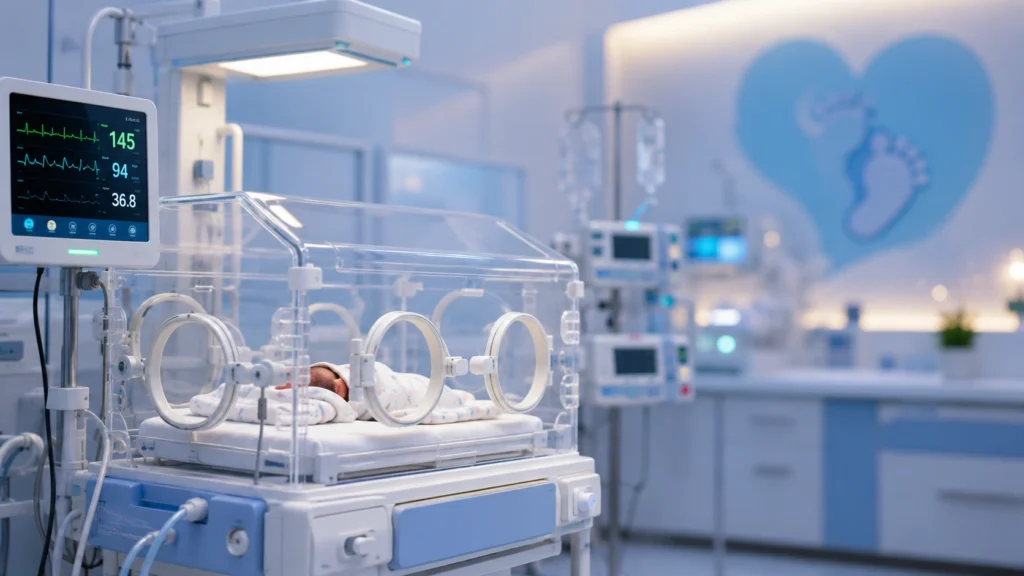
The Neonatal Intensive Care Unit, commonly known as NICU, is a specialized hospital unit designed to provide intensive medical care for newborn babies who are born premature, sick, or with special health needs. Not every baby is ready to go home immediately after birth. Some need extra support with breathing, feeding, temperature control, infection management, or monitoring of vital functions. The NICU is equipped with advanced technology, specialized staff, and a carefully controlled environment to give these vulnerable babies the best possible start in life.
Parents often feel anxious, overwhelmed, or scared when their baby is admitted to the NICU. They may have many questions about why their baby needs care, what treatments are being given, how long the stay may last, and what they can do to help. Understanding the purpose of the NICU, the types of care provided, and the role of parents can reduce fear and build confidence during this critical time.
What is NICU?
NICU stands for Neonatal Intensive Care Unit. It is a specialized area within a hospital that provides round-the-clock medical care for newborns who need more support than a regular newborn nursery can provide. The term “neonatal” refers to the first twenty-eight days of life, which is the most critical period for a baby’s adjustment after birth.
The NICU is staffed by a team of specialists trained in newborn care, including neonatologists, neonatal nurses, respiratory therapists, lactation consultants, physiotherapists, and other support staff. The unit is equipped with advanced machines for breathing support, temperature regulation, monitoring of heart rate and oxygen levels, IV nutrition, and infection control.
The main goal of the NICU is to support the baby’s growth and development while treating any medical problems. The care is tailored to each baby’s needs, whether the baby is premature, has breathing difficulties, infection, jaundice, low blood sugar, heart problems, or other conditions.
Which Babies Need NICU Care?
Not all newborns need NICU care. Many babies are healthy and can stay with their mothers in the postnatal ward. However, some babies require specialized support due to prematurity, illness, or complications during birth.
Babies who may need NICU care
- Premature babies born before thirty-seven weeks of pregnancy.
- Very low birth weight babies weighing less than two and a half kilograms.
- Babies with breathing difficulties or respiratory distress.
- Babies who need oxygen or ventilation support.
- Babies with infection or suspected sepsis.
- Babies with severe jaundice needing intensive treatment.
- Babies with low blood sugar that does not improve with feeding.
- Babies with birth defects or congenital conditions.
- Babies who had a difficult birth or low oxygen at birth.
- Babies with heart problems or other organ issues.
- Babies who are not feeding well or cannot feed orally.
- Babies who need close monitoring after surgery or procedures.
Why these babies need special care
- Their organs may not be fully developed to function independently.
- They may need help with breathing, temperature, or feeding.
- They are at higher risk of infection and complications.
- They require close monitoring of vital signs and growth.
- They may need medicines, IV fluids, or specialized nutrition.
Types of NICU Care
NICU care is provided at different levels depending on the baby’s condition and the hospital’s capabilities.
Levels of NICU care
- Level one, which is basic newborn care for stable babies.
- Level two, which is special care for babies who need some support but not intensive care.
- Level three, which is intensive care for premature and critically ill newborns.
- Level four, which is the highest level with advanced surgical and subspecialty support.
Types of support provided
- Respiratory support for breathing difficulties.
- Temperature control using incubators or warmers.
- IV fluids and nutrition for babies who cannot feed.
- Monitoring of heart rate, breathing, and oxygen levels.
- Treatment for infection with antibiotics and supportive care.
- Management of jaundice with special lights.
- Care for babies after surgery or with congenital conditions.
- Developmental support to promote healthy growth.
Common Conditions Treated in NICU
The NICU manages a wide range of conditions that affect newborns, especially those born early or with complications.
Prematurity-related issues
- Breathing problems due to immature lungs.
- Difficulty maintaining body temperature.
- Feeding intolerance or inability to feed orally.
- Risk of bleeding in the brain.
- Risk of eye problems related to prematurity.
- Increased risk of infection due to weak immunity.
Breathing problems
- Respiratory distress syndrome in premature babies.
- Meconium aspiration syndrome.
- Pneumonia or lung infection.
- Need for oxygen, CPAP, or ventilator support.
- Apnea or pauses in breathing.
Infection and sepsis
- Bacterial or viral infection acquired before or after birth.
- Fever, lethargy, or poor feeding as signs.
- Need for IV antibiotics and close monitoring.
- Supportive care to maintain stability.
Jaundice
- High bilirubin levels causing yellow discoloration.
- Risk of brain damage if untreated in severe cases.
- Treatment with phototherapy or exchange transfusion in severe cases.
- Monitoring of bilirubin levels and response to treatment.
Metabolic and sugar issues
- Low blood sugar in babies of diabetic mothers or premature infants.
- Electrolyte imbalance requiring correction.
- Need for IV glucose and careful monitoring.
Heart and circulation problems
- Congenital heart defects detected after birth.
- Poor circulation or low blood pressure.
- Need for specialized medicines or procedures.
- Coordination with pediatric cardiology when needed.
Gastrointestinal and feeding issues
- Feeding intolerance or abdominal distension.
- Risk of gut infection in premature babies.
- Need for tube feeding or IV nutrition.
- Gradual introduction of oral feeds as baby grows.
NICU Equipment and Monitoring
The NICU is equipped with specialized machines and devices to support newborn care.
Common equipment used
- Incubators to maintain a warm and controlled environment.
- Warmers for babies who need close access for procedures.
- Ventilators and CPAP machines for breathing support.
- Oxygen hoods or nasal prongs for oxygen delivery.
- Monitors for heart rate, breathing, and oxygen saturation.
- IV pumps for precise delivery of fluids and medicines.
- Phototherapy units for jaundice treatment.
- Syringe pumps for small, accurate doses of medicines.
- Blood gas analyzers to check oxygen and acid-base balance.
- Ultrasound and X-ray facilities for diagnosis.
Monitoring in NICU
- Continuous monitoring of heart rate and rhythm.
- Monitoring of breathing rate and effort.
- Oxygen saturation monitoring to ensure adequate oxygen levels.
- Blood pressure monitoring in sick babies.
- Temperature monitoring to prevent overheating or cooling.
- Blood sugar and electrolyte monitoring as needed.
- Regular assessment of weight, feeding, and growth.
Feeding and Nutrition in NICU
Feeding is a critical part of NICU care because proper nutrition supports growth, brain development, and recovery.
Feeding methods in NICU
- Breast milk feeding, which is the best option for most babies.
- Expressed breast milk given through a tube if baby cannot feed directly.
- Formula feeding when breast milk is not available or sufficient.
- IV nutrition for babies who cannot tolerate feeds initially.
- Gradual transition from tube feeds to oral feeds as baby matures.
Importance of breast milk
- Provides essential nutrients and antibodies.
- Reduces risk of infection and gut problems.
- Supports brain development and immunity.
- Easier to digest for premature babies.
- Encouraged with lactation support and pumping facilities.
Feeding support
- Lactation consultants to help mothers express milk.
- Guidance on feeding techniques and positioning.
- Monitoring of weight gain and feeding tolerance.
- Adjustment of feeding plans based on baby’s progress.
Infection Control in NICU
Infection control is a top priority in the NICU because newborns, especially premature ones, are highly vulnerable to infection.
Infection prevention measures
- Strict handwashing before touching any baby.
- Use of gloves, gowns, and masks when required.
- Limited visitors and controlled access to the unit.
- Regular cleaning and disinfection of equipment and surfaces.
- Isolation of babies with suspected or confirmed infection.
- Screening of staff and visitors for illness.
- Careful handling of IV lines and tubes to prevent contamination.
Signs of infection in newborns
- Fever or low body temperature.
- Lethargy or excessive sleepiness.
- Poor feeding or vomiting.
- Breathing difficulties.
- Abdominal distension.
- Changes in skin color or activity level.
Treatment of infection
- IV antibiotics based on suspected or confirmed infection.
- Supportive care to maintain stability.
- Monitoring of blood tests and response to treatment.
- Isolation precautions to prevent spread to other babies.
Parent Involvement in NICU Care
Parents play a vital role in NICU care, even when their baby is very small or sick.
Ways parents can be involved
- Visiting the baby as per unit policy.
- Participating in feeding when baby is ready.
- Providing expressed breast milk.
- Learning to care for the baby under guidance.
- Being present during procedures when allowed.
- Communicating with the medical team about concerns.
- Practicing skin-to-skin contact or kangaroo mother care when appropriate.
Kangaroo Mother Care
- Skin-to-skin contact between mother and baby.
- Helps regulate baby’s temperature, heart rate, and breathing.
- Promotes bonding and breastfeeding.
- Shown to improve weight gain and reduce infection risk.
- Encouraged when baby is stable enough.
Emotional support for parents
- Counseling and guidance from NICU staff.
- Clear communication about baby’s condition and progress.
- Support groups or peer counseling when available.
- Education on what to expect during and after NICU stay.
Discharge Planning and Follow-Up
Discharge from the NICU is an important milestone, but it requires careful planning to ensure the baby continues to do well at home.
Discharge criteria
- Baby is able to maintain body temperature in an open crib.
- Baby is feeding well orally and gaining weight.
- Baby is breathing comfortably without significant support.
- Baby is free from active infection or serious instability.
- Parents are trained in basic newborn care and warning signs.
Discharge preparation
- Teaching parents about feeding, bathing, and medication.
- Guidance on recognizing warning signs at home.
- Planning for follow-up visits and tests.
- Arranging for any home equipment or support if needed.
- Providing written instructions and contact information.
Follow-up care
- Regular check-ups for growth and development.
- Monitoring of vision and hearing in high-risk babies.
- Assessment of neurodevelopment and milestones.
- Vaccination schedule as per pediatric guidance.
- Coordination with specialists if baby has ongoing conditions.
Why Choose Rama Hospital for NICU Care?
NICU care requires a high level of expertise, advanced technology, and a compassionate approach. A hospital with a well-equipped NICU and experienced neonatal team can make a significant difference in outcomes for premature and sick newborns.
- Experienced neonatologists and NICU nurses available round the clock.
- Advanced ventilators, monitors, and incubators for critical care.
- Strong infection control protocols to protect vulnerable babies.
- Lactation and developmental support for optimal growth.
- Coordinated care with pediatric specialists when needed.
- Parent education and involvement throughout the NICU stay.
Frequently Asked Questions (FAQs)
Which babies need NICU care?
Babies born premature, with low birth weight, breathing problems, infection, severe jaundice, or other medical issues may need NICU care. Some babies need support after a difficult birth or due to congenital conditions. The decision is based on the baby’s condition and stability.
How long does a baby stay in NICU?
The length of stay depends on the baby’s condition, gestational age, and response to treatment. Some babies stay for a few days, while others may need weeks or months of care. The team works towards discharge as soon as the baby is stable and growing well.
Can parents visit their baby in NICU?
Yes, most NICUs allow parents to visit their baby according to unit policy. Parents are encouraged to be involved in care, provide breast milk, and practice kangaroo mother care when appropriate. Infection control measures are followed to keep the baby safe.
Is breast milk important for NICU babies?
Yes, breast milk is highly beneficial for NICU babies, especially premature ones. It provides essential nutrients, antibodies, and protection against infection. Mothers are supported to express milk even if the baby cannot feed directly at first.
What is kangaroo mother care?
Kangaroo mother care is skin-to-skin contact between the mother and baby, usually on the mother’s chest. It helps regulate the baby’s temperature, heart rate, and breathing, and promotes bonding and breastfeeding. It is encouraged when the baby is stable enough.
What happens after discharge from NICU?
After discharge, babies need regular follow-up for growth, development, and any ongoing conditions. Parents receive guidance on feeding, warning signs, and vaccination. Some babies may need specialist follow-up for vision, hearing, or neurodevelopment.
Is NICU care safe for babies?
Yes, NICU care is designed to be as safe as possible for vulnerable newborns. Strict infection control, experienced staff, and advanced monitoring help reduce risks. The team continuously assesses the baby’s condition and adjusts care as needed.
Conclusion
The Neonatal Intensive Care Unit is a lifeline for premature and sick newborns who need specialized medical support in the first days and weeks of life. With advanced technology, expert neonatal teams, and family-centered care, the NICU provides a safe environment for babies to grow, recover, and thrive. While the journey can be emotionally challenging for parents, understanding the purpose of NICU care and staying involved can make a significant difference.
For families facing a high-risk birth or a baby with special needs, a well-equipped NICU with experienced staff offers the best chance for a healthy start. With proper treatment, monitoring, and follow-up, many NICU babies go on to lead normal, healthy lives.
Rama Hospital provides comprehensive NICU services with a focus on safety, quality, and parent involvement. The team is committed to supporting both the medical and emotional needs of babies and families during this critical time.