Minimally invasive fracture fixation is a modern surgical approach used to treat broken bones with smaller incisions, less tissue damage, and faster recovery compared to traditional open surgery. Instead of making a large cut to expose the entire fracture, the surgeon uses small incisions, specialized instruments, and imaging guidance to align and fix the bone from the inside. This method is commonly used for fractures of the hip, femur, tibia, humerus, spine, and some complex joint fractures.
The main goal of this technique is to stabilize the bone, allow proper healing, and restore function while minimizing pain, scarring, and hospital stay. It is especially helpful for elderly patients, people with multiple health problems, or those with fractures that are difficult to treat with conventional methods. Because the soft tissues around the bone are preserved, the blood supply remains better, which can improve healing and reduce complications.
What is Minimally Invasive Fracture Fixation?
Minimally invasive fracture fixation is a surgical technique used to treat broken bones through small incisions. The surgeon uses special implants such as screws, plates, rods, or nails to hold the bone in the correct position while it heals. The procedure is guided by real-time imaging, such as X-ray or fluoroscopy, to ensure accurate placement of the implants.
Unlike traditional open surgery, where a large incision is made to directly see and fix the bone, minimally invasive surgery works through small openings. The surgeon inserts instruments and implants through these small cuts, often without fully exposing the fracture site. This approach protects the surrounding muscles, tendons, and blood vessels, which helps reduce pain and speeds up recovery.
This technique is used for many types of fractures, especially long bone fractures, hip fractures, spine fractures, and some joint fractures. It is particularly useful when the soft tissue around the fracture is damaged or when the patient is not a good candidate for a large open procedure.
Why is Minimally Invasive Fracture Fixation Done?
This procedure is done to stabilize broken bones and allow them to heal in the correct position. It is chosen when the benefits of smaller incisions and less tissue damage outweigh the need for direct visualization of the fracture.
Common reasons for this procedure include:
- Hip fractures in elderly patients.
- Femur or thigh bone fractures.
- Tibia or shin bone fractures.
- Humerus or upper arm fractures.
- Spine fractures requiring stabilization.
- Complex fractures where soft tissue is damaged.
- Fractures in patients with multiple health problems.
- Cases where faster recovery and less pain are priorities.
- Fractures that are difficult to treat with casts or external supports.
- Patients who need early mobilization to prevent complications.
Why this approach is preferred
- Smaller incisions mean less scarring and better cosmetic results.
- Less damage to muscles and soft tissues around the bone.
- Better preservation of blood supply to the fracture site.
- Reduced pain and need for strong pain medicines.
- Shorter hospital stay and faster return to activity.
- Lower risk of wound infection and healing problems.
- Earlier mobilization, which reduces complications like pneumonia or blood clots.
Types of Minimally Invasive Fracture Fixation
There are different types of minimally invasive procedures depending on the bone involved and the fracture pattern.
Intramedullary nailing
- A metal rod is inserted into the hollow center of the bone.
- Commonly used for femur, tibia, and humerus fractures.
- The rod is locked in place with screws at both ends.
- Provides strong internal support while the bone heals.
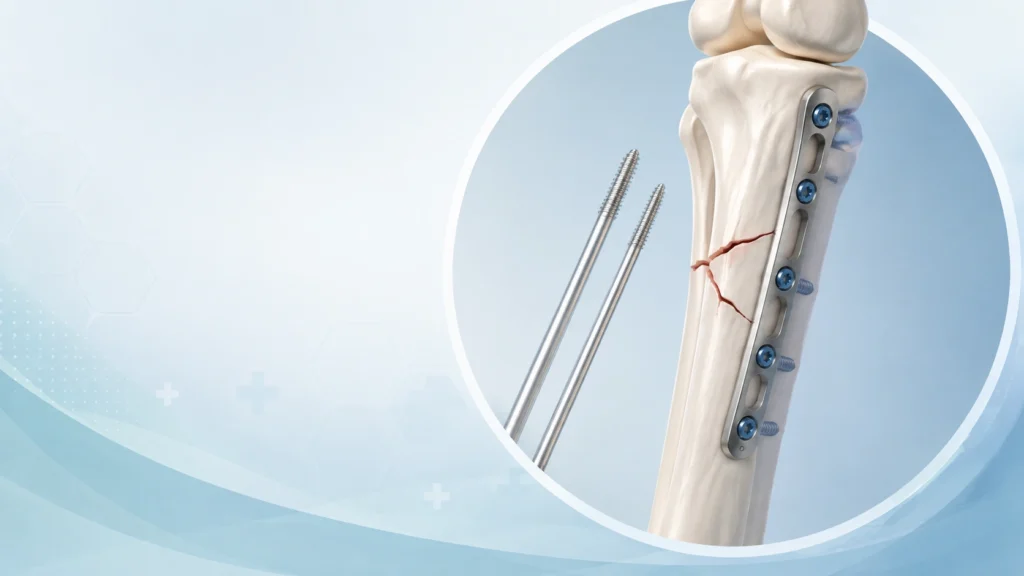
Percutaneous plate fixation
- A plate is slid under the skin and muscles over the bone.
- Screws are placed through small incisions to fix the plate.
- Used for certain long bone and joint fractures.
- Preserves soft tissue and blood supply around the fracture.
Minimally invasive screw fixation
- Screws are placed through small incisions to hold bone fragments.
- Often used for hip fractures, ankle fractures, or small bone fractures.
- Guided by imaging to ensure accurate placement.
- Less invasive than open plating.
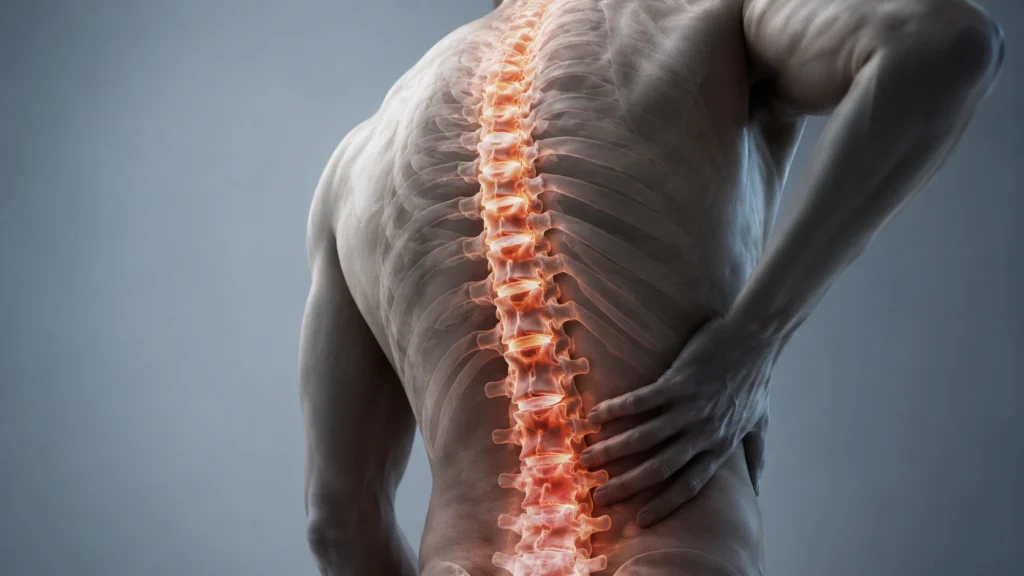
Minimally invasive spine fixation
- Screws and rods are placed through small incisions in the back.
- Used for spine fractures or instability.
- Reduces muscle damage compared to open spine surgery.
- Helps stabilize the spine while allowing faster recovery.
Combined techniques
- Sometimes more than one method is used together.
- For example, a nail with additional screws or a plate with minimal exposure.
- The choice depends on the fracture type and patient needs.
Benefits of Minimally Invasive Fracture Fixation
This approach offers several advantages over traditional open surgery, especially for certain patients and fracture types.
Key benefits include:
- Smaller incisions and less visible scarring.
- Less damage to muscles and soft tissues.
- Reduced blood loss during surgery.
- Lower risk of wound infection and healing problems.
- Less postoperative pain and discomfort.
- Shorter hospital stay in many cases.
- Faster return to walking and daily activities.
- Better preservation of blood supply to the bone.
- Lower risk of stiffness and joint problems.
- Suitable for elderly or medically complex patients.
Why these benefits matter
- Less tissue damage means faster healing and less pain.
- Smaller wounds reduce the risk of infection, especially in diabetic or elderly patients.
- Early mobilization prevents complications like bedsores, pneumonia, and blood clots.
- Faster recovery helps patients return to independence sooner.
- Better cosmetic results and less long-term discomfort at the surgical site.
Risks and Limitations
Like any surgery, minimally invasive fracture fixation has risks and limitations.
Possible risks include:
- Infection, though the risk is lower than open surgery.
- Bleeding or hematoma formation.
- Nerve or blood vessel injury during instrument placement.
- Implant malposition or failure.
- Delayed healing or non-union of the fracture.
- Need for additional surgery in some cases.
- Radiation exposure from imaging guidance.
- Stiffness or reduced range of motion in nearby joints.
- Blood clots in the legs or lungs.
- Anesthesia-related complications.
Limitations of the technique
- Not suitable for all types of fractures.
- Some complex fractures still need open surgery for proper alignment.
- Requires specialized equipment and surgeon expertise.
- May take longer in the operating room for certain cases.
- Imaging guidance is essential, which may not be available everywhere.
Why risks are generally lower
- Smaller incisions reduce wound-related problems.
- Less tissue disruption means better blood flow and healing.
- Early mobilization reduces complications of prolonged bed rest.
- Modern implants and imaging improve accuracy and safety.
Preparation for the Procedure
Proper preparation helps ensure a smooth surgery and recovery.
Pre-surgery steps
- Detailed evaluation of the fracture with X-ray, CT, or MRI.
- Assessment of overall health, including heart, lungs, and kidneys.
- Blood tests to check for anemia, infection, or clotting issues.
- Review of current medicines, especially blood thinners.
- Discussion of anesthesia options and risks.
- Fasting for a specified period before surgery.
- Arrangement for post-surgery support at home.
- Planning for rehabilitation and follow-up visits.
Patient instructions before surgery
- Inform the doctor about all medicines and allergies.
- Stop certain medicines as advised, such as blood thinners.
- Maintain good hygiene and clean skin around the surgical area.
- Avoid eating or drinking for the recommended time before surgery.
- Arrange for someone to accompany you to the hospital.
- Wear comfortable clothing on the day of surgery.
- Bring all medical reports and imaging films.
Why preparation matters
- Good preparation reduces the risk of complications.
- It helps the surgical team plan the best approach.
- It ensures the patient is medically fit for anesthesia and surgery.
- It sets the stage for a smoother recovery and rehabilitation.
The Procedure Step by Step
The exact steps vary depending on the bone and fracture type, but the general approach is similar.
On the day of surgery
- The patient is admitted to the hospital.
- Vital signs are checked and monitored.
- Anesthesia is given, either general or regional.
- The surgical area is cleaned and prepared.
- Small incisions are made near the fracture site.
During the procedure
- Imaging guidance is used to visualize the bone and fracture.
- Special instruments are inserted through the small incisions.
- The bone fragments are aligned into the correct position.
- Implants such as nails, screws, or plates are placed internally.
- The position of the implants is checked with imaging.
- The incisions are closed with stitches or staples.
- A sterile dressing is applied.
After the procedure
- The patient is moved to a recovery area.
- Pain and vital signs are monitored.
- Antibiotics and pain medicines are given as needed.
- Early mobilization is encouraged when safe.
- A rehabilitation plan is started based on the fracture type.
Recovery After Minimally Invasive Fracture Fixation
Recovery depends on the bone involved, the fracture severity, and the patient’s overall health.
Hospital stay
- Many patients stay in the hospital for a few days.
- Elderly or complex patients may need longer monitoring.
- Pain control and wound care are provided.
- Physiotherapy may start within the first day or two.
Early recovery phase
- Pain and swelling are common but gradually improve.
- Weight-bearing may be restricted initially depending on the fracture.
- Walking aids such as crutches or walkers may be used.
- Wound care and dressing changes are done as advised.
- Follow-up visits are scheduled to monitor healing.
Later recovery phase
- Gradual increase in activity and weight-bearing.
- Continued physiotherapy to improve strength and movement.
- Return to normal daily activities over weeks to months.
- Imaging may be done to check bone healing.
- Implants are usually left in place unless they cause problems.
Rehabilitation support
- Physiotherapy for strength, balance, and mobility.
- Occupational therapy for daily activities if needed.
- Home exercises to continue progress between sessions.
- Nutritional support for bone healing.
- Psychological support for anxiety or fear of movement.
Possible Complications
Most patients recover well, but some may experience complications.
Possible complications include:
- Infection at the incision sites.
- Delayed healing or non-union of the fracture.
- Implant failure or breakage.
- Nerve or blood vessel injury.
- Stiffness in nearby joints.
- Blood clots in the legs or lungs.
- Chronic pain or discomfort.
- Need for additional surgery.
- Anesthesia-related issues.
- General medical complications such as chest infection or urinary issues.
Why complications are less common
- Smaller incisions reduce wound infection risk.
- Less tissue damage improves blood supply and healing.
- Early mobilization reduces complications of bed rest.
- Modern implants and imaging improve accuracy.
When is Minimally Invasive Fracture Fixation Recommended?
This procedure is not suitable for every fracture, but it is recommended in many cases.
Common indications include:
- Hip fractures in elderly patients.
- Long bone fractures such as femur or tibia.
- Fractures where soft tissue is damaged or at risk.
- Patients who need early mobilization.
- Medically complex patients who may not tolerate open surgery well.
- Fractures that can be stabilized with internal implants.
- Cases where faster recovery and less pain are priorities.
- Spine fractures requiring stabilization.
- Certain joint fractures that can be fixed with minimal exposure.
- Patients who want smaller scars and quicker return to activity.
When open surgery may be preferred
- Very complex fractures needing direct visualization.
- Fractures with severe soft tissue loss.
- Cases where minimally invasive tools are not suitable.
- Infections or other conditions requiring open access.
- Surgeon’s judgment based on the specific case.
Why Choose Rama Hospital for Minimally Invasive Fracture Fixation?
Minimally invasive fracture fixation requires experienced orthopedic surgeons, advanced imaging, and comprehensive post-surgery care. A hospital with a dedicated trauma and orthopedic team can provide better outcomes and support.
- Expert evaluation of fracture type and patient fitness.
- Access to modern imaging and surgical equipment.
- Experienced orthopedic and trauma surgeons.
- Comprehensive anesthesia and critical care support.
- Structured rehabilitation and follow-up programs.
- Management of complications if they occur.
Frequently Asked Questions (FAQs)
Is this procedure safe for elderly patients?
Yes, it is often preferred for elderly patients because it causes less tissue damage and allows faster mobilization. This reduces complications like pneumonia, bedsores, and blood clots. The decision depends on the patient’s overall health and fracture type.
How long does the surgery take?
The duration varies depending on the bone and fracture complexity. Some procedures take about an hour, while others may take longer. The surgical team will give an estimate based on the specific case.
Will I need physiotherapy after surgery?
Yes, physiotherapy is an important part of recovery. It helps improve strength, movement, and balance. The therapist will guide you on safe exercises and walking progression.
How long does it take to recover?
Recovery time varies from person to person. Many patients start walking with support within days. Full bone healing may take several weeks to months. Consistent rehabilitation and follow-up are important.
Are the implants removed after healing?
In most cases, the implants are left in place unless they cause problems. Removal is considered only if there is pain, infection, or specific reasons. Your surgeon will advise based on your situation.
Can this procedure be done for all fractures?
No, not all fractures are suitable for minimally invasive fixation. Some complex or open fractures may need traditional open surgery. The choice depends on the fracture pattern and patient factors.
What are the signs of complications after surgery?
Warning signs include increasing pain, redness, swelling, fever, discharge from the wound, or new numbness. If you notice these, contact your doctor immediately for evaluation.
Conclusion
Minimally invasive fracture fixation is a modern, effective approach to treat broken bones with smaller incisions, less tissue damage, and faster recovery. It is especially helpful for elderly patients, those with complex health problems, or fractures where preserving soft tissue is important. While not suitable for every case, it offers significant benefits in pain reduction, hospital stay, and return to activity.
The most important steps are proper patient selection, experienced surgical care, and structured rehabilitation. For patients with hip, femur, tibia, or spine fractures, this technique can provide strong fixation with fewer complications. With the right care, most patients recover well and regain function over time.
Rama Hospital can provide expert evaluation, advanced minimally invasive surgical care, and comprehensive rehabilitation support for patients with fractures, ensuring safe treatment and optimal recovery.