Hypertension, commonly known as high blood pressure, is one of the most common chronic health conditions in adults. It often has no obvious symptoms, which is why it is sometimes called the “silent killer.” Many people live with high blood pressure for years without knowing it, until it leads to complications such as heart attack, stroke, kidney damage, or vision loss.
Hypertension management is not just about taking medicines. It is about understanding blood pressure, knowing your numbers, making sustainable lifestyle changes, taking prescribed treatment regularly, and attending follow-up visits. With proper management, most people can keep their blood pressure under control, reduce the risk of complications, and live a normal, active life.
What is Hypertension?
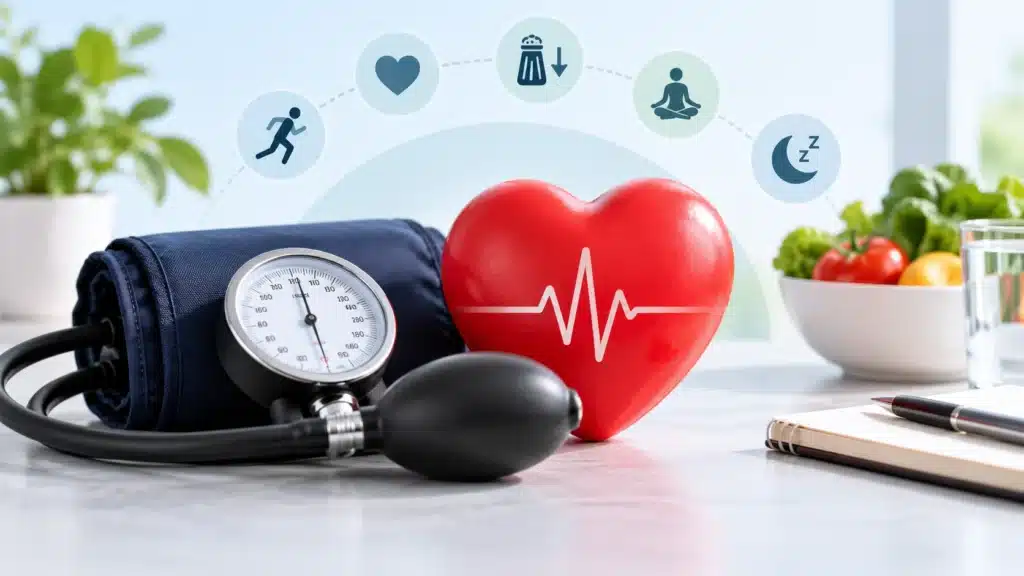
Hypertension is a condition in which the force of blood against the artery walls is consistently too high. Blood pressure is measured using two numbers: systolic pressure, which is the pressure when the heart beats, and diastolic pressure, which is the pressure when the heart rests between beats.
In most adults, normal blood pressure is around 120/80 mmHg. Hypertension is usually diagnosed when blood pressure is consistently 140/90 mmHg or higher on multiple readings. Some guidelines use lower thresholds for certain high-risk groups.
High blood pressure makes the heart work harder and damages blood vessels over time. This increases the risk of heart disease, stroke, kidney failure, eye damage, and other serious problems. The good news is that hypertension can be managed effectively with the right approach.
Types of Hypertension
Hypertension can be classified based on cause and severity.
Based on cause
- Primary or essential hypertension, which has no single identifiable cause and is related to genetics, lifestyle, and aging. This is the most common type.
- Secondary hypertension, which is caused by another medical condition such as kidney disease, hormonal disorders, sleep apnea, or certain medicines.
Based on severity
- Elevated blood pressure, which is higher than normal but not yet in the hypertension range.
- Stage 1 hypertension, which is mild to moderate elevation.
- Stage 2 hypertension, which is more significant elevation and often requires multiple medicines.
- Hypertensive crisis, which is very high blood pressure that may need emergency care, especially if there are symptoms.
Special situations
- White coat hypertension, where blood pressure is high in the clinic but normal at home.
- Masked hypertension, where blood pressure is normal in the clinic but high at home or during daily activities.
- Resistant hypertension, where blood pressure remains high despite multiple medicines.
Risk Factors for Hypertension
Many factors can increase the risk of developing high blood pressure.
Non-modifiable risk factors
- Family history of hypertension.
- Increasing age.
- Certain ethnic backgrounds with higher risk.
- Genetic predisposition.
Modifiable risk factors
- High salt intake.
- Overweight or obesity.
- Physical inactivity.
- Smoking.
- Excessive alcohol use.
- Poor diet low in fruits and vegetables.
- Chronic stress.
- Poor sleep or sleep apnea.
- Uncontrolled diabetes or high cholesterol.
Medical conditions that can raise BP
- Kidney disease.
- Thyroid disorders.
- Adrenal gland problems.
- Sleep apnea.
- Certain hormonal conditions.
- Long-term use of some painkillers, decongestants, or steroids.
Symptoms of Hypertension
Most people with hypertension have no symptoms at all. This is why regular blood pressure checks are so important.
Possible symptoms in some people
- Headache, especially in the morning.
- Dizziness.
- Blurred vision.
- Chest discomfort.
- Shortness of breath.
- Palpitations.
- Nosebleeds in some cases.
- Fatigue or reduced exercise tolerance.
Warning signs of very high BP
- Severe headache.
- Chest pain.
- Difficulty breathing.
- Confusion or altered speech.
- Weakness on one side of the body.
- Vision loss.
- Severe anxiety or sense of doom.
These symptoms may indicate a hypertensive emergency and need immediate medical attention.
Diagnosis of Hypertension
Diagnosis is based on accurate blood pressure measurement and evaluation of overall risk.
Diagnostic steps
- Proper blood pressure measurement using a calibrated device.
- Multiple readings on different days to confirm diagnosis.
- Home blood pressure monitoring in selected cases.
- 24-hour ambulatory blood pressure monitoring if white coat or masked hypertension is suspected.
- Assessment of other risk factors such as diabetes, cholesterol, smoking, and family history.
- Evaluation for target organ damage such as heart, kidneys, eyes, and blood vessels.
Common tests that may be done
- Blood tests for sugar, kidney function, electrolytes, and cholesterol.
- Urine test for protein or kidney involvement.
- ECG to check heart rhythm and strain.
- Echocardiogram to assess heart structure and function.
- Eye examination to check for retinal changes.
- Ultrasound of kidneys or hormonal tests if secondary hypertension is suspected.
Why diagnosis matters
Accurate diagnosis helps determine the level of risk and the intensity of treatment needed. It also helps identify any underlying causes that may need specific treatment.
Treatment Goals in Hypertension
The main goals of hypertension management are to lower blood pressure to a safe range, protect organs from damage, and reduce the risk of heart attack, stroke, and kidney disease.
General treatment targets
- Blood pressure below 140/90 mmHg for most adults.
- Lower targets for selected high-risk patients such as those with diabetes, kidney disease, or established heart disease.
- Individualized targets based on age, tolerance, and overall health.
Additional goals
- Weight management if overweight.
- Control of blood sugar and cholesterol.
- Smoking cessation.
- Improved fitness and activity levels.
- Better sleep and stress management.
Treatment for Hypertension
Treatment includes both lifestyle changes and medicines. Most patients need a combination of both for optimal control.
1. Lifestyle and routine support
Lifestyle changes are the foundation of hypertension management.
- Reduce salt intake to less than one teaspoon per day.
- Follow a balanced diet rich in fruits, vegetables, whole grains, and low-fat dairy.
- Maintain a healthy weight for height and age.
- Engage in regular physical activity such as brisk walking, cycling, or swimming.
- Avoid smoking and limit alcohol.
- Manage stress through relaxation techniques, hobbies, or counseling.
- Ensure adequate sleep and treat sleep apnea if present.
2. Dietary approaches
Diet plays a major role in blood pressure control.
- Emphasize fresh fruits and vegetables.
- Choose whole grains over refined grains.
- Include low-fat dairy products.
- Prefer lean protein sources such as fish, poultry, pulses, and nuts.
- Limit processed foods, packaged snacks, and restaurant meals high in salt.
- Reduce intake of sugary drinks and desserts.
- Use herbs and spices instead of excess salt for flavor.
3. Medicines for blood pressure
Many safe and effective medicines are available for hypertension.
- Diuretics that help the body remove excess salt and water.
- ACE inhibitors that relax blood vessels and protect the kidneys.
- ARBs that work similarly to ACE inhibitors with fewer side effects in some patients.
- Calcium channel blockers that relax blood vessel walls.
- Beta blockers that reduce heart rate and workload in selected patients.
- Other medicines as needed based on individual profile and co-existing conditions.
4. Treatment of underlying causes
If secondary hypertension is present, treating the underlying condition is essential.
- Kidney disease management.
- Thyroid or adrenal disorder treatment.
- Sleep apnea evaluation and therapy.
- Review and adjustment of medicines that may raise BP.
- Hormonal treatment when indicated.
5. Monitoring and follow-up
Regular follow-up is crucial for long-term control.
- Home blood pressure monitoring as advised.
- Regular clinic visits to review readings and adjust treatment.
- Periodic blood and urine tests to monitor kidney function and electrolytes.
- Eye and heart evaluation as needed.
- Ongoing support for diet, activity, and medication adherence.
Lifestyle and Diet Support
Daily habits have a powerful effect on blood pressure.
Helpful habits
- Measure BP at home if advised and keep a record.
- Take medicines at the same time every day.
- Do not stop medicines suddenly without medical advice.
- Follow up even if you feel well, as hypertension often has no symptoms.
- Involve family in healthy eating and activity routines.
- Limit screen time and increase daily movement.
Foods that support BP control
- Leafy vegetables and colorful fruits.
- Whole grains such as oats, brown rice, and millets.
- Low-fat milk, curd, and paneer.
- Pulses, beans, and lentils.
- Nuts and seeds in moderation.
- Fish rich in omega-3 fatty acids.
- Herbs such as garlic, coriander, and cinnamon in normal culinary amounts.
Habits to limit
- Excess salt, pickles, papads, and processed snacks.
- Fried and fatty foods.
- Sugary beverages and desserts.
- Smoking and tobacco in any form.
- Excess alcohol.
- Unsupervised use of painkillers or decongestants that can raise BP.
Possible Complications of Uncontrolled Hypertension
When blood pressure remains high for a long time, it can damage multiple organs.
Possible complications
- Heart attack and heart failure.
- Stroke and transient ischemic attack.
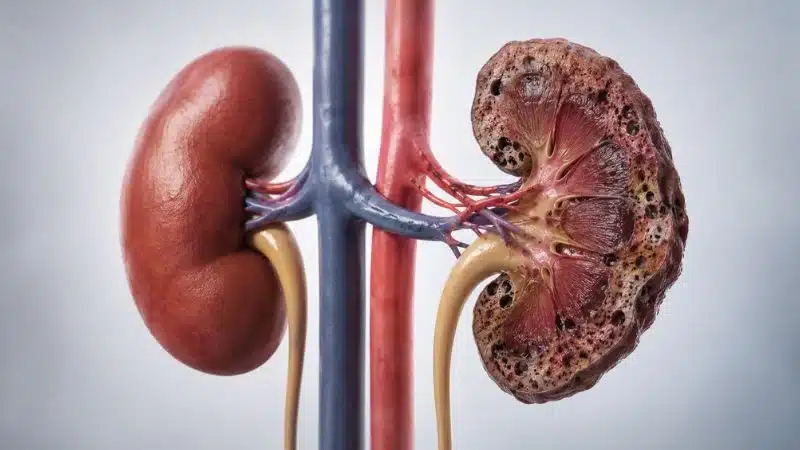
- Kidney damage and chronic kidney disease.
- Eye damage and vision loss.
- Peripheral artery disease affecting legs and feet.
- Aortic aneurysm or dissection.
- Cognitive decline and dementia.
- Sexual dysfunction.
- Pregnancy complications such as preeclampsia.
Why complications happen
High pressure damages the inner lining of blood vessels, making them stiff and narrow. This reduces blood flow to vital organs and increases the risk of clots, bleeding, and organ failure over time.
When Should You See a Doctor?
Regular medical care is important for anyone with hypertension or at risk.
- Blood pressure consistently above 140/90 mmHg.
- Borderline readings with other risk factors such as diabetes or family history.
- Symptoms such as headache, dizziness, chest discomfort, or breathlessness.
- Difficulty controlling BP despite taking medicines.
- Side effects from BP medicines.
- Planning pregnancy with existing hypertension.
- Existing heart, kidney, or eye disease.
Long-Term Care and Monitoring
Hypertension is a chronic condition that needs lifelong attention.
Long-term care pointers
- Continue medicines even if you feel well.
- Do not adjust doses on your own.
- Keep a BP diary if advised.
- Attend regular follow-up visits.
- Report new symptoms or side effects promptly.
- Reassess risk factors periodically.
- Update lifestyle habits as age and health status change.
Monitoring schedule
- Clinic visits every 1 to 3 months until BP is controlled.
- Visits every 3 to 6 months once stable.
- Blood and urine tests every 6 to 12 months or as advised.
- Eye and heart evaluation based on risk and duration of hypertension.
Why Choose Rama Hospital for Hypertension Management?
Hypertension care is not just about prescribing pills. It requires a comprehensive approach that includes accurate diagnosis, personalized treatment, lifestyle support, and long-term follow-up. A hospital-based program can provide all of this under one roof.
- Expert evaluation by medicine and cardiac specialists.
- Accurate BP measurement and ambulatory monitoring if needed.
- Comprehensive testing for heart, kidney, eye, and metabolic health.
- Personalized treatment plans based on age, risk, and co-existing conditions.
- Support for diet, activity, stress, and sleep.
- Long-term follow-up to prevent complications.
Frequently Asked Questions (FAQs)
Can hypertension be cured?
Hypertension is usually a chronic condition, but it can be controlled very well. With the right lifestyle changes and medicines, most people can keep their BP in a safe range and reduce the risk of complications.
Do I need medicines for life?
Many patients need long-term medicines, especially if they have primary hypertension. Some people may reduce or adjust medicines with significant lifestyle changes, but this should only be done under medical supervision.
Is high salt the only cause of high BP?
No, salt is one important factor, but genetics, weight, inactivity, stress, sleep, alcohol, and other medical conditions also play a role. A comprehensive approach works better than focusing on salt alone.
Can young people get hypertension?
Yes, hypertension is increasingly seen in younger adults due to obesity, stress, poor diet, and inactivity. Secondary causes are also more common in younger patients and should be evaluated.
How often should I check my blood pressure?
Adults should have their BP checked at least once a year. People with hypertension or high risk may need more frequent checks at home and in the clinic as advised by their doctor.
Can lifestyle changes replace medicines?
In some cases of mild hypertension, lifestyle changes may be enough initially. However, many patients need both lifestyle changes and medicines for optimal control. Never stop medicines without medical advice.
What happens if hypertension is left untreated?
Untreated hypertension can lead to heart attack, stroke, kidney failure, vision loss, and other serious problems. Early and consistent management greatly reduces these risks.
Conclusion
Hypertension is a common but serious condition that requires lifelong attention. The good news is that it can be managed effectively with the right combination of lifestyle changes, medicines, and regular follow-up. Most people with well-controlled blood pressure can live a normal, active life with a much lower risk of heart, brain, and kidney complications.
The most important steps are accurate diagnosis, personalized treatment, consistent medication use, healthy daily habits, and long-term monitoring. For patients with high readings, borderline BP with other risk factors, or difficulty controlling BP, a structured medical program can make a major difference.
Rama Hospital can help evaluate hypertension, create a personalized management plan, and provide ongoing support for blood pressure control, risk reduction, and long-term health.