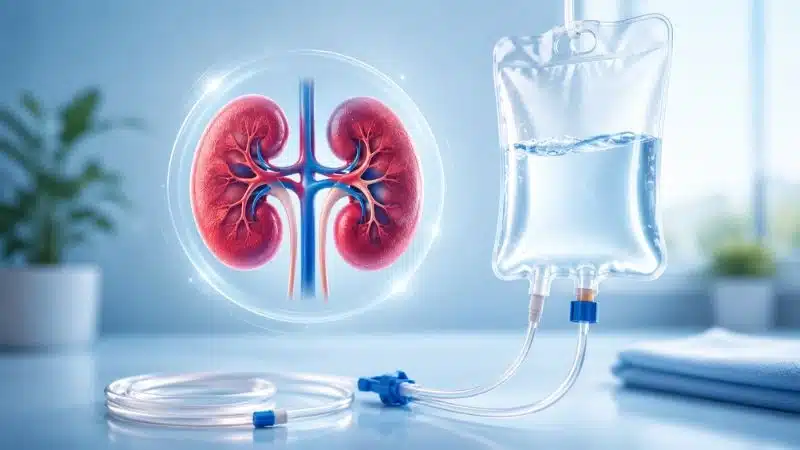
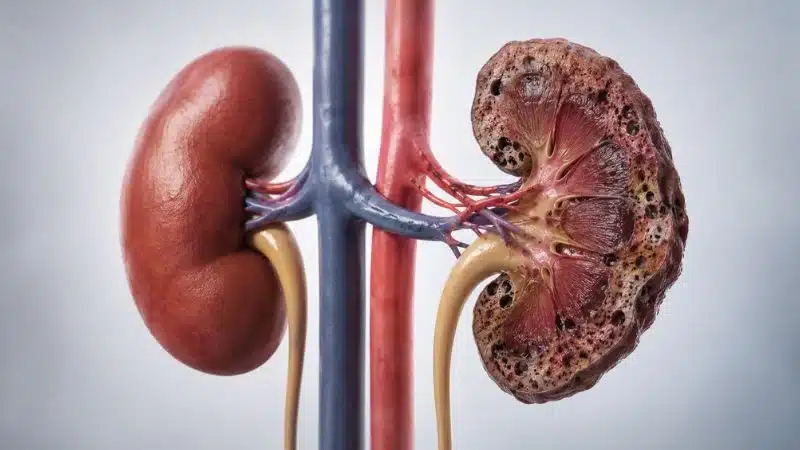
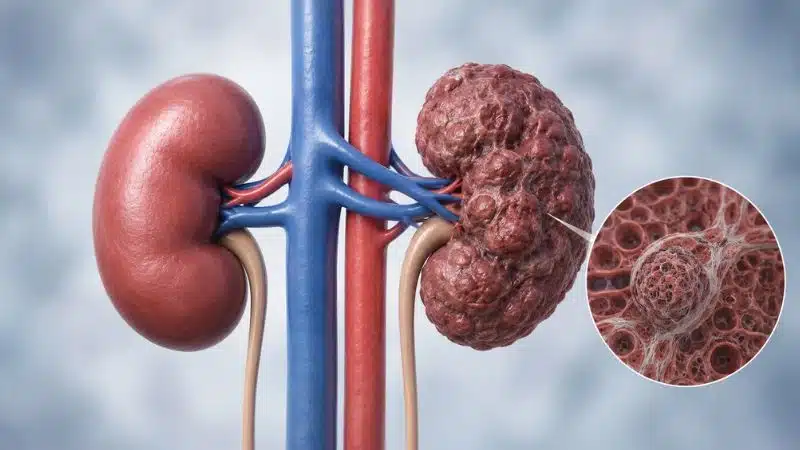
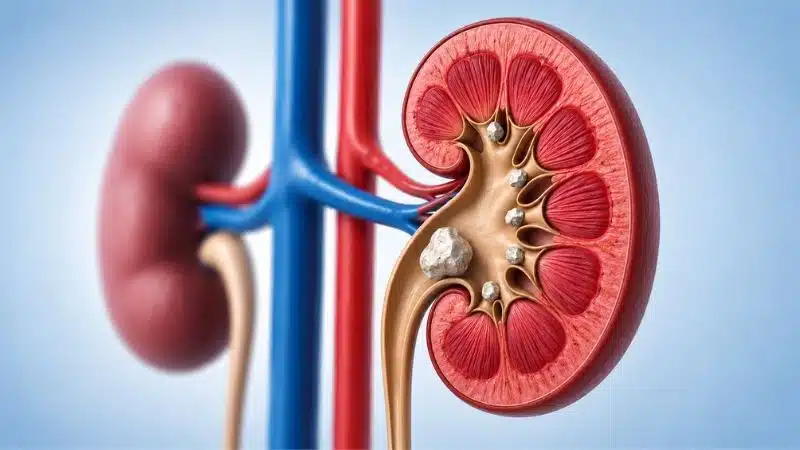
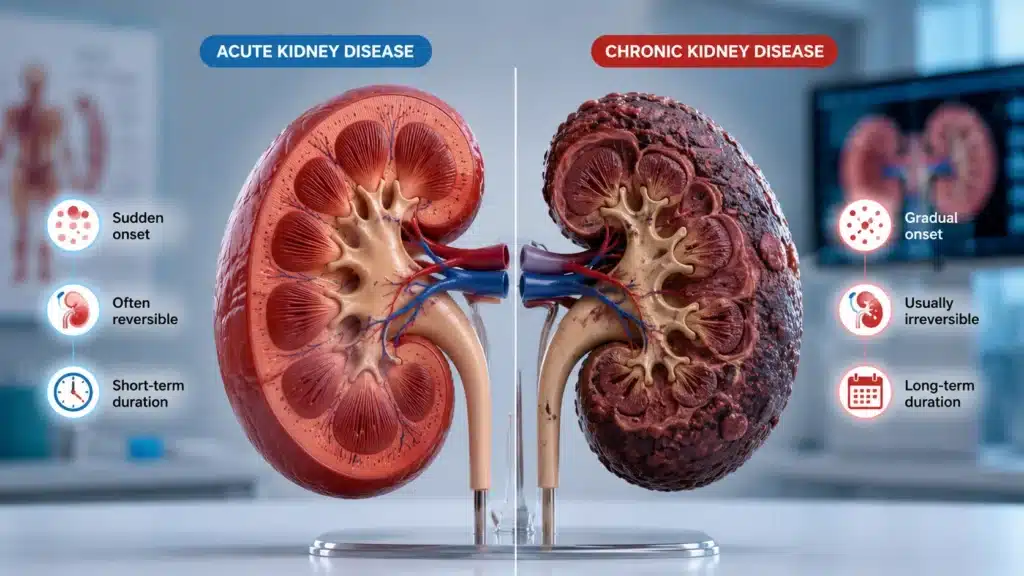
Your kidneys do something remarkable every single day; they filter your entire blood supply dozens of times, remove waste products, balance fluids, and regulate vital minerals. Most of us never think about them. Until they stop working.
When the kidneys fail, whether from chronic kidney disease (CKD), diabetes, high blood pressure, or another condition, waste and fluid begin to build up in the body. Left untreated, this becomes life-threatening. That’s when kidney replacement therapy becomes necessary.
Peritoneal Dialysis (PD) is one of the most effective and patient-friendly forms of kidney replacement therapy available today. Unlike hemodialysis, which requires visiting a hospital or dialysis center three to four times a week, peritoneal dialysis can be done at home, at your own schedule, using the body’s own natural membrane as a filter.
It offers patients something that many don’t expect from a kidney treatment, freedom. Freedom to stay at home, maintain a more normal daily routine, travel with fewer restrictions, and manage their treatment on their own terms.
What is peritoneal dialysis?
Peritoneal dialysis (PD) is a type of kidney replacement therapy that cleans the blood from inside the body, using the peritoneum as a natural filter.
Let’s break that down simply:
- The peritoneum is a thin, natural membrane that lines the inside of your abdomen and covers your abdominal organs.
- It is richly supplied with tiny blood vessels, making it an effective natural filter.
- In peritoneal dialysis, a special cleansing fluid called “dialysate” is introduced into the abdominal cavity through a soft, flexible tube called a “PD catheter.”
- This fluid sits inside the abdomen for a set period, called a dwell time.
- During this time, waste products and excess fluid from the blood pass through the peritoneal membrane into the dialysate by a process called diffusion and osmosis.
- The used dialysate, now containing waste, is then drained out and replaced with fresh fluid.
- This cycle of filling, dwelling, and draining is called an exchange.
In simple terms, your abdomen becomes your dialysis machine.
What does peritoneal dialysis do for your body?
- Removes waste products, such as urea and creatinine, that the kidneys can no longer filter.
- Removes excess fluid that would otherwise cause dangerous swelling and fluid overload.
- Helps balance electrolytes, sodium, potassium, calcium, and phosphate.
- Maintains a more stable internal body environment than intermittent dialysis sessions.
What are the types of peritoneal dialysis?
There is no single way to do peritoneal dialysis. At Rama Hospital, we work with each patient to choose the type of PD that fits their lifestyle, health needs, and daily routine.
1. CAPD: Continuous Ambulatory Peritoneal Dialysis
The most common type of peritoneal dialysis is the one most patients start with.
- How it works:
- Dialysate is manually introduced into the abdomen through the PD catheter.
- It dwells for 4 to 6 hours while you go about your day.
- You then drain it and refill with fresh fluid.
- This is repeated 3 to 5 times per day, including one overnight exchange with a longer dwell.
- No machine required, just gravity and the PD bags.
- Continuous dialysis and waste removal happen around the clock.
- Fully portable, it can be done at home, at work, or while traveling.
- Best suited for patients who are active, working, or prefer flexibility.
2. APD: Automated Peritoneal Dialysis
The machine-assisted version of peritoneal dialysis is ideal for those who prefer to dialyze while sleeping.
- How it works:
- A small machine called a cycler performs all the exchanges automatically overnight.
- The cycler fills, dwells, and drains the abdomen multiple times while you sleep, typically over 8 to 10 hours.
- You wake up, disconnect from the machine, and go about your day.
- No exchanges needed during the day, giving complete daytime freedom.
- Best suited for working professionals, children, and those who find daytime exchanges inconvenient.
- Requires the machine to be set up at home each night.
3. CCPD: Continuous Cycling Peritoneal Dialysis
- A variation of APD where the cycler performs overnight exchanges and a single longer daytime dwell is left in the abdomen.
- Combines the convenience of APD with additional dialysis time during the day.
- Often used when more dialysis is needed than APD alone provides.
4. IPD: Intermittent Peritoneal Dialysis
- Performed at intervals, not continuously.
- Sometimes used in acute kidney injury settings in hospitals.
- Less commonly used for long-term management of chronic kidney failure.
5. Tidal peritoneal dialysis
- A specialized form of APD where only a portion of the dialysate is drained and replaced with each cycle; a small “tidal” volume remains in the abdomen at all times.
- Can improve comfort and efficiency in selected patients.
Your nephrologist at Rama Hospital will recommend the most suitable peritoneal dialysis type based on your kidney function, body size, lifestyle, and personal preferences.
What conditions are treated with peritoneal dialysis?
Peritoneal dialysis is primarily used for kidney failure, but several specific conditions lead to the need for PD as a treatment.
1. End-Stage Renal Disease (ESRD)
- The most common reason for peritoneal dialysis.
- Occurs when chronic kidney disease has progressed to the point where the kidneys can no longer maintain life without assistance.
- PD is one of the two primary long-term dialysis options, alongside hemodialysis.
2. Chronic Kidney Disease (CKD) Stage 5
- When kidney function falls below 15% of normal (eGFR less than 15 ml/min/1.73 m²), dialysis becomes necessary.
- Peritoneal dialysis can be planned and started in a controlled, elective manner, ideally before an emergency presentation.
3. Diabetic Nephropathy
- Diabetes is the leading cause of kidney failure globally.
- Peritoneal dialysis is particularly suitable for diabetic patients; insulin can be added directly to the dialysate for better blood sugar control.
4. Hypertensive Nephrosclerosis
- Long-term uncontrolled high blood pressure damages kidney blood vessels, leading to kidney failure.
- Peritoneal dialysis provides effective kidney replacement with gentler fluid shifts, which is beneficial for blood pressure management
5. Glomerulonephritis
- Inflammatory conditions affecting the kidney’s filtering units, glomeruli.
- When these conditions lead to kidney failure, peritoneal dialysis is an effective treatment option.
6. Polycystic Kidney Disease (PKD)
- A genetic condition where cysts progressively replace kidney tissue.
- When kidneys fail, peritoneal dialysis is a viable option, though the enlarged kidneys may reduce available abdominal space; careful assessment is needed.
7. Lupus Nephritis
- Kidney involvement in systemic lupus erythematosus (SLE) can progress to kidney failure.
- Peritoneal dialysis provides effective replacement therapy in these patients.
8. Acute Kidney Injury (AKI): Selected Cases
- In some settings, particularly in critically ill patients or where hemodialysis access is not possible, acute peritoneal dialysis can be used as a temporary measure to support kidney function during recovery.
- More commonly used in resource-limited settings or in pediatric acute kidney injury.
9. Paediatric Kidney Failure
- Peritoneal dialysis is the preferred dialysis modality for infants and young children with kidney failure.
- Home-based, gentle, and avoids the need for vascular access in small children.
10. Congestive Heart Failure: Selected Cases
- In some patients with severe heart failure and fluid overload resistant to medications, ultrafiltration peritoneal dialysis can remove excess fluid when standard medical therapy fails.
- A specialist application managed jointly by nephrology and cardiology teams.
11. Drug Overdose and Poisoning
- Historically used for certain toxic ingestions to remove toxins from the body.
- Now largely replaced by more efficient methods in most centers.
Who needs peritoneal dialysis?
Peritoneal dialysis is recommended for patients with kidney failure who need long-term kidney replacement therapy. But not everyone with kidney disease needs peritoneal dialysis, and not everyone who needs dialysis is best suited for peritoneal dialysis.
You may be a good candidate for peritoneal dialysis if:
- Your kidney function has fallen to end-stage levels, and dialysis is needed.
- You prefer home-based treatment and the independence it offers.
- You have poor vascular access, meaning veins that are not suitable for hemodialysis.
- You have heart disease; peritoneal dialysis, gentler, continuous fluid removal, is kinder to the cardiovascular system than intermittent hemodialysis.
- You are a child or infant with kidney failure; peritoneal dialysis is the preferred modality in pediatric patients.
- You are diabetic; insulin can be added to dialysate for integrated blood sugar management.
- You live far from a dialysis center, and traveling three to four times weekly is impractical.
- You want to maintain work, school, or travel with fewer restrictions.
- You are being bridged to kidney transplantation; peritoneal dialysis preserves residual kidney function better than hemodialysis.
Peritoneal dialysis may not be suitable if:
- You have had extensive previous abdominal surgery causing significant scarring (adhesions) that prevents dialysate from distributing properly.
- You have an active abdominal hernia that has not been repaired.
- You have inflammatory bowel disease or other active abdominal conditions.
- You have significant cognitive impairment and no caregiver available to assist with exchanges.
- Your peritoneal membrane transport characteristics are not suitable for adequate dialysis, assessed by a peritoneal equilibration test (PET).
- You have a stoma (colostomy or ileostomy), though this is a relative contraindication; specialist assessment is needed.
What are the causes and risk factors of kidney failure?
Understanding what caused your kidneys to fail is important, both for managing the disease and for preventing further progression.
Leading causes of kidney failure requiring dialysis
- Diabetes mellitus – High blood sugar levels can gradually damage the kidneys over time.
- Hypertension (High Blood Pressure) – Constant high blood pressure puts extra strain on the kidneys.
- Glomerulonephritis – Inflammation of the kidney’s filtering units can affect kidney function.
- Polycystic Kidney Disease (PKD) – A genetic condition that causes cysts to grow inside the kidneys.
- Recurrent Urinary Tract Infections (UTIs) – Frequent infections can lead to kidney scarring and damage.
- Urinary Tract Obstruction – Kidney stones, an enlarged prostate, or blockages can prevent normal urine flow.
- Autoimmune Diseases – Conditions like lupus can cause the immune system to attack the kidneys.
- Medications and Toxins – Long-term use of certain painkillers or harmful substances can damage the kidneys.
- Congenital Kidney Abnormalities – Structural kidney problems present from birth may affect kidney function later in life.
Risk factors for chronic kidney disease progression
- Poorly managed diabetes can gradually damage the kidneys over time.
- High blood pressure puts extra strain on the kidneys and speeds up damage.
- Excess weight increases the risk of kidney-related health problems.
- Smoking reduces blood flow to the kidneys and affects their function.
- A family history of kidney disease can increase your risk.
- Kidney function naturally declines as you get older.
- Frequent kidney infections or stones can cause long-term kidney damage.
- Heart disease and kidney disease often affect and worsen each other.
- Some populations, including South Asians, may have a higher risk of chronic kidney disease.
How is kidney failure diagnosed?
Before peritoneal dialysis is recommended, your doctor at Rama Hospital will conduct a thorough evaluation to confirm the diagnosis, assess the severity of kidney failure, identify the underlying cause, and determine the most appropriate treatment.
Blood tests
- Serum Creatinine and eGFR (estimated Glomerular Filtration Rate): The primary measure of kidney function; eGFR below 15 indicates kidney failure.
- Blood Urea Nitrogen (BUN): Measures waste product build-up; elevated in kidney failure.
- Electrolytes: Sodium, potassium, bicarbonate, calcium, and phosphate; abnormalities are common in kidney failure.
- Full Blood Count (FBC): Anemia is extremely common in chronic kidney disease due to reduced erythropoietin production.
- Parathyroid Hormone (PTH): Elevated in CKD due to mineral metabolism disturbances.
- Albumin: A marker of nutrition and inflammation; important for dialysis planning.
Urine tests
- Urine dipstick: Screens for protein, blood, glucose, and infection.
- Urine protein-to-creatinine ratio (UPCR): Quantifies protein loss in the urine; an important indicator of kidney damage severity.
- 24-hour urine collection: Measures protein, creatinine, electrolytes, and residual kidney function.
- Urine microscopy and culture: Checks for red blood cells, casts, and infection.
Imaging
- First-line imaging for all patients with kidney disease.
- Assesses kidney size, structure, and symmetry.
- Identifies obstruction, cysts, tumors, stones, and structural abnormalities.
- Small, scarred kidneys suggest chronic, irreversible disease; normal or enlarged kidneys may suggest a more acute or reversible process.
CT Scan:
- Used when ultrasound findings need further clarification.
- Identifies complex structural abnormalities, vascular problems, or obstructive causes.
Renal doppler ultrasound:
- Assesses blood flow in the kidney vessels.
- Identifies renal artery stenosis, a treatable cause of kidney failure.
Kidney biopsy
- When the cause of kidney disease is unclear, a needle biopsy of the kidney provides a definitive tissue diagnosis.
- Guides treatment decisions, particularly for glomerulonephritis and autoimmune conditions.
- Performed under ultrasound guidance at Rama Hospital.
Peritoneal equilibration test (PET)
- A specific test performed after peritoneal dialysis catheter insertion and before starting ongoing peritoneal dialysis.
- Assesses how well the peritoneal membrane transports waste and fluid
- Determines whether the patient is a high, low, or average transporter, critically important for selecting the right peritoneal dialysis prescription (CAPD vs APD, dwell times, and dialysate concentration).
- Results guide your nephrologist in designing the most effective personalized peritoneal dialysis program.
The peritoneal dialysis procedure: step by step
Starting peritoneal dialysis at Rama Hospital is a structured process, from catheter insertion and training to going home and dialysing independently.
Step 1: Assessment and Planning
- Comprehensive evaluation by our nephrologist, reviewing your kidney function, overall health, home situation, and personal preferences.
- Discussion of all dialysis options, peritoneal dialysis versus hemodialysis, so you can make an informed, confident choice.
- Review of your abdomen to ensure peritoneal dialysis is anatomically feasible.
- Planning of catheter type and insertion approach.
Step 2: Peritoneal dialysis catheter insertion
The peritoneal dialysis catheter is a soft, flexible silicone tube placed into the abdomen; it is the permanent access point through which all dialysate exchanges happen.
How it’s done at Rama Hospital:
- Performed under general or spinal anesthesia as a planned surgical procedure.
- A small incision is made below the belly button.
- The catheter is placed into the peritoneal cavity; its tip sits in the pelvis where dialysate will pool.
- The catheter passes through the abdominal wall, with a short external segment sitting just under the skin.
- A small exit site on the skin surface is where the catheter tube emerges.
- Laparoscopic (keyhole) catheter insertion is available at Rama Hospital, offering better catheter positioning, fewer early complications, and faster recovery than open insertion.
After catheter insertion:
- A break-in period of 2 weeks is usually allowed before full peritoneal dialysis begins; this allows the catheter to settle and the exit site to heal.
- During this period, the catheter is flushed regularly to keep it patent.
Step 3: Patient and family training
This is one of the most important parts of starting peritoneal dialysis and one that Rama Hospital takes very seriously.
Training covers:
- How to perform a CAPD exchange or set up the APD cycler.
- Strict sterile technique, the most important skill to master; preventing peritonitis (infection of the peritoneal cavity) depends on it.
- How to care for the catheter exit site.
- How to recognize and respond to problems, cloudy fluid (early peritonitis warning), exit site infection, and catheter malfunction.
- How to record and monitor fluid balance, weight, and blood pressure.
- Dietary guidance specific to peritoneal dialysis.
- When to call the hospital and when to come in.
Training is practical and hands-on; our dedicated peritoneal dialysis nurses at Rama Hospital work with you and your caregiver at your own pace until you are fully confident managing your peritoneal dialysis at home.
Step 4: Going home and starting peritoneal dialysis
- Once training is complete and you are confident, you go home and begin peritoneal dialysis independently.
- The first exchanges at home are supported by telephone guidance from our peritoneal dialysis nurse team if needed.
- Regular outpatient follow-up appointments at Rama Hospital, typically monthly or more frequently in the early period, to monitor dialysis adequacy, fluid balance, electrolytes, and overall health.
Step 5: Performing a CAPD exchange (What It Looks Like Daily)
For patients on CAPD, each exchange follows this simple sequence:
- Drain: The used dialysate from the previous dwell is drained out of the abdomen into an empty bag, typically over 20 minutes.
- Fill: Fresh dialysate from a new bag is allowed to flow into the abdomen by gravity, typically over 10 to 15 minutes.
- Dwell: The full bag sits in the abdomen for 4 to 6 hours while you go about your day, working, eating, and resting.
- Repeat: The cycle repeats 3 to 5 times daily.
- Total daily exchange time: approximately 30 to 45 minutes spread across the day.
Step 6: Monitoring and ongoing care
- Monthly blood and urine tests: Monitoring kidney function, electrolytes, anemia, and nutrition.
- Peritoneal Equilibration Test (PET): Performed periodically to assess membrane function and adjust the peritoneal dialysis prescription.
- Dialysis adequacy testing: Measuring whether PD is removing enough waste.
- Blood pressure and fluid status assessment: at every visit.
- Nutritional assessment: with our renal dietitian.
- Psychological support: Living with kidney failure and dialysis is a major life adjustment; our team provides ongoing emotional and practical support.
What are the benefits of peritoneal dialysis?
For the right patient, peritoneal dialysis offers significant advantages over center-based hemodialysis:
- Dialysis from home.
- More freedom and flexibility.
- Continuous waste removal.
- Gentler on the heart.
- Protects remaining kidney function.
- No needles required.
- More dietary flexibility.
- Ideal for difficult vein access.
- Suitable for all age groups.
- Better blood sugar management.
- Easier day-to-day living.
- Travel-friendly treatment.
- Improved quality of life.
What are the risks and complications of peritoneal dialysis?
Peritoneal dialysis is a safe and well-established treatment, but it carries specific risks that patients need to be aware of and watch for.
- Peritonitis – Infection of the abdominal lining.
- Exit Site Infection – Infection around the catheter opening.
- Tunnel Infection – Infection along the catheter pathway under the skin.
- Catheter Blockage – Obstruction that prevents proper fluid flow.
- Catheter Displacement – Movement of the catheter from its correct position.
- Fluid Overload – Excess fluid buildup causing swelling and breathlessness.
- Dehydration – Excessive fluid removal leading to dizziness and weakness.
- Hernia – Bulging of tissue due to increased abdominal pressure.
- Weight Gain – Increased body weight from glucose absorption in dialysis fluid.
- Encapsulating Peritoneal Sclerosis (EPS) – A rare but serious long-term complication affecting the abdominal lining.
Tips for better outcomes on peritoneal dialysis
Managing peritoneal dialysis successfully at home is about building good habits and staying consistent. These tips make a real difference:
- Wash your hands thoroughly before every dialysis exchange.
- Follow sterile procedures carefully to prevent infections.
- Keep your catheter exit site clean and dry every day.
- Watch for redness, pain, swelling, or discharge around the exit site.
- Monitor your weight and fluid balance daily.
- Follow your kidney-friendly diet as advised by your healthcare team.
- Never skip follow-up appointments and routine blood tests.
- Store dialysis supplies properly and check bags before use.
- Seek medical help immediately if you notice cloudy drainage fluid, fever, or abdominal pain.
- Stay physically active and take care of your mental well-being.
Why choose Rama Hospital for peritoneal dialysis?
At Rama Hospital, we understand that peritoneal dialysis is not just a medical treatment; it is a way of life. And we are committed to making that life as good as it can possibly be.
- Experienced kidney specialists providing personalized care at every stage of treatment.
- Complete support for peritoneal dialysis, from planning and training to long-term follow-up.
- Dedicated PD nurses who guide and support patients throughout their dialysis journey.
- Advanced laparoscopic catheter placement for faster recovery and better outcomes.
- Comprehensive care that addresses all aspects of kidney health under one roof.
- Access to a kidney transplant pathway for patients seeking long-term treatment options.
- Clear patient education to help you make informed decisions with confidence.
- Ongoing support and guidance to help you manage dialysis safely at home.
- A multidisciplinary team working together to provide coordinated kidney care.
- 24/7 expert assistance whenever you need advice or support.
When should I see a doctor?
See a doctor promptly if you have any of the following:
- Persistent fatigue, swelling, or shortness of breath that is worsening
- Foamy or blood-tinged urine.
- High blood pressure that is difficult to control.
- Known diabetes or hypertension and have never had your kidneys checked
- A family history of kidney disease.
- Diagnosis of chronic kidney disease at any stage: regular monitoring is essential to prevent or delay the need for dialysis.
Frequently Asked Questions (FAQs)
1. Is peritoneal dialysis as effective as hemodialysis?
Yes, both treatments offer similar outcomes for many patients. Peritoneal dialysis also provides greater flexibility and helps preserve remaining kidney function.
2. Can I work or go to school while on peritoneal dialysis?
Yes. Many people continue working, studying, and maintaining an active lifestyle while on peritoneal dialysis.
3. Can I travel while on peritoneal dialysis?
Yes. Peritoneal dialysis is highly travel-friendly, and supplies can often be arranged at your destination.
4. How long can I stay on peritoneal dialysis?
Many patients remain on peritoneal dialysis for several years. Regular monitoring helps ensure it continues to work effectively.
5. What is peritonitis, and how serious is it?
Peritonitis is an infection of the abdominal lining and requires prompt treatment. Early diagnosis and antibiotics are usually very effective.
6. Will I need to restrict my diet on peritoneal dialysis?
Yes, but dietary restrictions are often less strict than with hemodialysis. Your diet plan will be tailored to your individual needs.
7. Can children be on peritoneal dialysis?
Yes. Peritoneal dialysis is commonly used in infants and children because it is gentle and can be managed at home.
8. What happens to my peritoneal dialysis if I get a kidney transplant?
Peritoneal dialysis is usually stopped once the transplanted kidney is functioning properly. The catheter is then removed as advised by your doctor.
9. Is the peritoneal dialysis catheter insertion painful?
The procedure is performed under anesthesia, so you won’t feel pain during insertion. Mild soreness afterwards usually improves within a few days.
10. What is the difference between CAPD and APD?
CAPD is done manually during the day, while APD uses a machine overnight while you sleep. Both are effective, and the choice depends on your lifestyle and preferences.
Conclusion
Kidney failure is a life-changing diagnosis, but it is not the end of living well. Peritoneal dialysis gives patients with end-stage kidney disease an effective, home-based treatment that works continuously, fits around daily life, and offers genuine independence.
At Rama Hospital, we believe that every patient with kidney failure deserves not just effective treatment but an excellent quality of life alongside it. Our dedicated nephrology and PD team provides expert care from the very first appointment through every year of dialysis and beyond, supporting not just your kidneys but your whole life.
Whether you are newly diagnosed with chronic kidney disease, approaching the need for dialysis, or looking to switch from hemodialysis to a more independent treatment option, our team at Rama Hospital is here to guide you, support you, and walk this journey with you.
Book your consultation with our nephrology team at Rama Hospital today. Because better kidney care means a better life.