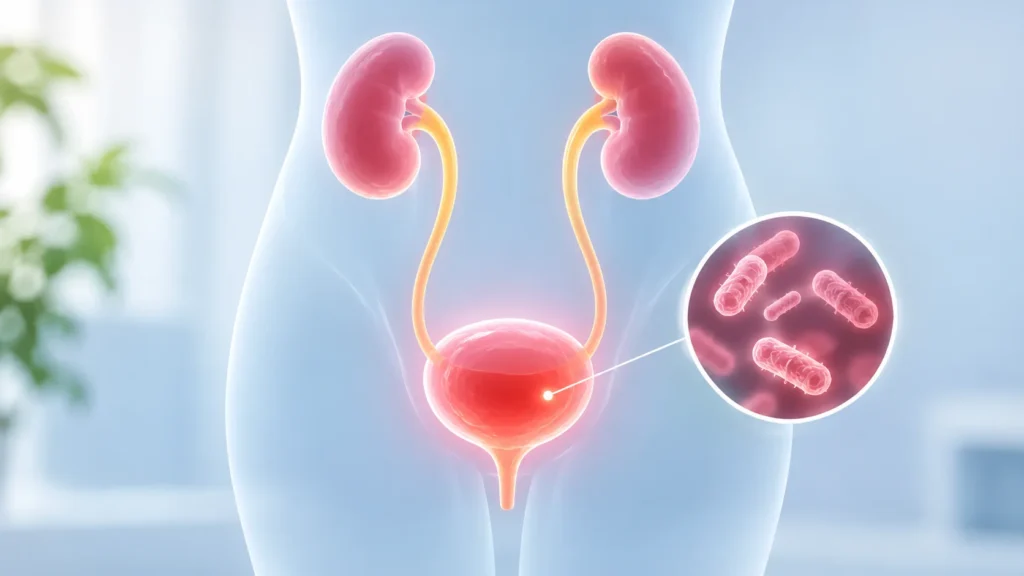
A urinary tract infection, commonly called a UTI, is an infection that affects any part of the urinary system. This system includes the kidneys, ureters, bladder, and urethra. Most UTIs begin in the bladder or urethra, but in some cases the infection can travel upward and affect the kidneys, which can become more serious.
UTIs are very common, especially in women, but men, children, and elderly people can also develop them. The condition often causes burning while passing urine, frequent urge to urinate, lower abdominal discomfort, cloudy or foul-smelling urine, and sometimes fever. While many UTIs are mild and respond well to treatment, some can become serious if the infection reaches the kidneys or bloodstream.
What is a Urinary Tract Infection?
A urinary tract infection happens when bacteria or other germs enter the urinary system and cause infection. The urinary tract normally removes waste and extra water from the body through urine. When germs enter this system, they can multiply and cause inflammation, pain, and other symptoms.
The most common type of UTI affects the bladder and is called cystitis. If the infection reaches the kidneys, it is called pyelonephritis, which is more serious and may require urgent treatment. UTIs can affect anyone, but they are more common in women because the urethra is shorter and closer to the anal area, making it easier for bacteria to enter.
Most UTIs are caused by bacteria, especially E. coli, which normally lives in the intestines. When these bacteria reach the urinary tract, they can attach to the bladder wall and cause infection. In some cases, fungi or viruses may also cause urinary infections, especially in people with weak immunity or long-term catheter use.
Types of Urinary Tract Infection
UTIs can be classified based on the part of the urinary system affected and the severity of the infection.
Based on location
- Urethritis, which affects the urethra, the tube that carries urine out of the body.
- Cystitis, which affects the bladder and is the most common type of UTI.
- Ureteritis, which affects the tubes that carry urine from kidneys to bladder.
- Pyelonephritis, which affects the kidneys and is more serious.
Based on severity
- Simple or uncomplicated UTI, which affects the bladder or urethra in otherwise healthy people.
- Complicated UTI, which occurs in people with diabetes, kidney problems, pregnancy, catheter use, or weak immunity.
- Recurrent UTI, which means two or more infections within six months or three or more within a year.
Based on cause
- Bacterial UTI, which is the most common type.
- Viral UTI, which is less common but can occur in certain situations.
- Fungal UTI, which may occur in people with weak immunity or long-term catheter use.
Causes of Urinary Tract Infection
UTIs are usually caused by bacteria entering the urinary tract. Understanding the cause helps in both treatment and prevention.
Common causes include:
- Bacteria from the bowel entering the urethra.
- Poor hygiene after using the toilet.
- Sexual activity, which can push bacteria into the urinary tract.
- Holding urine for long periods.
- Incomplete emptying of the bladder.
- Use of catheters for long periods.
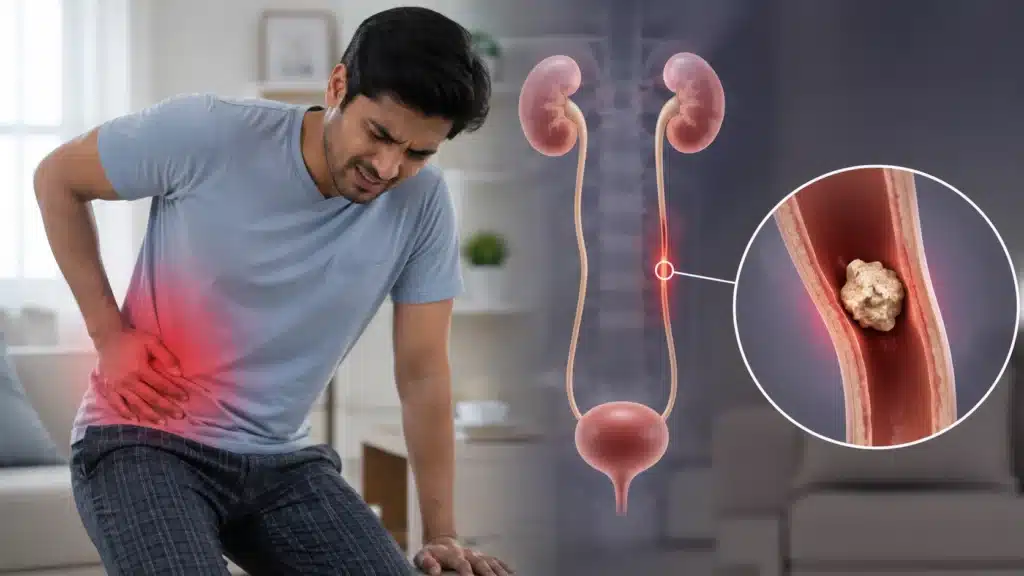
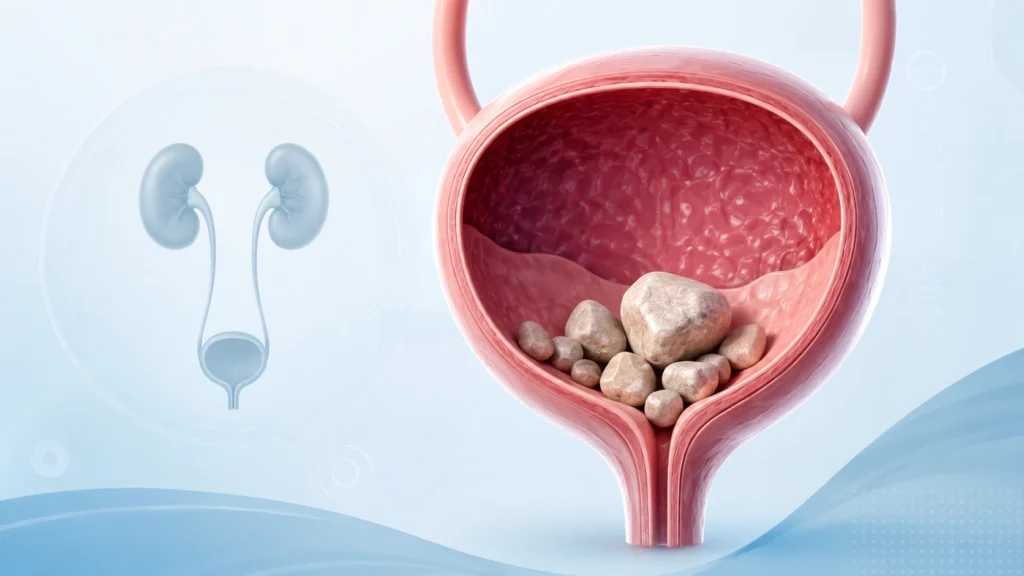
- Blockage in the urinary tract such as kidney stones.
- Diabetes or high blood sugar.
- Weak immune system.
- Hormonal changes during menopause.
- Pregnancy, which can change urinary flow.
Common bacteria involved
- Escherichia coli, which is the most common cause.
- Klebsiella.
- Proteus.
- Staphylococcus saprophyticus.
- Enterococcus.
Risk Factors for UTI
Some people are more likely to develop UTIs than others.
Higher-risk groups
- Women, especially sexually active women.
- Pregnant women.
- Elderly people.
- People with diabetes.
- People with kidney stones.
- People with urinary catheters.
- People with weak immunity.
- People with a history of recurrent UTIs.
- Men with prostate problems.
- People with poor hydration habits.
Why risk increases in these groups
- Women have a shorter urethra, making it easier for bacteria to enter.
- Pregnancy changes urinary flow and hormone levels.
- Diabetes can increase sugar in urine, which supports bacterial growth.
- Catheters can introduce bacteria directly into the bladder.
- Kidney stones can block urine flow and trap bacteria.
- Weak immunity makes it harder to fight infection.
Symptoms of UTI
Symptoms depend on which part of the urinary system is affected.
Common symptoms of lower UTI (bladder or urethra)
- Burning or pain while passing urine.
- Frequent urge to urinate.
- Passing small amounts of urine often.
- Cloudy or strong-smelling urine.
- Blood in urine in some cases.
- Lower abdominal discomfort or pressure.
- Feeling of incomplete emptying.
- Mild fever in some cases.
Symptoms of upper UTI (kidney infection)
- High fever.
- Chills or shivering.
- Pain in the back or side, usually on one side.
- Nausea and vomiting.
- Fatigue.
- Confusion in elderly people.
- Severe discomfort in the flank area.
- Feeling very unwell.
Symptoms in children
- Fever without clear cause.
- Irritability.
- Poor feeding.
- Vomiting.
- Strong-smelling urine.
- Bedwetting after being dry.
- Pain while passing urine.
Symptoms in elderly people
- Confusion or sudden change in mental state.
- Fatigue.
- Loss of appetite.
- Falls.
- Fever may be mild or absent.
- Urinary symptoms may be less obvious.
How is UTI Diagnosed?
Diagnosis is based on symptoms, physical examination, and urine tests. In some cases, imaging or further tests may be needed.
Diagnostic steps
- Detailed history of symptoms.
- Medical history including diabetes, kidney stones, or catheter use.
- Physical examination.
- Urine test to check for infection.
- Urine culture to identify the bacteria and choose the right antibiotic.
- Blood tests if fever or kidney infection is suspected.
- Imaging tests if stones, blockage, or recurrent infections are suspected.
Common tests that may be done
- Urine routine examination.
- Urine culture and sensitivity.
- Complete blood count.
- Blood sugar test.
- Kidney function tests.
- Ultrasound of kidneys and bladder.
- CT scan or other imaging in selected cases.
Why diagnosis matters
Not all urinary symptoms are caused by infection. Sometimes symptoms may be due to stones, inflammation, or other conditions. Proper testing ensures the right treatment and prevents unnecessary antibiotic use.
Treatment for UTI
Treatment depends on the type, severity, and cause of the infection.
1. Antibiotics
Antibiotics are the main treatment for bacterial UTIs.
- The choice of antibiotic depends on urine culture results.
- Simple bladder infections may need a short course.
- Kidney infections may need longer treatment or hospital care.
- It is important to complete the full course even if symptoms improve early.
2. Fluids
Drinking plenty of water helps flush bacteria out of the urinary system.
- Aim for regular water intake unless advised otherwise.
- Avoid holding urine for long periods.
- Frequent urination helps clear infection.
3. Pain relief
Medicines may be given to reduce burning or discomfort.
- Urinary analgesics may help with burning.
- Fever medicines may be used if fever is present.
- Pain relief should be taken as advised by a doctor.
4. Hospital care if needed
Some patients need admission, especially if the infection is severe.
- IV antibiotics may be required.
- IV fluids may be given if the patient is dehydrated.
- Monitoring for kidney function and sepsis.
- Treatment of underlying causes such as stones or blockage.
5. Treatment of recurrent UTI
For people who get UTIs often, additional steps may be needed.
- Identifying underlying causes such as stones or incomplete emptying.
- Preventive antibiotics in selected cases.
- Lifestyle and hygiene advice.
- Evaluation of urinary tract anatomy.
Home Care for Mild UTI
Many mild UTIs can be managed at home with proper care.
Helpful home care steps
- Drink plenty of water.
- Avoid holding urine.
- Maintain good hygiene.
- Avoid irritants such as harsh soaps or sprays in the genital area.
- Wear loose, breathable clothing.
- Take prescribed medicines exactly as directed.
- Rest if fever or weakness is present.
Things to avoid during infection
- Alcohol.
- Caffeine in excess.
- Spicy or very acidic foods if they worsen symptoms.
- Holding urine.
- Using harsh feminine products.
Prevention of UTI
Prevention is possible in many cases through hygiene, hydration, and lifestyle habits.
Prevention pointers
- Drink enough water daily.
- Urinate when needed and do not hold urine.
- Wipe from front to back after using the toilet.
- Urinate after sexual activity.
- Avoid harsh soaps or douches in the genital area.
- Wear cotton underwear and loose clothing.
- Maintain good blood sugar control if diabetic.
- Avoid unnecessary catheter use.
- Seek treatment for kidney stones or urinary blockage.
For women
- Avoid using irritating feminine products.
- Maintain hygiene before and after sexual activity.
- Consider preventive measures if recurrent UTIs occur.
For men
- Treat prostate problems if present.
- Maintain good hygiene.
- Seek evaluation for urinary symptoms.
For children
- Teach proper hygiene habits.
- Encourage regular urination.
- Avoid constipation.
- Seek medical care if fever or urinary symptoms occur.
Possible Complications
Most UTIs are treated successfully, but complications can occur if infection is severe or untreated.
Possible complications
- Kidney infection.
- Sepsis or bloodstream infection.
- Permanent kidney damage in severe cases.
- Recurrent infections.
- Pregnancy complications.
- Hospitalization in severe cases.
Why complications happen
When bacteria travel upward from the bladder to the kidneys, infection becomes more serious. If bacteria enter the bloodstream, it can cause sepsis, which is life-threatening. Early treatment reduces this risk.
When to See a Doctor
Medical evaluation is important if symptoms are persistent or severe.
See a doctor if you have:
- Burning urination lasting more than a day or two.
- Blood in urine.
- Fever or chills.
- Back or side pain.
- Nausea or vomiting.
- Frequent UTIs.
- Symptoms during pregnancy.
- Symptoms in a child or elderly person.
Seek urgent care if you have:
- High fever with chills.
- Severe back pain.
- Confusion or extreme weakness.
- Vomiting and inability to keep fluids down.
- Signs of sepsis such as rapid heartbeat or low blood pressure.
Why Choose Rama Hospital for UTI Treatment?
UTI is common, but proper diagnosis and treatment are important to prevent complications and recurrence. A hospital with experienced urologists, internal medicine specialists, and diagnostic facilities can provide complete care.
Why hospital care matters
- Accurate diagnosis with urine tests and imaging if needed.
- Appropriate antibiotic selection based on culture.
- Treatment of underlying causes such as stones or blockage.
- Management of recurrent or complicated UTIs.
- Emergency care for severe infections.
- Patient education on prevention and hygiene.
Trust and authority points
- Experienced urology and internal medicine team.
- Modern laboratory and imaging facilities.
- Comprehensive care for simple and complicated UTIs.
- Follow-up care to prevent recurrence.
- Patient education focused on long-term urinary health.
Frequently Asked Questions (FAQs)
1. What is a urinary tract infection?
A urinary tract infection is an infection in any part of the urinary system, including the bladder, urethra, or kidneys. It is usually caused by bacteria and leads to symptoms like burning urination and frequent urge to pass urine.
2. Is UTI serious?
Most UTIs are mild and treatable, but if the infection reaches the kidneys or bloodstream, it can become serious. Early treatment reduces the risk of complications.
3. Can UTI go away without antibiotics?
Some very mild infections may improve with fluids and rest, but most UTIs need antibiotics to clear the bacteria. It is important to see a doctor for proper diagnosis and treatment.
4. Why do women get UTIs more often?
Women get UTIs more often because their urethra is shorter and closer to the anal area, making it easier for bacteria to enter. Hormonal changes and pregnancy also increase risk.
5. Can UTI cause fever?
Yes, fever can occur, especially if the infection has reached the kidneys. High fever with chills or back pain needs urgent medical attention.
6. How can I prevent UTIs?
Drink plenty of water, maintain good hygiene, urinate regularly, and avoid holding urine. For women, wiping front to back and urinating after sex can help reduce risk.
7. Can UTI come back after treatment?
Yes, some people get recurrent UTIs. This may be due to underlying causes like stones, incomplete bladder emptying, or poor hygiene. Further evaluation may be needed.
8. Is blood in urine always a sign of UTI?
No, blood in urine can have many causes including stones, injury, or other conditions. It should always be evaluated by a doctor to find the exact cause.
Conclusion
Urinary tract infection is a common condition that can affect anyone, but it is especially common in women. Most cases are mild and respond well to antibiotics and fluids, but some can become serious if the infection spreads to the kidneys or bloodstream. Early recognition, proper diagnosis, and timely treatment are key to preventing complications.
The most important steps are staying hydrated, maintaining good hygiene, completing prescribed treatment, and seeking medical care when symptoms are severe or recurrent. For patients with frequent infections, underlying causes should be evaluated and treated to prevent recurrence.
Rama Hospital can help diagnose and treat urinary tract infections, provide guidance on prevention, and manage complicated or recurrent cases with expert care.