If your doctor has told you that you have a stone in your ureter, or if you have been experiencing a sharp, wave-like pain radiating from your back down toward your groin, you are probably looking for clear answers. What is happening inside your body? How serious is this? What do you do next?
A stone in the ureter is one of the most common reasons people end up in emergency rooms with severe pain. And yet, despite how frightening it can feel in the moment, the majority of ureter stones are very treatable. Many pass on their own. Those that do not can be removed safely with modern procedures.
What are ureter stones?
To understand ureter stones, you first need a quick picture of how your urinary system works.
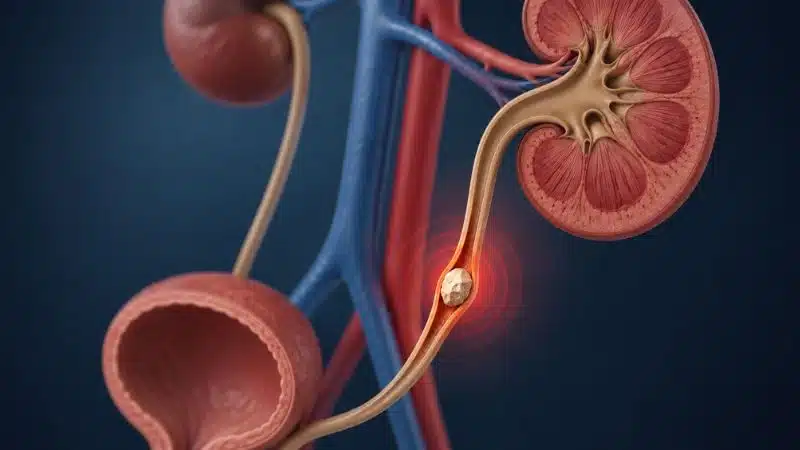
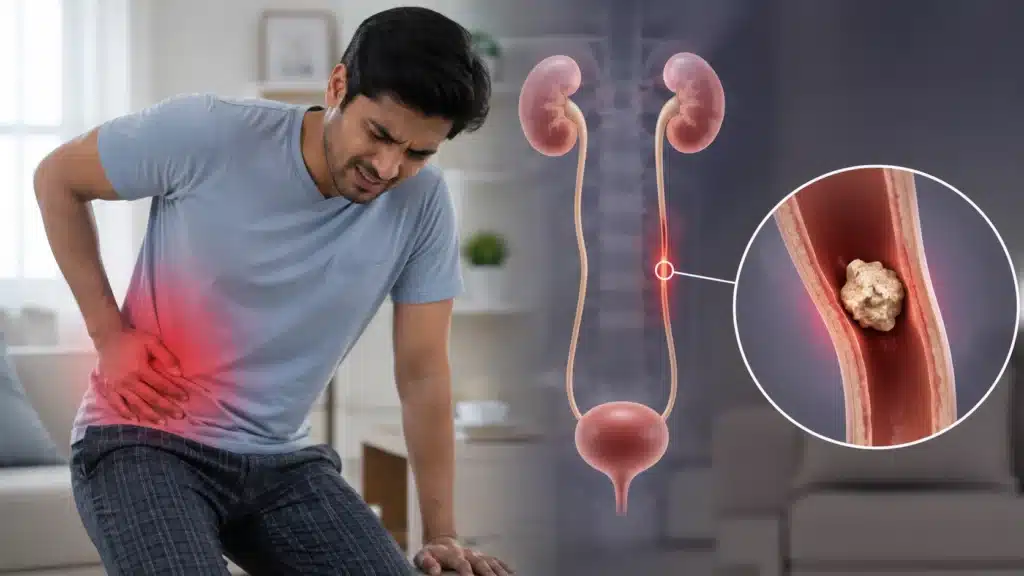
Your kidneys sit on either side of your spine, just below your ribcage. They filter waste and excess minerals from your blood and produce urine. Urine does not go directly to your bladder; it travels through two narrow tubes called ureters, one from each kidney, before reaching the bladder and eventually leaving the body.
Each ureter is roughly 25 to 30 centimeters long and only about 3 to 4 millimeters wide in most places, not much wider than a thick piece of spaghetti.
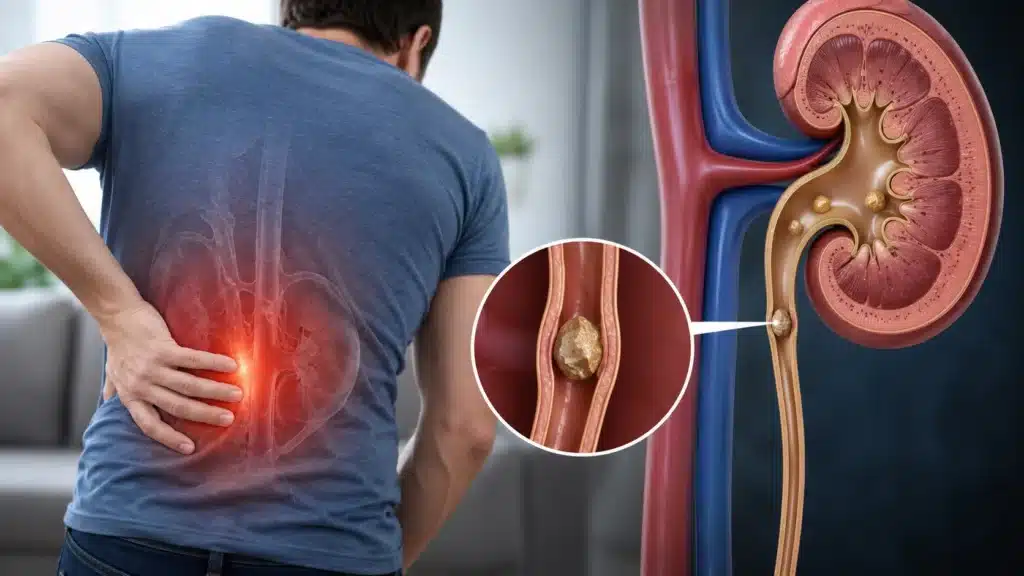
Ureter stones are, in almost every case, kidney stones that have moved. They form in the kidney when minerals in urine crystallize and harden. When a stone breaks loose from the kidney and travels into this narrow ureter tube, that is when the real trouble begins. The ureter was not designed to carry a solid object. It squeezes and contracts, trying to push the stone through, and that muscular squeezing is what produces the intense, wave-like ureter stone pain that patients describe as some of the worst discomfort of their lives.
The stone may pass through on its own if it is small enough, or it may get stuck blocking urine flow and requiring medical intervention.
What are the types of ureter stones?
Not all ureter stones are the same. The type of stone depends on the minerals and substances forming inside the urine. Knowing the stone type helps doctors decide the right treatment and prevention plan.
- Calcium Oxalate Stones: These are the most common type of ureter stones. They form when calcium combines with oxalate found in foods like spinach, tea, nuts, and chocolate. Low water intake, excess salt, and unhealthy eating habits can increase the risk.
- Calcium Phosphate Stones: These stones form when calcium mixes with phosphate in alkaline urine. They may be linked to certain medical conditions affecting the kidneys or hormone balance.
- Uric Acid Stones: These ureter stones develop when urine becomes too acidic. They are more common in people who eat excess red meat, have gout or diabetes, or drink less water regularly.
- Struvite Stones: These stones are usually caused by urinary tract infections (UTIs). They can grow quickly and may lead to severe ureter stone pain if not treated on time.
- Cystine Stones: A rare type of ureter stone caused by a genetic condition where excess cystine leaks into the urine. These stones often develop at a younger age and may recur frequently.
What are the causes of ureter stones?
Ever wondered what causes ureter stones? In most cases, these stones develop when minerals in the urine stick together and form crystals. Over time, these crystals grow into stones and may travel from the kidney into the ureter, causing severe ureter stone pain.
The good news is that many causes of ureter stones are linked to lifestyle habits and can often be prevented.
Common Causes of Ureter Stones:
- Dehydration: Not drinking enough water is one of the biggest reasons behind ureter stones. When the body lacks fluids, urine becomes concentrated, making it easier for minerals to crystallize and form stones. People who are at higher risk:
- Sweat heavily
- Work outdoors
- Live in hot climates
- High Salt & Excess Animal Protein: A diet high in salt, red meat, and processed foods can increase calcium and uric acid levels in urine, raising the chances of ureter stones. Frequent intake of these can increase stone formation:
- Fast food
- Processed snacks
- Red meat
- Sugary drinks
- Low Calcium Intake: Many people think avoiding calcium prevents stones, but very low calcium intake may actually increase the risk of calcium oxalate stones. A balanced diet is important for preventing ureter stones.
- Certain Medical Conditions: Some health problems can increase the chances of developing ureter stones, including the following:
- Gout
- Diabetes
- Recurrent urinary infections
- Digestive disorders like Crohn’s disease
- Kidney-related disorders
- Obesity & Poor Lifestyle: Being overweight and physically inactive can change the chemical balance of urine, increasing the risk of stone formation.
- Certain Medicines & Supplements: Excess use of these medicines may contribute to ureter stones in some people.
- Vitamin C supplements
- Calcium supplements
- Certain diuretics
- Urinary Tract Abnormalities: Sometimes, structural problems in the urinary tract can slow urine flow, allowing minerals to collect and form stones more easily.
What are the risk factors of ureter stones?
Some people are naturally more likely to develop ureter stones than others. Factors like lifestyle, diet, medical conditions, and even family history can increase the risk of stone formation.
Once you develop a ureter stone, the chances of recurrence become much higher without proper prevention and lifestyle changes.
Your chances of developing ureter stones may be higher if:
- You have had kidney stones or ureter stones before.
- Someone in your family has a history of stones.
- You do not drink enough water daily.
- You live in a hot climate or sweat heavily.
- You eat excess salt, junk food, red meat, or processed foods.
- Your diet includes too many oxalate-rich foods like tea, spinach, nuts, and chocolate.
- You are overweight or physically inactive.
- You have diabetes, gout, or digestive disorders.
- You have undergone intestinal or weight-loss surgery.
- You regularly take high-dose vitamin C or calcium supplements without medical advice.
- You spend long hours sitting and have a sedentary lifestyle.
What are the symptoms & warning signs of ureter stones?
Sometimes ureter stones may not cause symptoms in the beginning. But once the stone starts moving through the ureter, the pain can become sudden and extremely intense.
In fact, many people describe ureter stone pain as one of the worst pains they have ever experienced. Even a small ureter stone can cause severe pain if it gets stuck in the narrow ureter.
Common ureter stone symptoms include the following:
- Severe pain in the side, lower back, or below the ribs.
- Pain spreading toward the lower abdomen, groin, or inner thigh.
- Sharp pain that comes and goes in waves.
- Burning sensation while urinating.
- Blood in urine, making urine appear pink, red, or brown.
- Frequent urge to urinate.
- Passing very small amounts of urine.
- Cloudy or foul-smelling urine.
- Nausea and vomiting due to severe pain.
- Difficulty passing urine or reduced urine flow.
Warning Signs You Should Never Ignore
Some ureter stone symptoms may indicate infection or blockage and require urgent medical attention.
Ignoring these warning signs can lead to serious kidney infections and other complications. Early diagnosis and timely treatment are extremely important. Seek immediate care if you experience:
- Fever and chills.
- Severe or unbearable ureter stone pain.
- Vomiting that does not stop.
- Complete stoppage of urine.
- Heavy blood in urine.
- Weakness, dizziness, or confusion.
Diagnosis of ureter stones
If you have symptoms like severe ureter stone pain, blood in urine, or difficulty urinating, doctors may recommend a few tests to confirm the presence of ureter stones and check for blockage or infection.
Early diagnosis helps prevent kidney damage and allows faster treatment.
Common Tests Used to Diagnose Ureter Stones:
- CT Scan (Non-Contrast CT): This is one of the most accurate tests for detecting ureter stones. It can identify even very small stones and shows the following:
- The exact location of the stone
- Stone size
- Whether urine flow is blocked
- Ultrasound: Ultrasound is a quick, painless, and radiation-free test commonly used to detect swelling in the kidney caused by blocked ureter stones. It is often the first test advised in emergency situations.
- X-ray (KUB): A simple X-ray may help detect certain calcium-containing ureter stones and track their position over time.
- Urine Tests: These tests are important in understanding the cause of recurring ureter stones. Urine tests help identify:
- Blood in urine
- Infection
- Crystal formation
- Changes in urine acidity
- Blood Tests: Blood tests check:
- Kidney function
- Uric acid levels
- Calcium levels
- Signs of infection or metabolic problems
- Stone Analysis: If the stone passes naturally, doctors may advise testing the stone composition. This helps identify the exact type of ureter stone and guides future prevention.
What are the complications of ureter stones?
A stone in the ureter that is ignored or left untreated can lead to complications that go far beyond pain. Here is what can happen:
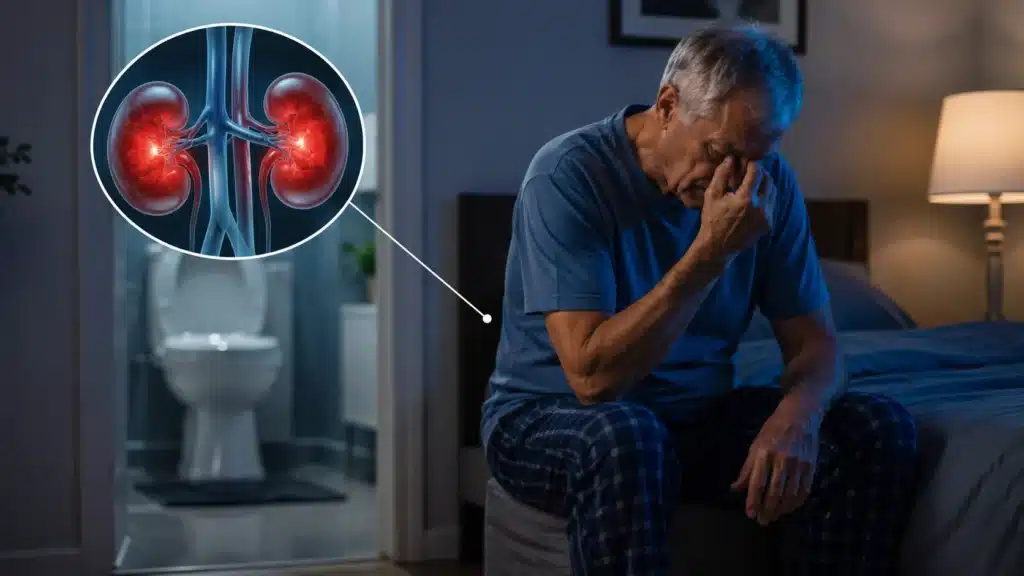
- Hydronephrosis: When a stone blocks the ureter, urine cannot drain from the kidney above it. The kidney swells with backed-up urine, a condition called hydronephrosis. If the pressure is not relieved, it causes progressive damage to the kidney tissue. A kidney that is obstructed for long enough can lose its function permanently.
- Urinary Tract Infection (UTI): Stagnant urine behind a blocked stone is a perfect breeding ground for bacteria. Infections that develop in the presence of an obstruction are more severe and harder to treat than ordinary UTIs.
- Urosepsis: This is the most dangerous complication of a stone in the ureter combined with infection. When bacteria from an infected, obstructed kidney enter the bloodstream, sepsis can develop rapidly. This is a life-threatening emergency requiring immediate hospitalization, intravenous antibiotics, and urgent drainage of the blocked kidney. Any patient with ureter stone symptoms and fever must be seen without delay.
- Ureteral Stricture: If a stone stays lodged in the ureter for a prolonged period, it can cause scarring and permanent narrowing of the ureter wall, called a stricture. This narrowing can interfere with urine flow long after the stone is removed.
- Chronic Kidney Disease: Repeated episodes of obstruction and infection, without proper treatment and prevention, can gradually damage kidney function over time. This is why I take recurrent stone disease seriously and always look beyond the individual stone to understand and address the underlying cause.
What are the prevention of ureter stones?
Once you experience severe ureter stone pain, one thing becomes clear: you never want to go through it again. The good news is that many cases of ureter stones can be prevented with the right lifestyle habits and proper care.
Your kidneys work best when your body stays hydrated, active, and balanced. Even small daily changes can significantly reduce the chances of future stone formation.
- Drink more water: Your target is to produce at least 2 to 2.5 liters of urine per day. A practical way to know you are drinking enough: your urine should be pale yellow, not dark. If it looks like apple juice, you are not drinking enough. In hot weather or when you exercise, increase your intake significantly.
- Reduce your salt intake: Excess sodium in your diet drives calcium into your urine. Cut down on processed foods, packaged snacks, and adding extra salt to meals. This single change can meaningfully reduce your risk of calcium stones.
- Moderate your animal protein intake: Red meat, organ meats, and shellfish raise uric acid levels in the blood and urine. You do not need to eliminate them, but reducing their frequency, particularly if you have had uric acid or calcium oxalate stones, makes a real difference.
- Do not cut out dietary calcium: This is a common mistake. Restricting dairy and calcium-rich foods does not protect you from calcium stones; it often makes things worse by increasing oxalate absorption. Get adequate calcium through your diet, ideally with meals.
- Limit high-oxalate foods if relevant: If you have had calcium oxalate stones, reducing spinach, beets, nuts, chocolate, and strong tea in large quantities is sensible, especially if your urine oxalate levels were high on testing.
- Exercise and maintain a healthy weight: Obesity changes the acid balance of urine and increases stone risk. Regular physical activity helps on multiple levels.
- Be careful with supplements: High-dose vitamin C, calcium supplements taken without food, and certain herbal preparations can raise stone-forming substances in urine. Always check with me before starting any supplement.
- Follow your medication plan: If you have been prescribed potassium citrate, thiazide diuretics, or allopurinol based on your stone type and urine analysis, taking them consistently is one of the most effective things you can do.
Why choose Rama Hospital for ureter stone treatment?
When you are dealing with severe ureter stone pain, timely diagnosis and expert treatment become extremely important. At Rama Hospital, patients receive advanced care for ureter stones with a focus on accurate diagnosis, minimally invasive treatment, and long-term prevention.
You deserve care that treats not just the stone but your overall kidney health. At Rama Hospital, you benefit from:
- Experienced specialists in ureter stones and urinary tract disorders.
- Advanced diagnostic facilities including CT scan, ultrasound, and stone analysis.
- Minimally invasive procedures like URS, laser treatment, ESWL, and PCNL.
- Personalized treatment plans based on stone size, type, and symptoms.
- Expert management of recurrent stones and related kidney problems.
- Faster recovery with advanced laparoscopic and endoscopic techniques.
- Dedicated follow-up care and prevention guidance.
- Compassionate, patient-focused care at every stage of treatment.
What are the treatment options for ureter stones?
The treatment for ureter stones depends on the stone’s size, location, severity of symptoms, and whether urine flow is blocked. While some small stones may pass naturally, larger stones often need advanced medical treatment.
The main goal of treatment is simple: relieve ureter stone pain, remove the blockage, and protect the kidneys.
- Conservative Treatment: Letting the Stone Pass Naturally: Small ureter stones may pass on their own with proper hydration and medicines. Many small stones pass naturally within a few weeks. Doctors may advise:
- Drinking 2–3 liters of water daily.
- Pain-relief medicines for severe ureter stone pain.
- Medicines like tamsulosin to relax the ureter and help the stone pass.
- Straining urine to collect the stone for testing.
- Ureteroscopy with Laser Treatment (URS): This is one of the most common and effective treatments for ureter stones today. Most patients return home within a day and recover quickly. In this procedure:
- A thin camera is passed through the urinary passage.
- No cuts or stitches are needed.
- A laser breaks the stone into tiny pieces.
- Small fragments are removed or passed naturally through urine.
- Shock Wave Therapy (ESWL): This non-surgical treatment uses sound waves to break the stone into smaller fragments. The broken pieces later pass through urine naturally. It is commonly used for:
- Smaller stones.
- Stones in the upper ureter or kidney.
- PCNL Surgery for Large Stones: For large or complicated ureter stones, doctors may recommend PCNL surgery. This treatment is usually advised for bigger stones or severe blockages. In this procedure:
- A small cut is made near the back.
- Special instruments remove the stone directly from the kidney or ureter.
- Ureteral Stent Placement: Sometimes, the immediate goal is to relieve urine blockage and reduce pressure on the kidney. The stone is treated once the condition becomes stable. A soft tube called a “stent” may be placed inside the ureter to:
- Keep urine flowing properly.
- Reduce pain and swelling.
- Prevent kidney damage.
What About a 9 mm Ureter Stone?
A 9 mm stone in the ureter usually does not pass naturally and often requires treatment. In most cases:
- Laser treatment (URS) is highly effective.
- Delaying treatment may increase pain and complications.
When should you see a doctor for ureter stone treatment?
See your doctor if you experience:
- Any episode of flank or back pain that comes in waves and is not explained by a muscle strain.
- Blood in your urine, even if just once and even if the pain has settled.
- Burning or pain when urinating that does not resolve quickly.
- Nausea combined with back or side pain.
- A scan or report showing a stone in your ureter that you have not yet discussed with a specialist.
Frequently Asked Questions (FAQs)
Q1. How long does it take for a ureter stone to pass on its own?
It depends on size and location. Stones under 4 mm in the lower ureter often pass within 1 to 2 weeks. Stones between 4 and 6 mm may take 4 to 6 weeks. Stones above 6 to 7 mm rarely pass on their own and typically need a procedure. A 9 mm stone in the ureter will almost certainly require treatment.
Q2. How to treat a stone in the ureter at home while waiting for a procedure?
How to treat a stone in the ureter while waiting involves drinking 2 to 3 liters of water daily; taking your prescribed pain relief regularly rather than only when pain becomes unbearable; taking tamsulosin if prescribed; avoiding very strenuous activity; straining your urine to catch the stone; and watching carefully for fever, reduced urine output, or worsening pain, any of which should prompt an immediate visit to the hospital.
Q3. Is ureteral stone surgery risky?
Ureteroscopy, the most common form of ureter stone surgery today, is a minimally invasive, very safe procedure. There are no external cuts. Serious complications are rare. The vast majority of patients go through it without any issues and go home the same day.
Q4. Can ureter stones cause permanent kidney damage?
They can, if left untreated. A stone that completely blocks urine from draining out of the kidney causes the kidney to swell under pressure. If the obstruction is not relieved within a reasonable time, typically within a few weeks to months, permanent damage can occur. This is why prompt evaluation and treatment matter.
Q5. Will I need to change my diet after treatment?
Yes, almost certainly. The right dietary changes depend on what type of stone you had. Most patients will be advised to drink significantly more water, reduce salt, and moderate animal protein. Specific additional changes such as reducing oxalate or adjusting calcium intake depend on your stone analysis and urine test results.
Q6. Why do I feel pain even after the stone has passed?
After the stone passes, the ureter may remain irritated, swollen, or in mild spasm for a few days. Some patients also have a ureteral stent in place temporarily, which commonly causes bladder discomfort and frequency. This usually settles within a week. If pain continues or worsens after the stone has passed, contact your doctor.
Q7. Can I prevent ureter stones completely?
Complete prevention cannot be guaranteed, but the recurrence rate can be dramatically reduced with the right approach. Staying well hydrated, following a stone-appropriate diet, attending regular follow-up appointments, and taking any prescribed prevention medications consistently give you a very strong defense against another episode.