Rotator cuff injury are among the most common causes of shoulder pain and weakness, especially in people who use their arms repeatedly for work, sports, lifting, or overhead activities. Many people first notice the problem when they struggle to lift the arm, sleep on the affected shoulder, reach behind the back, or perform simple tasks such as combing hair or wearing a shirt. Because the pain may start gradually, many patients ignore it for months, assuming it is a muscle strain, frozen shoulder, or general tiredness.
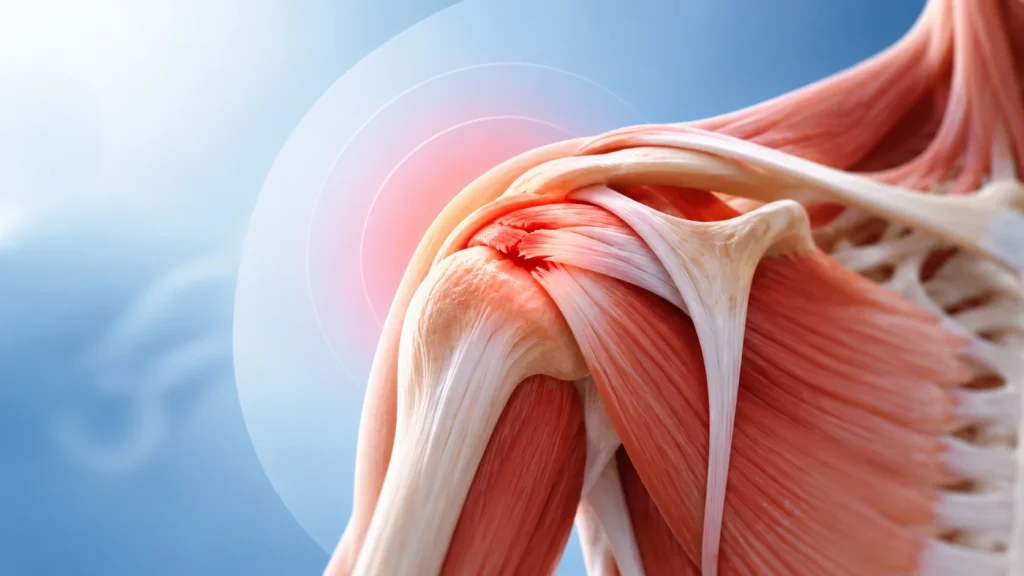
The rotator cuff is a group of muscles and tendons that surround the shoulder joint and help keep the upper arm bone stable in its socket. These muscles allow the shoulder to rotate, lift, and move in many directions. When these tendons become irritated, inflamed, partially torn, or completely torn, the shoulder may become painful, weak, and restricted in movement. In some cases, the injury heals with rest, medicines, and physiotherapy. In others, especially with a major tear, surgery may be needed.
What is the Rotator Cuff?
The rotator cuff is a group of four muscles and their tendons that surround the shoulder joint. These muscles work together to stabilize the shoulder and allow smooth movement of the arm.
The four rotator cuff muscles
- Supraspinatus, which helps lift the arm upward.
- Infraspinatus, which helps rotate the arm outward.
- Teres minor, which also helps with outward rotation.
- Subscapularis, which helps rotate the arm inward and stabilize the shoulder.
Why the rotator cuff is important
- It keeps the ball of the shoulder joint centered in its socket.
- It allows smooth rotation and lifting of the arm.
- It supports overhead movements.
- It helps protect the shoulder during daily activities.
- It works with other muscles to give the shoulder strength and control.
What is a Rotator Cuff Injury?
A rotator cuff injury happens when one or more of these muscles or tendons becomes irritated, inflamed, strained, or torn. The injury can range from mild inflammation to a complete tear.
Common types of rotator cuff injury
- Rotator cuff tendinitis, which is inflammation or irritation of the tendons.
- Rotator cuff strain, which is a stretch or minor tear of the muscle or tendon.
- Partial tear, where the tendon is damaged but not completely separated.
- Complete tear, where the tendon is fully torn from the bone.
- Chronic degenerative tear, which develops slowly over time due to wear and tear.
- Acute tear, which happens suddenly due to injury, fall, or heavy lifting.
Why the injury matters
The shoulder is one of the most mobile joints in the body. Because of this mobility, it depends heavily on the rotator cuff for stability. When the rotator cuff is injured, even simple movements can become painful and difficult.
Causes of Rotator Cuff Injury
Rotator cuff injury can happen due to sudden trauma or develop slowly over time due to repeated stress.
Common causes include:
- Repetitive overhead movements.
- Heavy lifting.
- Sudden fall on an outstretched arm.
- Direct injury to the shoulder.
- Sports involving throwing, swimming, or racket use.
- Age-related wear and tear of tendons.
- Poor posture over time.
- Muscle imbalance around the shoulder.
- Bone spurs that rub against the tendon.
- Reduced blood supply to the tendon with aging.
Activities that increase risk
- Painting ceilings or walls.
- Lifting heavy objects overhead.
- Playing cricket, tennis, badminton, or volleyball.
- Swimming, especially freestyle or butterfly strokes.
- Jobs involving repeated reaching or lifting.
- Gym exercises with poor technique.
- Sudden increase in activity after a long period of rest.
Risk Factors for Rotator Cuff Injury
Some people are more likely to develop rotator cuff problems than others.
Higher-risk groups
- People over the age of forty.
- Athletes involved in overhead sports.
- Manual workers who lift or reach frequently.
- People with poor posture.
- Those with previous shoulder injury.
- People with muscle weakness or imbalance.
- Individuals with bone spurs or shoulder joint problems.
- People with diabetes or other conditions affecting tendon healing.
- Smokers, as healing may be slower.
Why risk increases in these groups
- Tendons lose strength and flexibility with age.
- Repetitive motion causes gradual wear.
- Poor posture changes shoulder mechanics.
- Previous injury weakens the tendon.
- Poor technique during exercise increases strain.
- Chronic conditions can slow healing.
Symptoms of Rotator Cuff Injury
Symptoms depend on the type and severity of the injury.
Common symptoms
- Shoulder pain, especially with movement.
- Pain when lifting the arm.
- Pain when reaching overhead or behind the back.
- Weakness in the shoulder or arm.
- Difficulty sleeping on the affected side.
- Pain at night.
- Clicking or catching sensation in the shoulder.
- Reduced range of motion.
- Pain when combing hair or dressing.
- Pain when lifting objects.
Symptoms of a partial tear
- Pain with specific movements.
- Mild to moderate weakness.
- Pain that comes and goes.
- Difficulty with overhead activity.
- Discomfort at night.
Symptoms of a complete tear
- Sudden severe pain after injury.
- Marked weakness.
- Inability to lift the arm.
- Visible muscle wasting over time.
- Significant loss of function.
- Pain that may be severe at first and then reduce as the tear becomes chronic.
Symptoms that suggest urgent care
- Sudden severe pain after a fall.
- Inability to move the shoulder.
- Deformity of the shoulder.
- Numbness or tingling in the arm.
- Severe swelling or bruising.
- Loss of sensation.
Rotator Cuff Injury in Different Age Groups
Rotator cuff problems can affect people of different ages in different ways.
In younger adults
- Often related to sports, trauma, or overuse.
- More likely to involve acute strain or tear.
- Recovery may be faster with proper treatment.
In middle-aged adults
- Often related to work, repetitive activity, or early degeneration.
- May involve tendinitis or partial tear.
- Physiotherapy plays a major role in recovery.
In older adults
- More likely to involve degenerative tears.
- Symptoms may develop slowly over time.
- Surgery may be considered if function is significantly affected.
How is Rotator Cuff Injury Diagnosed?
Diagnosis is based on symptoms, physical examination, and imaging tests. Since shoulder pain can have many causes, accurate diagnosis is important.
Diagnostic steps
- Detailed history of pain and injury.
- Assessment of movement and strength.
- Physical examination of the shoulder.
- Checking for tenderness, weakness, and range of motion.
- Review of work, sports, and activity history.
Common tests that may be done
- X-ray to check bones and rule out arthritis or bone spurs.
- Ultrasound to view tendons and detect tears.
- MRI to get detailed images of soft tissue and confirm tear size.
- MR arthrography in selected cases for more detail.
- Clinical tests during examination to assess specific rotator cuff muscles.
Why diagnosis matters
Treatment depends on whether the injury is inflammation, partial tear, or complete tear. Accurate diagnosis helps decide between physiotherapy, medicines, injections, or surgery.
Treatment for Rotator Cuff Injury
Treatment depends on the severity of the injury, the patient’s age, activity level, and overall health.
1. Rest and activity modification
The first step is often to reduce activities that aggravate the pain.
- Avoid heavy lifting temporarily.
- Avoid overhead movements that cause pain.
- Modify work or sports activity.
- Do not completely immobilize the shoulder for long periods, as this can cause stiffness.
2. Medicines
Medicines may help reduce pain and inflammation.
- Anti-inflammatory medicines may be prescribed.
- Pain relievers may be used for short-term relief.
- Medicines should be taken under medical advice, especially in patients with stomach, kidney, or heart issues.
3. Physiotherapy
Physiotherapy is one of the most important treatments for rotator cuff injury.
- Strengthening exercises for shoulder muscles.
- Stretching to improve flexibility.
- Posture correction.
- Scapular stabilization exercises.
- Gradual return to activity.
- Manual therapy in selected cases.
4. Injections
In some cases, injections may be used to reduce pain and inflammation.
- Corticosteroid injection near the tendon may help in selected patients.
- Injection is usually considered when pain is severe or physiotherapy is difficult.
- Repeated injections are generally avoided.
5. Surgery
Surgery may be needed for large tears, complete tears, or cases that do not improve with conservative treatment.
- Arthroscopic repair, which is a minimally invasive procedure using small incisions.
- Open repair in selected complex cases.
- Tendon transfer in severe cases where the tendon cannot be repaired directly.
- Joint replacement in rare cases with severe arthritis and rotator cuff damage.
6. Rehabilitation after surgery
Rehabilitation is a key part of recovery after surgery.
- Early protected movement.
- Gradual strengthening.
- Progressive return to activity.
- Long-term follow-up to ensure healing.
Recovery After Treatment
Recovery depends on the type of injury and treatment.
Recovery after conservative treatment
- Many mild cases improve within weeks to a few months.
- Regular physiotherapy speeds recovery.
- Gradual return to normal activity is advised.
- Avoiding re-injury is important.
Recovery after surgery
- Initial period of protected movement.
- Gradual increase in range of motion.
- Strengthening begins after initial healing.
- Full recovery may take several months.
- Follow-up imaging may be done in some cases.
Rehabilitation support
- Physical therapy for strength and mobility.
- Occupational therapy for daily activities.
- Gradual return to sports or work.
- Patient education on posture and technique.
Possible Complications
If not treated properly, rotator cuff injury can lead to long-term problems.
Possible complications
- Chronic shoulder pain.
- Persistent weakness.
- Reduced range of motion.
- Frozen shoulder in some cases.
- Muscle wasting.
- Arthritis in the shoulder joint over time.
- Failure of conservative treatment.
- Need for surgery if tear progresses.
Why complications happen
When a tear is ignored, the tendon may retract further, making later repair more difficult. Chronic inflammation can also lead to stiffness and loss of function.
When to See a Doctor
Medical evaluation is important if shoulder pain or weakness persists.
- Shoulder pain lasting more than a few weeks.
- Weakness in lifting the arm.
- Pain that disturbs sleep.
- Difficulty with daily activities.
- Pain after a fall or injury.
- Clicking or catching sensation.
- Reduced range of motion.
- Symptoms not improving with rest.
Prevention of Rotator Cuff Injury
Prevention is possible in many cases through proper technique, conditioning, and posture.
Prevention pointers
- Warm up before sports or exercise.
- Use proper technique during lifting or throwing.
- Strengthen shoulder and upper back muscles.
- Maintain good posture.
- Avoid sudden increase in activity.
- Take breaks during repetitive work.
- Use correct ergonomics at work.
- Avoid lifting heavy objects overhead without support.
- Listen to early warning signs of pain.
For athletes
- Follow a structured training program.
- Include rotator cuff strengthening exercises.
- Avoid overtraining.
- Use proper warm-up and cool-down routines.
For workers
- Use proper lifting techniques.
- Take regular breaks.
- Adjust workstation height.
- Avoid repetitive overhead tasks without conditioning.
Why Choose Rama Hospital for Rotator Cuff Injury Treatment?
Rotator cuff injury require accurate diagnosis and a structured treatment plan. A hospital with experienced orthopaedic surgeons, physiotherapists, and rehabilitation specialists can make a major difference in outcomes.
- Expert evaluation by orthopaedic and sports medicine specialists.
- Advanced imaging for accurate diagnosis.
- Conservative and surgical treatment options.
- Structured physiotherapy and rehabilitation.
- Follow-up care to ensure full recovery.
- Support for athletes, workers, and elderly patients.
Frequently Asked Questions (FAQs)
Can rotator cuff injury heal on their own?
Mild strains or inflammation often improve with rest, medicines, and physiotherapy. Complete tears usually do not heal fully on their own and may need surgery depending on severity and function.
How long does recovery take?
Recovery depends on the type of injury and treatment. Mild cases may improve in weeks, while surgical repair may take several months for full recovery. Physiotherapy plays a key role throughout.
Can physiotherapy alone treat a rotator cuff tear?
Yes, in many partial tears or mild injuries, physiotherapy can significantly improve pain and function. However, large or complete tears may need surgical repair if conservative treatment fails.
Is surgery always needed for rotator cuff injury?
No, surgery is not always needed. Many patients improve with rest, medicines, and physiotherapy. Surgery is considered for large tears, complete tears, or when conservative treatment does not help.
What are the signs of a rotator cuff tear?
Common signs include shoulder pain, weakness, difficulty lifting the arm, pain at night, and reduced range of motion. A sudden severe pain after injury may suggest a complete tear.
Can rotator cuff injury be prevented?
Yes, in many cases. Proper warm-up, strengthening exercises, good posture, and correct lifting technique can reduce risk. Avoiding sudden overuse also helps.
When should I see a doctor for shoulder pain?
If pain lasts more than a few weeks, disturbs sleep, or causes weakness, medical evaluation is advised. Sudden severe pain or inability to move the shoulder needs urgent care.
Conclusion
Rotator cuff injury are common causes of shoulder pain and weakness, especially in people who use their arms repeatedly or perform overhead activities. They can range from mild inflammation to complete tears, and the treatment depends on the severity and cause. Early diagnosis and proper management can prevent long-term damage and restore function.
The most important steps are accurate diagnosis, appropriate treatment, structured physiotherapy, and prevention of re-injury. For patients with persistent shoulder pain, weakness, or difficulty with daily activities, a medical evaluation can make a major difference. With the right care, most people recover well and return to normal activity.
Rama Hospital can help evaluate rotator cuff injury, identify the exact problem, and provide a clear treatment plan that supports recovery and long-term shoulder health.