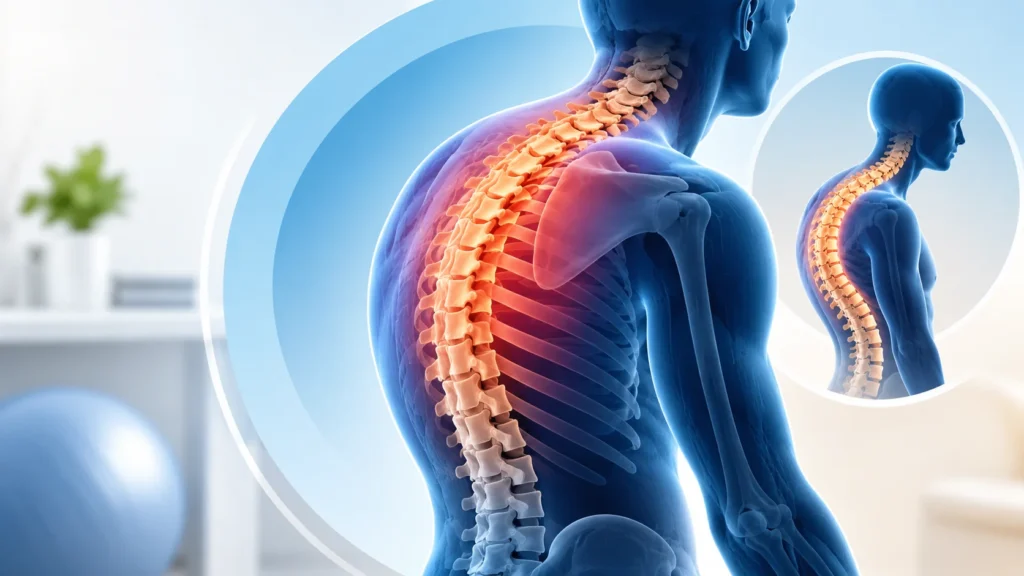
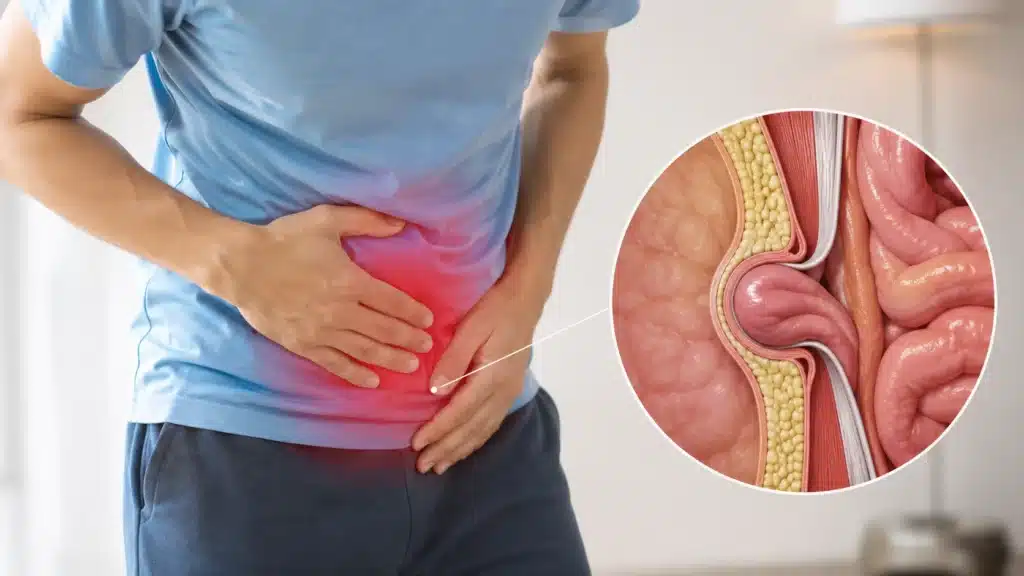
Kyphosis is a condition that affects the natural curve of the spine. In a healthy spine, there are gentle curves that help support posture, balance, and movement. When the upper back curve becomes excessive, the back may appear rounded or hunched. This is called kyphosis. Many people notice it as a forward-bending posture, a visible hump in the upper back, or difficulty standing straight.
This can affect children, teenagers, adults, and older people. In some cases, it is mild and causes no problems. In others, it can lead to back pain, stiffness, fatigue, breathing difficulty, and reduced confidence due to posture changes. The condition may be present from birth, develop during growth, or appear later in life due to aging, osteoporosis, injury, or spine disease.
What is Kyphosis?
This is an excessive forward curvature of the spine, usually in the upper back or thoracic region. A small amount of curve is normal and helps the spine absorb shock and maintain balance. But when the curve becomes too large, it can affect posture, movement, and comfort.
The spine is made up of bones called vertebrae. These bones are stacked on top of each other and supported by discs, muscles, and ligaments. When the front part of the vertebrae becomes compressed or weakened, the spine may bend forward more than usual. This creates the rounded or hunched appearance seen in kyphosis.
This can be mild, moderate, or severe. Mild kyphosis may only affect appearance. Moderate or severe kyphosis can cause pain, stiffness, and difficulty with daily activities. In advanced cases, it may affect breathing or nerve function.
Types of Kyphosis
This can be classified in different ways based on the cause, age of onset, and severity.
Based on cause
- Postural kyphosis, which is caused by poor posture and muscle weakness.
- Scheuermann’s kyphosis, which develops during adolescence due to abnormal growth of the spine.
- Congenital kyphosis, which is present from birth due to abnormal spine formation.
- Osteoporotic kyphosis, which happens in older adults due to weakened bones and compression fractures.
- Degenerative kyphosis, which develops with age due to wear and tear of the spine.
- Neuromuscular kyphosis, which occurs due to muscle or nerve conditions affecting spine support.
Based on age of onset
- Childhood kyphosis, which may be congenital or develop during growth.
- Adolescent kyphosis, which often appears during teenage years.
- Adult kyphosis, which may develop due to posture, injury, or spine disease.
- Elderly kyphosis, which is common with osteoporosis and degenerative changes.
Based on severity
- Mild kyphosis, which may cause little or no symptoms.
- Moderate kyphosis, which may cause pain, stiffness, and posture changes.
- Severe kyphosis, which can affect breathing, nerve function, and quality of life.
Causes of Kyphosis
This can happen for many reasons. Understanding the cause helps guide the right treatment.
Common causes include:
- Poor posture over a long period.
- Weak back and core muscles.
- Slouching while sitting or standing.
- Osteoporosis and weak bones.
- Compression fractures in the spine.
- Degenerative changes with aging.
- Scheuermann’s disease during adolescence.
- Congenital spine abnormalities.
- Injury or trauma to the spine.
- Infections affecting the spine.
- Tumors or growths in the spine.
- Neuromuscular conditions such as muscular dystrophy or cerebral palsy.
Why the spine bends forward
The front part of the vertebrae can become compressed or weakened. When this happens, the back part of the vertebrae grows or shifts more than the front, creating a wedge shape. This wedge shape causes the spine to curve forward, leading to this condition.
Risk Factors for Kyphosis
Some people are more likely to develop this condition than others.
Higher-risk groups
- Teenagers going through rapid growth.
- Older adults with osteoporosis.
- People with poor posture habits.
- Those with weak core and back muscles.
- Patients with spine injuries or fractures.
- People with degenerative spine disease.
- Individuals with connective tissue disorders.
- Patients with neuromuscular conditions.
- Those with a family history of spine deformity.
Why risk increases in these groups
- Rapid growth during adolescence can affect spine alignment.
- Osteoporosis weakens bones and increases fracture risk.
- Poor posture over time can change spine shape.
- Weak muscles provide less support to the spine.
- Aging causes wear and tear that affects spine structure.
Symptoms of Kyphosis
Symptoms depend on the type, severity, and cause of thios condition.
Common symptoms include:
- Rounded or hunched upper back.
- Forward head posture.
- Back pain or stiffness.
- Fatigue after standing or sitting for long periods.
- Difficulty standing straight.
- Reduced flexibility in the spine.
- Muscle tightness in the chest or shoulders.
- Difficulty breathing in severe cases.
- Nerve symptoms such as numbness or tingling in severe cases.
- Reduced confidence due to posture changes.
Symptoms that need medical attention
- Rapid worsening of posture.
- Severe or persistent back pain.
- Difficulty breathing.
- Numbness or weakness in the legs.
- Loss of bladder or bowel control.
- Sudden height loss.
- Signs of spinal cord compression.
Kyphosis in Different Age Groups
This can affect people of different ages in different ways.
In children and teenagers
- May be due to poor posture or Scheuermann’s disease.
- Often noticed during growth spurts.
- Can affect self-esteem and participation in activities.
- Early treatment can prevent worsening.
In adults
- May develop due to posture, injury, or degenerative changes.
- Often associated with back pain and stiffness.
- Can affect work, daily activities, and quality of life.
In older adults
- Common with osteoporosis and compression fractures.
- May lead to height loss and increased fall risk.
- Can affect breathing and mobility.
- Treatment focuses on pain relief, bone health, and function.
How is Kyphosis Diagnosed?
Diagnosis is based on symptoms, physical examination, and imaging tests. The doctor will assess the degree of curve, its cause, and its effect on function.
Diagnostic steps
- Detailed history of symptoms.
- Age of onset and progression.
- Family history of spine problems.
- Physical examination of posture and spine alignment.
- Assessment of flexibility, strength, and reflexes.
- Imaging tests to measure the curve and identify the cause.
Common tests that may be done
- X-ray of the spine to measure the curve.
- MRI to look at soft tissues, discs, and nerves.
- CT scan for detailed bone structure.
- Bone density test to check for osteoporosis.
- Neurological examination if nerve symptoms are present.
Why diagnosis matters
Early diagnosis helps identify the cause and guide treatment. In teenagers, early detection can prevent progression. In older adults, diagnosis helps manage osteoporosis and prevent fractures.
Treatment for Kyphosis
Treatment depends on the cause, severity, age, and symptoms. Many cases improve with non-surgical treatment, while severe cases may need surgery.
1. Observation and monitoring
For mild kyphosis with no symptoms, regular monitoring may be enough.
- Regular check-ups to track progression.
- Posture awareness and correction.
- Lifestyle advice to support spine health.
2. Physiotherapy and exercise
Physiotherapy is one of the most important treatments for kyphosis, especially postural and mild cases.
- Stretching exercises for chest and shoulder muscles.
- Strengthening exercises for back and core muscles.
- Posture training to improve alignment.
- Breathing exercises to improve chest expansion.
- Low-impact activities such as walking or swimming.
- Ergonomic advice for sitting and working.
3. Bracing
Bracing may be recommended for growing children or teenagers with moderate kyphosis.
- Helps slow or stop progression of the curve.
- Most effective when the spine is still growing.
- Needs to be worn as prescribed for best results.
- Often combined with physiotherapy.
4. Medicines
Medicines may be used to manage pain or treat underlying conditions.
- Pain relievers for back pain.
- Muscle relaxants for stiffness.
- Bone-strengthening medicines for osteoporosis.
- Vitamin D and calcium support for bone health.
5. Treatment of underlying cause
The root cause must be addressed for long-term improvement.
- Osteoporosis treatment to prevent fractures.
- Management of degenerative spine disease.
- Treatment of infections or tumors if present.
- Management of neuromuscular conditions.
6. Surgery
Surgery is considered for severe kyphosis that does not respond to other treatments or causes significant problems.
- Spinal fusion surgery to straighten and stabilize the spine.
- Used for severe deformity, nerve compression, or breathing difficulty.
- Recovery takes longer and requires rehabilitation.
- Outcomes can be very good in selected patients.
Recovery After Treatment
Recovery depends on the type of treatment and the severity of kyphosis.
Recovery after physiotherapy or bracing
- Gradual improvement in posture and flexibility.
- Reduced pain and stiffness over time.
- Regular follow-up to monitor progress.
- Long-term commitment to exercises and posture habits.
Recovery after surgery
- Hospital stay for a few days to a week.
- Gradual return to activity over weeks to months.
- Physical therapy to regain strength and mobility.
- Regular follow-up to check healing and alignment.
- Long-term care to protect the spine.
Rehabilitation support
- Physical therapy for strength and flexibility.
- Occupational therapy for daily activities.
- Pain management support.
- Psychological support for body image or confidence issues.
- Family education and support.
Possible Complications
Untreated or severe kyphosis can lead to complications over time.
Complications may include:
- Chronic back pain.
- Reduced mobility.
- Breathing difficulty in severe cases.
- Nerve compression.
- Spinal cord problems.
- Increased risk of falls in older adults.
- Reduced quality of life.
- Emotional or confidence issues due to posture.
Why complications happen
As the curve worsens, it can compress the chest cavity, reduce lung space, and affect breathing. It can also put pressure on nerves or the spinal cord, causing pain, numbness, or weakness. Early treatment helps prevent these complications.
When to See a Doctor
Medical evaluation is important for people with symptoms or risk factors for kyphosis.
- Visible rounding of the upper back.
- Persistent back pain or stiffness.
- Difficulty standing straight.
- Rapid worsening of posture.
- Breathing difficulty.
- Numbness or weakness in the legs.
- Loss of bladder or bowel control.
- Sudden height loss.
- Family history of spine deformity.
Prevention of Kyphosis
Not all kyphosis can be prevented, but risk can be reduced.
Prevention pointers
- Maintain good posture while sitting, standing, and walking.
- Strengthen back and core muscles with regular exercise.
- Avoid slouching or prolonged poor posture.
- Take breaks during long sitting or computer work.
- Ensure adequate calcium and vitamin D intake.
- Prevent osteoporosis through diet, exercise, and medical care.
- Treat spine injuries promptly.
- Get regular check-ups if you have risk factors.
For children and teenagers
- Encourage good posture habits early.
- Promote physical activity and sports.
- Monitor spine alignment during growth.
- Seek evaluation if posture changes are noticed.
For older adults
- Focus on bone health and osteoporosis prevention.
- Stay active with safe exercises.
- Prevent falls through home safety and balance training.
- Get regular bone density testing if at risk.
Why Choose Rama Hospital for Kyphosis Treatment?
This is a complex spine condition that requires expert evaluation and personalized treatment. A hospital with experienced spine specialists, physiotherapists, and rehabilitation teams can make a major difference in outcomes.
- Expert evaluation by spine specialists.
- Accurate diagnosis with imaging and clinical assessment.
- Personalized treatment plans based on age and cause.
- Non-surgical options such as physiotherapy and bracing.
- Advanced surgical care for severe cases.
- Rehabilitation and long-term follow-up.
Frequently Asked Questions (FAQs)
Is kyphosis the same as a hunchback?
Yes, this is often called a hunchback because of the rounded upper back. It can range from mild posture-related curvature to severe spinal deformity.
Can kyphosis be cured?
Many cases of this can be improved or managed with physiotherapy, bracing, or surgery. Mild postural kyphosis often responds well to exercise and posture correction. Severe cases may need surgery.
What causes kyphosis in teenagers?
In teenagers, this is often due to Scheuermann’s disease or poor posture. It can develop during rapid growth and may worsen if not treated early.
Can kyphosis cause breathing problems?
Yes, in severe cases, this can compress the chest cavity and reduce lung space. This can cause breathing difficulty and requires medical evaluation.
How is kyphosis diagnosed?
This is diagnosed with a physical exam and imaging tests such as X-ray, MRI, or CT scan. These tests help measure the curve and identify the cause.
Can physiotherapy help kyphosis?
Yes, physiotherapy is very effective for mild to moderate kyphosis. It helps improve posture, strengthen muscles, and increase flexibility. It is often the first line of treatment.
When is surgery needed for kyphosis?
Surgery is considered for severe kyphosis that causes significant pain, breathing problems, or nerve compression. It is also used when other treatments have not worked.
Conclusion
This is a spine condition that causes excessive forward curvature, leading to a rounded or hunched back. It can affect people of all ages and may range from mild posture issues to severe deformity. Early diagnosis and treatment are important to prevent progression and complications.
The most important steps are proper evaluation, physiotherapy, posture correction, and treatment of underlying causes such as osteoporosis. For patients with visible posture changes, back pain, or breathing difficulty, medical care can make a major difference. With the right treatment plan, most people can improve their posture, reduce pain, and maintain a good quality of life.
Rama Hospital can help evaluate kyphosis, identify the cause, and provide a clear treatment plan that supports spine health, posture correction, and long-term well-being.