-

-

Ovarian Cancer

Ovarian Cancer

Ovarian Cancer

Ovarian Cancer: Causes, Symptoms, Diagnosis, Treatment, and Recovery

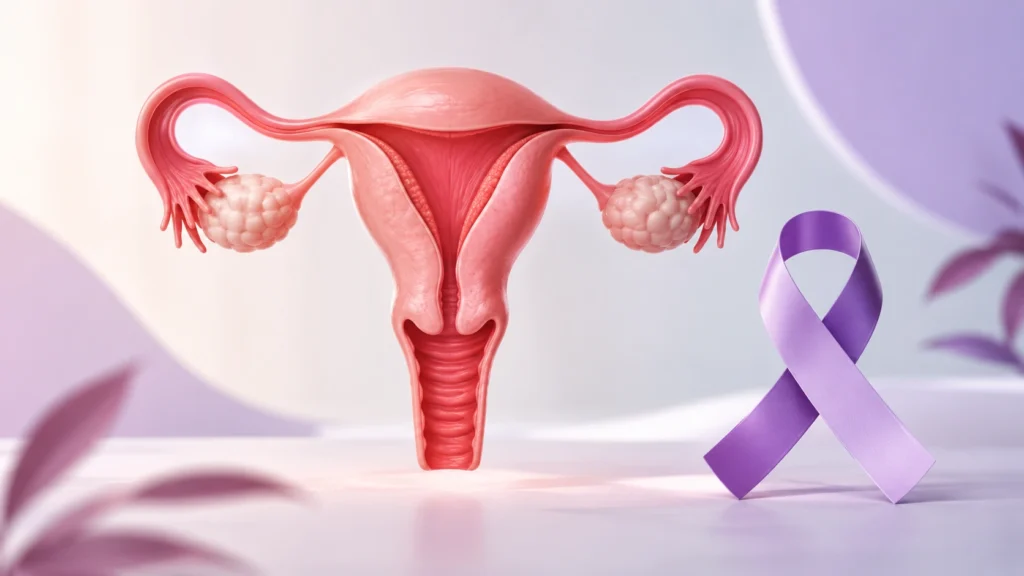
Ovarian cancer is one of the most serious cancers affecting the female reproductive system. It begins in the ovaries, which are small organs on either side of the uterus that produce eggs and hormones. In the early stages, ovarian cancer may cause very mild or no symptoms at all. Because of this, it is often diagnosed at a later stage when the cancer has spread. This makes early detection and awareness of symptoms very important.

Ovarian cancer can affect women of any age, but it is more common in older women, especially after menopause. Some women have a higher risk due to family history, genetic changes, or certain reproductive factors. Although ovarian cancer is a serious diagnosis, modern treatment options including surgery, chemotherapy, targeted therapy, and supportive care have improved outcomes significantly.

What is Ovarian Cancer?

Ovarian cancer is a type of cancer that starts in the ovaries. The ovaries are part of the female reproductive system and are responsible for producing eggs and hormones such as estrogen and progesterone. When cells in the ovary begin to grow in an uncontrolled way, they can form a tumor. Some ovarian tumors are benign, meaning they are not cancer. Others are malignant and can spread to other parts of the body.

Ovarian cancer is sometimes called a silent disease because early symptoms can be vague and easily mistaken for other common conditions. Many women may feel bloating, abdominal discomfort, or changes in digestion and assume it is a minor stomach problem. By the time the diagnosis is made, the cancer may have spread beyond the ovary.

Understanding ovarian cancer is important because early evaluation of persistent symptoms can lead to earlier diagnosis and better treatment outcomes. It is also important to know that not all ovarian masses are cancer, and many women with ovarian cysts or tumors do not have cancer.

Types of Ovarian Cancer

Ovarian cancer is not a single disease. There are different types based on the kind of cell where the cancer starts.

Epithelial ovarian cancer

  • This is the most common type of ovarian cancer.
  • It starts in the cells on the outer surface of the ovary.
  • It is more common in older women.
  • It often spreads within the abdomen if not detected early.

Germ cell tumors

  • These start in the egg-producing cells of the ovary.
  • They are more common in younger women and teenagers.
  • Many germ cell tumors are benign, but some can be cancerous.
  • They often respond well to treatment.

Stromal tumors

  • These start in the hormone-producing cells of the ovary.
  • They are less common than epithelial tumors.
  • They may cause hormonal symptoms such as irregular bleeding.
  • They are often detected at an earlier stage.

Borderline tumors

  • These are tumors that are not clearly benign or malignant.
  • They grow slowly and have a better outlook than invasive cancers.
  • They may require surgery but often need less aggressive treatment.
  • Long-term follow-up is still important.

Causes of Ovarian Cancer

The exact cause of ovarian cancer is not fully understood. It is believed to result from a combination of genetic, hormonal, and environmental factors.

Possible causes and contributing factors

  • Genetic changes in certain genes such as BRCA1 and BRCA2.
  • Family history of ovarian, breast, or related cancers.
  • Increasing age, especially after menopause.
  • Hormonal factors such as long-term estrogen exposure.
  • Never having been pregnant.
  • Early start of periods or late menopause.
  • Endometriosis in some cases.
  • Obesity and metabolic factors.
  • Smoking in certain types of ovarian cancer.
  • Use of certain hormonal therapies in some situations.

Why genetic changes matter: Some women inherit gene changes that increase the risk of ovarian and breast cancer. These changes can be passed down in families. Women with a strong family history may benefit from genetic counseling and testing to understand their risk and plan screening or prevention.

Risk Factors for Ovarian Cancer

Some women are more likely to develop ovarian cancer than others.

Higher-risk groups

  • Women over the age of fifty.
  • Women who have never been pregnant.
  • Women with a family history of ovarian or breast cancer.
  • Women with BRCA1 or BRCA2 gene mutations.
  • Women with a personal history of breast cancer.
  • Women with endometriosis.
  • Women who started periods early or had late menopause.
  • Women with obesity.
  • Women who have used certain hormonal therapies for a long time.
  • Women with a history of infertility or certain reproductive conditions.

Why risk increases in these groups

  • Age increases the chance of genetic changes in cells.
  • Hormonal exposure over many years can affect ovarian cells.
  • Genetic mutations make some women more susceptible.
  • Chronic inflammation from conditions like endometriosis may play a role.
  • Obesity can affect hormone levels and inflammation.

Symptoms of Ovarian Cancer

Ovarian cancer symptoms can be mild and easily mistaken for other conditions. The key is to notice symptoms that are new, persistent, and happening frequently.

Common symptoms

  • Bloating that does not go away.
  • Abdominal or pelvic pain.
  • Feeling full quickly or loss of appetite.
  • Changes in bowel habits such as constipation or diarrhea.
  • Frequent urination.
  • Unexplained weight loss or weight gain.
  • Fatigue or low energy.
  • Back pain.
  • Pain during intercourse.
  • Irregular periods in some cases.
  • Abdominal swelling or fluid buildup.

Symptoms that need attention

  • Bloating that happens most days for several weeks.
  • Pelvic or abdominal pain that is persistent.
  • Difficulty eating or feeling full after small meals.
  • Urinary urgency or frequency without infection.
  • Unexplained changes in weight or energy.

Advanced symptoms

  • Significant abdominal swelling.
  • Severe pain.
  • Shortness of breath due to fluid around the lungs.
  • Marked fatigue and weakness.
  • Loss of appetite and weight loss.

Ovarian Cancer in Different Age Groups

Ovarian cancer can affect women at different ages, but the pattern and risk may vary.

In younger women

  • Less common but can occur, especially with germ cell tumors.
  • Symptoms may be ignored or attributed to menstrual issues.
  • Fertility preservation may be an important consideration.

In middle-aged women

  • Risk begins to increase, especially around perimenopause.
  • Symptoms may be mistaken for hormonal changes.
  • Evaluation is important if symptoms persist.

In older women

  • Most cases occur after menopause.
  • Symptoms may be more advanced at diagnosis.
  • Treatment plans consider overall health and other conditions.

How is Ovarian Cancer Diagnosed?

Diagnosis is based on symptoms, physical examination, imaging, blood tests, and sometimes surgery. Because early symptoms are vague, a combination of tests is often needed.

Diagnostic steps

  • Detailed history of symptoms and menstrual history.
  • Family history of cancer.
  • Physical and pelvic examination.
  • Blood tests including tumor markers.
  • Imaging tests to visualize the ovaries and abdomen.
  • Sometimes surgical evaluation for confirmation.

Common tests that may be done

  • Transvaginal ultrasound to examine the ovaries.
  • CT scan or MRI of the abdomen and pelvis.
  • Chest imaging if spread is suspected.
  • Blood test for CA-125, a tumor marker often elevated in ovarian cancer.
  • Other blood tests such as HE4 in some cases.
  • Genetic testing for BRCA and related genes in selected patients.
  • Biopsy or surgical removal of the tumor for final diagnosis.

Why diagnosis matters: Early and accurate diagnosis helps determine the stage of cancer and the best treatment plan. It also helps identify whether the cancer is limited to the ovary or has spread. Genetic testing can guide treatment and inform family members about their risk.

Stages of Ovarian Cancer

Staging describes how far the cancer has spread. This helps guide treatment and predict outlook.

Stage 1

  • Cancer is limited to one or both ovaries.
  • It has not spread to other organs.
  • Treatment often involves surgery and sometimes chemotherapy.

Stage 2

  • Cancer has spread to nearby pelvic organs such as the uterus or fallopian tubes.
  • It is still within the pelvic area.
  • Treatment usually includes surgery and chemotherapy.

Stage 3

  • Cancer has spread to the lining of the abdomen or nearby lymph nodes.
  • It is more advanced but still treatable.
  • Treatment involves surgery and chemotherapy.

Stage 4

  • Cancer has spread to distant organs such as the liver or lungs.
  • This is the most advanced stage.
  • Treatment focuses on controlling the disease and managing symptoms.

Treatment for Ovarian Cancer

Treatment depends on the type of ovarian cancer, the stage, the patient’s age, overall health, and whether she wishes to preserve fertility.

1. Surgery

Surgery is the main treatment for most ovarian cancers. The goal is to remove as much of the cancer as possible.

  • Removal of one or both ovaries.
  • Removal of the fallopian tubes.
  • Removal of the uterus in many cases.
  • Removal of nearby lymph nodes.
  • Removal of any visible cancer in the abdomen.
  • Fertility-sparing surgery may be possible in selected young patients.

2. Chemotherapy

Chemotherapy uses medicines to kill cancer cells. It is often given after surgery.

  • Usually given through an IV in cycles.
  • Sometimes given before surgery to shrink the tumor.
  • May be given into the abdomen in some cases.
  • Helps reduce the risk of cancer coming back.

3. Targeted therapy

Targeted therapy uses medicines that act on specific changes in cancer cells.

  • Often used in advanced or recurrent ovarian cancer.
  • May be combined with chemotherapy.
  • Can help control the disease for a longer time.
  • Requires careful monitoring for side effects.

4. Hormonal therapy

Hormonal therapy may be used in some types of ovarian cancer.

  • It blocks hormones that can fuel cancer growth.
  • More commonly used in stromal tumors or certain recurrent cases.
  • Taken as tablets over a period of time.

5. Radiation therapy

Radiation therapy is less commonly used in ovarian cancer.

  • It may be used in selected cases to control pain or specific areas of spread.
  • More often used for symptom relief than as main treatment.

6. Supportive and palliative care

Supportive care is important at every stage.

  • Pain management.
  • Management of nausea, fatigue, and other symptoms.
  • Nutritional support.
  • Emotional and psychological support.
  • Help with daily activities and quality of life.

Recovery After Treatment

Recovery depends on the stage of cancer, the type of treatment, and the patient’s overall health.

Recovery after surgery

  • Hospital stay varies depending on the extent of surgery.
  • Gradual return to normal activities over weeks.
  • Wound care and follow-up visits are important.
  • Some patients may need physiotherapy or support at home.

Recovery after chemotherapy

  • Fatigue is common during and after treatment.
  • Blood counts and organ function are monitored.
  • Infection risk is higher during treatment.
  • Most side effects improve after treatment ends.

Long-term follow-up

  • Regular check-ups and blood tests.
  • Imaging if needed.
  • Monitoring for recurrence.
  • Support for emotional and physical well-being.
  • Guidance on lifestyle and prevention.

Possible Complications

Ovarian cancer and its treatment can lead to complications.

Complications of the cancer

  • Spread to other organs.
  • Fluid buildup in the abdomen or around the lungs.
  • Bowel obstruction.
  • Pain and discomfort.
  • Weight loss and weakness.

Complications of treatment

  • Infection after surgery.
  • Bleeding or blood clots.
  • Nausea, hair loss, and fatigue from chemotherapy.
  • Early menopause if ovaries are removed.
  • Emotional stress and anxiety.

Why complications happen: Cancer can affect multiple organs and systems. Treatment, while life-saving, can also place stress on the body. Good supportive care helps manage these complications and improve quality of life.

When Should You See a Doctor?

Medical evaluation is important for women with persistent symptoms or high risk.

  • Persistent bloating.
  • Abdominal or pelvic pain.
  • Feeling full quickly.
  • Changes in bowel or urinary habits.
  • Unexplained weight loss.
  • Abnormal vaginal bleeding.
  • Family history of ovarian or breast cancer.

Prevention of Ovarian Cancer

Not all ovarian cancers can be prevented, but risk can be reduced.

  • Regular gynecologic check-ups.
  • Awareness of family history.
  • Genetic counseling and testing if indicated.
  • Consideration of risk-reducing surgery in high-risk women.
  • Maintaining a healthy weight.
  • Avoiding smoking.
  • Discussing hormonal therapy risks and benefits with a doctor.
  • Early evaluation of persistent abdominal or pelvic symptoms.

For women with family history

  • Talk to a doctor about genetic testing.
  • Consider earlier and more frequent screening.
  • Discuss risk-reducing options if gene mutations are present.

Why Choose Rama Hospital for Ovarian Cancer Treatment?

Ovarian cancer requires expert gynecologic oncology care, advanced imaging, skilled surgery, and comprehensive supportive care. A hospital with experienced specialists can make a major difference in outcomes.

  • Expert evaluation by gynecologic oncologists.
  • Advanced imaging and laboratory tests.
  • Skilled surgical management.
  • Access to chemotherapy and targeted therapy.
  • Supportive care including nutrition, pain management, and counseling.
  • Long-term follow-up and survivorship care.

Frequently Asked Questions (FAQs)

What are the early signs of ovarian cancer?

Early signs may include persistent bloating, abdominal or pelvic pain, feeling full quickly, and changes in bowel or urinary habits. These symptoms are often mild and can be mistaken for other conditions. If they persist for weeks, medical evaluation is important.

Is ovarian cancer curable?

Many cases of ovarian cancer can be treated effectively, especially when detected early. Treatment usually involves surgery and chemotherapy. The outlook depends on the type, stage, and response to treatment.

Can ovarian cancer run in families?

Yes, ovarian cancer can run in families, especially when there are BRCA gene mutations. Women with a strong family history should discuss genetic counseling and testing with their doctor to understand their risk.

What tests are done for ovarian cancer?

Tests may include transvaginal ultrasound, CT or MRI scans, blood tests such as CA-125, and sometimes genetic testing. Final diagnosis is confirmed by examining tissue after surgery or biopsy.

Is surgery always needed for ovarian cancer?

Surgery is the main treatment for most ovarian cancers. It helps remove the tumor and determine the stage. In some cases, chemotherapy may be given first to shrink the tumor before surgery.

Can young women get ovarian cancer?

Yes, young women can get ovarian cancer, although it is less common. Some types, such as germ cell tumors, are more common in younger women. Fertility-sparing options may be considered in selected cases.

What happens after treatment for ovarian cancer?

After treatment, patients need regular follow-up with blood tests, examinations, and sometimes imaging. The goal is to monitor for recovery, manage side effects, and detect any recurrence early.

Conclusion

Ovarian cancer is a serious but treatable condition when detected and managed early. It often presents with vague symptoms that can be easily overlooked. Awareness of persistent bloating, abdominal pain, early fullness, and urinary or bowel changes is important for early evaluation. Modern treatment options including surgery, chemotherapy, targeted therapy, and supportive care have improved outcomes and quality of life.

The most important steps are timely diagnosis, expert surgical care, appropriate chemotherapy, and long-term follow-up. For women with persistent symptoms, family history, or concerns about ovarian health, a medical evaluation can make a major difference. With the right care and support, patients can receive effective treatment and maintain the best possible quality of life.

Rama Hospital can help evaluate ovarian cancer, provide expert gynecologic oncology care, and offer a clear treatment plan that supports safe surgery, effective therapy, and comprehensive recovery.
Table of Contents

Explore More

What to Know More About Ovarian Cancer

Find Ailments & Treatments

Search Ailments

Quickly find the information you need. Search our database to explore detailed information on various diseases and conditions, including symptoms, causes, and treatment options.

Search Treatments

Quickly find the information you need. Search our database to explore detailed information on various diseases and conditions, including symptoms, causes, and treatment options.

Recommended Reading

Video Playlist

No rows found.

Experience Healthcare the Rama Way

Emergency • OPD • Surgery • ICU Care

Need Help? Talk to our experts

Get a callback from our experts

Request a callback