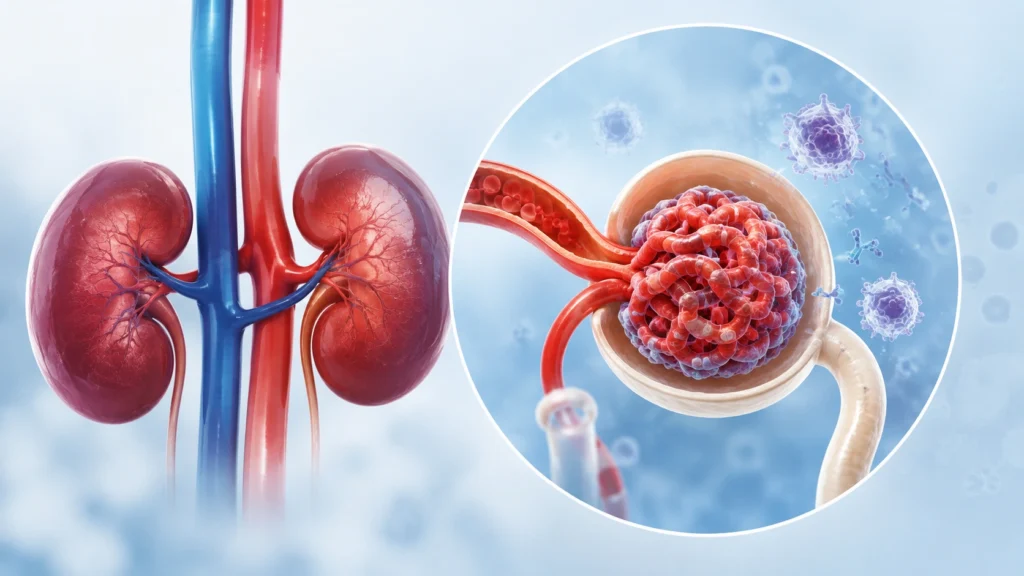
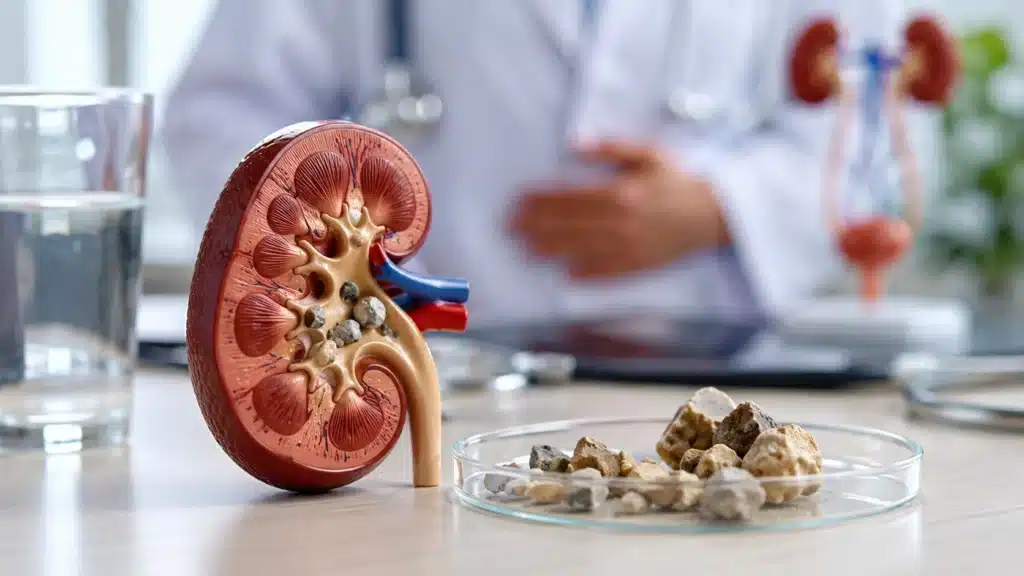
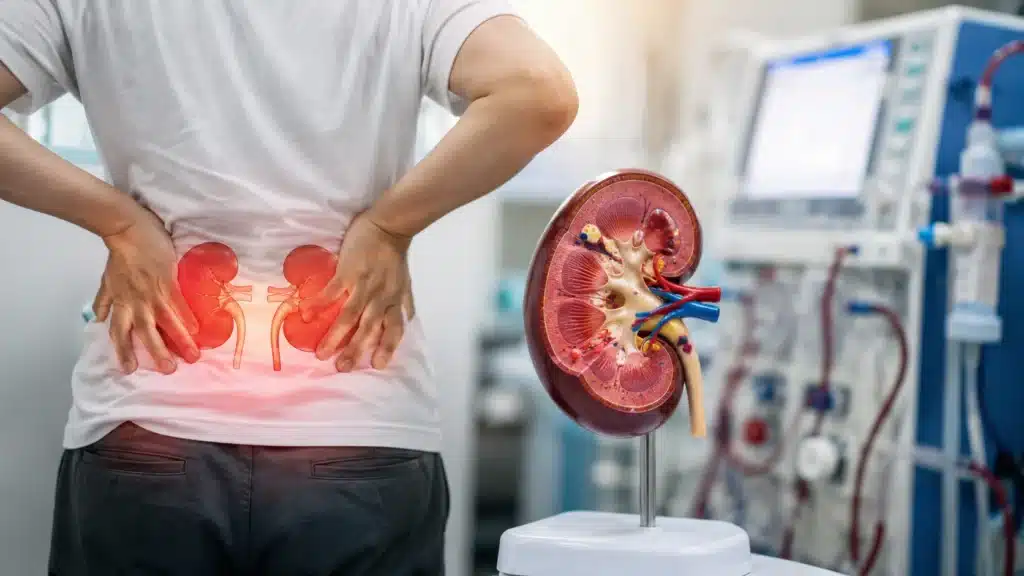
Glomerulonephritis is a kidney condition that affects the tiny filtering units inside the kidneys called glomeruli. These filters help remove waste and extra fluid from the blood and send it out as urine. When the glomeruli become inflamed or damaged, the kidneys cannot filter blood properly. This can lead to blood or protein in the urine, swelling in the body, high blood pressure, and in severe cases, kidney failure.
The condition can develop suddenly or slowly over time. Some people may have no symptoms at first and only discover the problem during routine tests. Others may notice swelling in the legs, face, or abdomen, dark or foamy urine, reduced urine output, or rising blood pressure. If left untreated, glomerulonephritis can cause long-term kidney damage and increase the risk of chronic kidney disease.
What is Glomerulonephritis?
Glomerulonephritis is inflammation of the glomeruli, which are the tiny filtering structures inside the kidneys. Each kidney contains thousands of glomeruli that act like small sieves. They allow waste and extra fluid to pass into the urine while keeping important proteins and blood cells in the bloodstream.
When the glomeruli become inflamed, they may leak blood or protein into the urine. The kidneys may also retain salt and water, leading to swelling and high blood pressure. Over time, repeated or severe inflammation can damage the filters permanently and reduce kidney function.
The condition can affect people of any age. It may occur after an infection, as part of an autoimmune disease, due to certain medicines, or without a clear cause. Some cases improve with treatment, while others may become chronic and require long-term care.
Types of Glomerulonephritis
Glomerulonephritis can be classified in different ways based on how it starts, how long it lasts, and what causes it.
Based on onset
- Acute glomerulonephritis, which starts suddenly and may follow an infection.
- Chronic glomerulonephritis, which develops slowly over months or years.
- Rapidly progressive glomerulonephritis, which worsens quickly over weeks and needs urgent treatment.
Based on cause
- Primary glomerulonephritis, where the problem starts in the kidneys themselves.
- Secondary glomerulonephritis, where it occurs due to another disease such as diabetes, lupus, vasculitis, or infection.
Based on findings in the urine
- Nephritic syndrome, where blood in urine, high blood pressure, and reduced kidney function are more prominent.
- Nephrotic syndrome, where heavy protein loss in urine, swelling, and low blood protein are more prominent.
- Mixed pattern, where features of both nephritic and nephrotic syndrome are present.
Common specific types
- IgA nephropathy, one of the most common forms worldwide.
- Post-infectious glomerulonephritis, often after throat or skin infection.
- Lupus nephritis, seen in patients with systemic lupus erythematosus.
- Membranous nephropathy, often causing heavy protein loss.
- Focal segmental glomerulosclerosis, which can lead to scarring of filters.
- Anti-GBM disease, a rare but serious form.
- Vasculitis-related glomerulonephritis, linked to blood vessel inflammation.
Causes of Glomerulonephritis
Glomerulonephritis has many possible causes. In some patients, the exact cause is not identified.
Common causes include:
- Infections such as streptococcal throat or skin infection.
- Viral infections such as hepatitis B, hepatitis C, or HIV.
- Bacterial infections affecting the heart or other organs.
- Autoimmune diseases such as lupus or vasculitis.
- IgA nephropathy, where an abnormal antibody deposits in the kidneys.
- Genetic or inherited kidney conditions.
- Long-standing diabetes or high blood pressure in some cases.
- Certain medicines or toxins.
- Cancer-related immune responses in rare cases.
- Conditions causing abnormal immune complex deposition in the kidneys.
How infection can trigger glomerulonephritis: After some infections, the immune system produces antibodies to fight the germ. Sometimes these antibodies form complexes that get trapped in the kidney filters. This triggers inflammation and damages the glomeruli. This is common in post-streptococcal glomerulonephritis, especially in children.
How autoimmune disease can cause glomerulonephritis?
In autoimmune conditions, the immune system mistakenly attacks the body’s own tissues. When it targets the kidneys or blood vessels supplying the kidneys, it can cause glomerulonephritis. This is seen in lupus nephritis and some forms of vasculitis.
Risk Factors for Glomerulonephritis
Some people are more likely to develop glomerulonephritis than others.
Higher-risk groups
- Children and young adults after streptococcal infection.
- People with autoimmune diseases such as lupus.
- Patients with chronic infections such as hepatitis B or C.
- Individuals with a family history of kidney disease.
- People with long-standing diabetes or high blood pressure.
- Patients with certain genetic conditions affecting the kidneys.
- Individuals exposed to certain toxins or medicines.
- Older adults with multiple health conditions.
Why risk increases in these groups
- Infections can trigger immune responses that affect the kidneys.
- Autoimmune diseases directly target kidney tissue.
- Genetic factors can make glomeruli more vulnerable.
- Chronic diseases such as diabetes and hypertension strain the kidneys over time.
- Some medicines and toxins can injure the kidney filters.
Symptoms of Glomerulonephritis
Symptoms depend on whether the condition is acute or chronic, mild or severe.
Common symptoms include:
- Swelling in the legs, ankles, or feet.
- Swelling around the eyes, especially in the morning.
- Foamy or frothy urine due to protein loss.
- Dark, tea-colored, or cola-colored urine due to blood.
- Reduced urine output.
- High blood pressure.
- Fatigue and weakness.
- Shortness of breath due to fluid overload.
- Nausea or loss of appetite in advanced cases.
- Weight gain from fluid retention.
- Headache due to high blood pressure.
Symptoms in children
- Swelling of the face and legs.
- Decreased urine output.
- Dark urine.
- Irritability or tiredness.
- Poor appetite.
- High blood pressure.
Symptoms in chronic cases
- Gradual increase in swelling.
- Persistent high blood pressure.
- Tiredness and reduced exercise tolerance.
- Frequent urination at night.
- Slowly worsening kidney function on tests.
How is Glomerulonephritis Diagnosed?
Diagnosis is based on symptoms, physical examination, urine tests, blood tests, imaging, and sometimes kidney biopsy.
Diagnostic steps
- Detailed history of symptoms and past infections.
- Review of medical conditions such as diabetes, lupus, or hepatitis.
- Medication and toxin exposure history.
- Family history of kidney disease.
- Physical examination for swelling, blood pressure, and signs of fluid overload.
- Urine tests to check for blood, protein, and other abnormalities.
- Blood tests to assess kidney function and immune markers.
- Imaging such as ultrasound to evaluate kidney size and structure.
- Kidney biopsy in selected cases to confirm the type and guide treatment.
Common tests that may be done
- Urine routine and microscopy to look for blood and protein.
- Urine protein-to-creatinine ratio to measure protein loss.
- Blood urea and creatinine to assess kidney function.
- Electrolytes to check salt and mineral balance.
- Complete blood count to look for anemia or infection.
- Complement levels and immune markers for autoimmune causes.
- Anti-streptococcal antibody tests if post-infectious cause is suspected.
- Hepatitis B, hepatitis C, and HIV screening in selected patients.
- ANA, anti-dsDNA, ANCA, and other autoimmune tests when indicated.
- Kidney ultrasound to assess size, shape, and any structural changes.
- Kidney biopsy to determine the exact type and severity.
Why diagnosis matters: Different types of glomerulonephritis need different treatments. Some respond well to steroids or immune-suppressing medicines, while others need infection control or supportive care. Accurate diagnosis helps guide the right therapy and prevent unnecessary treatment.
Treatment for Glomerulonephritis
Treatment depends on the cause, severity, and whether the condition is acute or chronic.
1. Supportive care
For many patients, the first step is to protect the kidneys and manage symptoms.
- Blood pressure control with appropriate medicines.
- Salt restriction to reduce swelling and blood pressure.
- Fluid management based on urine output and swelling.
- Diuretics to help remove extra fluid if needed.
- Treatment of high cholesterol if present.
- Avoidance of kidney-harming medicines such as certain painkillers.
2. Treatment of underlying cause
If a specific cause is identified, it must be treated.
- Antibiotics for active bacterial infection.
- Antiviral therapy for hepatitis B or C in selected cases.
- Immune-suppressing treatment for autoimmune causes.
- Management of diabetes and blood pressure.
- Stopping or changing medicines that may be harming the kidneys.
3. Immune-suppressive therapy
In some types of glomerulonephritis, the immune system needs to be controlled.
- Steroids such as prednisolone may be used in certain cases.
- Other immune-suppressing medicines may be added depending on the type.
- Treatment is tailored based on biopsy findings and disease activity.
- Regular monitoring is needed to balance benefits and side effects.
4. Management of complications
Complications such as high blood pressure, fluid overload, and electrolyte imbalance need careful management.
- Medicines to control blood pressure and protect the kidneys.
- Diuretics to reduce swelling and fluid in the lungs.
- Correction of electrolyte abnormalities such as high potassium.
- Treatment of anemia if kidney function is reduced.
- Bone and mineral management in chronic kidney disease.
5. Dialysis or transplant in advanced cases
If kidney function becomes severely reduced, temporary or long-term support may be needed.
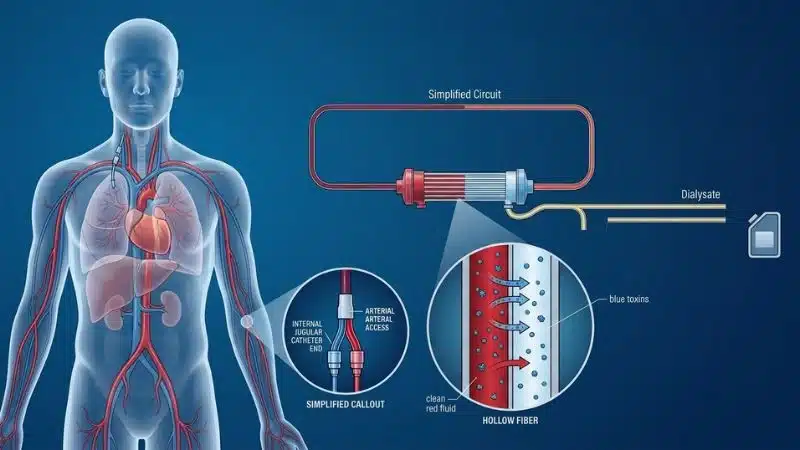
- Dialysis may be required if the kidneys cannot remove waste and fluid.
- Some patients may need dialysis temporarily until the kidneys recover.
- In chronic and advanced cases, long-term dialysis or kidney transplant may be considered.
- Decision depends on overall health, age, and response to treatment.
Diet Advice for Glomerulonephritis
Diet plays an important role in managing symptoms and protecting kidney function.
General diet pointers
- Limit salt intake to reduce swelling and blood pressure.
- Control fluid intake if advised by the doctor.
- Adjust protein intake based on kidney function and urine protein loss.
- Choose high-quality protein sources such as eggs, dairy, fish, or pulses as suitable.
- Include fresh fruits and vegetables within potassium limits if needed.
- Avoid processed and packaged foods high in salt.
- Limit fried and oily foods.
- Maintain a balanced diet to support overall health.
Special considerations
- Patients with heavy protein loss may need adequate but not excessive protein.
- Those with reduced kidney function may need protein restriction under guidance.
- Potassium and phosphorus may need to be controlled in advanced kidney disease.
- A dietitian can help plan meals based on test results and symptoms.
Foods to limit or avoid
- High-salt snacks and pickles.
- Processed meats and canned foods.
- Excess tea, coffee, or sugary drinks.
- Very high-protein supplements without medical advice.
- Over-the-counter herbal or weight-loss products that may harm kidneys.
Lifestyle Measures That Help
Lifestyle changes can support treatment and reduce strain on the kidneys.
Helpful habits
- Take all medicines exactly as prescribed.
- Monitor blood pressure regularly at home if advised.
- Keep follow-up appointments for urine and blood tests.
- Maintain a healthy weight.
- Avoid smoking and limit alcohol.
- Stay physically active within safe limits.
- Report any new swelling, breathlessness, or urine changes promptly.
- Avoid self-medication with painkillers or herbal products.
Why lifestyle matters: Glomerulonephritis can be a long-term condition. Consistent care, regular monitoring, and healthy habits help slow progression, reduce complications, and improve quality of life.
Possible Complications
Untreated or severe glomerulonephritis can lead to serious problems.
- Chronic kidney disease.
- Kidney failure requiring dialysis or transplant.
- Severe high blood pressure.
- Fluid in the lungs causing breathlessness.
- Electrolyte imbalances such as high potassium.
- Anemia due to reduced kidney hormone production.
- Bone and mineral disorders in long-standing disease.
- Increased risk of heart and blood vessel disease.
- Recurrent infections due to immune-suppressing treatment.
- Pregnancy complications in women with active disease.
Why complications happen: Inflammation damages the filtering units, reducing the kidney’s ability to clean the blood. Waste and fluid build up, blood pressure rises, and other organs are affected. Early treatment and monitoring help reduce these risks.
When Should You See a Doctor?
Medical evaluation is important if there are signs of kidney involvement.
- Swelling in the legs, feet, or face.
- Foamy or dark-colored urine.
- Reduced urine output.
- High blood pressure.
- Persistent fatigue or weakness.
- Shortness of breath.
- Unexplained weight gain from fluid.
- History of recent throat or skin infection with urine changes.
- Known autoimmune disease with new kidney symptoms.
Prevention of Glomerulonephritis
Not all cases can be prevented, but risk can be reduced.
- Treat throat and skin infections promptly.
- Complete prescribed antibiotic courses when indicated.
- Control blood pressure and blood sugar.
- Avoid unnecessary painkillers and kidney-harming medicines.
- Get vaccinated for hepatitis B if at risk.
- Follow medical advice for autoimmune diseases.
- Attend regular check-ups if you have a family history of kidney disease.
- Report urine changes or swelling early.
For people with known kidney disease
- Keep regular follow-up with a nephrologist.
- Take medicines consistently.
- Monitor blood pressure and urine tests.
- Follow diet and fluid advice carefully.
- Avoid infections and seek early treatment when sick.
Why Choose Rama Hospital for Glomerulonephritis Treatment?
Glomerulonephritis is a complex kidney condition that needs expert evaluation, accurate diagnosis, and tailored treatment. A hospital with experienced nephrologists, advanced testing, and supportive care can make a major difference in outcomes.
- Expert assessment by kidney specialists.
- Access to advanced urine, blood, and imaging tests.
- Kidney biopsy and pathology support when needed.
- Personalized treatment plans based on type and severity.
- Management of complications such as high blood pressure and fluid overload.
- Coordination with dietitians, physicians, and other specialists.
- Long-term follow-up to monitor kidney function.
Frequently Asked Questions (FAQs)
Is glomerulonephritis curable?
Some forms of glomerulonephritis can improve or go into remission with proper treatment, especially if caught early. Others may become chronic and require long-term care. The outcome depends on the type, cause, and how quickly treatment is started.
Can glomerulonephritis lead to kidney failure?
Yes, severe or untreated glomerulonephritis can damage the kidneys over time and lead to chronic kidney disease or kidney failure. Early diagnosis, treatment, and regular follow-up help reduce this risk.
What are the early signs of glomerulonephritis?
Early signs may include swelling in the legs or face, foamy or dark urine, reduced urine output, and high blood pressure. Some people may have no symptoms and are diagnosed only on routine urine or blood tests.
How is glomerulonephritis diagnosed?
Diagnosis is based on urine tests, blood tests, imaging, and sometimes kidney biopsy. These tests help identify blood or protein in urine, assess kidney function, and determine the type and cause of glomerulonephritis.
Can children get glomerulonephritis?
Yes, children can develop glomerulonephritis, often after a throat or skin infection. They may present with swelling, dark urine, and high blood pressure. With timely treatment, many children recover well.
What is the role of kidney biopsy?
Kidney biopsy helps confirm the exact type of glomerulonephritis and guides treatment. It is especially useful when the cause is unclear or when immune-suppressive therapy is being considered.
Can glomerulonephritis come back after treatment?
Some types of glomerulonephritis can relapse, especially if the underlying cause is not fully controlled. Regular follow-up, adherence to treatment, and monitoring of urine and blood tests help detect and manage any recurrence early.
Conclusion
Glomerulonephritis is a serious kidney condition that affects the filtering units and can lead to blood or protein in the urine, swelling, high blood pressure, and kidney damage. It has many possible causes, including infections, autoimmune diseases, and primary kidney disorders. The condition can be acute or chronic and needs careful evaluation.
The most important steps are early diagnosis, identification of the underlying cause, appropriate treatment, and long-term follow-up. For patients with swelling, urine changes, high blood pressure, or known autoimmune or infectious diseases, a nephrology evaluation can make a major difference. With the right care, many patients can preserve kidney function and reduce the risk of complications.
Rama Hospital can help evaluate glomerulonephritis, identify the type and cause, and provide a clear treatment plan that supports kidney protection, symptom control, and long-term health.