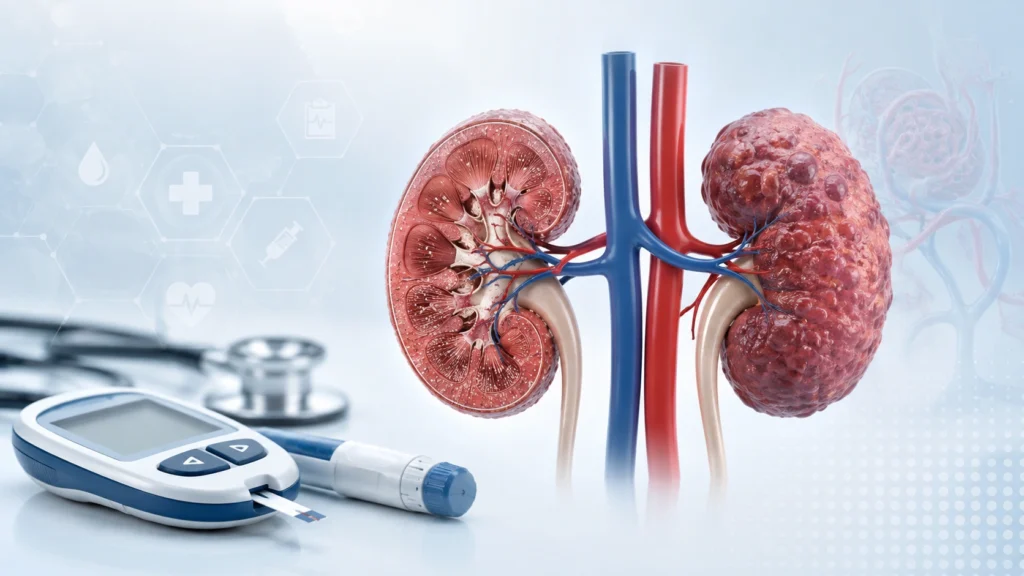
Diabetes related kidney failure, also called diabetic kidney disease or diabetic nephropathy, is one of the most common and serious complications of long-standing diabetes. Over time, high blood sugar levels can damage the tiny filtering units in the kidneys. This damage reduces the kidneys’ ability to clean the blood, remove waste, and balance fluids and salts. In advanced stages, the kidneys may stop working properly, leading to kidney failure.
Many people with diabetes do not realize their kidneys are being affected until the damage is advanced. Early kidney disease often has no symptoms. By the time symptoms appear, such as swelling, tiredness, or changes in urine, significant damage may already have occurred. That is why regular screening and early treatment are so important for people with diabetes.
What is Diabetes Related Kidney Failure?
Diabetes related kidney failure happens when long-term high blood sugar damages the kidneys to the point where they can no longer function properly. The kidneys contain millions of tiny filters called nephrons. These filters remove waste and extra fluid from the blood and pass it out as urine. High blood sugar over many years can injure these filters and the blood vessels that supply them.
In the early stage, the kidneys may start leaking small amounts of protein into the urine. This is often the first sign of kidney damage. As the disease progresses, more protein leaks, and the filtering ability of the kidneys declines. Waste products and fluid begin to build up in the body. This can lead to swelling, high blood pressure, anemia, bone problems, and other complications.
When kidney function falls to a very low level, the condition is called end-stage renal disease or kidney failure. At this stage, the body cannot survive without dialysis or a kidney transplant. Early detection and treatment can slow or sometimes prevent this progression.
How Diabetes Damages the Kidneys
Diabetes affects the kidneys through several mechanisms that work together over time.
Effects of high blood sugar
- High sugar levels damage the tiny blood vessels in the kidneys.
- The filtering units become thickened and scarred.
- The kidneys lose their ability to filter waste efficiently.
- Protein starts leaking into the urine, which is an early warning sign.
Effects of high blood pressure
- High blood pressure is common in people with diabetes.
- It adds extra stress on the kidney blood vessels.
- This accelerates kidney damage and scarring.
- Controlling blood pressure is as important as controlling blood sugar.
Other contributing factors
- Long duration of diabetes increases risk.
- Poorly controlled blood sugar speeds up damage.
- Smoking worsens blood vessel injury.
- High cholesterol and obesity add to the burden.
- Family history of kidney disease increases susceptibility.
Stages of Diabetic Kidney Disease
Diabetic kidney disease progresses through stages, from early changes to advanced failure.
Early stage
- Small amounts of protein appear in urine.
- Kidney function may still be normal.
- No symptoms in most patients.
- Detected only through screening tests.
Moderate stage
- Protein in urine increases.
- Kidney function starts to decline.
- Blood pressure may rise.
- Some patients notice mild swelling or tiredness.
Advanced stage
- Significant loss of kidney function.
- High levels of waste products in blood.
- Severe swelling, fatigue, and other symptoms.
- Preparation for dialysis or transplant may be needed.
Kidney failure stage
- Kidneys can no longer support life on their own.
- Dialysis or transplant becomes necessary.
- Multiple body systems are affected.
- Intensive medical management is required.
Risk Factors for Diabetes Related Kidney Failure
Not everyone with diabetes will develop kidney failure, but some people are at much higher risk.
Higher-risk groups
- People with type 1 diabetes for more than ten years.
- People with type 2 diabetes, especially if diagnosed late.
- Patients with poorly controlled blood sugar levels.
- Individuals with high blood pressure.
- Smokers.
- People with a family history of kidney disease.
- Those with high cholesterol or obesity.
- Patients with existing heart or blood vessel disease.
- People with recurrent urinary or kidney infections.
- Individuals who do not get regular kidney screening.
Why risk increases in these groups
- Long exposure to high sugar damages kidney filters.
- High blood pressure adds mechanical stress on kidney vessels.
- Smoking reduces blood flow and increases scarring.
- Genetics can make some people more vulnerable.
- Lack of screening delays early detection and treatment.
Symptoms of Diabetes Related Kidney Failure
Symptoms depend on the stage of kidney disease. Early stages often have no symptoms, which is why screening is critical.
Early symptoms
- Often no symptoms at all.
- Slight increase in nighttime urination.
- Mild fatigue that is often ignored.
- Slight swelling around the eyes in the morning.
Moderate stage symptoms
- Increasing tiredness and weakness.
- Swelling in feet, ankles, or hands.
- Foamy or bubbly urine due to protein.
- Rising blood pressure that is hard to control.
- Decreased appetite.
- Difficulty concentrating.
Advanced stage symptoms
- Severe fatigue and low energy.
- Marked swelling in legs and face.
- Nausea and vomiting.
- Itchy skin.
- Shortness of breath due to fluid overload.
- Muscle cramps.
- Pale skin due to anemia.
- Reduced urine output in some cases.
- Confusion or difficulty thinking clearly.
Emergency warning signs
- Severe breathlessness.
- Chest pain or palpitations.
- Confusion or extreme drowsiness.
- Very little or no urine output.
- Severe swelling with difficulty breathing.
- Uncontrolled vomiting.
How is Diabetes Related Kidney Failure Diagnosed?
Diagnosis is based on medical history, physical examination, and specific tests that assess kidney function and damage.
Diagnostic steps
- Review of diabetes duration and control.
- Assessment of blood pressure and other risk factors.
- Physical examination for swelling and other signs.
- Urine tests to check for protein.
- Blood tests to measure kidney function.
- Imaging tests if needed to assess kidney structure.
Common tests that may be done
- Urine albumin to creatinine ratio to detect protein leakage.
- Serum creatinine to assess kidney filtration.
- Estimated glomerular filtration rate or eGFR to stage kidney disease.
- Blood urea nitrogen to measure waste levels.
- Electrolyte tests to check sodium, potassium, and other salts.
- Hemoglobin to check for anemia.
- Blood sugar and HbA1c to assess diabetes control.
- Lipid profile to evaluate cholesterol.
- Ultrasound of kidneys to assess size and structure.
Why early diagnosis matters: Early detection allows treatment to begin before significant damage occurs. Medicines, blood pressure control, and lifestyle changes can slow or sometimes halt progression. Late diagnosis often means more advanced disease and fewer options to reverse damage.
Treatment for Diabetes Related Kidney Failure
Treatment focuses on slowing kidney damage, managing symptoms, treating complications, and preparing for advanced care if needed.
1. Blood sugar control
Keeping blood sugar in the target range is essential.
- Regular monitoring of blood glucose.
- HbA1c testing every three to six months.
- Adjusting diabetes medicines as kidney function changes.
- Avoiding very low or very high sugar episodes.
2. Blood pressure control
Blood pressure management is equally important.
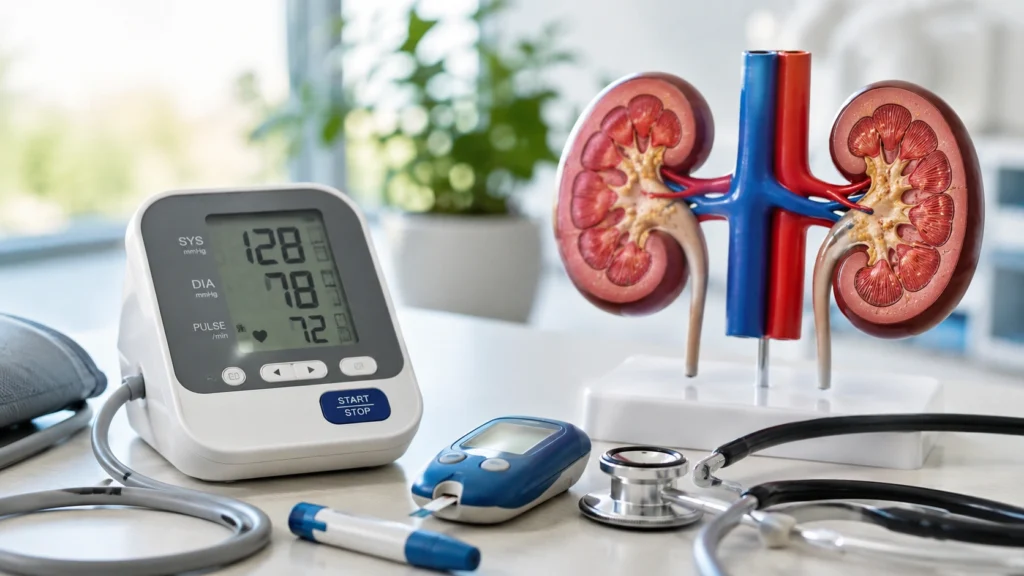
- Target blood pressure as advised by the doctor.
- Use of kidney-protective blood pressure medicines.
- Regular home blood pressure monitoring.
- Salt restriction in diet.
3. Medicines to protect kidneys
Certain medicines help reduce protein leakage and protect kidney function.
- ACE inhibitors or ARBs are commonly used.
- Newer diabetes medicines with kidney benefits may be added.
- Cholesterol-lowering medicines may be prescribed.
- Diuretics may be used for swelling and blood pressure.
4. Diet and lifestyle changes
Diet plays a major role in managing kidney disease.
- Reduced salt intake to control blood pressure and swelling.
- Moderate protein intake as advised by the doctor.
- Control of potassium and phosphorus in advanced stages.
- Healthy weight management.
- Regular physical activity as tolerated.
- Stopping smoking completely.
- Limiting alcohol.
5. Treatment of complications
As kidney disease advances, complications need specific management.
- Anemia treatment with iron or erythropoietin injections.
- Bone and mineral management with vitamin D and phosphate binders.
- Fluid management with diuretics or dialysis if needed.
- Acid-base balance correction.
- Cardiovascular risk reduction.
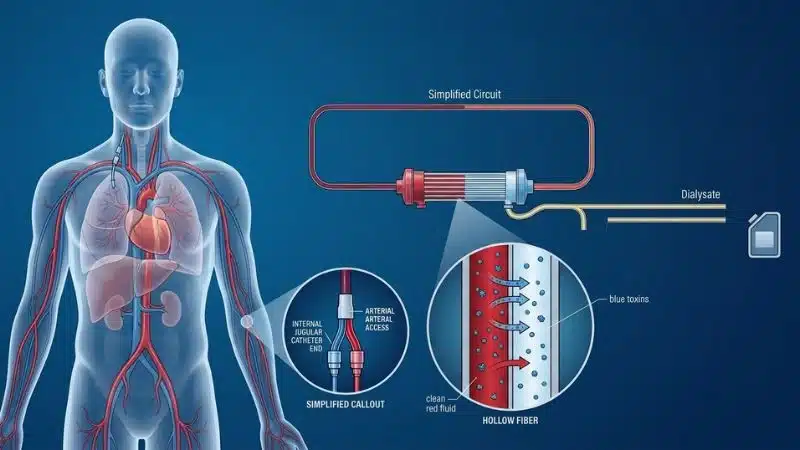
6. Dialysis for kidney failure
When kidneys can no longer function adequately, dialysis is needed.
- Hemodialysis, where blood is filtered through a machine.
- Peritoneal dialysis, where the abdomen lining is used for filtration.
- Dialysis schedule depends on the patient’s condition.
- Dialysis helps remove waste, extra fluid, and balance salts.
7. Kidney transplant
Kidney transplant is the best long-term option for eligible patients.
- A healthy kidney from a donor is surgically placed in the patient.
- Transplant can restore near-normal kidney function.
- Lifelong medicines are needed to prevent rejection.
- Not all patients are candidates, and evaluation is required.
Living with Diabetes Related Kidney Failure
Living with this condition requires ongoing care, monitoring, and lifestyle adjustments.
Daily management pointers
- Take all medicines as prescribed.
- Monitor blood sugar and blood pressure regularly.
- Follow diet and fluid advice from the doctor.
- Attend all follow-up appointments.
- Report new symptoms such as swelling, breathlessness, or reduced urine.
- Keep vaccinations up to date as advised.
- Avoid over-the-counter painkillers that can harm kidneys.
Emotional and social support
- Chronic illness can affect mood and mental health.
- Family support is important for diet and medicine adherence.
- Support groups and counseling can help.
- Planning for dialysis or transplant can reduce anxiety.
Possible Complications
Diabetes related kidney failure can lead to multiple complications affecting different body systems.
Common complications
- Severe anemia causing fatigue and weakness.
- Bone disease leading to fractures and pain.
- Fluid overload causing swelling and breathlessness.
- High potassium levels affecting heart rhythm.
- Increased risk of heart attack and stroke.
- Nerve damage and numbness.
- Increased infection risk.
- Malnutrition and weight loss.
- Pregnancy complications in women of childbearing age.
Why complications happen: As kidney function declines, waste products, fluid, and salts build up in the body. Hormones that regulate blood, bone, and blood pressure are also affected. This widespread impact is why kidney disease affects many organs and systems.
When Should You See a Doctor?
Regular medical care is essential for all people with diabetes, especially those at risk of kidney disease.
- Diabetes for more than five years without recent kidney screening.
- Swelling in feet, ankles, or face.
- Foamy or bubbly urine.
- Rising blood pressure.
- Increasing tiredness or weakness.
- Reduced appetite or nausea.
- Shortness of breath on mild activity.
- Frequent nighttime urination.
Prevention of Diabetes Related Kidney Failure
Prevention focuses on early detection, good diabetes control, and managing risk factors.
- Get regular kidney screening if you have diabetes.
- Keep blood sugar within the target range.
- Control blood pressure strictly.
- Take kidney-protective medicines as prescribed.
- Follow a low-salt, balanced diet.
- Maintain a healthy weight.
- Exercise regularly as advised.
- Stop smoking completely.
- Limit alcohol intake.
- Avoid unnecessary painkillers and herbal supplements that can harm kidneys.
Screening recommendations
- People with type 1 diabetes should start screening after five years of diagnosis.
- People with type 2 diabetes should be screened at diagnosis and then annually.
- Screening includes urine protein test and blood creatinine with eGFR.
- More frequent testing may be needed if kidney disease is detected.
Why Choose Rama Hospital for Diabetes Related Kidney Failure Care?
Diabetes related kidney failure requires coordinated care between diabetes specialists, kidney specialists, dietitians, and other teams. A hospital with experienced nephrologists, advanced dialysis facilities, and transplant evaluation services can provide comprehensive care.
- Expert evaluation by nephrology and endocrinology specialists.
- Advanced laboratory and imaging for accurate staging.
- Personalized treatment plans for diabetes and kidney protection.
- Dialysis services with strict infection control.
- Transplant evaluation and counseling where available.
- Long-term follow-up and complication management.
Frequently Asked Questions (FAQs)
Can diabetes related kidney failure be reversed?
Early kidney damage can often be slowed or partially improved with strict blood sugar and blood pressure control and the right medicines. Advanced kidney failure usually cannot be reversed, but dialysis and transplant can replace kidney function and improve quality of life.
How long does it take for diabetes to affect the kidneys?
Kidney damage usually develops over many years of diabetes, often ten years or more. However, in type 2 diabetes, kidney disease may already be present at diagnosis because the condition may have been present for years before detection.
What are the first signs of kidney damage in diabetes?
The first sign is often protein in the urine, which is detected only by tests. There may be no symptoms at this stage. Later, swelling, foamy urine, tiredness, and rising blood pressure may appear as kidney function declines.
Is dialysis always needed in diabetes related kidney failure?
Dialysis is needed only when kidney function falls to a very low level and the body cannot survive without support. Many patients can delay dialysis for years with proper treatment. When needed, dialysis or transplant becomes life-sustaining therapy.
Can kidney transplant cure diabetes related kidney failure?
A kidney transplant can restore kidney function, but it does not cure diabetes. The new kidney can also be damaged over time if blood sugar and blood pressure are not controlled. Lifelong care and medicines are still required after transplant.
What diet is best for diabetes related kidney disease?
The diet usually includes controlled protein, low salt, and adjusted potassium and phosphorus depending on kidney function. A dietitian can personalize the plan based on blood tests, diabetes status, and stage of kidney disease.
How can I protect my kidneys if I have diabetes?
Protect your kidneys by keeping blood sugar and blood pressure in target range, taking prescribed kidney-protective medicines, avoiding smoking, limiting salt, staying active, and getting regular kidney screening. Early action makes the biggest difference.
Conclusion
Diabetes related kidney failure is a serious but preventable and manageable complication of diabetes. It develops slowly over years, often without early symptoms, which is why regular screening is so important. With good blood sugar control, blood pressure management, kidney-protective medicines, and lifestyle changes, many patients can delay or avoid advanced kidney disease.
When kidney function declines significantly, dialysis and transplant offer life-sustaining options. The key is early detection, consistent care, and a strong partnership between the patient, family, and medical team. For patients with diabetes, increasing tiredness, swelling, foamy urine, or rising blood pressure should never be ignored.
Rama Hospital can help evaluate kidney function in people with diabetes, provide personalized treatment to protect the kidneys, and offer comprehensive care including dialysis and transplant evaluation when needed.