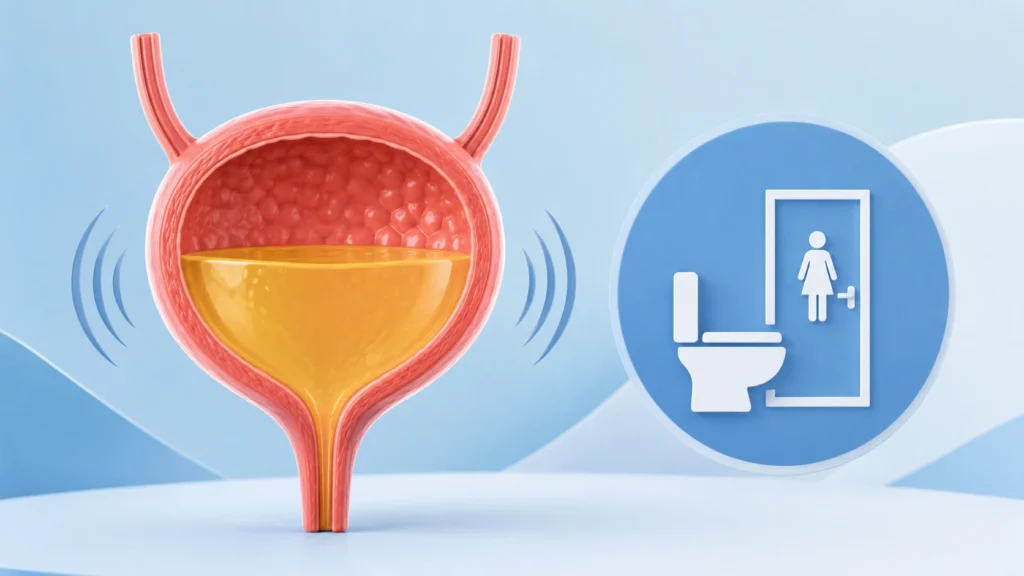
Overactive bladder is a common condition that affects people of all ages, but it is often underreported because many feel embarrassed to discuss it. It is characterized by a sudden, strong urge to urinate that is difficult to control. This urge may happen even when the bladder is not full. Some people may also leak urine before reaching the toilet. Others may wake up multiple times at night to pass urine, which disturbs sleep and affects daily life.
Overactive bladder is not just a minor inconvenience. It can affect work, social life, travel, exercise, and self-confidence. Many people start avoiding social gatherings, long meetings, or travel because they worry about finding a toilet in time. Some may limit fluid intake, which can lead to dehydration or other problems. The condition can also cause anxiety, sleep disturbance, and reduced quality of life.
What is Overactive Bladder?
Overactive bladder, often called OAB, is a condition where the bladder muscle contracts at the wrong time. This creates a sudden and strong need to urinate, even when the bladder is not full. The person may feel they cannot hold urine for long and may rush to the toilet frequently.
In a normal bladder, the muscle relaxes as the bladder fills. When it is time to pass urine, the brain sends a signal to the bladder to contract. In overactive bladder, this signal may be sent too early or too often. The bladder contracts before it should, causing urgency and sometimes leakage.
Overactive bladder can happen alone or along with other bladder problems. It is not the same as urinary tract infection, although some symptoms may overlap. It is also different from stress incontinence, where leakage happens with coughing, sneezing, or exercise. In OAB, the main problem is urgency and frequency, with or without leakage.
Causes of Overactive Bladder
The exact cause of overactive bladder is not always clear. In many cases, it is related to changes in bladder muscle activity, nerve signals, or bladder sensitivity.
Common causes and contributing factors
- Overactive bladder muscle that contracts too often.
- Nerve signals between the brain and bladder that are too sensitive.
- Bladder irritation from infection or inflammation.
- Enlarged prostate in men, which can affect bladder function.
- Weak pelvic floor muscles, especially after childbirth or with aging.
- Neurological conditions such as stroke, Parkinson’s disease, or multiple sclerosis.
- Diabetes, which can affect bladder nerves.
- Constipation, which can press on the bladder.
- Certain medicines that increase urine production.
- Excess caffeine, alcohol, or carbonated drinks.
- Obesity, which increases pressure on the bladder.
- Aging, which can change bladder capacity and muscle function.
Why the bladder becomes overactive: The bladder is controlled by a complex network of nerves and muscles. When these signals are disrupted, the bladder may contract at the wrong time. This can happen due to nerve damage, muscle changes, irritation, or underlying medical conditions. In some people, no clear cause is found, and the condition is called idiopathic overactive bladder.
Risk Factors for Overactive Bladder
Some people are more likely to develop overactive bladder than others.
Higher-risk groups
- Older adults, especially above fifty years of age.
- Women, particularly after childbirth or menopause.
- Men with enlarged prostate.
- People with neurological conditions.
- Patients with diabetes or metabolic syndrome.
- Individuals with chronic constipation.
- People who consume high amounts of caffeine or alcohol.
- Those who are overweight or obese.
- Patients with a history of urinary tract infections.
- People taking certain medicines that affect bladder function.
Why risk increases in these groups
- Aging changes bladder muscle and nerve function.
- Childbirth can weaken pelvic floor support.
- Menopause reduces estrogen, affecting bladder and urethral tissue.
- Enlarged prostate presses on the urethra and irritates the bladder.
- Nerve damage from diabetes or neurological disease disrupts bladder control.
- Obesity increases abdominal pressure on the bladder.
- Caffeine and alcohol act as bladder irritants and increase urine production.
Symptoms of Overactive Bladder
Symptoms can vary from mild to severe and may change over time.
Common symptoms include:
- Sudden, strong urge to urinate that is hard to delay.
- Frequent urination, often more than eight times in twenty-four hours.
- Nocturia, which is waking up two or more times at night to pass urine.
- Urge incontinence, where urine leaks before reaching the toilet.
- Feeling of incomplete emptying in some cases.
- Anxiety about finding a toilet in time.
- Avoiding social activities, travel, or exercise due to fear of leakage.
How symptoms affect daily life
- Disturbed sleep due to frequent night-time urination.
- Reduced productivity at work or school.
- Embarrassment in social situations.
- Limiting fluid intake, which may cause dehydration.
- Avoiding physical activity or long outings.
- Increased stress and anxiety about bladder control.
When symptoms may suggest another problem
- Pain or burning during urination, which may indicate infection.
- Blood in urine, which needs urgent evaluation.
- Fever, back pain, or chills, which may suggest kidney involvement.
- Sudden onset with severe pain, which may indicate stones or acute infection.
- Weak urine stream or difficulty starting, which may suggest prostate or blockage issues.
Overactive Bladder in Women
Women are more commonly affected by overactive bladder, especially with age.
Common factors in women
- Pregnancy and childbirth can weaken pelvic floor muscles.
- Menopause reduces estrogen, affecting bladder and urethral tissue.
- Pelvic organ prolapse can change bladder position and function.
- Previous pelvic surgery may affect bladder nerves.
- Higher rates of urinary tract infections, which can irritate the bladder.
Why it is often underreported in women: Many women feel embarrassed to discuss bladder symptoms. Some assume it is a normal part of aging or childbirth. Others worry about being judged. This delay in seeking help can allow symptoms to worsen and affect quality of life for years.
Overactive Bladder in Men
Men can also develop overactive bladder, often along with prostate problems.
Common factors in men
- Enlarged prostate, which presses on the urethra and irritates the bladder.
- Prostatitis or inflammation of the prostate.
- Previous prostate surgery.
- Neurological conditions affecting bladder control.
- High caffeine or alcohol intake.
Why diagnosis may be delayed in men: Men may attribute symptoms to aging or prostate issues without seeking specific evaluation. Some may feel uncomfortable discussing urinary leakage. However, proper diagnosis is important because treatment for prostate problems and overactive bladder may differ.
How is Overactive Bladder Diagnosed?
Diagnosis is based on symptoms, medical history, physical examination, and simple tests. There is no single test that confirms overactive bladder, so evaluation focuses on ruling out other causes.
Diagnostic steps
- Detailed history of urinary symptoms.
- Fluid intake and urination pattern review.
- Medical history, including diabetes, neurological conditions, and surgeries.
- Medication review to identify drugs that may affect the bladder.
- Physical examination, including abdominal and pelvic examination.
- Urine test to rule out infection or blood in urine.
- Bladder diary to track frequency, volume, and urgency episodes.
Tests that may be done if needed
- Ultrasound of the bladder and kidneys to check structure and emptying.
- Post-void residual measurement to see how much urine remains after passing urine.
- Uroflowmetry to measure urine flow rate.
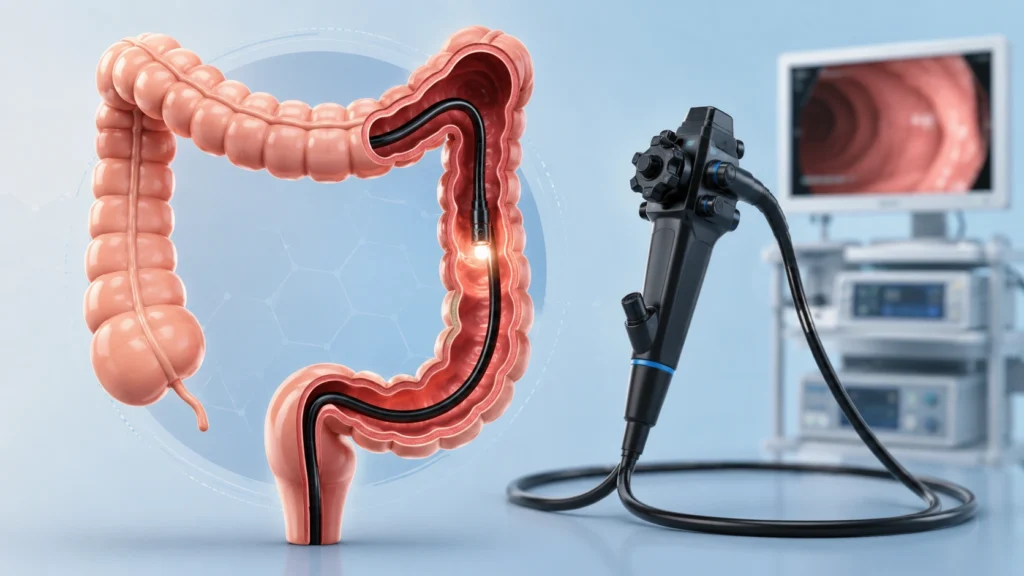
- Cystoscopy in selected cases to look inside the bladder.
- Urodynamic testing in complex cases to assess bladder function.
- Blood tests for sugar and kidney function if indicated.
Why diagnosis matters: Many conditions can cause similar symptoms, such as urinary tract infection, bladder stones, prostate enlargement, diabetes, or neurological disease. Accurate diagnosis ensures the patient gets the right treatment rather than only symptom relief.
Treatment for Overactive Bladder
Treatment depends on the severity of symptoms, underlying causes, and patient preference. Many people improve with lifestyle changes and bladder training. Others may need medicines or procedures.
1. Lifestyle changes
Simple changes can reduce symptoms significantly.
- Reduce caffeine, alcohol, and carbonated drinks.
- Avoid bladder irritants such as spicy food, citrus, and artificial sweeteners.
- Maintain a healthy weight to reduce pressure on the bladder.
- Manage constipation with fiber and fluids.
- Spread fluid intake evenly through the day.
- Limit fluids two to three hours before bedtime.
2. Bladder training
Bladder training helps increase the time between urination and improve control.
- Set a schedule for passing urine at fixed intervals.
- Gradually increase the time between visits to the toilet.
- Use relaxation techniques when urgency occurs.
- Practice delaying urination by a few minutes when the urge arises.
- Keep a bladder diary to track progress.
3. Pelvic floor exercises
Pelvic floor muscles support the bladder and urethra. Strengthening them can improve control.
- Identify the correct muscles by stopping urine flow midstream once for practice.
- Contract pelvic floor muscles for a few seconds, then relax.
- Repeat several times a day in sets.
- Continue for at least six to eight weeks to see benefit.
- A physiotherapist can guide proper technique if needed.
4. Medicines
Medicines can help relax the bladder muscle and reduce urgency.
- Anticholinergic medicines reduce bladder contractions.
- Beta-3 agonist medicines help the bladder hold more urine.
- Medicines may take a few weeks to show full effect.
- Side effects may include dry mouth, constipation, or blurred vision.
- The doctor will choose the medicine based on patient profile and other conditions.
5. Procedures for selected patients
If medicines and lifestyle changes are not enough, other options may be considered.
- Bladder injections with botulinum toxin to relax the bladder muscle.
- Nerve stimulation therapy to improve bladder control signals.
- Percutaneous tibial nerve stimulation in selected cases.
- Surgery is rarely needed and reserved for severe, refractory cases.
6. Treatment of underlying conditions
Treating related problems can improve overactive bladder symptoms.
- Managing diabetes to reduce nerve-related bladder issues.
- Treating enlarged prostate in men with appropriate therapy.
- Addressing constipation to reduce bladder pressure.
- Treating urinary tract infections promptly.
- Reviewing and adjusting medicines that may worsen symptoms.
Home Care and Self-Management
Many patients can manage symptoms effectively with consistent self-care.
Helpful self-management pointers
- Keep a bladder diary to identify patterns and triggers.
- Plan toilet breaks before going out or attending meetings.
- Wear easy-to-remove clothing to reduce stress when urgency occurs.
- Use protective pads if leakage is a concern.
- Practice pelvic floor exercises daily.
- Avoid holding urine for very long periods.
- Stay hydrated but spread fluids wisely through the day.
Practical tips for daily life
- Map out toilet locations when traveling or in new places.
- Choose aisle seats in meetings, flights, or events for easy access.
- Limit caffeine and alcohol, especially in the evening.
- Empty the bladder before leaving home or before long activities.
- Use a night light to reduce fall risk during night-time urination.
Diet Advice for Overactive Bladder
Diet plays an important role in managing symptoms.
Foods and drinks to limit
- Caffeine from tea, coffee, and energy drinks.
- Alcohol, especially in the evening.
- Carbonated or fizzy drinks.
- Spicy and acidic foods.
- Citrus fruits and juices in large amounts.
- Artificial sweeteners and sugary drinks.
- Very salty foods that increase thirst and fluid intake.
Foods and habits that may help
- Water in moderate amounts spread through the day.
- Fiber-rich foods to prevent constipation.
- Balanced meals with adequate protein and vegetables.
- Herbal teas that are caffeine-free if tolerated.
- Small, frequent meals rather than large heavy meals.
Important dietary points
- Do not reduce fluids too much, as concentrated urine can irritate the bladder.
- Identify personal triggers and adjust accordingly.
- Work with a doctor or dietitian if unsure about safe food choices.
Possible Complications of Overactive Bladder
Untreated or poorly managed overactive bladder can lead to several complications.
Possible complications include:
- Sleep disturbance due to frequent night-time urination.
- Increased risk of falls and fractures, especially in older adults.
- Skin irritation or infection from frequent leakage.
- Social isolation and reduced participation in activities.
- Anxiety, depression, or reduced self-confidence.
- Relationship strain due to embarrassment or sleep disruption.
- Dehydration from excessive fluid restriction.
- Urinary tract infections due to incomplete emptying or hygiene issues.
Why complications happen: When symptoms are not managed, patients may adopt unhealthy coping strategies such as extreme fluid restriction or avoiding social activities. Leakage and frequent urgency can also affect skin health and emotional well-being. Early treatment helps prevent these issues.
When Should You See a Doctor?
Medical evaluation is important if symptoms are persistent or affecting quality of life.
- Sudden, strong urgency that is hard to control.
- Frequent urination that disrupts daily routine.
- Waking up two or more times at night to pass urine.
- Urine leakage before reaching the toilet.
- Symptoms that do not improve with lifestyle changes.
- Pain, burning, or blood in urine.
- Fever, back pain, or chills along with urinary symptoms.
- Weak urine stream or difficulty starting urination.
Prevention of Overactive Bladder
Not all cases can be prevented, but risk can be reduced.
- Maintain a healthy weight.
- Limit caffeine and alcohol intake.
- Stay physically active to support pelvic floor and overall health.
- Treat constipation early with fiber and fluids.
- Practice good toilet habits and avoid holding urine for too long.
- Manage chronic conditions such as diabetes and hypertension.
- Do pelvic floor exercises regularly, especially after childbirth.
- Seek early treatment for urinary tract infections.
Why Choose Rama Hospital for Overactive Bladder Treatment?
Overactive bladder is a common but often underdiagnosed condition. Many patients suffer in silence for years before seeking help. A hospital with experienced urologists, proper diagnostic tools, and a patient-friendly approach can make a major difference in outcomes.
- Accurate diagnosis to rule out infection, stones, or other causes.
- Personalized treatment plan based on symptoms and lifestyle.
- Access to pelvic floor therapy and bladder training support.
- Safe use of medicines with proper monitoring.
- Advanced procedures for selected patients who need them.
- Long-term follow-up to adjust treatment and prevent relapse.
Frequently Asked Questions (FAQs)
Is overactive bladder common?
Yes, overactive bladder is very common, especially in older adults. It affects both men and women, though women are more commonly diagnosed. Many people do not report it due to embarrassment, so the actual number may be higher.
Can overactive bladder be cured?
Overactive bladder can often be managed very well with lifestyle changes, bladder training, and medicines. Some people achieve long-term control, while others need ongoing treatment. The goal is to reduce symptoms and improve quality of life.
Does overactive bladder mean I have a weak bladder?
Not necessarily. Overactive bladder is more about bladder muscle and nerve signals than weakness. The bladder may contract at the wrong time, causing urgency. Strengthening pelvic floor muscles can still help improve control.
Can stress cause overactive bladder?
Stress does not directly cause overactive bladder, but it can worsen symptoms. Anxiety about finding a toilet can increase urgency. Stress management and relaxation techniques may help reduce symptom severity.
Is surgery needed for overactive bladder?
Surgery is rarely needed for overactive bladder. Most patients improve with lifestyle changes, bladder training, and medicines. Procedures such as bladder injections or nerve stimulation are considered only for selected cases.
Can overactive bladder lead to kidney problems?
Overactive bladder itself does not usually damage the kidneys. However, if there is incomplete emptying or recurrent infections, kidney risk may increase. Proper evaluation and treatment help prevent complications.
How long does treatment take to show results?
Many people notice improvement within a few weeks of starting treatment. Bladder training and pelvic floor exercises may take six to eight weeks to show full benefit. Medicines may take a few weeks to reach maximum effect.
Conclusion
Overactive bladder is a common, treatable condition that affects daily life, sleep, and self-confidence. It is not just a normal part of aging, and patients do not have to suffer in silence. With the right diagnosis, lifestyle changes, bladder training, and medical treatment, most people can achieve significant improvement.
The most important steps are recognizing symptoms early, seeking proper evaluation, and following a structured management plan. For patients with frequent urgency, night-time urination, or leakage, a medical consultation can make a major difference. With consistent care and support, overactive bladder can be managed effectively, allowing patients to regain control and improve quality of life.
Rama Hospital can help evaluate overactive bladder symptoms, identify underlying causes, and provide a clear treatment plan that supports bladder control, better sleep, and improved daily functioning.