Most people have felt acid reflux at some point in life.
It may happen after a heavy meal, spicy food, late-night eating, or lying down too soon after dinner. In many cases, the burning sensation in the chest or sour fluid rising into the throat goes away on its own. But when this problem becomes frequent, persistent, and starts affecting daily life, it may be a condition called Gastroesophageal Reflux Disease, commonly known as GERD or acid reflux.
GERD is one of the most common digestive problems seen in adults. Some people only experience mild heartburn, while others have chronic symptoms such as throat irritation, cough, chest discomfort, difficulty swallowing, nausea, bloating, or disturbed sleep. If left untreated, long-term reflux can damage the food pipe, cause inflammation, and in some cases lead to more serious complications.
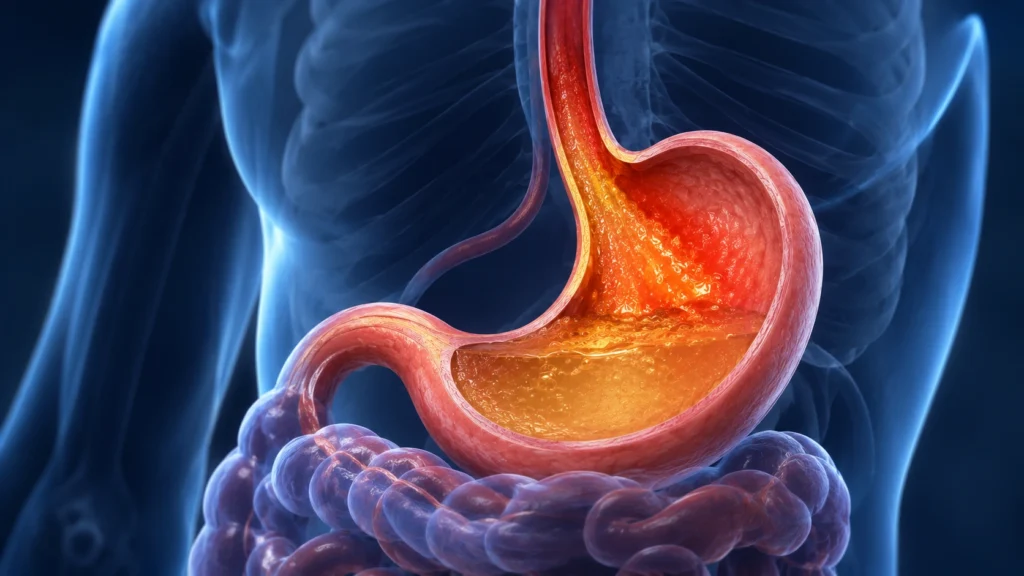
Gastroesophageal Reflux Disease, or GERD, is a condition in which the contents of the stomach flow back into the food pipe, also called the esophagus. This happens when the lower esophageal sphincter, which is the muscle ring between the esophagus and stomach, does not close properly or becomes weak.
Normally, this muscle acts like a valve. It opens to let food pass into the stomach and then closes to prevent acid from moving back upward. In GERD, that protective mechanism fails, allowing acid, digestive juices, and sometimes food to travel upward into the esophagus. This backward flow causes irritation and inflammation.
Acid reflux is the movement of stomach acid upward. GERD is the chronic or frequent form of reflux that causes symptoms or complications. That is why not every episode of heartburn is GERD, but repeated reflux symptoms often are.
GERD can affect people of different ages, although it is more common in adults. In some patients, it is mild and manageable with diet changes. In others, it can be long-lasting and needs proper medical treatment.
A single episode of acidity after overeating is not the same as GERD.
Occasional acid reflux may happen because of:
GERD is different because:
If symptoms happen frequently, especially more than twice a week, the possibility of GERD should be considered.
GERD develops when the anti-reflux barrier between the stomach and esophagus does not work properly. Several factors can contribute to this.
The lower esophageal sphincter may become weak, relax too often, or remain open when it should stay closed. In some people, the stomach may empty slowly, increasing pressure and making reflux more likely. In others, excess abdominal pressure from obesity, pregnancy, bloating, or a hiatal hernia can worsen reflux.
The condition is not always caused by one single reason. Often, it develops because of a combination of lifestyle, anatomy, and digestive function.
GERD can happen for many reasons, and many patients have more than one trigger.
Common causes and risk factors include:
Certain medicines can make reflux worse in some patients, including some painkillers, muscle relaxants, and drugs that affect the stomach or esophageal muscles. A doctor may review the medicine list if reflux is persistent. People who have a family history of reflux, obesity, chronic cough, asthma, or digestive disorders may also be more likely to develop symptoms.
GERD can look different from person to person. Some patients mainly feel heartburn, while others have throat or chest symptoms rather than classic acidity.
Some patients do not realize that their chronic cough, throat irritation, or voice changes are related to acid reflux. This is especially common when reflux reaches the throat area. These signs need medical evaluation.
Some people with GERD do not feel strong heartburn but still have acid reaching the throat. This is sometimes called silent reflux or laryngopharyngeal reflux.
Because these symptoms do not always look like classic acidity, patients may first see an ENT doctor or assume it is a throat problem. In reality, reflux may be the underlying cause.
Symptoms may include:
GERD is common in adults, but it can also affect younger people and older adults.
In children and infants, reflux may look different and needs separate evaluation. In adults, recurring symptoms should not be ignored.
In younger adults, it is often linked to:
In older adults, reflux may be linked to:
Diagnosis usually starts with symptoms, medical history, and response to treatment. In many patients, a doctor may diagnose GERD based on the pattern of symptoms alone. If symptoms are frequent, severe, or not improving, further tests may be needed.
Endoscopy: Endoscopy is a test in which a thin flexible tube with a camera is passed into the food pipe and stomach. It helps the doctor see irritation, inflammation, ulcers, narrowing, or other abnormalities.
pH testing: This test measures how often acid enters the esophagus. It is useful when symptoms are unclear or when reflux needs to be confirmed more precisely.
When acid reflux happens repeatedly, it can lead to complications over time.
Barrett’s esophagus is a condition in which the lining of the esophagus changes because of long-term acid exposure. This does not happen in every patient, but it is one reason chronic GERD should be properly monitored.
Possible complications include:
GERD treatment aims to reduce acid exposure, relieve symptoms, heal the esophagus if it is irritated, and prevent complications. Treatment usually includes lifestyle changes, medicines, and in some cases procedures or surgery.
Lifestyle changes are a major part of reflux control and often make a real difference. These changes may not cure GERD on their own, but they often reduce symptom frequency and improve medicine response.
Helpful changes include:
Medicines are often used to reduce acid production and protect the esophagus. PPIs are commonly used when reflux symptoms are frequent or when the esophagus is inflamed. They help reduce acid production and allow healing. Medicines should be taken as prescribed. Some people stop treatment too early when symptoms improve, but symptoms can return if the underlying reflux tendency remains active.
Common categories include:
If GERD is linked to another issue, that condition may also need treatment.
This may include:
In some patients, medicines are not enough, or long-term medication is not the best option. If reflux is severe or associated with anatomical problems, procedure-based treatment may be advised. These options are generally considered when symptoms are severe, persistent, or complicated, and when specialist evaluation confirms that surgery may be helpful.
Surgical or procedural options may include:
Many patients notice that certain foods make symptoms worse.
Not every trigger affects every person. Some patients are sensitive to only one or two foods, while others react to several. A symptom diary can help identify the main triggers.
Common triggers include:
If symptoms continue despite these steps, medical treatment is needed. A few practical habits can make a noticeable difference:
Night-time reflux is common and often more distressing than daytime reflux. When a person lies down, acid can move upward more easily, especially if the stomach is full. Poor sleep can make the next day feel worse, so treating night reflux is important for overall wellbeing.
Night reflux may cause:
To reduce night symptoms:
GERD can sometimes cause chest discomfort that feels similar to heart-related pain. This can be confusing and worrying. However, chest pain should never be assumed to be GERD without proper assessment, especially if it is severe, sudden, or associated with sweating, breathlessness, or arm pain. In such cases, immediate medical evaluation is important.
Acid reflux chest pain is often:
Acid reflux is common during pregnancy. Hormonal changes and pressure from the growing uterus can make reflux symptoms worse. Management during pregnancy usually focuses on dietary changes, safe lifestyle measures, and medicines only if recommended by a doctor. Self-medication should be avoided during pregnancy.
Pregnant women may experience:
You should seek medical care if:
GERD is common, but not every case is simple. Some patients improve quickly, while others need detailed evaluation to find the exact cause of symptoms and the best long-term plan. The right treatment should not only reduce acidity but also improve daily comfort, sleep, eating, and long-term digestive health.
At Rama Hospital, patients can benefit from:
GERD stands for Gastroesophageal Reflux Disease. It is a condition in which stomach acid frequently flows back into the esophagus and causes symptoms such as heartburn, regurgitation, and chest burning.
Not always. Acid reflux can happen occasionally, while GERD is the chronic or frequent form that causes regular symptoms or complications. If reflux happens again and again, it may be GERD.
The most common symptoms are heartburn, sour taste in the mouth, regurgitation, chest burning, and discomfort after eating. Some people also get cough, throat irritation, or hoarseness.
GERD can often be well controlled, but treatment depends on the cause and severity. Many patients improve with lifestyle changes and medicines, while some need longer-term care or procedures.
GERD is usually not dangerous at first, but if left untreated for a long time, it can cause inflammation, swallowing problems, or damage to the food pipe. That is why persistent symptoms should not be ignored.
Common trigger foods include spicy meals, fried food, caffeine, chocolate, mint, alcohol, and carbonated drinks. However, triggers vary from person to person, so it helps to watch what worsens your own symptoms.
Stress may not directly cause GERD, but it can make symptoms feel worse and may affect eating habits, sleep, and digestion. Many patients notice more discomfort during stressful periods.
If symptoms happen frequently, disturb sleep, do not improve with basic measures, or include difficulty swallowing, vomiting, bleeding, or weight loss, you should see a doctor. Ongoing reflux should always be properly assessed.
Gastroesophageal Reflux Disease, or GERD, is more than just occasional acidity. It is a chronic digestive condition that can affect eating, sleep, comfort, and quality of life when it happens repeatedly. While many people manage mild reflux with lifestyle changes, persistent symptoms may need medical evaluation and treatment.
The good news is that GERD can usually be controlled well when diagnosed correctly. With the right combination of food habits, medicine, and specialist care, many patients get significant relief and avoid long-term complications.
If acid reflux is becoming a regular problem, it is better to address it early rather than wait for symptoms to worsen. Proper treatment can help you eat comfortably, sleep better, and protect your digestive health over time.
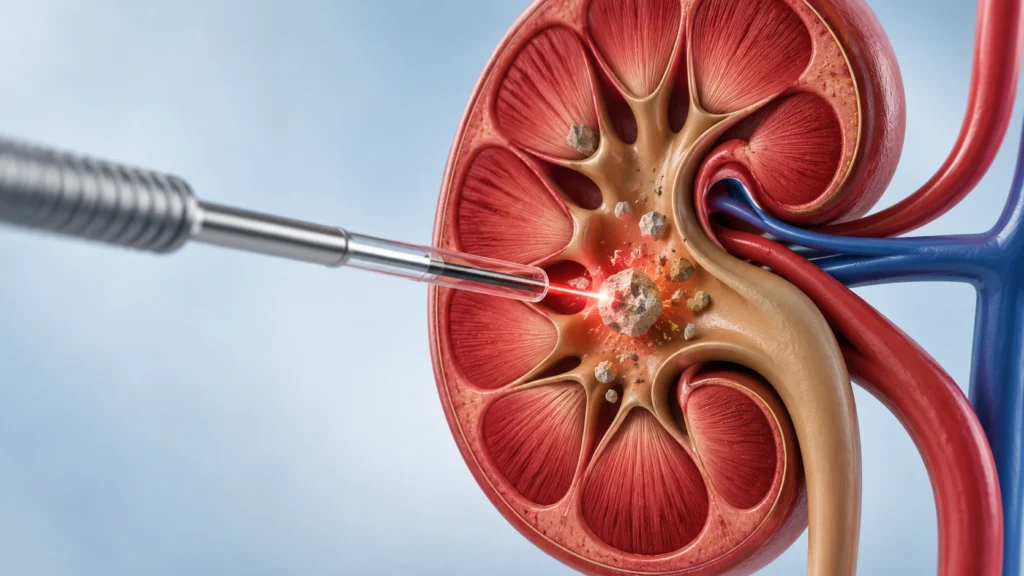

Gastroesophageal reflux disease happens when stomach acid flows back up into the esophagus and causes heartburn.
Acid reflux is when acid from your stomach moves up into your esophagus and even your throat.
No rows found.