
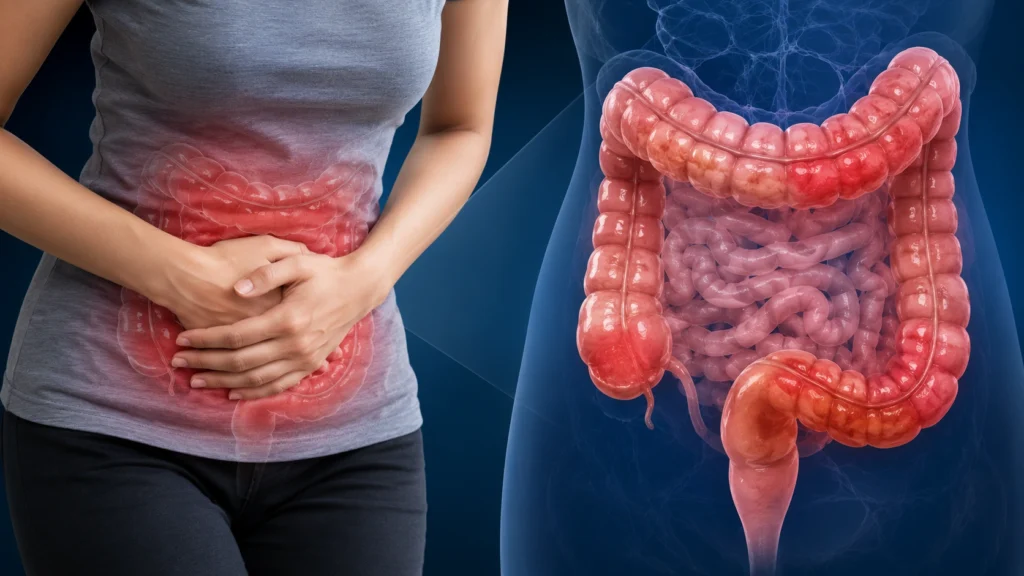
Most people think of stomach problems as something temporary.
A little bloating after a heavy meal. Some loose motions after eating outside. A few days of constipation because of stress or travel. In many cases, these symptoms settle on their own. But when abdominal pain, bloating, gas, diarrhea, constipation, and discomfort keep coming back again and again, the problem may be something more persistent. One of the most common causes is Irritable Bowel Syndrome, also called IBS.
IBS is a long-term functional disorder of the digestive system. It affects how the gut works, but it does not usually cause visible damage to the intestines. That is one of the reasons it can be confusing for patients. The tests may look normal, yet the symptoms are very real and can strongly affect daily life, work, eating habits, travel, sleep, and emotional well-being.
Many people with IBS spend months or even years searching for answers. They try home remedies, change diets, avoid social events, and worry that something serious is being missed. In some cases, the symptoms are mistaken for acidity, infection, food intolerance, or stress alone. While stress may worsen IBS, it is not “just in the mind.” It is a real medical condition that needs proper understanding and management.
Irritable Bowel Syndrome is a chronic digestive condition that affects the large intestine, also called the colon. It is considered a functional gastrointestinal disorder, which means the bowel may not be structurally damaged, but its movement, sensitivity, and communication with the brain do not work normally.
In IBS, the bowel may contract too fast, too slowly, or unpredictably. The gut may become more sensitive to gas, stretching, and certain foods. This can lead to abdominal pain, bloating, diarrhea, constipation, or a mix of both. The condition often comes and goes, with periods of flare-ups and periods when symptoms improve.
IBS is common across the world and affects both men and women, though women are often diagnosed more frequently. It can begin at almost any age, but many people notice symptoms during adolescence, early adulthood, or middle age. It is not a life-threatening disease, but it can significantly affect comfort, confidence, and day-to-day functioning.
Important points about IBS:
IBS does not look the same in every person. Some people mainly have diarrhea, some mainly have constipation, and others shift between both. Understanding the type helps guide treatment.
This form is called IBS-D. Patients usually have frequent loose stools, urgency, cramping, and a feeling that they need to pass stool suddenly. They may feel anxious about leaving home because symptoms can come unexpectedly.
This form is called IBS-C. Patients may have hard stools, infrequent bowel movements, straining, incomplete evacuation, bloating, and abdominal discomfort. Constipation may be the main issue, but pain and gas often happen too.
This is called IBS-M. Patients alternate between diarrhea and constipation. Stool pattern can change from day to day or even within the same week. This type can be frustrating because it is harder to predict.
Some patients have symptoms of IBS that do not fit clearly into one category. Their bowel pattern may vary or may not be consistent enough to classify. Even then, the condition can still be managed based on the dominant symptoms.
Important note:
The exact cause of IBS is not fully known, but it is believed to result from a combination of gut sensitivity, bowel movement changes, brain-gut interaction problems, stress, diet, and sometimes a previous gut infection.
IBS is often described as a disorder of the brain-gut axis. This means the brain and the digestive tract communicate constantly, and when this communication becomes overly sensitive or disrupted, symptoms can appear or worsen. A person may feel pain more strongly, have more intestinal spasm, or develop bowel changes after food or stress. This does not mean symptoms are imaginary. It means the gut is reacting more intensely than usual.
IBS does not have one single cause. Instead, several factors can increase the chance of developing it or make symptoms worse. It is important to understand that triggers differ from person to person. What worsens symptoms in one patient may not affect another. Keeping a symptom and food record can help identify personal patterns.
IBS can look different from person to person, but there are some common features. The most important symptom is usually abdominal pain or discomfort associated with bowel changes. These warning signs may require more tests to rule out other problems.
IBS is common, but some symptoms may suggest another condition and should not be ignored:
IBS is not just a “stomach problem.” It can affect routines, confidence, social life, and emotional health. Many patients feel frustrated because the condition is invisible to others. Friends and family may not understand why the patient is avoiding food or needing frequent bathroom breaks. For this reason, good education and reassurance are part of treatment.
IBS is usually diagnosed based on symptoms, medical history, and exclusion of warning conditions. It is not diagnosed by one single test alone.
Why tests are sometimes normal: In IBS, the bowel often looks normal on scans and tests. That does not mean the symptoms are not real. It simply means the problem is functional rather than visibly destructive. Diagnosis depends on symptom pattern and careful clinical assessment.
Food plays a major role in IBS. Some foods may trigger symptoms, while others may be easier to digest. Since each patient is different, the goal is usually to identify personal triggers rather than follow random restrictions.
Irritable bowel syndrome and fiber: Fiber can help some patients, especially those with constipation, but the wrong kind or too much too quickly may increase bloating. Soluble fiber is often better tolerated than rough insoluble fiber in many IBS patients.
There is no single cure for IBS, but symptoms can often be controlled very effectively with the right combination of lifestyle changes, diet, medicines, and stress management.
Diet is often the first and most important part of treatment.
Medicines may be used based on whether diarrhea, constipation, or pain is the main issue.
For diarrhea-predominant IBS:
For constipation-predominant IBS:
For abdominal pain and cramping:
Stress does not “cause” IBS by itself in every person, but it can worsen symptoms strongly. This is why stress management is a real part of treatment.
Helpful approaches may include:
Some patients benefit from probiotics, especially when bloating or altered bowel habits are prominent. Results are mixed, so not every patient responds. They are usually considered supportive rather than main treatment.
IBS often needs ongoing follow-up. Treatment may need adjustment over time depending on symptom pattern, stress level, diet tolerance, and life routine.
Living with IBS becomes easier when the condition is understood and managed systematically. Patients do best when they know their triggers, follow a practical diet, take medicines correctly, and do not ignore stress or sleep issues.
Emotional impact of IBS: Many patients feel embarrassed or anxious about gut symptoms. Some worry they have cancer or a severe illness even after tests are normal. Proper explanation is important because reassurance alone is not enough; the patient needs a clear plan.
You should seek medical advice if:
IBS does not usually damage the intestines or become cancer. But it can still create major problems in daily life if not managed well. The main risk is not bowel destruction, but long-term disruption of physical comfort and emotional well-being.
Patients with IBS often need more than a brief consultation. They need careful history-taking, proper exclusion of serious conditions, personalized diet and medicine advice, and follow-up support. A patient-centered hospital approach can make IBS more manageable and less stressful.
IBS is usually not dangerous and does not typically damage the bowel. However, it can seriously affect comfort and quality of life, so it should still be treated properly.
IBS usually cannot be “cured” in a simple sense, but symptoms can often be controlled very well. Many patients live normally with the right diet, medicines, and lifestyle support.
Stress does not always cause IBS, but it can make symptoms worse. The gut and brain are closely linked, so emotional strain often affects bowel function.
Yes, food is a major trigger for many patients. Spicy meals, fatty foods, caffeine, dairy, and certain carbohydrates may worsen symptoms in sensitive individuals.
No, IBS is different from acidity. IBS mainly affects bowel movement, pain, bloating, diarrhea, and constipation, while acidity is more related to the stomach and upper digestive tract.
Not always. Many patients can be diagnosed by symptoms and examination alone. A colonoscopy may be advised if warning signs such as bleeding, weight loss, anemia, or age-related risk are present.
IBS can change over time, but age alone does not define it. If new digestive symptoms begin later in life, doctors usually investigate carefully to rule out other causes.
IBS usually does not cause major weight loss. If weight loss is happening, it is important to look for another condition because that is not typical IBS behavior.
Yes, very much so. Frequent pain, urgent bowel movements, bloating, and food anxiety can affect productivity, travel, and social confidence. Good treatment can improve this significantly.
Irritable Bowel Syndrome is a common but often misunderstood digestive condition. It can cause abdominal pain, bloating, diarrhea, constipation, and repeated discomfort that affects day-to-day life. Even though tests may be normal, the symptoms are real and deserve proper care.
The good news is that IBS can usually be managed well. With the right diagnosis, dietary guidance, medicines when needed, stress management, and follow-up care, most patients can achieve meaningful relief and regain control over their routine.
For patients and families, the most important step is not to ignore ongoing digestive symptoms or keep treating them as a temporary issue. A structured medical evaluation helps confirm IBS, rule out more serious conditions, and create a plan that fits the patient’s lifestyle and symptom pattern.
At Rama Hospital, the focus should be on clear diagnosis, practical treatment, and long-term support so patients can live more comfortably with IBS.
Irritable bowel syndrome, or IBS, causes uncomfortable or painful abdominal symptoms. Constipation, diarrhea, gas and bloating are all common symptoms of IBS.
No rows found.