Limb deformities are changes in the normal shape, alignment, length, or function of the arms or legs. They may affect the bones, joints, muscles, or surrounding soft tissues, and they can be present at birth or develop later in life due to injury, infection, illness, growth problems, or bone disorders. Some limb deformities are mild and barely noticeable, while others can significantly affect walking, posture, balance, daily activities, and quality of life.
For children, limb deformities can become especially concerning because bones are still growing. A small alignment problem in early life may worsen with age if not treated properly. In adults, limb deformities may develop after fractures, arthritis, infections, or long-standing untreated structural issues. In both children and adults, the condition can affect confidence, mobility, independence, and long-term joint health.
The good news is that many limb deformities can be evaluated early and treated successfully. Depending on the cause and severity, treatment may include observation, physiotherapy, splints, braces, medications, shoe modifications, guided growth procedures, corrective osteotomy, limb lengthening, or reconstructive surgery. The right treatment depends on whether the deformity is caused by bone alignment, joint involvement, growth disturbance, muscle imbalance, or a congenital condition.
What are limb deformities?
Limb deformities are structural abnormalities in the arms or legs that cause the limb to appear bent, twisted, shortened, angulated, uneven, or otherwise different from normal anatomy. These changes may involve the upper limb, lower limb, one side of the body, or both sides. In some people, the deformity is visible at birth. In others, it becomes obvious later as the child grows or after an injury, infection, or disease.
Limb deformities are not a single disease. They are a group of conditions with many possible causes. A deformity may involve:
- Bone shape or alignment.
- Joint position or stability.
- Differences in limb length.
- Growth plate damage.
- Muscle tightness or imbalance.
- Neurological conditions affecting movement.
- Congenital bone or joint abnormalities.
Some deformities only affect appearance. Others affect function and may make it difficult to walk, run, hold objects, or perform routine tasks. In children, deformities may interfere with development and physical activity. In adults, they may lead to pain, limping, uneven wear on joints, or secondary arthritis.
Types of limb deformities
Limb deformities can be classified in different ways depending on the body part involved, the direction of the deformity, and the underlying cause.
- Congenital limb deformities: These are present at birth and often arise due to abnormal fetal development. Examples include missing bones, shortened limbs, clubfoot, bowed legs, hand differences, or abnormal joint formation. Some congenital deformities are isolated, while others are part of a syndrome.
- Acquired limb deformities: These develop after birth due to trauma, infection, bone disease, developmental problems, tumors, or untreated fractures. A child may be born normal but later develop a deformity as growth continues.
- Angular deformities: These occur when the limb bends abnormally in a specific direction. Common examples include: bow legs, knock knees, outward or inward angulation of the arm or leg, deformities after fracture healing.
- Rotational deformities: These involve abnormal twisting of the bone. A child may walk with the feet pointing inward or outward due to rotation in the femur or tibia. Rotational deformities are sometimes subtle but can affect gait significantly.
- Length deformities: These occur when one limb is longer or shorter than the other. Limb length discrepancy may involve the arms or legs, though leg length difference is more common and more likely to affect walking and posture.
- Joint-related deformities: These happen when the joint itself is abnormally shaped, unstable, stiff, or displaced. They may be seen in conditions like developmental dysplasia, clubfoot, or post-traumatic deformity.
- Combined deformities: Many patients have more than one problem at the same time, such as shortening with angulation, twisting with joint stiffness, or deformity with muscle imbalance. These cases usually need detailed assessment and individualized treatment planning.
Causes of limb deformities
Limb deformities can happen for many reasons. Identifying the root cause is essential because the treatment plan depends on it.
Congenital causes
Some children are born with limb deformities due to problems during early development in the womb. These may be related to:
- Genetic disorders.
- Chromosomal abnormalities.
- Abnormal bone formation.
- Amniotic band syndrome.
- Vascular disruption during fetal development.
- Syndromic conditions affecting the skeleton.
Growth plate injury
The growth plate is the part of the bone responsible for lengthening in children. Injury, infection, or repeated stress to the growth plate can cause one side of the bone to grow more slowly than the other, leading to deformity or shortening.
Fractures and trauma
Incorrectly healed fractures can lead to angulation, shortening, or rotation. This is more common if a fracture was not aligned properly or if a bone was badly damaged in an accident.
Infection
Bone infection, or osteomyelitis, can damage the growth plate or bone structure and cause deformity over time. In children, infection can interfere with normal bone growth.
Nutritional deficiencies
Severe deficiency of vitamin D, calcium, or other nutrients can affect bone strength and shape. In growing children, this may result in bowing of the legs or delayed skeletal development.
Metabolic and bone disorders
Conditions affecting bone metabolism can lead to deformities. These include:
- Rickets.
- Osteogenesis imperfecta.
- Blount disease.
- Skeletal dysplasias.
- Endocrine disorders that affect bone growth.
Neuromuscular conditions
Diseases affecting nerves or muscles can create imbalance around the joints. This imbalance can slowly pull the bones into abnormal positions. Examples include cerebral palsy and certain muscular disorders.
Arthritis and joint disease
Long-standing arthritis can destroy joint surfaces and lead to deformity, especially in adults. The body may compensate by changing posture or gait, which may worsen the problem.
Tumors or bone lesions
Certain benign or malignant bone lesions can weaken the bone, change its shape, or lead to deformity as the bone grows or heals.
Untreated deformity during childhood
Some deformities worsen with age if they are not recognized early. As the child grows, the deformity may become more noticeable and may start affecting function.
Common limb deformities
Different limb deformities affect different parts of the body and can present in different ways.
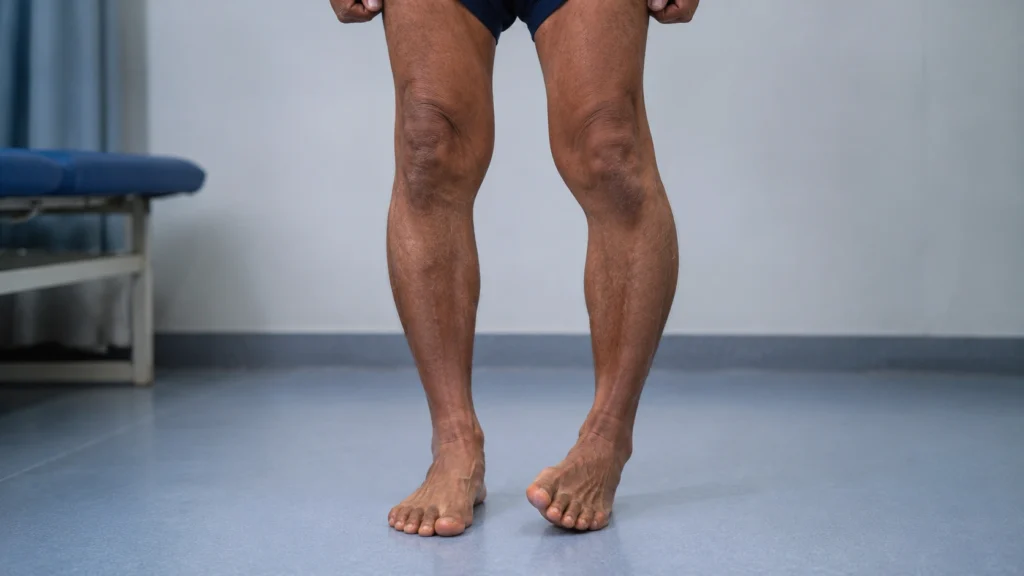
- Bow legs: In bow legs, the knees stay apart even when the ankles are together. The legs curve outward. This may be normal in very young children, but persistent or worsening bowing can indicate a problem such as rickets, Blount disease, or growth disturbance.
- Knock knees: In knock knees, the knees come inward and touch while the ankles remain apart. Mild knock knees may be part of normal growth, but severe or persistent deformity may need evaluation.
- Limb length discrepancy: This means one arm or leg is longer or shorter than the other. Small differences may not cause major problems, but larger differences can lead to limping, back pain, pelvic tilt, or uneven gait.
- Clubfoot: Clubfoot is a congenital foot deformity in which the foot is turned inward and downward. It may be mild or severe and typically requires early treatment.
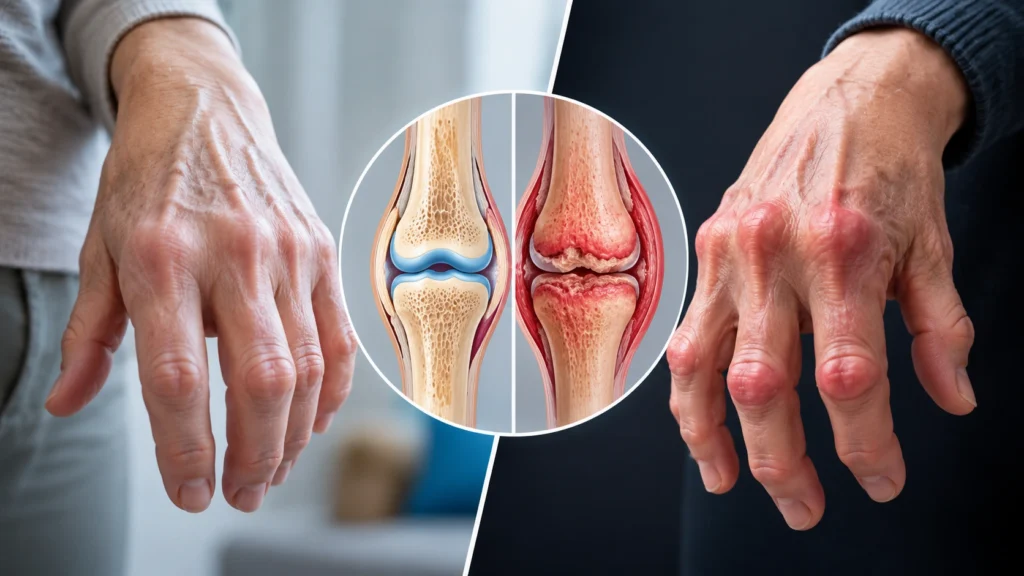
- Hand and finger deformities: These may involve missing fingers, extra digits, curved fingers, webbing, joint stiffness, or hand alignment problems. Some are congenital and others are acquired after trauma or disease.
- Post-traumatic deformities: A deformity after injury may involve shortening, bending, twisting, or joint stiffness after a fracture heals in the wrong position.
- Angular limb deformities: These include visible bending of the leg or arm at one point. The deformity may be caused by uneven growth, old injury, bone disease, or infection.
- Rotational deformities: These cause the foot, knee, or hand to point in an abnormal direction. Children may appear to walk awkwardly or trip often.
Symptoms of limb deformities
Symptoms vary depending on the type and severity of deformity. Some patients notice only an abnormal appearance, while others develop pain and difficulty moving.
Visible changes
- The limb looks bent, twisted, shorter, longer, or uneven.
- One leg may appear bowed or knock-kneed.
- The hand, wrist, foot, or arm may look misshapen.
- The child may walk with an abnormal posture.
Functional symptoms
- Difficulty walking or running.
- Frequent tripping or limping.
- Trouble balancing.
- Difficulty holding objects if the upper limb is involved.
- Reduced joint movement.
- Pain during activity or after standing.
Pain-related symptoms
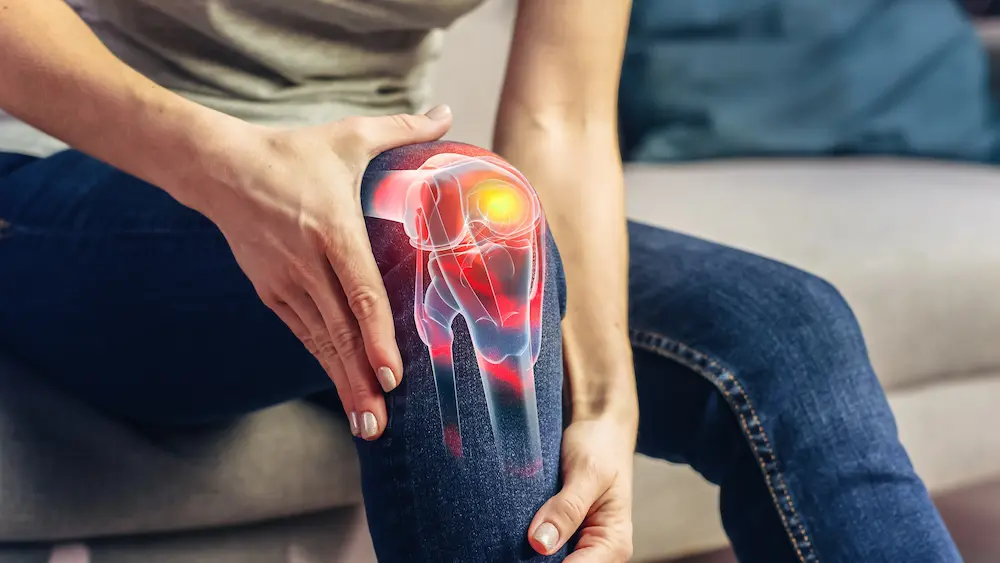
- Pain in the affected limb.
- Pain in nearby joints from compensation.
- Back pain or hip pain caused by uneven limb length.
- Fatigue after walking or standing.
Growth-related symptoms in children
- One side growing differently from the other.
- Deformity becoming more noticeable with time.
- Delayed walking or awkward gait.
- Difficulty keeping up with peers in physical activity.
Severe symptoms
- Joint stiffness.
- Muscle tightness.
- Severe limp.
- Shoe wear on one side only.
- Knee, hip, or ankle strain.
- Early arthritis due to poor alignment.
When should you see a doctor?
Medical evaluation should not be delayed if a limb deformity is noticed, especially in a child. Early assessment is important because treatment is often simpler and more effective during growth.
You should see an orthopaedic specialist if:
- A child’s legs appear bowed or knocked for longer than expected.
- One limb is clearly shorter than the other.
- A deformity seems to be getting worse.
- The child is limping, tripping, or avoiding activity.
- There is pain, swelling, or stiffness along with deformity.
- The deformity began after an injury.
- A foot, hand, or limb looked abnormal at birth.
- The deformity affects school, sports, or daily function.
How limb deformities are diagnosed?
Diagnosis begins with a detailed history and examination. The doctor will ask when the deformity started, whether it has changed over time, whether there was an injury, and whether the child has any developmental or growth concerns.
Clinical examination
The orthopaedic doctor will assess:
- Limb alignment.
- Range of motion.
- Gait and walking pattern.
- Limb length.
- Joint stability.
- Muscle strength.
- Presence of tenderness, swelling, or stiffness.
Imaging tests
X-rays are often the first and most important investigation. They show bone alignment, deformity angle, bone length, joint shape, and fracture healing.
Other tests may include:
- Standing alignment X-rays.
- Long-leg or full-limb films.
- CT scan for rotational deformity or complex bone shape.
- MRI when soft tissue, cartilage, or growth plate issues are suspected.
- Ultrasound in some pediatric cases.
- Bone age assessment in children.
- Blood tests if rickets, infection, inflammation, or metabolic disease is suspected.
Treatment options for limb deformities
Treatment depends on the age of the patient, the type of deformity, the degree of functional limitation, and the underlying cause. Not every limb deformity needs surgery. Some improve with growth, supportive care, or non-surgical treatment.
- Observation and monitoring: Mild deformities, especially in young children, may only need monitoring. Many children go through phases of normal developmental bowing or alignment changes that improve over time. The doctor may simply observe the child with periodic follow-up.
- Physiotherapy: Physiotherapy helps improve strength, movement, balance, and gait. It does not correct a bone deformity directly, but it can reduce stiffness, improve function, and support recovery after treatment. Physiotherapy may help with: muscle tightness, joint stiffness, gait training, post-operative recovery, balance and posture, functional adaptation.
- Braces and splints: Bracing may be useful in some children, especially when the deformity is mild or related to growth. Braces can help support the limb, improve alignment, or slow progression in selected conditions.
- Orthotic shoes and inserts: Shoe lifts, insoles, and orthotic modifications may help with limb length difference or foot alignment issues. These are often useful when the difference is small or when surgery is not immediately needed.
- Treating the underlying cause: If the deformity is caused by rickets, infection, endocrine disease, or another medical condition, treatment of the root cause is essential. Without this step, the deformity may continue to worsen.
- Guided growth: In growing children, guided growth can help correct angular deformities gradually. A small implant is placed near the growth plate to influence the direction of growth. This approach works well in selected patients with growth remaining.
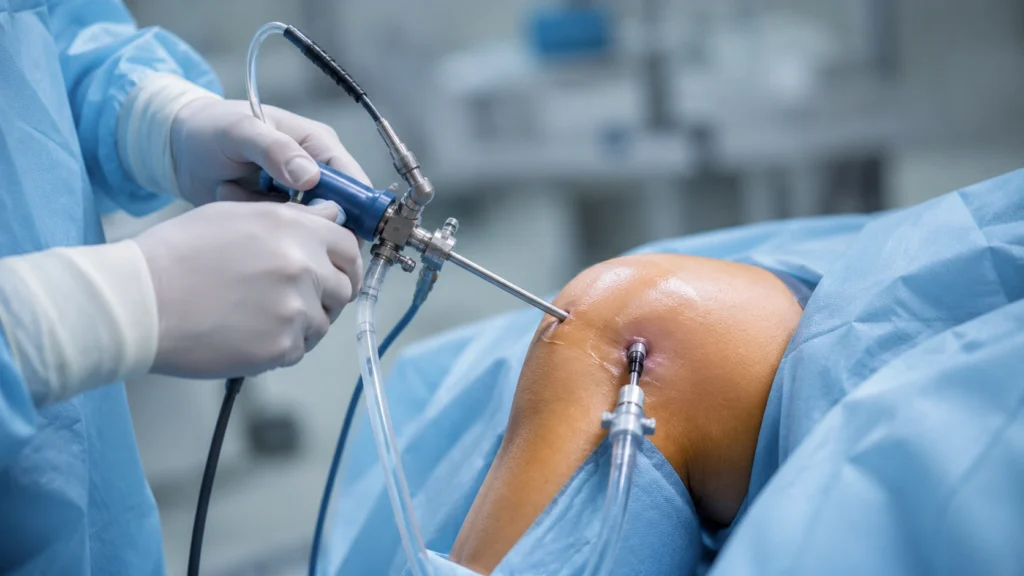
- Corrective osteotomy: This is a surgical procedure in which the bone is cut and realigned. It is often used when the deformity is significant, fixed, or affecting function. The bone may be stabilized with plates, screws, rods, or external fixation.
- Limb lengthening: If one limb is shorter than the other, limb lengthening procedures may be used. This is a specialized process that gradually increases bone length and may also correct deformity at the same time.
- External fixation: An external fixator is a frame outside the limb that helps control bone position during correction. It may be used for complex deformities, lengthening, or cases where gradual correction is safer.
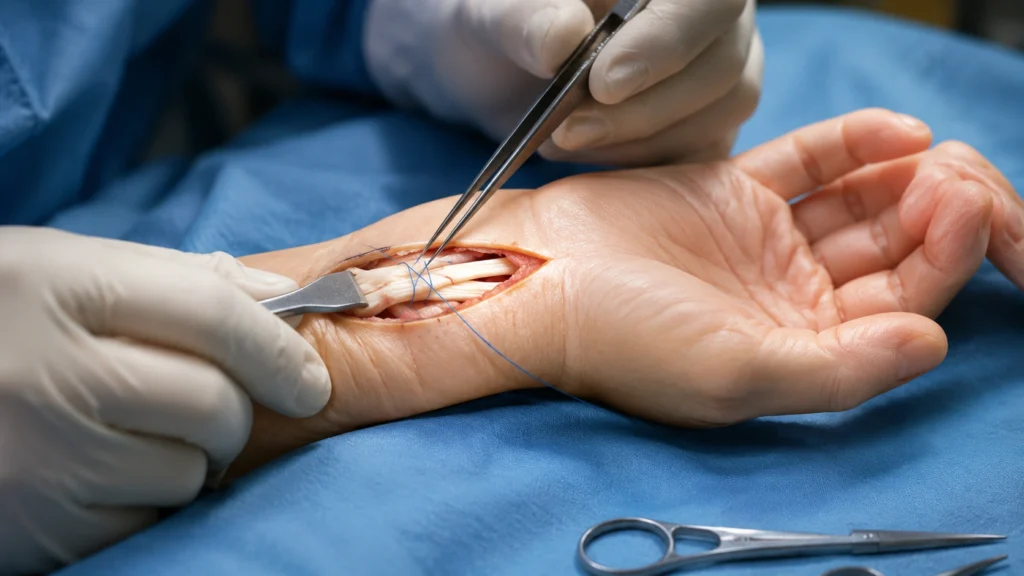
- Reconstructive surgery: In severe deformities, reconstructive surgery may be needed to improve both function and appearance. This may involve bone, joint, tendon, or soft tissue correction.
Treatment by age group
Treatment decisions differ between children and adults because growth plays a major role in children, while adults usually have fixed deformity.
In children
- Mild deformities may improve with growth.
- Guided growth may be an option if there is sufficient growth remaining.
- Bracing may be used in some conditions.
- Early diagnosis is important to prevent worsening.
- Surgery is planned carefully to protect future growth.
In adults
- Deformities are often more fixed.
- Correction may require osteotomy or reconstruction.
- Limb length differences may need shoe lifts or surgery.
- Arthritis may need joint-focused treatment.
- Rehabilitation is important after surgery.
Complications of untreated limb deformities
If limb deformities are not addressed, they may lead to long-term problems. In children, untreated deformities can affect development, physical confidence, and long-term mobility. In adults, chronic deformity may lead to arthritis or permanent functional limitation.
Possible complications include:
- Worsening deformity with growth.
- Pain in the affected limb.
- Difficulty walking or using the limb.
- Early wear and tear of nearby joints.
- Back or hip pain from compensatory posture.
- Frequent falls or poor balance.
- Reduced participation in school, work, or sports.
- Psychological distress or self-consciousness.
- Functional disability in severe cases.
Recovery and Rehabilitation after treatment
Recovery depends on the treatment used. Non-surgical management may involve gradual improvement over weeks or months. Surgical recovery may take longer and usually requires follow-up, physiotherapy, and activity modification. Family support is especially important for children recovering from corrective treatment. A child may need help with mobility, school routines, and confidence during rehabilitation.
Recovery support may include:
- Pain management.
- Wound care.
- Gradual return to walking or activity.
- Physiotherapy exercises.
- Repeat X-rays to monitor healing.
- Brace or splint use if prescribed.
- Long-term follow-up to watch for recurrence or growth-related issues.
Prevention and early detection
Not all limb deformities can be prevented, especially congenital ones. However, early diagnosis and prompt treatment can reduce severity and improve results. Early intervention often gives the best outcome, especially in growing children.
Helpful steps include:
- Ensuring proper nutrition in childhood.
- Treating vitamin deficiencies early.
- Seeking medical care after fractures.
- Monitoring children with developmental or skeletal concerns.
- Following up for any infection involving the bone or joints.
- Not ignoring persistent limp, asymmetry, or delayed walking.
- Getting orthopaedic review when growth-related deformity is noticed.
Why choose Rama Hospital for limb deformity treatment?
A condition page should also reassure patients that specialist care is available. Limb deformities often need a precise orthopaedic evaluation, careful imaging, and a customized treatment plan. For families, what matters most is accurate diagnosis, honest guidance, and a treatment plan that fits the patient’s age and needs. A hospital-based approach offers that continuity.
Patients may choose Rama Hospital for:
- Expert orthopaedic assessment.
- Child and adult deformity care.
- Support for fracture-related deformities.
- Physiotherapy and rehabilitation guidance.
- Corrective surgery and reconstructive procedures when needed.
- Multidisciplinary management for complex cases.
- Care focused on function, growth, and long-term results.
Frequently Asked Questions (FAQs)
Are limb deformities always present at birth?
No, limb deformities can be congenital or acquired. Some are seen at birth, while others develop later due to injury, infection, growth problems, or bone disease. A deformity that appears later should still be evaluated carefully.
Can mild limb deformities go away on their own?
Some mild alignment changes in young children improve naturally as they grow. However, not every deformity is normal, so it should not be assumed that it will correct itself without assessment. If it is worsening or affecting walking, a doctor should examine it.
Do all limb deformities need surgery?
No, many cases can be managed without surgery. Treatment may include observation, physiotherapy, braces, shoe inserts, or treatment of the underlying cause. Surgery is usually reserved for significant, fixed, or functionally limiting deformities.
Can limb deformities cause pain?
Yes, especially if the deformity affects walking, posture, joints, or muscle balance. Pain may also develop in the back, hip, knee, ankle, or foot due to compensation over time. Early treatment can help reduce this risk.
How are limb length differences treated?
Small differences may be managed with shoe lifts or orthotic support. Larger differences may need guided growth in children or surgical correction in selected cases. The best treatment depends on the size of the difference and the patient’s age.
Is limb deformity treatment different in children and adults?
Yes, children are treated differently because their bones are still growing. In adults, deformities are usually fixed, so surgery or orthotic support may be more likely. Pediatric evaluation is especially important because early treatment can prevent worsening.
When should I see an orthopaedic doctor?
You should see an orthopaedic doctor if a child or adult has visible bending, twisting, shortening, limping, pain, or reduced movement in a limb. A deformity that is getting worse or causing difficulty with daily activity should not be delayed.
Conclusion
Limb deformities can affect appearance, movement, confidence, and long-term musculoskeletal health. Some are mild and temporary, while others are complex and require specialist treatment. The key is not to ignore them, especially in children, because growth can make many deformities more serious over time.
With accurate diagnosis and the right treatment, many limb deformities can be managed successfully. Some patients may only need monitoring or support, while others may benefit from guided growth, corrective surgery, limb lengthening, physiotherapy, or reconstructive procedures. The best results come from early evaluation, careful planning, and personalized care.
At Rama Hospital, limb deformity treatment should focus on restoring function, improving alignment, reducing pain, and helping patients move with confidence. Whether the problem is congenital, growth-related, injury-related, or acquired later in life, timely orthopaedic care can make a major difference.