Look at your knees when you stand straight with your feet together. Do your knees bow outward, leaving a gap between them? Or do they curve inward, knocking together while your feet stay apart? Does one knee look visibly different from the other? Does your walk feel uneven, labored, or painful in a way it never used to?
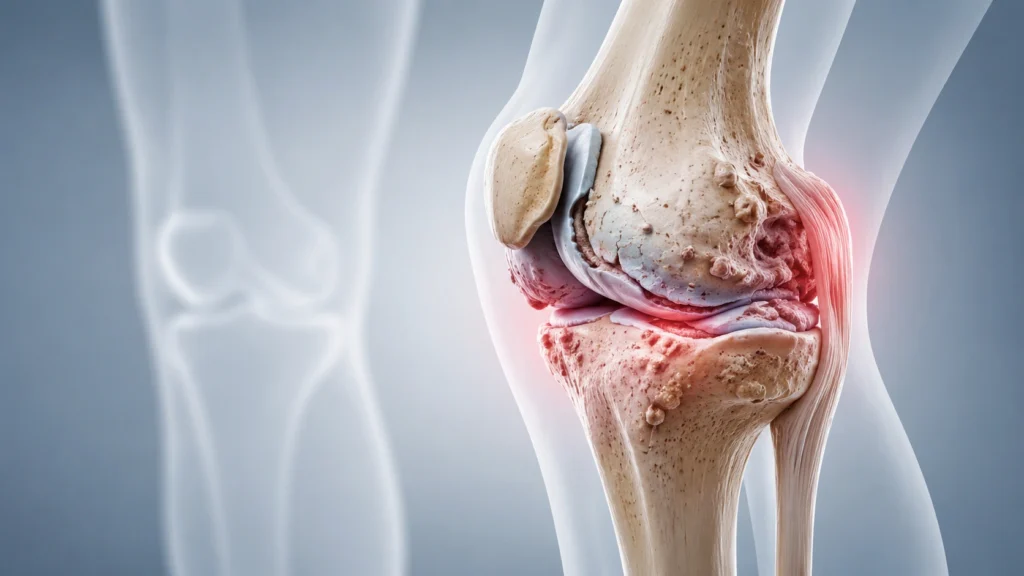
These are not just cosmetic concerns. Knee joint deformities are structural abnormalities in the alignment of the knee that progressively affect the way you walk, the way your joint wears down, and ultimately, your quality of life.
Left untreated, knee joint deformities cause uneven pressure across the joint cartilage, accelerating wear on one side while the other remains relatively intact. Over time, this leads to progressive joint damage, chronic pain, and disability that is far harder to treat than the original deformity.
Knee joint deformities, regardless of their cause or severity, are treatable. From guided physiotherapy and bracing in early or mild cases, to corrective osteotomy surgery that realigns the bones, to total knee replacement for advanced cases with severe joint damage, the right treatment, at the right time, can restore alignment, relieve pain, and give you back the life you want to live.
What are knee joint deformities?
Knee joint deformities refer to abnormalities in the alignment, shape, or structural integrity of the knee joint, caused by problems in the bones, cartilage, ligaments, or surrounding soft tissues.
In a normally aligned knee:
- The mechanical axis: an imaginary line from the center of the hip to the center of the ankle, passing through or very near the center of the knee.
- Weight is distributed evenly across the medial (inner) and lateral (outer) compartments of the knee.
- The joint surfaces wear evenly over time.
When a knee joint deformities is present, this alignment is disrupted. Weight shifts to one side of the joint, cartilage wears unevenly, and the deformity typically worsens progressively without treatment.
Knee deformities can be the following:
- Congenital: present from birth.
- Developmental: appearing as the child grows.
- Acquired: developing in adulthood from injury, disease, or joint damage.
- Unilateral: affecting one knee.
- Bilateral: affecting both knees.
Types of knee joint deformities
Understanding the type of knee joint deformities is the foundation of treatment planning. Each type affects alignment differently and requires a tailored approach.
Genu Varum (Bow Legs / Varus Deformity)
- When standing with feet together, the knees bow outward, leaving a visible gap between them.
- The lower leg angles inward from the knee, creating a bow-like appearance.
What it does to the joint:
- Shifts the body’s weight onto the medial (inner) compartment of the knee.
- Causes accelerated cartilage wear on the inner side of the joint.
- Leads to medial compartment osteoarthritis over time.
- Progressive: the more the cartilage wears, the more the varus deformity increases; a vicious cycle.
Common causes:
- Physiological: normal in infants under 2 years; usually self-corrects.
- Rickets: vitamin D deficiency causing soft bone deformity.
- Blount’s disease: a growth disorder affecting the shin bone.
- Osteoarthritis: medial compartment joint loss causes progressive varus.
- Previous fractures healing in malunion.
- Paget’s disease of bone.
- Rheumatoid Arthritis.
Genu Valgum (Knock Knees / Valgus Deformity)
- When standing with feet together, the knees touch or overlap while the feet and ankles remain apart.
- The lower legs angle outward from the knee.
What it does to the joint:
- Shifts weight onto the lateral (outer) compartment of the knee.
- Causes accelerated cartilage wear on the outer side.
- Leads to lateral compartment osteoarthritis.
- Can cause lateral ligament laxity and knee instability.
Common causes:
- Physiological: mild knock-knee is normal in children aged 3 to 6; usually self-corrects by age 7 to 8.
- Rickets and metabolic bone disease.
- Obesity: excess body weight increases valgus stress.
- Rheumatoid Arthritis: lateral compartment destruction.
- Previous lateral compartment fractures.
- Ligamentous laxity syndromes.
Genu Recurvatum (Hyperextended Knee)
- The knee bends backward beyond the normal straight position: hyperextension.
- The leg appears to curve backward at the knee when weight-bearing.
What it does to the joint:
- Places abnormal stress on the posterior knee structures, posterior capsule, and posterior cruciate ligament (PCL).
- Causes abnormal patellofemoral mechanics.
- Leads to progressive joint instability and cartilage damage.
Common causes:
- Ligamentous laxity: generalized joint hypermobility.
- Quadriceps weakness: the knee hyperextends to compensate for weak thigh muscles.
- Neurological conditions: polio, cerebral palsy, spastic conditions.
- Previous fractures affecting growth plates.
- Congenital: some children are born with this tendency.
Flexion Deformity (Fixed Flexion Contracture)
- The knee cannot be fully straightened; it is permanently bent to some degree even when at rest.
- The patient walks with a bent-knee gait.
What it does to the joint:
- Dramatically increases the load on the patellofemoral joint.
- Causes progressive joint damage and severe fatigue.
- Can significantly impair walking ability.
Common causes:
- Advanced osteoarthritis: pain causes the patient to keep the knee slightly bent; over time, the structures contract.
- Rheumatoid Arthritis: Synovial inflammation causes capsular contracture.
- Prolonged immobility: after fracture, surgery, or illness.
- Spastic conditions: cerebral palsy, stroke.
Rotational Deformities
- The leg rotates abnormally, either inward (internal torsion) or outward (external torsion).
- Causes a pigeon-toed or out-toed walking pattern.
- Creates abnormal rotational stress through the knee.
Common causes:
- Femoral anteversion: inward rotation of the thigh bone.
- Tibial torsion: twisting of the shin bone.
- Developmental or compensatory rotational changes.
Complex and Combined Deformities
Many patients, particularly those with advanced osteoarthritis, rheumatoid arthritis, or neglected injuries, present with combined deformities:
- Varus + flexion: the most common combination in advanced medial compartment osteoarthritis.
- Valgus + flexion: seen in rheumatoid arthritis.
- Varus/Valgus + rotational malalignment: post-traumatic or developmental.
Complex combined deformities require careful preoperative planning and specialized surgical technique, particularly when total knee replacement is being considered.
Who is the ideal candidate for treatment?
Knee joint deformity treatment is recommended for anyone whose deformity is causing symptoms, progressing, or placing the joint at risk of accelerated damage.
You are an ideal candidate for treatment evaluation if:
- Your knees appear unusually bent inward or outward.
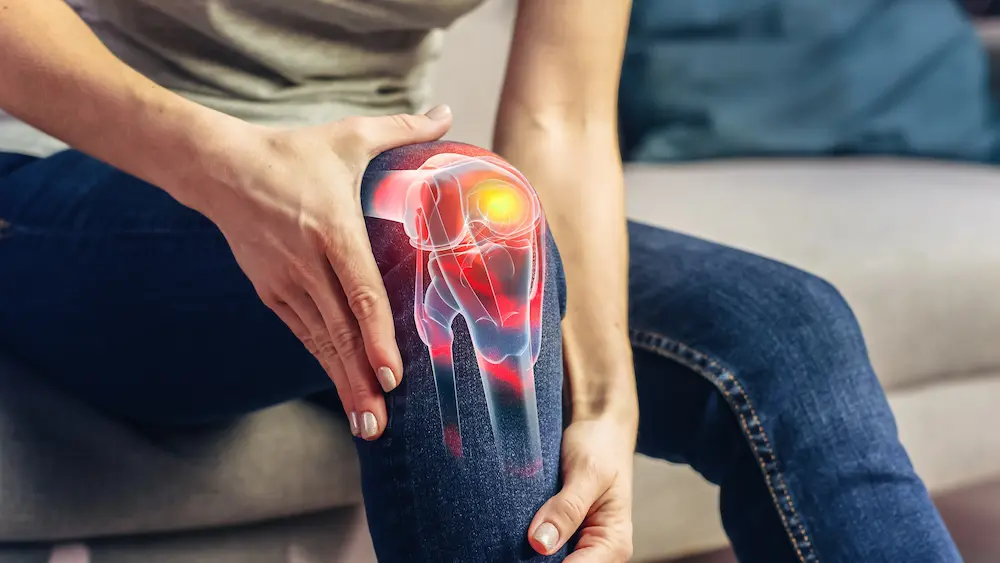
- You have ongoing knee pain, stiffness, or swelling.
- You limp or walk unevenly.
- Your knee alignment is getting worse over time.
- Your child’s knee alignment has not improved with age.
- X-rays show uneven wear in the knee joint.
- Your knee feels unstable or gives way.
- Knee problems are affecting daily activities or sports.
- You have a condition like rickets, Blount’s disease, or arthritis affecting knee alignment.
You may be a candidate for surgical correction if:
- The knee deformity is too severe to improve with braces or physiotherapy.
- Arthritis has developed because of the knee misalignment.
- Pain and movement problems continue despite non-surgical treatment.
- You are young and active, and surgery can help delay knee replacement.
- The knee joint is badly damaged and may need a total knee replacement.
Causes and risk factors of knee joint deformities
Knee joint deformities arise from a wide range of causes, some present from birth, some developing during childhood, and others acquired through disease or injury in adult life.
Congenital and developmental causes
- Normal Growth Changes: Mild bow legs in babies and knock knees in toddlers are common and usually correct themselves with age.
- Blount’s Disease: A growth problem in the shinbone that causes bow legs, often seen in overweight children.
- Rickets (Vitamin D Deficiency): Weak and soft bones due to low vitamin D can lead to bow legs.
- Skeletal Dysplasias: Genetic bone disorders that affect normal bone growth and shape.
- Cerebral Palsy: Muscle tightness and imbalance can gradually cause leg and joint deformities.
- Ligament Laxity: Loose ligaments can make the knees turn inward, leading to knock knees.
Acquired causes in adults
- Osteoarthritis: Wear-and-tear of the knee joint can gradually cause bow legs or knock knees.
- Rheumatoid Arthritis: Chronic joint inflammation can damage the knee and lead to deformity.
- Post-Traumatic Deformity: A poorly healed fracture around the knee can cause leg misalignment.
- Avascular Necrosis: Loss of blood supply to the bone can lead to joint collapse and deformity.
- Paget’s Disease: Abnormal bone growth can cause bowing of the legs.
- Infection: Bone or joint infections can damage the knee and affect normal alignment.
- Bone Tumors: Tumors near the knee can weaken the bone and cause deformity.
Risk factors
- Obesity: Extra body weight puts more pressure on the knees.
- Vitamin D deficiency: Weakens bones and may lead to bone deformities.
- Previous knee injury: Past injuries can affect knee alignment and movement.
- Inflammatory arthritis: Conditions like rheumatoid arthritis can damage knee joints.
- Sedentary lifestyle: Weak leg muscles provide less support to the knees.
- Occupational stress: Long hours of standing, lifting, or kneeling can strain the knees.
- Family history: Genetics can increase the risk of knee alignment problems.
Symptoms of knee joint deformities
The symptoms of knee joint deformities depend on the type, severity, and duration of the deformity, as well as the degree of associated joint damage.
Visible Signs
- Bowed legs or knock knees.
- One knee looks different from the other.
- Limping or abnormal walking.
- One leg appears shorter than the other.
Pain Symptoms
- Pain on the inner side of the knee.
- Pain on the outer side of the knee.
- Pain while walking or climbing stairs.
- Pain even during rest in severe cases.
- Pain around the front of the knee.
Functional Symptoms
- Knee stiffness, especially in the morning.
- Swelling around the knee joint.
- Grinding or cracking sensation during movement.
- Knee feels unstable or gives way.
- Difficulty bending or straightening the knee.
- Tiredness after walking for a short time.
Symptoms in Children
- Bow legs persisting after age 2.
- Knock-knees persisting after age 7–8.
- One leg looks more affected than the other.
- Deformity gradually becoming worse.
- Pain or difficulty keeping up with other children during activities.
How are knee joint deformities diagnosed?
Accurate diagnosis of knee joint deformities requires a combination of clinical assessment and targeted investigations, establishing not just the type of knee joint deformities but its severity, cause, and impact on the joint.
Medical History
- Duration of the deformity.
- Pain, swelling, or stiffness.
- Difficulty walking or daily activities.
- Previous injuries or surgeries.
- Family history of similar problems.
- In children, birth and growth history.
Physical Examination
- Check leg alignment while standing.
- Observe walking pattern (gait).
- Measure the degree of deformity.
- Assess knee movement and flexibility.
- Check ligament stability.
- Evaluate muscle strength.
- Measure leg length difference.
- Examine nerves and blood circulation.
Imaging Investigations
Full-Length Standing Leg X-Ray
- Most important test for knee deformity.
- Shows hip, knee, and ankle alignment.
- Measures the severity of deformity.
- Helps plan treatment or surgery.
Weight-Bearing Knee X-Rays
- Assess joint space and arthritis.
- Evaluate knee alignment.
- Check kneecap position.
MRI Scan
- Examines cartilage, ligaments, and meniscus.
- Detects early joint damage.
- Useful when X-rays are inconclusive.
CT Scan
- Evaluates bone structure in detail.
- Measures rotational deformities.
- Used for complex surgical planning.
Bone Age X-Ray (Children)
- Assesses growth plate status.
- Helps determine treatment options.
Laboratory Investigations
- Vitamin D Level: Checks for deficiency and rickets.
- Calcium & Phosphate: Evaluates bone health.
- Rheumatoid Factor (RF) & Anti-CCP: Screens for inflammatory arthritis.
- ESR & CRP: Detects inflammation.
- Alkaline Phosphatase: Assesses metabolic bone disorders.
- Complete Blood Count (CBC): Checks overall health and infection signs.
Treatment options for knee joint deformities
Treatment is chosen based on the type and severity of knee joint deformities, the patient’s age, the degree of joint damage, and the functional impact. At Rama Hospital, we offer the complete range, from conservative management to the most complex corrective and replacement surgery.
Non-Surgical Treatments
Physiotherapy
- Strengthens muscles around the knee.
- Improves knee stability and movement.
- Reduces pain and joint stress.
- Helps improve walking patterns.
- Useful for mild to moderate deformities.
Knee Braces & Supports
- Help improve knee alignment.
- Reduce pressure on the damaged part of the knee.
- Provide support during daily activities.
- Useful for patients delaying or avoiding surgery.
Weight Management
- Reduces stress on the knee joint.
- Helps slow the progression of deformity.
- Improves mobility and reduces pain.
Joint Injections
- Corticosteroid injections reduce pain and inflammation.
- Hyaluronic acid injections improve joint lubrication.
- PRP therapy may support healing and reduce symptoms.
Medications
- Help control pain and swelling.
- Vitamin D and calcium support bone health.
- Special medications may be needed for rheumatoid arthritis.
Surgical Treatments
Guided Growth Surgery (For Children)
- Corrects bow legs or knock knees while the child is growing.
- Uses a small implant to guide bone growth.
- Minimally invasive with quick recovery.
Osteotomy (Bone Realignment Surgery)
- Realigns the leg to improve knee alignment.
- Reduces pressure on the damaged side of the knee.
- Often recommended for younger, active patients.
Partial Knee Replacement
- Replaces only the damaged part of the knee.
- Preserves healthy bone and tissue.
- Offers faster recovery than total knee replacement.
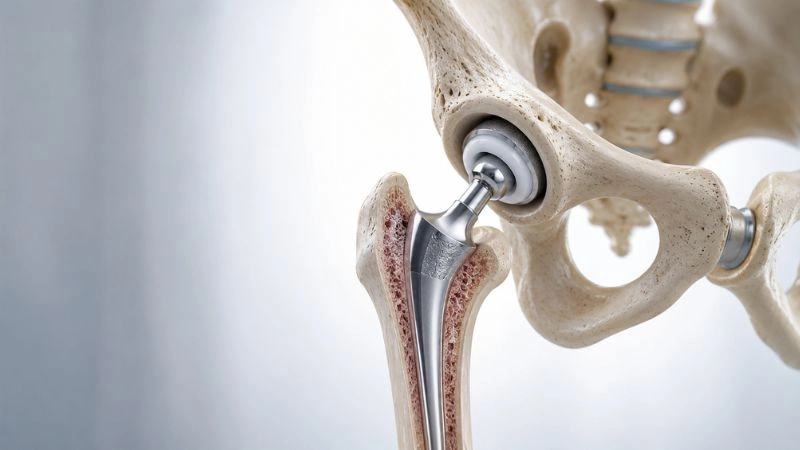
Total Knee Replacement (TKR)
- Replaces the entire damaged knee joint.
- Best for severe deformity and advanced arthritis.
- Provides long-term pain relief and improved mobility.
Combined Procedures
- Some patients may need more than one procedure.
- Surgery can be combined with ligament repair or cartilage restoration.
- Both knees may be treated if deformity affects both sides.
Benefits of treatment
Treating knee joint deformities, at the right time, with the right approach, transforms quality of life in ways that go far beyond just the knee itself:
- Improves knee alignment and joint function.
- Reduces knee pain significantly.
- Slows down further joint damage.
- Makes walking easier and more natural.
- Helps you stay active and independent.
- Improves balance and stability.
- Lowers the risk of future complications.
- Boosts confidence and quality of life.
- Can delay knee replacement in younger patients.
- Provides long-lasting results and better mobility.
Why choose Rama Hospital for knee joint deformities treatment?
Managing knee joint deformities demands more than routine orthopedic care. It requires precise deformity analysis, experienced surgical judgment, and a team capable of handling the full spectrum, from a child with bow legs to an adult needing complex deformity correction during total knee replacement. At Rama Hospital, we offer all of this.
- Experienced Orthopedic Surgeons – Skilled in treating simple and complex knee deformities.
- Advanced Surgical Planning – Detailed digital imaging helps ensure accurate correction.
- Care for All Age Groups – Treatment available for children, teenagers, adults, and seniors.
- Personalized Treatment Plans – Every patient receives care tailored to their condition and goals.
- Dedicated Physiotherapy Support – Rehabilitation starts early to improve recovery and mobility.
- Comprehensive Deformity Care – Expertise in managing a wide range of knee alignment problems.
- Team-Based Approach – Specialists work together for complex cases when needed.
- Focus on Better Movement – Treatment aims to improve walking, function, and quality of life.
- Modern Techniques & Technology – Advanced procedures designed for precise and lasting results.
- Patient-First Care – Clear guidance, honest advice, and support at every step.
When should you see a doctor?
See a doctor promptly if:
- Your child’s bow legs or knock knees are not improving with age.
- One knee looks different from the other.
- You have pain on only one side of the knee.
- Your knee alignment seems to be changing over time.
- An X-ray shows cartilage loss or narrowing on one side of the knee.
- You have started limping or walking differently.
- Walking or standing makes you tired more quickly.
- Knee pain is affecting your daily activities, work, or sleep.
What happens if knee joint deformities are left untreated?
The consequences of ignoring a knee joint deformity extend well beyond the knee itself. Here is what progressive, untreated deformity leads to:
- Faster Joint Damage: The uneven pressure causes the knee joint to wear out more quickly.
- Cartilage Loss: As cartilage wears away, bones begin rubbing against each other, causing severe pain.
- Worsening Deformity: The knee gradually becomes more bowed or knock-kneed over time.
- Joint Instability: Stretched ligaments can make the knee feel weak or give way while walking.
- Hip, Back & Ankle Pain: Poor knee alignment puts extra stress on other joints.
- Higher Risk of Falls: Instability and balance problems increase the chances of falling.
- More Complex Surgery Later: Delaying treatment may lead to the need for total knee replacement instead of simpler corrective procedures.
- Longer Recovery: Severe deformities often require more extensive surgery and rehabilitation.
- Reduced Mobility: Walking, climbing stairs, and daily activities become increasingly difficult.
Frequently Asked Questions (FAQs
Are bowlegs and knock knees normal in children?
Yes, within certain age ranges and to certain degrees. Bow legs (varus) are normal in infants and children up to approximately 2 years. Knock knees (valgus) are normal from ages 3 to 7, typically self-correcting by age 7 to 8.
At what age can guided growth surgery be done for children?
Guided growth (hemiepiphysiodesis) can be performed as long as the growth plate is still open, typically up to age 14 to 16 in girls and 16 to 18 in boys. The ideal timing depends on the severity of the deformity and how much growth remains.
Can osteotomy delay knee replacement?
Yes, for appropriately selected patients, high tibial osteotomy or distal femoral osteotomy can delay the need for knee replacement by 10 to 15 years or more. This is particularly valuable for active patients in their 30s, 40s, and 50s who are too young for knee replacement and want to maintain an active lifestyle.
Is total knee replacement safe for patients with severe knee joint deformities?
Yes, but it is technically more demanding than standard knee replacement and requires a surgeon with specific expertise in deformity correction. Severe varus, valgus, or fixed flexion deformities require additional steps, soft tissue balancing, releases, augments, and sometimes specialized implants.
Will my walking look normal after knee joint deformities correction surgery?
In most cases, yes, significantly improved. After osteotomy, most patients walk with markedly better alignment. After total knee replacement with deformity correction, the alignment is restored, and gait typically normalizes over the first 3 to 6 months of rehabilitation.
Can rickets cause permanent bow legs?
Rickets causes bowlegs by softening the bone during growth. If caught and treated early with vitamin D and calcium supplementation, significant spontaneous correction is possible in young children.
Can I exercise with a knee joint deformities?
Yes, in fact, regular low-impact exercise is encouraged. Strong muscles around the knee reduce joint stress and slow knee joint deformities progression. Swimming, cycling, and walking on flat surfaces are ideal.
What is the difference between osteotomy and knee replacement for knee deformity?
Osteotomy corrects the bone alignment, shifting load to the healthier compartment while preserving the patient’s own knee joint. It is ideal for younger, active patients with preserved cartilage. Knee replacement replaces the joint surface entirely, correcting alignment and eliminating the arthritic pain simultaneously.
How long does recovery take after high tibial osteotomy?
Most patients are walking with crutches within a few days after osteotomy and fully weight-bearing within 6 to 8 weeks as the bone heals. Return to desk-based work is usually possible within 4 to 6 weeks.
Can both knees be treated at the same time?
For total knee replacement, both knees can sometimes be replaced simultaneously, though this depends on overall health, fitness, and the surgeon’s assessment. More commonly, knees are done one at a time, 6 to 12 weeks apart, allowing full recovery from the first side before undertaking the second.
Conclusion
Knee joint deformities, whether a child with bow legs from rickets, a young adult with varus alignment and early medial compartment arthritis, or an older patient with severe valgus deformity and advanced joint destruction, are among the most impactful musculoskeletal conditions a person can live with. They change the way you walk, accelerate joint damage, limit your activities, and without treatment, progressively rob you of independence and quality of life.
But they are also among the most treatable. With the right diagnosis, the right timing, and the right team, from guided growth surgery in children to osteotomy in young adults to complex deformity correction during total knee replacement in those with advanced disease, outcomes are genuinely transformative.
At Rama Hospital, our expert orthopedic team is equipped, experienced, and committed to delivering world-class knee joint deformities care at every stage of life. We match every patient with the treatment most appropriate to their unique deformity, their age, their activity level, and their goals.