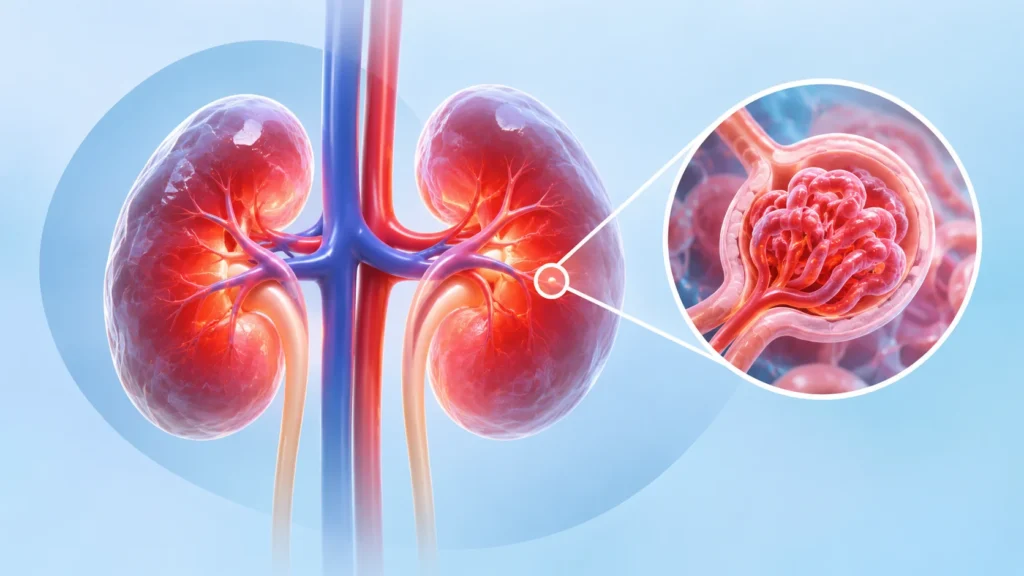
Acute glomerulonephritis is a sudden inflammation of the tiny filters inside the kidneys. These filters are called glomeruli, and their job is to remove waste, extra water, and toxins from the blood while keeping important proteins and blood cells inside the body. When the glomeruli become inflamed, they cannot filter blood properly. This can lead to swelling, high blood pressure, reduced urine output, blood in urine, and protein leakage in urine.
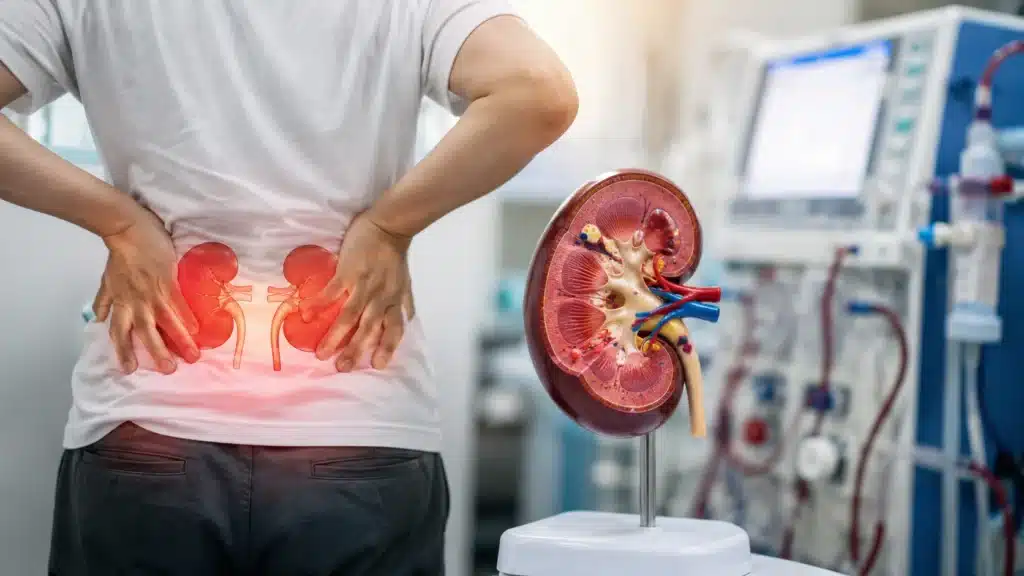
Many people first notice this condition because of puffiness around the eyes, swelling in the legs, dark or tea-colored urine, or a sudden rise in blood pressure. In some patients, the illness is mild and improves with treatment. In others, it can progress quickly and affect kidney function seriously. That is why early diagnosis and proper medical care are important.
What is Acute Glomerulonephritis?
Acute glomerulonephritis is an inflammatory condition that affects the glomeruli, which are the tiny filtering units inside the kidneys. Each kidney contains millions of these filters. They work day and night to clean the blood and remove waste through urine.
When the glomeruli become inflamed, they may leak blood cells and protein into the urine. At the same time, they may not remove waste and extra fluid properly. This leads to symptoms such as swelling, high blood pressure, reduced urine, and fatigue. The condition is called “acute” because it starts suddenly, often over days or weeks.
In many cases, acute glomerulonephritis happens after an infection, especially a throat or skin infection. The immune system reacts to the infection and, in some people, mistakenly attacks the kidney filters. This immune reaction causes inflammation and damage to the glomeruli. The condition can affect one or both kidneys and may range from mild to severe.
Why the Kidneys Matter
The kidneys are vital organs that do much more than make urine. They help maintain the balance of water, salts, and minerals in the body. They also help regulate blood pressure, support red blood cell production, and keep bones healthy by balancing calcium and phosphorus.
When the glomeruli are inflamed, these functions are affected. Waste builds up in the blood, fluid accumulates in the body, and blood pressure may rise. This is why acute glomerulonephritis can affect the whole body, not just the kidneys. Early treatment helps protect kidney function and prevent long-term damage.
Types of Acute Glomerulonephritis
Acute glomerulonephritis can be classified in different ways depending on the cause, immune pattern, and severity of the disease.
Based on cause
- Post-infectious glomerulonephritis, which happens after a throat or skin infection.
- IgA nephropathy, which is linked to abnormal immune deposits in the kidney filters.
- Lupus nephritis, which occurs in patients with systemic lupus erythematosus.
- Rapidly progressive glomerulonephritis, which is a severe form that can damage kidneys quickly.
- Membranoproliferative glomerulonephritis, which involves changes in the kidney filter structure.
- Anti-GBM disease, which is a rare but serious immune-mediated condition.
Based on immune pattern
- Immune complex-mediated glomerulonephritis, where immune deposits build up in the kidney filters.
- Anti-GBM mediated glomerulonephritis, where antibodies attack the kidney filter membrane.
- Complement-mediated glomerulonephritis, where part of the immune system called complement is overactive.
Based on severity
- Mild acute glomerulonephritis, where symptoms are limited and kidney function is mostly preserved.
- Moderate acute glomerulonephritis, where swelling, blood pressure, and urine changes are more noticeable.
- Severe acute glomerulonephritis, where kidney function drops quickly and urgent treatment is needed.
Causes of Acute Glomerulonephritis
The most common cause of acute glomerulonephritis is an immune reaction after an infection. However, there are many other possible causes as well.
Common causes include:
- Recent throat infection, especially with certain bacteria.
- Recent skin infection, such as impetigo or cellulitis.
- Viral infections that trigger immune response.
- Autoimmune diseases such as lupus.
- IgA nephropathy, where immune deposits collect in the kidney.
- Certain medicines or toxins that affect the kidneys.
- Blood vessel inflammation affecting the kidneys.
- Genetic or inherited kidney conditions.
- Infections such as hepatitis or HIV in some cases.
- Unknown causes in some patients.
How infection leads to kidney inflammation
After an infection, the immune system makes antibodies to fight germs. In some people, these antibodies and immune complexes travel in the blood and get trapped in the kidney filters. This triggers inflammation and damage to the glomeruli. The kidneys then leak blood and protein into urine and may not filter waste properly.
Risk Factors for Acute Glomerulonephritis
Some people are more likely to develop acute glomerulonephritis than others.
Higher-risk groups
- Children and young adults after throat or skin infections.
- People with poor hygiene or frequent skin infections.
- Patients with autoimmune disease such as lupus.
- People with a family history of kidney disease.
- Patients with chronic infections.
- People with weak immune systems.
- Those with a history of kidney problems.
- Patients taking certain medicines that affect kidney function.
- People with uncontrolled high blood pressure or diabetes.
Why risk increases in these groups
- Infections can trigger immune reactions in the kidneys.
- Autoimmune diseases can attack kidney tissue directly.
- Poor hygiene increases the chance of skin or throat infections.
- Weak immunity makes it harder to fight infections.
- Chronic conditions like diabetes and hypertension can worsen kidney damage.
Symptoms of Acute Glomerulonephritis
Symptoms can appear suddenly and may range from mild to severe depending on how much the kidneys are affected.
Common symptoms
- Puffiness around the eyes, especially in the morning.
- Swelling in the face, hands, legs, or feet.
- Dark, tea-colored, or cola-colored urine.
- Blood in urine.
- Foamy or frothy urine due to protein leakage.
- Reduced urine output.
- High blood pressure.
- Fatigue and weakness.
- Nausea or loss of appetite.
- Shortness of breath if fluid builds up in the lungs.
- Headache due to high blood pressure.
Signs of more severe disease
- Very low urine output or no urine.
- Severe swelling all over the body.
- Very high blood pressure.
- Confusion or drowsiness.
- Severe shortness of breath.
- Chest pain or discomfort.
- Rapid weight gain due to fluid retention.
- Signs of kidney failure.
Acute Glomerulonephritis in Children
Children are commonly affected, especially after throat or skin infections.
Common signs in children
- Puffy face in the morning.
- Swelling around the eyes.
- Dark urine.
- Reduced urine output.
- Mild fever.
- Tiredness.
- High blood pressure.
- Poor appetite.
Why it can be serious in children
Children may not always explain their symptoms clearly. Parents may notice swelling or dark urine first. If not treated on time, fluid buildup and high blood pressure can become dangerous. Early medical care helps prevent complications and supports faster recovery.
Acute Glomerulonephritis in Adults
Adults may have a different pattern of symptoms and may be more likely to have underlying conditions contributing to kidney inflammation.
Adults may experience:
- Swelling in legs and feet.
- High blood pressure.
- Blood in urine.
- Protein in urine.
- Fatigue.
- Reduced urine output.
- Shortness of breath.
- Joint pain or rash if autoimmune disease is involved.
Higher-risk adult groups
- Patients with lupus or other autoimmune disease.
- People with chronic kidney disease.
- Patients with uncontrolled blood pressure or diabetes.
- Those with recurrent infections.
- People with a history of kidney stones or other kidney problems.
How is Acute Glomerulonephritis Diagnosed?
Diagnosis is based on symptoms, urine tests, blood tests, and sometimes kidney biopsy. Since many conditions can affect the kidneys, accurate testing is important to identify the exact cause.
Diagnostic steps
- Detailed history of symptoms.
- Recent infection history.
- Family history of kidney disease.
- Medication and toxin exposure review.
- Physical examination for swelling and blood pressure.
- Urine tests to check for blood and protein.
- Blood tests to assess kidney function and immune activity.
- Imaging tests to check kidney size and structure.
- Kidney biopsy in selected cases.
Common tests that may be done
- Urine routine test to check blood and protein.
- Urine protein measurement.
- Blood urea and creatinine to assess kidney function.
- Electrolyte tests to check salt balance.
- Complete blood count to check anemia or infection.
- Complement levels to assess immune activity.
- ASO titer or throat swab if recent infection is suspected.
- Autoimmune tests such as ANA or anti-GBM antibodies.
- Ultrasound of the kidneys.
- Kidney biopsy if the cause is unclear or disease is severe.
Why diagnosis matters
Different types of glomerulonephritis need different treatments. For example, post-infectious glomerulonephritis may improve with supportive care, while autoimmune or rapidly progressive types may need strong immune-suppressing medicines. Accurate diagnosis ensures the right treatment and better kidney protection.
Treatment for Acute Glomerulonephritis
Treatment depends on the cause, severity, and how much kidney function is affected. The main goals are to reduce inflammation, control blood pressure, remove excess fluid, and protect kidney function.
1. Supportive care
For mild cases, especially after infection, supportive care may be enough.
- Rest and reduced physical activity.
- Monitoring of urine output and blood pressure.
- Fluid management to avoid overload.
- Diet changes to reduce salt and protein load.
- Close follow-up to track kidney function.
2. Blood pressure control
High blood pressure is common in acute glomerulonephritis and needs to be controlled.
- Medicines to lower blood pressure may be prescribed.
- Salt restriction helps reduce fluid retention.
- Regular monitoring is important.
- In severe cases, IV medicines may be needed.
3. Fluid management
Swelling happens because the body holds on to extra fluid. Managing fluid intake helps reduce this.
- Fluid restriction may be advised.
- Diuretics may be given to remove extra water.
- Daily weight monitoring helps track fluid changes.
- In severe cases, hospital care may be needed.
4. Treating infection
If the condition is triggered by an infection, treating that infection is important.
- Antibiotics may be given if bacterial infection is present.
- Antiviral or antifungal treatment may be needed in some cases.
- Treating the infection helps reduce immune activation in the kidneys.
5. Immune-suppressing medicines
For autoimmune or severe inflammatory types, stronger treatment may be needed.
- Steroids may be prescribed to reduce inflammation.
- Other immune-suppressing medicines may be used.
- These medicines require careful monitoring for side effects.
- Duration depends on the type and severity of disease.
6. Dialysis in severe cases
If kidney function drops severely, dialysis may be needed temporarily.
- Helps remove waste and extra fluid.
- Supports the body while kidneys recover.
- May be temporary or long-term depending on recovery.
- Used in severe or rapidly progressive disease.
7. Hospital care if needed
Some patients need admission for closer monitoring and treatment.
- IV fluids or fluid restriction as needed.
- Blood pressure control.
- Electrolyte correction.
- Monitoring of urine output and kidney function.
- Dialysis if required.
Home Care for Mild Cases
Many mild cases can be managed at home with careful support and follow-up.
Helpful home care steps
- Take prescribed medicines exactly as advised.
- Monitor blood pressure at home if advised.
- Track urine output and swelling.
- Follow diet instructions carefully.
- Avoid self-medication, especially painkillers.
- Attend all follow-up appointments.
- Report any worsening symptoms immediately.
Diet advice during recovery
- Reduce salt intake.
- Limit high-protein foods if advised.
- Avoid processed and packaged foods.
- Drink fluids as per medical advice.
- Eat fresh fruits and vegetables as tolerated.
- Avoid excess potassium-rich foods if kidney function is reduced.
Foods to be careful with
- Salty snacks and pickles.
- Processed meats.
- Instant noodles and packaged soups.
- Excess protein supplements.
- High-potassium foods if advised by doctor.
- Alcohol and smoking.
Possible Complications
Acute glomerulonephritis can lead to serious complications if not treated on time.
Possible complications
- Acute kidney injury.
- Chronic kidney disease if damage persists.
- Severe high blood pressure.
- Fluid overload in lungs.
- Heart strain.
- Electrolyte imbalance.
- Seizures in severe cases.
- Need for dialysis.
- Long-term kidney damage.
Why complications happen
When the kidney filters are inflamed, waste and fluid build up in the body. This puts pressure on the heart, lungs, and blood vessels. If the inflammation continues, permanent damage to the kidney filters may occur. Early treatment helps prevent these complications.
When to See a Doctor
Medical review is important if symptoms suggest kidney inflammation.
See a doctor if you have:
- Puffiness around the eyes or swelling in the body.
- Dark or blood-tinged urine.
- Foamy urine.
- Reduced urine output.
- High blood pressure.
- Fatigue or weakness.
- Recent throat or skin infection with kidney symptoms.
- Family history of kidney disease.
Seek urgent care if you have:
- Very low or no urine output.
- Severe swelling all over the body.
- Shortness of breath.
- Chest pain.
- Confusion or drowsiness.
- Seizures.
- Very high blood pressure.
- Signs of kidney failure.
Prevention of Acute Glomerulonephritis
Not all cases can be prevented, but risk can be reduced.
Prevention pointers
- Treat throat and skin infections early.
- Maintain good hygiene.
- Avoid self-medication with painkillers.
- Control blood pressure and diabetes.
- Stay hydrated with clean water.
- Follow up regularly if you have kidney disease.
- Get regular health check-ups.
- Avoid exposure to toxins and harmful chemicals.
For people with family history
- Discuss screening options with a doctor.
- Monitor kidney function periodically.
- Be extra careful with infections and medicines.
Why Choose Rama Hospital for Acute Glomerulonephritis Treatment?
Acute glomerulonephritis is a complex kidney condition that requires expert nephrology care, accurate diagnosis, and close monitoring. A hospital with experienced nephrologists, advanced lab facilities, and dialysis support can make a major difference in outcomes.
Why hospital care matters
- Expert evaluation by nephrology specialists.
- Advanced urine, blood, and imaging tests.
- Kidney biopsy facility when needed.
- Treatment for infection, inflammation, and blood pressure.
- Dialysis support in severe cases.
- Long-term follow-up to protect kidney function.
Trust and authority points
- Experienced nephrology team.
- Modern diagnostic and treatment facilities.
- Emergency care for severe kidney conditions.
- Patient education and family support.
- Comprehensive care from diagnosis to recovery.
Frequently Asked Questions (FAQs)
1. What is acute glomerulonephritis?
Acute glomerulonephritis is sudden inflammation of the kidney filters called glomeruli. It can cause blood in urine, protein leakage, swelling, and high blood pressure. Early treatment helps protect kidney function.
2. Is acute glomerulonephritis the same as kidney failure?
No, it is not the same, but severe cases can lead to kidney failure. Many patients recover fully with treatment. The outcome depends on the cause and how quickly treatment is started.
3. Can acute glomerulonephritis be cured?
Many cases, especially those after infection, improve with supportive care and treatment. Some autoimmune or severe types may need long-term treatment. Early diagnosis improves the chance of full recovery.
4. What are the warning signs of acute glomerulonephritis?
Warning signs include puffiness around the eyes, dark urine, swelling, high blood pressure, and reduced urine output. If these symptoms appear suddenly, medical evaluation is important.
5. How is acute glomerulonephritis diagnosed?
Diagnosis is done using urine tests, blood tests, imaging, and sometimes kidney biopsy. These tests help identify the cause and severity of kidney inflammation.
6. Can acute glomerulonephritis run in families?
Some types may have a genetic link, but most cases are related to infection or immune problems. Family history may increase risk in certain conditions.
7. What is the treatment for acute glomerulonephritis?
Treatment may include supportive care, blood pressure control, fluid management, infection treatment, immune-suppressing medicines, or dialysis in severe cases. The plan depends on the cause and severity.
8. Can a person live a normal life after acute glomerulonephritis?
Many people recover fully and return to normal life, especially if treated early. Some may need long-term follow-up if kidney damage was significant.
Conclusion
Acute glomerulonephritis is a serious kidney condition that affects the tiny filters inside the kidneys. It can cause swelling, high blood pressure, blood in urine, and reduced kidney function. While many cases improve with treatment, some can progress quickly and lead to kidney failure if ignored.
The most important steps are early recognition, proper diagnosis, and timely treatment. For patients with sudden swelling, dark urine, high blood pressure, or reduced urine output, a medical evaluation can make a major difference. With the right care, most patients can protect their kidney function and recover well.
Rama Hospital can help evaluate acute glomerulonephritis, identify the cause, and provide a clear treatment plan that supports kidney recovery and long-term health.