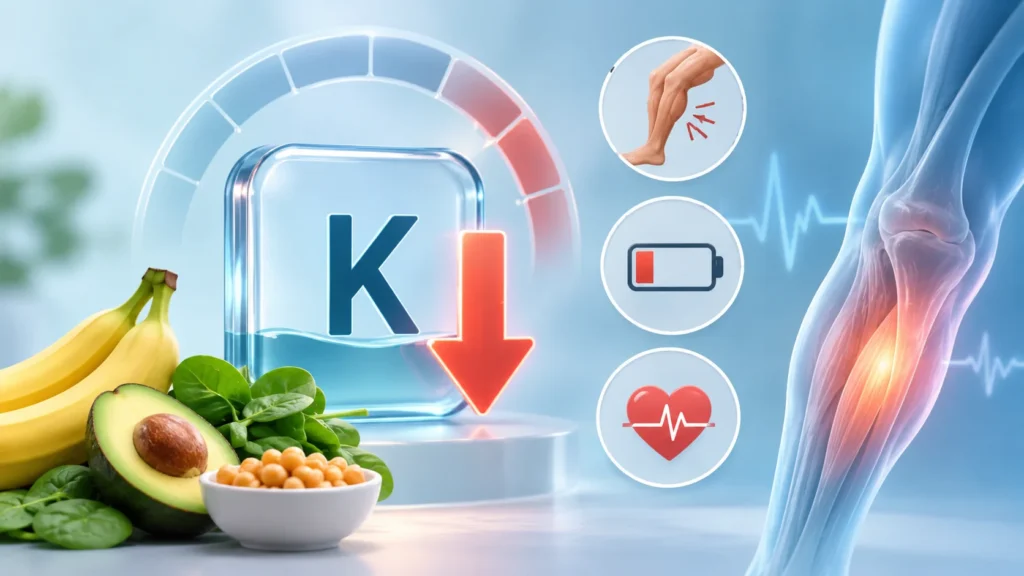
Hypokalemia is a medical condition in which the level of potassium in the blood becomes lower than normal. Potassium is an essential mineral and electrolyte that plays a major role in nerve function, muscle movement, heart rhythm, and fluid balance. When potassium levels drop too low, the body may not function properly, and symptoms can range from mild weakness to dangerous heart rhythm problems.
Many people do not realize how important potassium is until they experience symptoms. Low potassium can happen due to vomiting, diarrhea, certain medicines, kidney problems, poor diet, or other medical conditions. In some cases, it develops slowly and causes only mild fatigue or cramps. In others, it can happen suddenly and lead to serious complications such as muscle paralysis or abnormal heart rhythm.
What is Hypokalemia?
Hypokalemia is defined as a lower-than-normal level of potassium in the blood. Potassium is an electrolyte, which means it carries an electrical charge and helps regulate many body functions. It is found inside cells and plays a key role in nerve signaling, muscle contraction, and maintaining a steady heartbeat.
The normal range of potassium in blood is usually between 3.5 and 5.0 milliequivalents per liter, though exact reference ranges may vary slightly by laboratory. When the level falls below this range, the condition is called hypokalemia. Mild hypokalemia may cause few or no symptoms, while severe hypokalemia can be life-threatening.
Potassium is mostly stored inside cells, and only a small amount is present in the blood. Because of this, even a small shift of potassium between cells and blood can cause significant changes in symptoms and heart function.
Why Potassium Matters
Potassium is not just another mineral. It is essential for many critical functions in the body.
- Helps nerves send signals properly.
- Supports muscle contraction, including the heart muscle.
- Maintains normal heart rhythm.
- Regulates fluid and electrolyte balance.
- Supports normal blood pressure.
- Helps the kidneys filter waste.
- Assists in digestion and bowel movement.
- Supports overall cell function.
When potassium is low, these functions can be affected. That is why symptoms may appear in muscles, nerves, heart, digestion, and even mental clarity.
Types of Hypokalemia
Hypokalemia can be classified based on severity and cause.
Based on severity
- Mild hypokalemia, where potassium is slightly below normal and may cause few or no symptoms.
- Moderate hypokalemia, where symptoms such as weakness, cramps, or fatigue become noticeable.
- Severe hypokalemia, where potassium is very low and can cause dangerous heart rhythm problems or paralysis.
Based on cause
- Loss-related hypokalemia, where potassium is lost through urine, stool, or vomiting.
- Shift-related hypokalemia, where potassium moves from blood into cells.
- Intake-related hypokalemia, where dietary potassium is too low.
- Kidney-related hypokalemia, where the kidneys excrete too much potassium.
- Drug-related hypokalemia, where medicines cause potassium loss.
Causes of Hypokalemia
Hypokalemia can happen for many reasons. In some cases, it is mild and temporary. In others, it is linked to a serious medical condition.
Common causes include:
- Vomiting or diarrhea causing fluid and electrolyte loss.
- Excessive sweating.
- Poor dietary intake of potassium-rich foods.
- Use of diuretics or water pills.
- Kidney disorders that cause excess potassium loss.
- Certain hormonal disorders such as hyperaldosteronism.
- Use of some medicines such as corticosteroids or certain antibiotics.
- Excessive laxative use.
- Chronic alcohol use.
- Malnutrition or severe dieting.
- Rare genetic conditions affecting potassium handling.
- Shift of potassium into cells due to insulin or alkalosis.
Why the cause matters
The cause determines the treatment. For example, if hypokalemia is due to vomiting, the treatment focuses on fluids and stopping the vomiting. If it is due to kidney disease or medicines, the treatment may involve adjusting medicines or treating the kidney problem.
Risk Factors for Hypokalemia
Some people are more likely to develop hypokalemia than others.
Higher-risk groups
- People taking diuretics or blood pressure medicines.
- Patients with chronic diarrhea or vomiting.
- People with kidney disease.
- Patients with eating disorders or poor nutrition.
- Alcohol-dependent individuals.
- People using laxatives frequently.
- Elderly patients with reduced food intake.
- Patients with hormonal disorders.
- People with severe infections or critical illness.
- Those with a history of low potassium in the past.
Why risk increases in these groups
- Diuretics increase potassium loss through urine.
- Digestive illness causes fluid and electrolyte loss.
- Kidney disease affects potassium balance.
- Poor diet reduces potassium intake.
- Chronic illness increases demand and loss.
Symptoms of Hypokalemia
Symptoms depend on how low the potassium level is and how quickly it dropped.
Common symptoms include:
- Muscle weakness.
- Muscle cramps or spasms.
- Fatigue and tiredness.
- Constipation.
- Nausea.
- Bloating.
- Abnormal heart rhythm or palpitations.
- Tingling or numbness.
- Difficulty breathing in severe cases.
- Confusion or irritability.
Symptoms of severe hypokalemia
- Severe muscle weakness.
- Paralysis in extreme cases.
- Dangerous heart rhythm problems.
- Fainting.
- Shortness of breath.
- Very low blood pressure.
- Confusion or loss of consciousness.
Why symptoms vary
Potassium affects both muscles and nerves. That is why symptoms can appear in the arms, legs, heart, digestive system, and even breathing muscles. The faster the drop, the more severe the symptoms may be.
Hypokalemia and the Heart
One of the most serious effects of low potassium is on the heart. Potassium helps maintain a steady heartbeat. When levels drop too low, the electrical signals in the heart can become unstable.
Possible heart-related symptoms
- Palpitations.
- Irregular heartbeat.
- Skipped beats.
- Dizziness.
- Fainting.
- Chest discomfort.
- Shortness of breath.
Why it can be dangerous
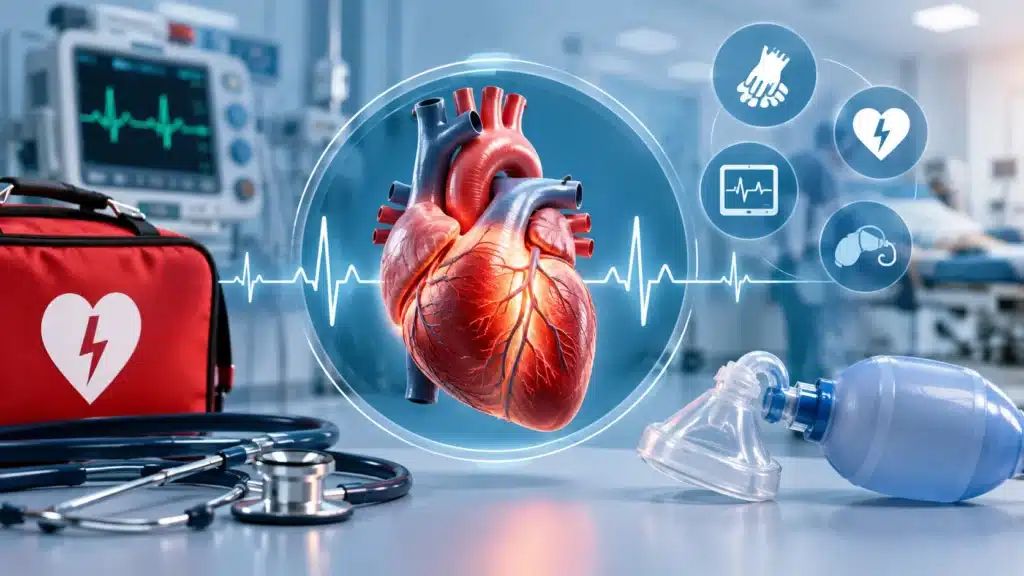
Severe hypokalemia can cause dangerous arrhythmias, which are abnormal heart rhythms. These can lead to cardiac arrest in extreme cases. That is why potassium levels are closely monitored in hospitalized patients, especially those on diuretics or with heart disease.
How is Hypokalemia Diagnosed?
Diagnosis is based on symptoms, medical history, and blood tests. Since symptoms can overlap with other conditions, testing is important.
Diagnostic steps
- Review of symptoms.
- Medical history including medicines, diet, and digestive illness.
- Physical examination.
- Blood test to measure potassium level.
- Tests to check kidney function.
- Electrolyte panel to check sodium, magnesium, and calcium.
- ECG to check heart rhythm.
- Urine test to assess potassium loss.
Tests that may be done if needed
- Blood gas analysis to check acid-base balance.
- Hormonal tests if adrenal or kidney disorders are suspected.
- ECG monitoring for heart rhythm.
- Stool test if diarrhea is severe.
- Imaging or further testing if an underlying disease is suspected.
Why diagnosis matters
Low potassium can be caused by many different problems. Accurate diagnosis ensures the right treatment, whether it is fluid replacement, medicine adjustment, or treatment of a kidney or hormonal disorder.
Treatment for Hypokalemia
Treatment depends on the severity of the low potassium and the cause. The main goal is to restore potassium levels safely and prevent complications.
1. Potassium replacement
The main treatment is giving potassium back to the body.
- Oral potassium supplements for mild to moderate cases.
- IV potassium for severe cases or when oral intake is not possible.
- Close monitoring during IV treatment to avoid complications.
- Dose adjusted based on kidney function and severity.
2. Treating the cause
The underlying cause must be addressed.
- Stop or adjust medicines causing potassium loss.
- Treat vomiting or diarrhea.
- Manage kidney or hormonal disorders.
- Correct magnesium deficiency if present, as low magnesium can make hypokalemia harder to treat.
3. Diet support
In mild cases, increasing potassium-rich foods may help.
- Bananas.
- Oranges.
- Potatoes.
- Tomatoes.
- Spinach.
- Beans.
- Avocado.
- Coconut water.
- Milk and dairy products.
4. Monitoring and follow-up
Potassium levels need to be checked again after treatment.
- To confirm levels are back to normal.
- To ensure no further loss is happening.
- To adjust medicines if needed.
- To prevent recurrence.
5. Emergency treatment in severe cases
Severe hypokalemia needs urgent hospital care.
- IV potassium under close monitoring.
- ECG monitoring.
- Treatment of arrhythmias if present.
- Correction of other electrolyte imbalances.
- Intensive care support if needed.
Home Care for Mild Hypokalemia
Mild cases may be managed at home with proper guidance.
Helpful home care steps
- Eat potassium-rich foods.
- Stay hydrated.
- Avoid excessive use of laxatives.
- Take prescribed supplements exactly as directed.
- Avoid self-medicating with high-dose potassium without advice.
- Follow up for repeat blood tests.
Diet pointers
- Include fruits and vegetables daily.
- Use coconut water or soups as fluid options.
- Avoid excessive caffeine or alcohol.
- Do not skip meals.
Important caution
Too much potassium can also be harmful, especially in people with kidney disease. That is why supplements should only be taken under medical advice.
Possible Complications
Untreated or severe hypokalemia can lead to serious problems.
Possible complications
- Dangerous heart rhythm problems.
- Cardiac arrest in extreme cases.
- Muscle paralysis.
- Respiratory failure if breathing muscles are affected.
- Kidney damage.
- Worsening of existing heart disease.
- Increased risk of hospitalization.
Why complications happen
Potassium is essential for electrical signals in the heart and muscles. When levels drop too low, these signals become unstable. This can affect the heart, breathing, and movement.
When to See a Doctor
Medical review is important if symptoms are persistent or severe.
See a doctor if you have:
- Ongoing muscle weakness or cramps.
- Palpitations or irregular heartbeat.
- Fatigue without a clear reason.
- Constipation with bloating.
- History of vomiting or diarrhea.
- Use of diuretics or other medicines affecting potassium.
- Kidney disease.
- Recurrent low potassium in the past.
Seek emergency care immediately if you have:
- Severe weakness or paralysis.
- Fainting.
- Severe palpitations.
- Chest pain.
- Difficulty breathing.
- Confusion or loss of consciousness.
Prevention of Hypokalemia
Prevention is possible in many cases with proper diet, medicine management, and monitoring.
Prevention pointers
- Eat a balanced diet with potassium-rich foods.
- Stay hydrated, especially during illness or heat.
- Avoid excessive laxative use.
- Take medicines only as prescribed.
- Get regular blood tests if you are on diuretics or have kidney disease.
- Follow up with your doctor if you have recurrent symptoms.
- Manage chronic conditions such as vomiting, diarrhea, or kidney disease.
Special prevention advice for high-risk groups
- Patients on diuretics should have regular potassium checks.
- People with kidney disease should follow a diet plan advised by their doctor.
- Elderly patients should be monitored for poor intake and dehydration.
- Patients with digestive illness should seek early treatment.
Why Choose Rama Hospital for Hypokalemia Treatment?
Hypokalemia may sound like a simple electrolyte problem, but in many patients it is linked to serious underlying conditions. A hospital-based evaluation helps identify the cause, correct the imbalance safely, and prevent recurrence.
Why hospital care matters
- Accurate diagnosis with blood tests and ECG.
- Safe potassium replacement under supervision.
- Treatment of underlying causes such as kidney or digestive disease.
- Monitoring for heart rhythm problems.
- Follow-up care to prevent recurrence.
- Support from internal medicine, nephrology, and critical care if needed.
Trust and authority points
- Experienced medical team.
- Modern laboratory and cardiac monitoring.
- Emergency care for severe cases.
- Patient education about diet and prevention.
- Comprehensive care from diagnosis to recovery.
Frequently Asked Questions (FAQs)
1. What is hypokalemia?
Hypokalemia is a condition where potassium levels in the blood are lower than normal. It can cause muscle weakness, cramps, fatigue, and heart rhythm problems. Severe cases can be life-threatening.
2. What causes low potassium?
Low potassium can be caused by vomiting, diarrhea, certain medicines, kidney problems, poor diet, or hormonal disorders. The cause determines the treatment approach.
3. Can hypokalemia be treated at home?
Mild cases may improve with potassium-rich foods and oral supplements. Severe cases need hospital treatment with IV potassium and monitoring. Always follow medical advice before taking supplements.
4. Is hypokalemia dangerous?
Yes, especially if severe. It can cause dangerous heart rhythm problems, muscle paralysis, and breathing difficulty. Early diagnosis and treatment are important.
5. What foods are rich in potassium?
Foods like bananas, oranges, potatoes, spinach, beans, avocado, and coconut water are rich in potassium. Including these in the diet can help maintain normal levels.
6. Can medicines cause hypokalemia?
Yes, some medicines such as diuretics, corticosteroids, and certain antibiotics can lower potassium. If you are on such medicines, regular monitoring is important.
7. How is hypokalemia diagnosed?
It is diagnosed with a blood test that measures potassium level. Additional tests like ECG, kidney function tests, and electrolyte panel may be done to assess severity and cause.
8. Can hypokalemia come back?
Yes, if the cause is not corrected, it can recur. That is why follow-up, diet support, and treatment of underlying conditions are important.
Conclusion
Hypokalemia is a common but potentially serious electrolyte imbalance. It can affect muscles, nerves, digestion, and most importantly the heart. Many cases are mild and can be managed with diet and supplements, but severe cases need urgent medical care.
The most important steps are proper diagnosis, safe potassium replacement, treatment of the underlying cause, and prevention of recurrence. For patients with muscle weakness, palpitations, or a history of vomiting, diarrhea, or diuretic use, a medical evaluation can make a major difference. With the right care, hypokalemia can be corrected effectively and prevented from returning.
Rama Hospital can help evaluate hypokalemia, identify the cause, and provide a clear treatment plan that supports safe recovery and long-term health.