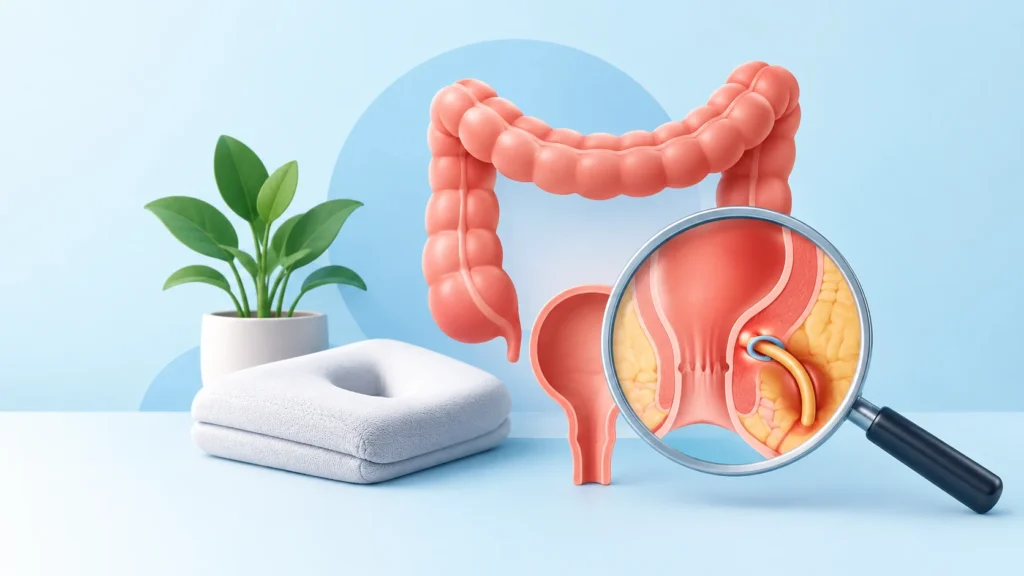
Fistulotomy and seton placement are two common surgical treatments used to manage anal fistula. An anal fistula is an abnormal tunnel that forms between the inside of the anus and the skin near the anus. It usually develops after an infection or abscess in the anal area. The tunnel can cause pain, swelling, discharge, and repeated infections if not treated properly.
Fistulotomy is a procedure where the surgeon opens the fistula tract so it can heal from the inside out. Seton placement is a technique where a thin thread or tube is placed through the fistula tract to keep it open and allow drainage. This is often used for complex fistulas or fistulas that pass through important muscles.
What is an Anal Fistula?
An anal fistula is a small tunnel that forms between the anal canal and the skin near the anus. It usually develops after an anal abscess, which is a collection of pus near the anus. When the abscess drains or is treated, a tunnel may remain, creating a fistula.
The fistula can cause repeated infections, discharge, pain, and discomfort. It does not heal on its own in most cases and often needs surgical treatment. The type of fistula depends on its path and how much of the anal sphincter muscle it involves.
Common features of anal fistula
- Small opening near the anus.
- Discharge of pus or fluid.
- Pain or discomfort, especially during bowel movements.
- Swelling or irritation around the anus.
- Recurrent abscess or infection.
- Itching or skin irritation.
- Sometimes fever if infection is active.
What is Fistulotomy?
Fistulotomy is a surgical procedure where the surgeon opens the fistula tract along its length. This allows the tract to heal from the inside out. It is one of the most common and effective treatments for simple anal fistulas.
How fistulotomy works
- The surgeon makes a small cut along the fistula tract.
- The tract is opened and cleaned.
- Infected tissue is removed.
- The area is left open to heal naturally.
- Healing happens gradually over weeks.
When fistulotomy is used
- Simple fistulas with a short, straight tract.
- Fistulas that do not involve much sphincter muscle.
- Low-risk fistulas where muscle function can be preserved.
- Fistulas that are not recurrent or complex.
What is Seton Placement?
Seton placement is a procedure where a thin thread, tube, or tape is placed through the fistula tract. The seton keeps the tract open and allows pus or fluid to drain. It is often used for complex fistulas or fistulas that pass through a significant amount of sphincter muscle.
How seton placement works
- The surgeon passes a seton through the fistula tract.
- The seton is tied loosely or snugly depending on the type.
- It allows continuous drainage of infection.
- Over time, it may help the tract heal or prepare it for further surgery.
- In some cases, the seton is gradually tightened to cut through tissue slowly.
Types of seton
- Loose seton, which stays in place to drain infection and reduce inflammation.
- Cutting seton, which is gradually tightened to divide tissue slowly and allow healing.
- Drainage seton, used to control infection before definitive surgery.
When seton placement is used
- Complex fistulas involving significant sphincter muscle.
- Fistulas with multiple tracts or branches.
- Fistulas with active infection or abscess.
- Fistulas where fistulotomy alone may risk incontinence.
- Patients needing staged treatment before definitive repair.
Why Treatment is Needed
Anal fistula usually does not heal on its own. Without treatment, it can cause repeated infections, abscesses, pain, and discharge. Over time, the tract may become more complex and harder to treat.
Reasons treatment is important
- Prevents recurrent abscess and infection.
- Reduces pain and discomfort.
- Stops continuous discharge.
- Prevents damage to surrounding tissue.
- Reduces risk of fistula becoming more complex.
- Improves quality of life and daily comfort.
How is Fistulotomy Done?
Fistulotomy is usually done under anesthesia in an operating room.
Steps of the procedure
- Patient is given anesthesia, either spinal or general.
- The surgeon examines the anus and identifies the fistula tract.
- A probe may be used to map the tract.
- The tract is opened along its length.
- Infected tissue is removed and the area is cleaned.
- The wound is left open to heal from the inside out.
- Dressing is applied.
Duration of procedure
- Usually takes 30 to 60 minutes.
- May be shorter for simple fistulas.
- May take longer if the fistula is complex or multiple tracts are present.
How is Seton Placement Done?
Seton placement is also done under anesthesia and may be done alone or along with drainage of an abscess.
Steps of the procedure
- Patient is given anesthesia.
- The surgeon identifies the fistula tract and any abscess.
- The abscess is drained if present.
- A seton is passed through the tract.
- The seton is secured outside the skin.
- The area is cleaned and dressed.
Duration of procedure
- Usually takes 30 to 60 minutes.
- May take longer if the fistula is complex.
- May need repeat procedures or adjustments over time.
Recovery After Fistulotomy
Recovery depends on the type of fistula and the extent of surgery.
Immediate recovery
- Mild to moderate pain for a few days.
- Some bleeding or discharge from the wound.
- Need for regular dressing changes.
- Pain medicines prescribed as needed.
- Stool softeners to ease bowel movements.
Healing timeline
- First week: pain and discharge are common.
- Weeks 2 to 4: wound starts to heal and discharge reduces.
- Weeks 4 to 8: most simple fistulas heal.
- Complex fistulas may take longer.
Care tips during recovery
- Keep the area clean and dry.
- Take sitz baths as advised.
- Eat high-fiber diet to soften stools.
- Drink plenty of water.
- Avoid straining during bowel movements.
- Follow all dressing and medicine instructions.
Recovery After Seton Placement
Recovery after seton placement depends on whether the seton is loose or cutting, and whether further procedures are planned.
Immediate recovery
- Mild discomfort or a feeling of fullness.
- Some discharge from the tract.
- Need for regular follow-up.
- Pain medicines as needed.
- Stool softeners to ease bowel movements.
Healing timeline
- Loose seton may stay for weeks to months to control infection.
- Cutting seton may take several weeks to gradually divide tissue.
- Further surgery may be needed after infection is controlled.
- Complex fistulas may need staged treatment.
Care tips during recovery
- Keep the area clean and dry.
- Take sitz baths as advised.
- Eat high-fiber diet to soften stools.
- Drink plenty of water.
- Avoid straining during bowel movements.
- Follow all dressing and seton care instructions.
Benefits of Fistulotomy and Seton Placement
Both procedures aim to treat fistula effectively and prevent recurrence.
Benefits of fistulotomy
- High success rate for simple fistulas.
- Direct removal of infected tissue.
- Allows wound to heal from inside out.
- Usually single procedure for simple cases.
Benefits of seton placement
- Controls infection and drainage.
- Preserves sphincter muscle function in complex fistulas.
- Reduces risk of incontinence.
- Allows staged treatment for complex fistulas.
- Can be combined with other procedures later.
Risks and Complications
Like any surgery, fistulotomy and seton placement have some risks.
Common risks
- Pain or discomfort.
- Bleeding.
- Infection.
- Delayed healing.
- Recurrence of fistula.
- Temporary difficulty controlling stool.
- Need for further procedures in complex cases.
Rare but serious risks
- Significant bleeding.
- Severe infection.
- Damage to sphincter muscle.
- Incontinence in complex cases.
- Need for additional surgery.
Diet and Lifestyle After Treatment
Diet and lifestyle play an important role in healing and preventing recurrence.
Helpful diet tips
- High-fiber foods such as fruits, vegetables, whole grains, and legumes.
- Plenty of water to keep stools soft.
- Avoid constipation-causing foods.
- Avoid spicy or irritating foods if they worsen symptoms.
- Eat regular meals to support healing.
Lifestyle tips
- Avoid prolonged sitting or straining.
- Take regular walks to improve circulation.
- Maintain good hygiene.
- Avoid heavy lifting during early recovery.
- Follow all follow-up appointments.
When to Contact the Doctor?
Contact the doctor if you notice any of the following after treatment:
- Increasing pain or swelling.
- Heavy bleeding.
- Fever or chills.
- Pus or foul-smelling discharge.
- Difficulty passing urine or stool.
- Wound not healing as expected.
- New symptoms such as numbness or weakness.
Why Choose Rama Hospital for Fistula Treatment?
Anal fistula treatment requires expert surgical care, accurate diagnosis, and careful follow-up. A hospital with experienced colorectal surgeons and modern facilities can make a major difference in outcomes.
Why hospital care matters
- Expert evaluation by colorectal and general surgeons.
- Accurate mapping of fistula tract.
- Choice of appropriate procedure based on fistula type.
- Safe anesthesia and surgical facilities.
- Post-operative care and dressing support.
- Follow-up to ensure complete healing.
Trust and authority points
- Experienced surgical team.
- Modern operating and diagnostic facilities.
- Patient education and privacy-focused care.
- Comprehensive treatment from diagnosis to recovery.
- Support for complex and recurrent fistulas.
Frequently Asked Questions (FAQs)
1. What is the difference between fistulotomy and seton placement?
Fistulotomy opens the fistula tract to allow healing from inside out. Seton placement uses a thread or tube to keep the tract open and drain infection, often used for complex fistulas.
2. Is fistulotomy painful?
Some pain is expected after surgery, but it is usually manageable with medicines and sitz baths. Pain reduces gradually as the wound heals.
3. How long does it take to recover from fistulotomy?
Simple fistulas often heal within 4 to 8 weeks. Complex fistulas may take longer and may need further treatment.
4. Can I go to work after fistulotomy?
Most people can return to light work within a week or two. Strenuous activity should be avoided until the wound heals.
5. What is a seton and why is it used?
A seton is a thin thread or tube placed through the fistula tract. It keeps the tract open, drains infection, and protects the sphincter muscle in complex fistulas.
6. How long does a seton stay in place?
A loose seton may stay for weeks to months depending on infection control. A cutting seton is gradually tightened over several weeks.
7. Can fistula come back after treatment?
Yes, fistula can recur, especially if the tract was complex or infection was not fully cleared. Proper surgery and follow-up reduce this risk.
8. Is fistula surgery safe?
Yes, fistula surgery is generally safe when done by experienced surgeons. Risks include bleeding, infection, and rarely incontinence, especially in complex cases.
9. What should I eat after fistula surgery?
A high-fiber diet with plenty of water helps keep stools soft and reduces strain during bowel movements. Avoid constipation-causing foods.
10. When should I contact the doctor after surgery?
Contact the doctor if you have fever, heavy bleeding, increasing pain, pus discharge, or difficulty passing stool or urine.
Conclusion
Fistulotomy and seton placement are effective treatments for anal fistula. Fistulotomy is often used for simple fistulas, while seton placement is preferred for complex fistulas involving significant muscle. Both procedures aim to remove infection, promote healing, and prevent recurrence.
The most important steps are accurate diagnosis, choosing the right procedure, and careful aftercare. With proper treatment and follow-up, most patients recover well and return to normal life. If you have symptoms of anal fistula such as pain, discharge, or recurrent abscess, timely evaluation and treatment can prevent complications and improve quality of life.
Rama Hospital can help evaluate anal fistula, recommend the right treatment approach, and provide comprehensive surgical and post-operative care for a smooth recovery.