Anal fissure is a small tear or cut in the lining of the anal canal. It can cause sharp pain during and after passing stool, along with bleeding, itching, and discomfort. Many people try to ignore it because of embarrassment, but untreated fissures can become chronic and severely affect daily life. In some patients, medicines, diet changes, and sitz baths are enough to heal the fissure. In others, the fissure keeps coming back or does not heal despite treatment. In such cases, a surgical procedure called lateral internal sphincterotomy may be recommended.
Lateral internal sphincterotomy, often called LIS, is a common and effective surgical treatment for chronic anal fissure. The procedure involves making a small cut in the internal anal sphincter muscle to reduce excessive muscle tension. This helps improve blood flow to the area, reduces pain, and allows the fissure to heal. It is considered one of the most effective treatments for chronic fissure that has not responded to conservative management.
What is Lateral Internal Sphincterotomy?
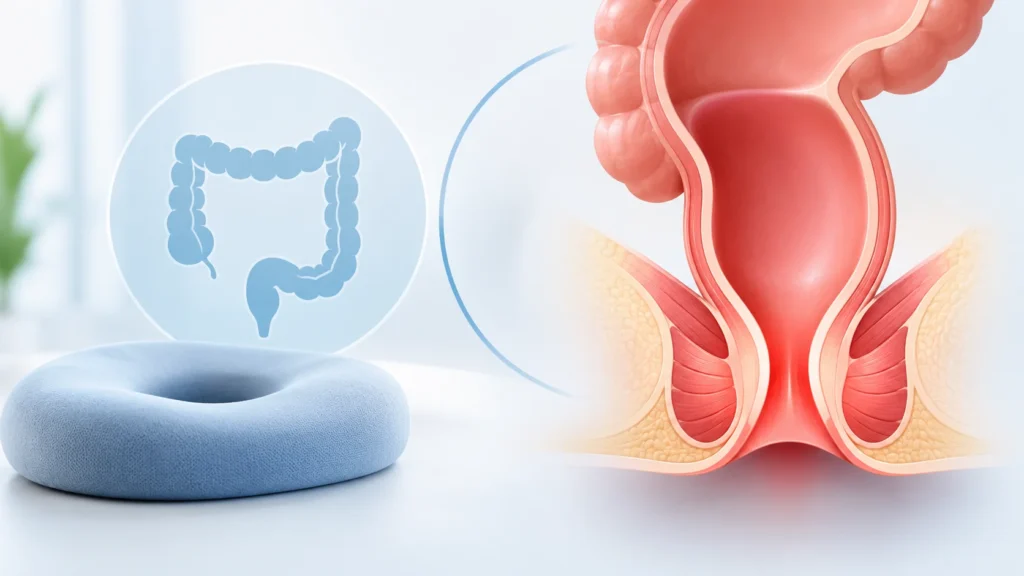
Lateral internal sphincterotomy is a surgical procedure used to treat chronic anal fissure. The internal anal sphincter is a muscle inside the anal canal that stays partially contracted most of the time. In people with anal fissure, this muscle often becomes too tight or goes into spasm. This increased pressure reduces blood flow to the fissure area and prevents healing.
During the procedure, a small cut is made in a portion of the internal sphincter muscle, usually on the side of the anal canal. This reduces the muscle tension, lowers pressure inside the anal canal, and improves blood supply to the fissure. With better blood flow and less muscle spasm, the fissure gets a chance to heal.
The procedure is usually done under anesthesia and takes a short time. It is considered a standard and well-established treatment for chronic fissure that has not healed with medicines, diet changes, or other non-surgical methods.
Why is Lateral Internal Sphincterotomy Done?
The main goal of this procedure is to help a chronic anal fissure heal by reducing the pressure inside the anal canal.
Reasons the procedure is done
- Chronic anal fissure that has not healed with medicines.
- Fissure that keeps coming back despite conservative treatment.
- Severe pain during or after passing stool.
- Recurrent bleeding from the fissure.
- Fissure with a sentinel tag or sentinel pile.
- Fissure with a hypertrophied papilla.
- Fissure that is deep or long-standing.
- Fissure that is affecting quality of life and daily activities.
Why muscle tension matters
In many patients with fissure, the internal sphincter muscle is overly tight. This tightness causes pain and reduces blood flow to the area. Reduced blood flow means the fissure cannot heal properly. By relaxing or partially cutting this muscle, the pressure drops and healing becomes possible.
Who Needs Lateral Internal Sphincterotomy?
Not every patient with fissure needs surgery. Many acute fissures heal with diet, medicines, and sitz baths. Surgery is usually considered when the fissure becomes chronic or keeps recurring.
Patients who may need this procedure
- Those with chronic fissure lasting more than six to eight weeks.
- Patients who have not improved with medicines and lifestyle changes.
- Those with recurrent fissure that keeps coming back.
- Patients with severe pain affecting daily life.
- Those with fissure and associated skin tag or papilla.
- Patients with deep or non-healing fissure.
- Those who cannot tolerate or do not respond to medical treatment.
Patients who may not be ideal candidates
- Patients with mild or acute fissure that may heal with medicines.
- Those with fissure due to another underlying condition such as Crohn’s disease.
- Patients with weak sphincter function or incontinence risk.
- Those with infection or abscess that needs separate treatment.
- Patients with certain medical conditions that increase surgical risk.
How is Lateral Internal Sphincterotomy Performed?
The procedure is usually done under anesthesia and takes a short time. It can be done as an open or closed technique depending on the surgeon’s preference and the patient’s condition.
Steps of the procedure
- Patient is given anesthesia, which may be local, spinal, or general depending on the case.
- The area is cleaned and prepared.
- A small cut is made in the anal canal, usually on the side.
- A portion of the internal sphincter muscle is carefully divided.
- The fissure may be gently refreshed or debrided if needed.
- The wound is closed or left open depending on the technique.
- Dressing is applied and the patient is monitored.
Open vs closed technique
- Open technique involves a small incision and direct division of the muscle.
- Closed technique involves a smaller cut and less tissue exposure.
- Both aim to reduce sphincter pressure and promote healing.
- The choice depends on surgeon preference and patient factors.
Benefits of Lateral Internal Sphincterotomy
This procedure is considered one of the most effective treatments for chronic anal fissure.
Main benefits
- High success rate in healing chronic fissure.
- Significant reduction in pain.
- Improved blood flow to the fissure area.
- Reduced muscle spasm and pressure.
- Faster healing compared to medicines alone in chronic cases.
- Long-term relief in most patients.
- Improved quality of life.
- Reduced need for repeated medicines or treatments.
Why it works
By reducing the internal sphincter pressure, the procedure addresses the root cause of non-healing fissure. Better blood supply and less spasm allow the tissue to repair itself. This is why the success rate is high in appropriately selected patients.
Recovery After Lateral Internal Sphincterotomy
Recovery is usually quick, but it depends on the individual and the extent of the procedure.
Early recovery
- Mild to moderate pain for a few days.
- Some bleeding or discharge is common initially.
- Sitz baths help soothe the area.
- Stool softeners may be prescribed.
- Most patients go home the same day or next day.
Diet and bowel care
- High-fiber diet to keep stools soft.
- Plenty of fluids.
- Avoid constipation and straining.
- Avoid spicy or irritating foods initially.
- Follow the diet plan given by the doctor.
Activity and work
- Light activity can be resumed within a few days.
- Avoid heavy lifting or straining for a few weeks.
- Most people return to work within a week or two.
- Full recovery may take a few weeks depending on healing.
Follow-up
- Regular follow-up to check healing.
- Assessment of pain, bleeding, and bowel function.
- Monitoring for any complications.
- Guidance on preventing recurrence.
Possible Risks and Complications
Like any surgery, lateral internal sphincterotomy has some risks, although serious complications are uncommon.
Common risks
- Mild bleeding.
- Temporary pain or discomfort.
- Minor wound discharge.
- Temporary difficulty controlling gas.
- Delayed healing in some cases.
Less common risks
- Infection.
- Persistent pain.
- Incontinence to stool or gas in a small percentage.
- Recurrence of fissure.
- Need for further treatment.
How risks are minimized
- Careful patient selection.
- Experienced surgical technique.
- Proper post-operative care.
- Avoiding excessive muscle division.
- Regular follow-up and monitoring.
Alternatives to Lateral Internal Sphincterotomy
Not every patient needs surgery. There are non-surgical options that may be tried first or in selected cases.
Non-surgical options
- High-fiber diet and stool softeners.
- Sitz baths.
- Topical medicines to relax the sphincter.
- Oral medicines to reduce muscle spasm.
- Botox injection into the sphincter.
- Nitroglycerin or calcium channel blocker creams.
- Lifestyle and bowel habit modification.
When alternatives are preferred
- Acute or early fissure.
- Patients at higher risk of incontinence.
- Those who prefer to avoid surgery.
- Mild or moderate symptoms.
- Fissure likely to heal with conservative care.
When surgery is preferred
- Chronic fissure not responding to medicines.
- Recurrent fissure.
- Severe pain or bleeding.
- Fissure with complications such as skin tag or papilla.
- Patient wants definitive and long-term relief.
Comparison with Other Treatments
Different treatments work in different ways and have different success rates.
Medical treatment
- Good for acute fissure.
- Lower success rate in chronic fissure.
- Non-invasive and safe.
- May need long-term use.
Botox injection
- Temporary relaxation of sphincter.
- Good for selected patients.
- Effect may wear off over time.
- May need repeat injection.
Lateral internal sphincterotomy
- High success rate in chronic fissure.
- Long-term relief in most patients.
- Small risk of incontinence.
- Considered definitive treatment for many cases.
When to See a Doctor
Medical evaluation is important for anyone with anal pain, bleeding, or fissure symptoms.
See a doctor if you have:
- Pain during or after passing stool.
- Bleeding from the anal area.
- Itching or discomfort.
- Fissure that is not healing.
- Recurrent fissure.
- Severe pain affecting daily life.
- Fissure with skin tag or papilla.
Seek urgent care if you have:
- Heavy bleeding.
- Severe pain.
- Fever or signs of infection.
- Inability to pass stool.
- Pus or discharge.
- Severe swelling.
Prevention of Anal Fissure
Preventing fissure is easier than treating a chronic one.
Prevention pointers
- Eat a high-fiber diet.
- Drink plenty of fluids.
- Avoid constipation and straining.
- Do not delay bowel movements.
- Maintain good anal hygiene.
- Avoid spicy or irritating foods if they trigger symptoms.
- Use stool softeners if needed.
- Treat constipation early.
- Avoid prolonged sitting on the toilet.
Lifestyle measures
- Regular exercise.
- Healthy weight.
- Stress management.
- Good toilet habits.
- Avoid excessive straining.
Why Choose Rama Hospital for Lateral Internal Sphincterotomy?
Anal fissure and its surgical treatment require expert colorectal care, accurate diagnosis, and proper follow-up. A hospital with experienced colorectal and general surgeons can make a major difference in outcomes.
Why hospital care matters
- Expert evaluation by colorectal and general surgeons.
- Accurate diagnosis of fissure and associated conditions.
- Safe and effective surgical technique.
- Proper anesthesia and post-operative care.
- Structured recovery plan.
- Long-term follow-up to prevent recurrence.
Trust and authority points
- Experienced surgical team.
- Modern technology and facilities.
- Patient education and support.
- Comprehensive care from diagnosis to full recovery.
- Focus on both treatment and prevention.
Frequently Asked Questions (FAQs)
1. What is lateral internal sphincterotomy?
Lateral internal sphincterotomy is a surgical procedure to treat chronic anal fissure. A small cut is made in the internal sphincter muscle to reduce pressure and improve blood flow, helping the fissure heal.
2. Is lateral internal sphincterotomy painful?
Some pain is expected after surgery, but it is usually less than the pain of the fissure itself. Pain medicines and sitz baths help manage discomfort during recovery.
3. How long does recovery take?
Most patients recover within a few weeks. Light activity can be resumed within days, while full healing may take a few weeks depending on the individual.
4. Can fissure come back after surgery?
Recurrence is possible but less common after successful sphincterotomy. Proper bowel habits, diet, and follow-up help reduce the risk of recurrence.
5. Is there a risk of incontinence?
There is a small risk of difficulty controlling gas or stool in some patients. Careful surgical technique and patient selection help minimize this risk.
6. Can I avoid surgery for a fissure?
Yes, many fissures heal with diet, medicines, and sitz baths. Surgery is usually needed only for chronic or recurrent fissure that does not respond to conservative treatment.
7. Is the procedure done under anesthesia?
Yes, it is usually done under local, spinal, or general anesthesia depending on the case and patient preference.
8. When can I return to work?
Most people return to work within a week or two. Those with physically demanding jobs may need more time depending on healing.
Conclusion
Lateral internal sphincterotomy is a safe and effective surgical treatment for chronic anal fissure that has not healed with medicines or lifestyle changes. By reducing internal sphincter pressure and improving blood flow, the procedure helps the fissure heal and provides long-term relief from pain and discomfort.
The most important steps are proper diagnosis, careful patient selection, skilled surgical technique, and good post-operative care. For patients with chronic or recurrent fissure, this procedure can significantly improve quality of life and prevent ongoing suffering. With the right care, most patients recover well and return to normal activities.
Rama Hospital can help evaluate anal fissure, determine whether sphincterotomy is needed, and provide expert surgical and post-operative care to ensure the best possible outcome.