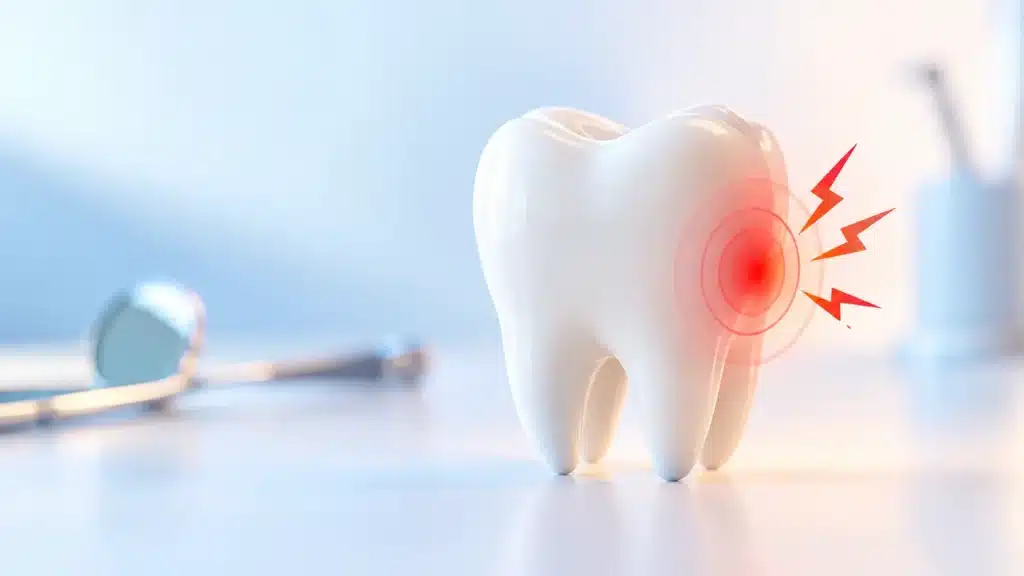
Toothache is one of the most common and troubling dental problems people face. It can range from a mild, occasional discomfort to severe, constant pain that makes it difficult to eat, sleep, or concentrate. Many people ignore a toothache in the early stages, hoping it will go away on its own. But in most cases, tooth pain is a warning sign that something is wrong inside the tooth, the gums, or the surrounding bone.
A toothache is not a disease by itself. It is a symptom of an underlying problem such as cavity, infection, cracked tooth, gum disease, or sensitivity. The type of pain can give clues about the cause. For example, sharp pain while eating sweets may suggest a cavity. Throbbing pain that worsens at night may indicate infection or nerve involvement. Pain on biting may point to a cracked tooth or deep decay.
What is Toothache?
Toothache is pain in or around a tooth. It can come from the tooth itself, the supporting structures, or nearby areas such as the jaw, sinuses, or gums. The pain may be sharp, dull, throbbing, or shooting. It may be constant or come and go. It may be triggered by hot, cold, sweet, or biting pressure.
The inner part of the tooth contains nerves and blood vessels. When this area becomes irritated or infected, the brain receives pain signals. Because the tooth is surrounded by hard structures, swelling and pressure inside the tooth can cause intense pain.
Toothache should never be ignored. Even if the pain comes and goes, the underlying problem may be slowly getting worse. Early evaluation helps prevent complications such as severe infection, abscess, tooth loss, or spread of infection to other areas.
Common Causes of Toothache
Toothache has many possible causes. The most common ones are related to decay, infection, trauma, or gum problems.
Dental decay and cavity
- Decay starts as a small hole in the enamel and can progress deeper into the tooth.
- Early decay may cause mild sensitivity to cold or sweets.
- Advanced decay can reach the nerve and cause severe, throbbing pain.
- Pain may worsen at night or when lying down.
Tooth infection or abscess
- Infection can develop inside the tooth or in the gums and bone around it.
- Symptoms include severe pain, swelling, fever, bad taste, and difficulty opening the mouth.
- An abscess is a pocket of pus caused by bacterial infection.
- This is a dental emergency and needs urgent treatment.
Cracked or fractured tooth
- A crack may happen due to biting on hard food, injury, or large old fillings.
- Pain is often sharp when biting or releasing pressure.
- The crack may not always be visible from the outside.
- If the crack reaches the nerve, root canal or extraction may be needed.
Gum disease
- Gum infection can cause pain, bleeding, swelling, and bad breath.
- Receding gums can expose sensitive root surfaces.
- Advanced gum disease can loosen teeth and cause deep pain.
- Gum-related pain may feel diffuse and affect several teeth.
Tooth sensitivity
- Sensitivity causes short, sharp pain with cold, hot, sweet, or brushing.
- It happens when enamel is thin or gums have receded.
- Common in people with aggressive brushing, acid erosion, or whitening overuse.
- Usually manageable with desensitizing treatment and proper care.
Impacted or erupting wisdom tooth
- Wisdom teeth may grow partially or at an angle.
- This can cause pain, swelling, infection, and difficulty opening the mouth.
- Food trapping around a partially erupted tooth can lead to repeated infection.
- Removal is often recommended if problems keep recurring.
Dental procedures and recent work
- Some sensitivity is normal after fillings, crowns, or cleaning.
- Pain that persists or worsens needs evaluation.
- A high filling can cause pain on biting and may need adjustment.
- Deep fillings close to the nerve may require further treatment.
Other causes
- Sinus infection can cause upper tooth pain.
- Jaw joint problems can mimic tooth pain.
- Clenching or grinding can cause generalized tooth soreness.
- Trauma or injury to the face can damage teeth and cause pain.
Types of Tooth Pain and What They May Mean
The pattern of pain can help identify the likely cause.
Pain with cold or sweets
- Often suggests early to moderate decay.
- May also indicate exposed root surface or enamel wear.
- Pain is usually short and goes away once the trigger is removed.
- Needs dental evaluation to prevent progression.
Pain with heat
- May suggest deeper nerve involvement or infection.
- Pain may linger for minutes after the hot drink or food.
- Often seen in teeth that may need root canal treatment.
- Should not be ignored if it persists.
Pain on biting or chewing
- Common in cracked tooth, deep cavity, or high filling.
- May also happen with gum infection or abscess.
- Pain is often sharp and localized to one tooth.
- Needs examination and possibly an X-ray.
Spontaneous throbbing pain
- Pain that comes on its own, especially at night.
- Often indicates nerve inflammation or infection.
- May wake the patient from sleep.
- Usually requires urgent dental care.
Dull, constant ache
- May be due to grinding, sinus issues, or gum disease.
- Pain may affect several teeth or the whole jaw.
- Often worse in the morning if grinding is present.
- Needs evaluation to find the exact cause.
Symptoms That May Accompany Toothache
Toothache may occur alone or with other symptoms.
Common accompanying symptoms
- Swelling of the gum or face.
- Redness and tenderness around the tooth.
- Bad taste or bad breath.
- Bleeding from the gums.
- Difficulty opening the mouth.
- Fever in case of infection.
- Swollen lymph nodes in the neck.
- Pain radiating to the ear, jaw, or head.
Signs of serious infection
- Increasing facial swelling.
- Difficulty swallowing or breathing.
- High fever and feeling very unwell.
- Severe pain not relieved by painkillers.
- Inability to open the mouth properly.
- These signs need emergency care immediately.
Toothache in Children
Children can also experience toothache, and it should be taken seriously.
Common causes in children
- Cavities due to frequent sugary snacks or poor brushing.
- Trauma from falls or playing.
- Eruption of new teeth causing gum discomfort.
- Infection from untreated decay.
Signs in children
- Crying or irritability.
- Refusal to eat or chew on one side.
- Touching the cheek or jaw repeatedly.
- Swelling or visible hole in the tooth.
- Fever in case of infection.
Why early care matters in children
- Untreated decay can affect eating, sleep, and growth.
- Infection can spread and become serious.
- Early treatment prevents pain and tooth loss.
- Good habits formed early protect adult teeth.
Toothache in Adults
Adults may ignore toothache due to work, cost, or fear. But delaying care often makes treatment more complex.
Common patterns in adults
- Pain from old fillings that have leaked or broken.
- Cracks from biting hard food or grinding.
- Gum recession causing sensitivity.
- Wisdom tooth problems in younger adults.
- Advanced decay due to long-term neglect.
Why adults should not delay
- Small problems can become root canal or extraction cases.
- Infection can spread to sinuses, jaw, or neck.
- Pain and swelling can disrupt work and daily life.
- Early treatment is usually simpler and less costly.
How is Toothache Diagnosed?
Diagnosis is based on history, examination, and dental tests. The dentist tries to find the exact tooth and the exact cause.
Diagnostic steps
- Detailed history of pain pattern and triggers.
- Medical and dental history.
- Examination of teeth, gums, and surrounding areas.
- Tapping on teeth to check for tenderness.
- Cold or heat tests to assess nerve response.
- Biting tests to detect cracks.
- Gum probing to check for infection or pockets.
- X-rays to see decay, infection, or bone changes.
Why examination matters
Pain may seem to come from one tooth but actually originate from another. Sometimes sinus or jaw problems mimic tooth pain. Proper diagnosis ensures the right tooth is treated and unnecessary procedures are avoided.
Treatment for Toothache
Treatment depends on the cause, severity, and condition of the tooth.
1. Pain relief and temporary measures
- Painkillers may be advised for short-term relief.
- Cold compress on the cheek can reduce swelling.
- Saltwater rinses may soothe irritated gums.
- Avoid very hot, cold, or hard foods on the painful side.
- These measures do not cure the problem but can help until dental care is available.
2. Treatment for cavity
- Small to moderate cavities are treated with fillings.
- The decayed part is removed and the tooth is restored.
- Early treatment prevents nerve involvement.
- Regular check-ups help catch cavities early.
3. Root canal treatment
- Needed when the nerve is inflamed or infected.
- The infected nerve tissue is removed from inside the tooth.
- The canals are cleaned, shaped, and filled.
- A crown is often placed afterward to protect the tooth.
- This saves the natural tooth and relieves pain.
4. Tooth extraction
- Recommended when the tooth cannot be saved.
- Common in severely broken teeth, advanced decay, or some wisdom tooth cases.
- Done under local anesthesia to minimize pain.
- Replacement options such as implant or bridge may be discussed later.
5. Treatment for gum-related pain
- Professional cleaning to remove plaque and tartar.
- Deep cleaning for gum pockets.
- Medicines or mouth rinses for infection control.
- Oral hygiene instruction to prevent recurrence.
6. Treatment for cracked tooth
- Small cracks may be managed with bonding or crowns.
- Deeper cracks involving the nerve may need root canal.
- Severely cracked teeth may require extraction.
- Early diagnosis improves the chance of saving the tooth.
7. Wisdom tooth management
- Painful or infected wisdom teeth may need removal.
- Partially erupted teeth with repeated infection are often extracted.
- X-rays help assess position and risk to nearby teeth.
- Surgery is done under local anesthesia or sedation as needed.
8. Management of dental abscess
- Drainage of pus if present.
- Root canal or extraction to remove the source of infection.
- Antibiotics if there is spreading infection or fever.
- Pain control and follow-up until healing is complete.
Home Care for Mild Toothache
Some mild cases can be managed temporarily at home until dental care is available.
Helpful home care steps
- Rinse with warm salt water several times a day.
- Gently floss to remove trapped food.
- Use a soft brush and avoid aggressive brushing.
- Avoid very hot, cold, or sugary foods on the painful side.
- Take over-the-counter pain relief as advised and if safe for you.
- Apply a cold compress on the cheek if there is swelling.
What to avoid
- Placing painkillers directly on the gum or tooth.
- Using sharp objects to dig into the painful area.
- Ignoring increasing pain, swelling, or fever.
- Relying only on home remedies without dental evaluation.
Prevention of Toothache
Most toothaches can be prevented with good daily habits and regular dental care.
Prevention pointers
- Brush twice daily with fluoride toothpaste.
- Floss or use interdental brushes daily.
- Limit frequent sugary snacks and drinks.
- Rinse with water after meals if brushing is not possible.
- Visit a dentist regularly for check-ups and cleaning.
- Treat small cavities early before they become painful.
- Use a mouthguard if you grind your teeth at night.
- Avoid using teeth to open packages or bite hard objects.
- Stop smoking and reduce tobacco use.
- Manage health conditions such as diabetes that affect gum health.
For children
- Supervise brushing until they can do it properly.
- Limit sticky sweets and nighttime bottles with milk or juice.
- Encourage water as the main drink.
- Start dental visits early to build comfort and prevent fear.
When to See a Dentist?
Dental evaluation is important for any persistent or severe tooth pain.
- Toothache lasting more than a day or two.
- Pain that wakes you at night.
- Sensitivity that is getting worse.
- Swelling of the gum or face.
- Bad taste or pus discharge.
- Pain on biting that does not go away.
- Broken or chipped tooth with pain.
- Bleeding gums with discomfort.
Why Choose Rama Hospital for Toothache Treatment?
Toothache may seem like a small problem, but it can quickly become serious if infection spreads or pain becomes severe. A hospital-based dental setup can provide comprehensive care, emergency support, and coordination with other specialties if needed.
- Expert evaluation by qualified dental professionals.
- Proper diagnosis with clinical examination and X-rays.
- Safe pain management and infection control.
- Access to emergency care for severe swelling or systemic symptoms.
- Coordination with medical teams for patients with other health conditions.
- Clear guidance on treatment options and follow-up.
Frequently Asked Questions (FAQs)
1. What is the most common cause of toothache?
The most common cause is dental decay or cavity that has reached deeper layers of the tooth. Other frequent causes include tooth infection, cracked tooth, gum disease, and sensitivity. A dental examination and X-ray help identify the exact cause.
2. Can toothache go away on its own?
Mild sensitivity may improve temporarily, but true toothache due to decay or infection does not heal on its own. The underlying problem usually gets worse over time. Early dental treatment prevents complications and more extensive procedures.
3. Is root canal treatment painful?
Modern root canal treatment is done under local anesthesia and is usually comfortable. Most patients feel relief because the infected nerve tissue causing the pain is removed. Some soreness after the procedure is normal and can be managed with simple pain relief.
4. When is tooth extraction needed?
Extraction is recommended when the tooth is too damaged to be saved, has severe decay below the gum line, or is causing repeated infection. It may also be needed for problematic wisdom teeth. The dentist will explain all options before suggesting extraction.
5. Can home remedies cure toothache?
Home remedies may give temporary relief but cannot cure the underlying cause. Saltwater rinses, cold compress, and avoiding triggers can help until you see a dentist. Delaying proper treatment can lead to infection, swelling, or tooth loss.
6. Is it safe to take painkillers for toothache?
Short-term use of recommended painkillers is generally safe for most people if taken as directed. However, they should not be used to delay dental care. People with medical conditions or on other medicines should consult a doctor or dentist before taking any pain relief.
7. Can children have root canal treatment?
Yes, children can have root canal treatment on both milk teeth and permanent teeth when needed. Saving a milk tooth can be important for chewing, speech, and guiding permanent teeth. The approach is gentle and adapted to the child’s age and cooperation.
8. How can I prevent toothache in the future?
Regular brushing, flossing, limited sugary foods, and routine dental check-ups are the best prevention. Treating small cavities early, managing grinding, and maintaining healthy gums also reduce risk. Good daily habits protect teeth and prevent most causes of tooth pain.
Conclusion
Toothache is a common but important warning sign that should not be ignored. It often indicates decay, infection, crack, gum disease, or other dental problems that need professional care. While mild sensitivity may come and go, persistent or severe pain usually means the problem is progressing.
The key to managing toothache is early diagnosis, appropriate treatment, and good daily oral care. For patients with ongoing pain, swelling, fever, or difficulty eating, a dental evaluation can make a major difference in comfort and long-term tooth health. With timely treatment, most toothaches can be relieved and the natural tooth saved.
Rama Hospital can help evaluate toothache, identify the exact cause, and provide a clear treatment plan that focuses on pain relief, infection control, tooth preservation, and prevention of future problems.