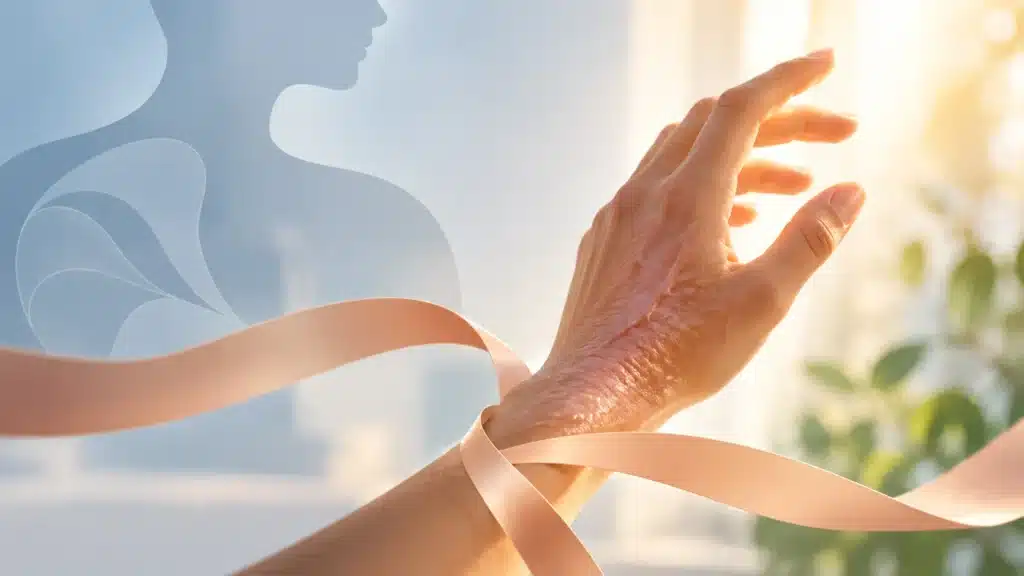
Burn injuries can change not only the skin but also the shape and function of body parts. When burns are deep, extensive, or not treated properly, they can lead to long-term changes called burn-related deformities. These deformities may affect the face, neck, hands, joints, or other areas. They can cause tightness, restricted movement, abnormal appearance, pain, and psychological distress.
Burn-related deformities happen because the healing process after a severe burn is complex. The body tries to repair damaged skin by forming scar tissue. This scar tissue is different from normal skin. It is less flexible, may pull on nearby structures, and can lead to contractures or abnormal positioning of limbs and joints. Over time, these changes can affect daily activities, work, and self-confidence.
What are Burn-Related Deformities?
Burn-related deformities are long-term changes in the shape, position, or function of body parts after a burn injury. These changes happen because deep burns damage not only the skin but also underlying tissues such as fat, muscles, tendons, and sometimes bones.
When the body heals, it forms scar tissue. Scar tissue is tighter and less elastic than normal skin. As it matures, it can shrink and pull on nearby structures. This pulling can cause joints to become stiff, fingers to curl, eyelids to turn outward, or the neck to bend forward. These changes are called contractures. In addition to functional problems, burn scars can also cause visible differences in appearance, which may affect a person’s self-image and social life.
Burn-related deformities can develop weeks, months, or even years after the original injury. They are more common after deep burns, large burns, or burns over joints and sensitive areas. Early treatment, proper wound care, and rehabilitation can reduce the risk, but some patients still need surgical correction later.
Types of Burn-Related Deformities
Burn deformities can be classified based on the area affected, the type of tissue involved, and the functional impact.
Based on the area affected
- Face and neck deformities, which may affect the eyes, lips, nose, or neck movement.
- Hand and finger deformities, which may cause curled fingers, webbed spaces, or stiff joints.
- Joint deformities, which may limit movement in the elbow, knee, shoulder, or ankle.
- Chest and trunk deformities, which may affect breathing or posture.
- Scalp and ear deformities, which may change the shape of the ear or hair-bearing areas.
Based on the type of deformity
- Contractures, where scar tissue tightens and pulls joints or skin into an abnormal position.
- Hypertrophic scars, which are raised, thick, and sometimes itchy or painful.
- Keloid scars, which grow beyond the original burn area and can be firm and raised.
- Webbing or syndactyly-like changes, where skin between fingers or toes becomes tight.
- Loss of tissue, where parts of the ear, nose, lip, or other structures are partially or fully lost.
- Pigment changes, where the skin becomes darker, lighter, or uneven in color.
Based on functional impact
- Mild deformities, which mainly affect appearance but allow normal function.
- Moderate deformities, which cause some limitation in movement or daily activities.
- Severe deformities, which significantly restrict function and may need complex reconstruction.
Causes of Burn-Related Deformities
Burn-related deformities result from the way deep burns heal and how scar tissue forms.
Common causes and contributing factors
- Deep burns that damage multiple layers of skin and underlying tissue.
- Large burns covering a significant body surface area.
- Burns over joints, face, hands, or other mobile areas.
- Delayed or inadequate initial treatment.
- Infection during the healing phase.
- Prolonged immobilization without proper positioning.
- Lack of early rehabilitation and physiotherapy.
- Genetic tendency to form thick or keloid scars.
- Poor nutrition during recovery.
- Repeated injury or friction over healing areas.
Why deformities develop
When skin is deeply burned, the body cannot regenerate normal skin. Instead, it forms scar tissue to close the wound. This scar tissue is less flexible and can shrink over time. As it shrinks, it pulls on nearby skin and structures. If the burn is over a joint, the tightening can limit movement. If it is on the face, it can distort features. Without proper care, these changes can become permanent and may need surgical correction.
Risk Factors for Burn-Related Deformities
Some people are more likely to develop deformities after a burn.
Higher-risk groups
- Patients with deep second-degree or third-degree burns.
- People with burns over joints, hands, face, or neck.
- Children, whose skin is thinner and who are still growing.
- Patients with delayed wound healing or infection.
- Individuals with poor nutrition or chronic illness.
- People who did not receive early rehabilitation.
- Patients with a history of keloid or hypertrophic scarring.
- Those with large burns requiring long hospital stays.
- Individuals with limited access to specialized burn care.
Why risk increases in these groups
- Deep burns cause more tissue damage and more scar formation.
- Joints and mobile areas are more prone to contractures.
- Growing children may develop deformities as they grow and scars tighten.
- Infection and delayed healing increase scar thickness.
- Poor nutrition slows proper tissue repair.
- Lack of movement and stretching allows scars to tighten unchecked.
Symptoms and Features of Burn-Related Deformities
Symptoms depend on the location, severity, and type of deformity.
Common features
- Tight, thick, or raised scar tissue.
- Restricted movement in joints or limbs.
- Abnormal positioning of fingers, hands, or limbs.
- Difficulty opening the mouth, eyes, or neck fully.
- Pain, itching, or discomfort in scar areas.
- Changes in skin color or texture.
- Visible differences in appearance that cause distress.
- Difficulty performing daily tasks such as eating, dressing, or walking.
Functional problems
- Inability to fully straighten or bend a joint.
- Difficulty gripping objects or using hands normally.
- Trouble turning the neck or looking upward.
- Problems closing or opening the eyes properly.
- Difficulty eating, speaking, or smiling due to facial tightness.
- Breathing discomfort if chest scars are tight.
- Walking difficulty if leg or foot scars limit movement.
Emotional and psychological impact
- Low self-esteem due to appearance changes.
- Social withdrawal or avoidance of public places.
- Anxiety or depression related to scarring.
- Difficulty adjusting to body image changes.
- Impact on work, relationships, or quality of life.
Burn-Related Deformities in Different Body Areas
Different areas of the body are affected in different ways.
Face and neck
- Tight scars can pull the eyelids, lips, or cheeks out of normal position.
- Neck contractures can make it hard to lift the head or look forward.
- Mouth opening may be limited, affecting eating and speech.
- Nasal or ear shape may be distorted.
Hands and fingers
- Fingers may curl inward and become difficult to straighten.
- Web spaces between fingers may become tight or closed.
- Thumb movement may be restricted, affecting grip.
- Palm scars can limit hand opening and function.
Joints and limbs
- Elbow, knee, shoulder, or ankle joints may become stiff.
- Limbs may be held in a bent position due to scar tightening.
- Walking, climbing stairs, or lifting arms may become difficult.
- Long-standing contractures can affect bones and joints over time.
Chest and trunk
- Tight chest scars can limit deep breathing.
- Posture may be affected if front or back chest skin is tight.
- Clothing may become uncomfortable due to scar sensitivity.
How are Burn-Related Deformities Diagnosed?
Diagnosis is based on medical history, physical examination, and assessment of function and appearance.
Diagnostic steps
- Detailed history of the burn injury, including cause, depth, and treatment.
- Review of previous surgeries, skin grafts, or rehabilitation.
- Assessment of scar type, thickness, color, and flexibility.
- Measurement of joint movement and range of motion.
- Evaluation of hand function, grip, and daily activities.
- Assessment of facial features, eye closure, mouth opening, and neck movement.
- Psychological evaluation if appearance-related distress is significant.
Additional tests that may be done
- Photographs to document deformity and track progress.
- Imaging if bone or joint involvement is suspected.
- Nerve conduction studies if numbness or weakness is present.
- Blood tests if surgery is planned or if healing is a concern.
Why diagnosis matters
Accurate assessment helps plan the right treatment. Some deformities need only therapy and splinting. Others need surgical release, skin grafts, or flaps. A clear diagnosis also helps set realistic expectations for improvement.
Treatment for Burn-Related Deformities
Treatment depends on the type and severity of deformity, the area involved, and the patient’s goals.
Non-surgical treatment
- Physiotherapy to improve joint movement and muscle strength.
- Occupational therapy to improve hand function and daily activities.
- Splinting to hold joints in a better position and prevent tightening.
- Scar massage to soften and flatten scar tissue.
- Pressure garments to reduce scar thickness and redness.
- Silicone sheets or gels to improve scar appearance.
- Steroid injections for thick or keloid scars.
- Laser therapy to reduce redness, thickness, or texture changes.
- Pain and itch management with medicines or creams.
Surgical treatment
Surgery is considered when deformities significantly affect function or appearance and non-surgical methods are not enough.
- Scar release, where tight scar tissue is cut to allow better movement.
- Skin grafting, where healthy skin from another area is used to cover the released area.
- Local flaps, where nearby skin and tissue are moved to cover the defect.
- Distant flaps or free flaps, where tissue from another body part is transferred with blood vessel connection.
- Z-plasty or other plastic surgery techniques to rearrange scar and improve alignment.
- Contracture release with tendon or joint procedures if deeper structures are involved.
- Eyelid, lip, or nose reconstruction for facial deformities.
- Hand reconstruction for finger and palm contractures.
- Multiple staged surgeries for complex or extensive deformities.
Combined approach
Many patients benefit from both surgery and rehabilitation.
- Surgery improves structure and movement.
- Therapy and splinting maintain the improvement.
- Pressure garments and scar care reduce recurrence.
- Long-term follow-up ensures stability and function.
Rehabilitation After Treatment
Rehabilitation is a key part of treatment for burn-related deformities.
Goals of rehabilitation
- Maintain or improve joint movement.
- Strengthen muscles around treated areas.
- Prevent recurrence of contractures.
- Improve hand function and daily activities.
- Support psychological adjustment and confidence.
Rehabilitation components
- Regular physiotherapy exercises as advised.
- Use of splints for recommended hours each day.
- Scar massage and moisturizing routines.
- Pressure garment use for prescribed duration.
- Gradual return to normal activities and work.
- Psychological support if needed for body image or social concerns.
Importance of long-term care
Burn scars can continue to change for months or years. Consistent care reduces the chance of deformity returning. Patients who follow therapy and scar care instructions usually have better long-term results.
Possible Complications
Burn-related deformities and their treatment can have complications.
Complications of untreated deformities
- Progressive tightening and loss of movement.
- Permanent joint stiffness or deformity.
- Increased pain, itching, or discomfort.
- Greater psychological distress over time.
- Difficulty performing basic daily tasks.
Complications after surgery
- Infection at the surgical site.
- Poor wound healing or graft failure.
- Recurrence of contracture or scar thickening.
- Need for additional surgeries.
- Changes in sensation or color in treated areas.
Why complications happen
Scar tissue is less healthy than normal skin. It has poorer blood supply and is more prone to tightening. If rehabilitation is not followed, scars can contract again. Complex deformities may need multiple procedures to achieve the best result.
When to See a Doctor
Medical evaluation is important for anyone with significant burn scars or functional limitations.
- Tight scars limiting joint movement.
- Difficulty using hands, walking, or performing daily tasks.
- Facial or neck scars affecting appearance or function.
- Pain, itching, or discomfort from scars.
- Psychological distress due to scarring.
- Recurrent skin breakdown over scar areas.
- Concerns about a child’s growth and scar tightening.
Prevention of Burn-Related Deformities
Not all deformities can be prevented, but risk can be reduced.
Prevention pointers
- Seek immediate and proper care for burn injuries.
- Follow wound care instructions carefully.
- Start early mobilization and positioning as advised.
- Begin physiotherapy and occupational therapy early.
- Use splints and pressure garments when recommended.
- Maintain good nutrition during healing.
- Avoid infection by keeping wounds clean and covered.
- Attend regular follow-up with burn or plastic surgery specialists.
- Educate family and caregivers about scar care and exercises.
For children
- Monitor growth and scar changes regularly.
- Ensure therapy is continued as the child grows.
- Use child-friendly splints and garments.
- Involve parents in daily exercise and scar care routines.
Why Choose Rama Hospital for Burn-Related Deformities Treatment?
Burn-related deformities require specialized care from plastic surgeons, burn specialists, physiotherapists, and occupational therapists. A hospital with experience in burn reconstruction can offer comprehensive treatment from initial assessment to long-term rehabilitation.
- Expert evaluation by plastic and reconstructive surgeons.
- Advanced surgical techniques for scar release and reconstruction.
- Integrated rehabilitation with physiotherapy and occupational therapy.
- Scar management programs including pressure garments and laser.
- Psychological support for patients and families.
- Long-term follow-up to monitor results and prevent recurrence.
Frequently Asked Questions (FAQs)
Can burn deformities be treated?
Yes, many burn deformities can be improved with therapy, splinting, scar care, and surgery. Treatment aims to restore movement, improve function, and enhance appearance. Multiple procedures may be needed for complex cases.
How long after a burn can deformities develop?
Deformities can develop weeks, months, or even years after the burn. Scars continue to mature and tighten over time. Early rehabilitation and regular follow-up can help reduce the risk of severe deformity.
Is surgery always needed for burn deformities?
No, surgery is not always needed. Mild deformities may be managed with therapy, splinting, and scar care. Surgery is considered when function or appearance is significantly affected and non-surgical methods are not enough.
Can children be treated for burn deformities?
Yes, children can be treated for burn deformities. Early intervention is important because growing bodies are more prone to contractures. Treatment may include therapy, splints, and surgery when appropriate.
How long does recovery take after surgery?
Recovery depends on the type and extent of surgery. Some patients see improvement in weeks, while others need months of therapy and scar care. Long-term follow-up is important to maintain results.
Can burn scars come back after treatment?
Scar tissue can tighten again if rehabilitation is not followed. Consistent therapy, splinting, and scar care reduce the risk of recurrence. Some patients may need additional procedures over time.
Will treatment improve appearance as well as function?
Yes, treatment aims to improve both function and appearance. Surgical techniques and scar management can reduce tightness, improve contour, and make scars less noticeable. Realistic expectations are discussed during consultation.
Conclusion
Burn-related deformities are common after deep or extensive burns and can affect movement, function, and appearance. They result from scar tissue tightening and can involve the face, hands, joints, or other body parts. While these changes can be challenging, many can be improved with the right treatment.
The most important steps are early rehabilitation, proper scar care, and timely evaluation by a specialist. For patients with restricted movement, painful scars, or significant appearance concerns, a detailed assessment can guide the best treatment plan. With a combination of therapy, surgery, and long-term care, patients can regain function, improve appearance, and enhance their quality of life.
Rama Hospital can help evaluate burn-related deformities, offer surgical and non-surgical treatment options, and provide comprehensive rehabilitation support to help patients recover confidence and function after burn injury.