Transurethral Resection of Prostate, commonly known as TURP, is one of the most widely performed surgical treatments for men with an enlarged prostate. It is used to relieve urinary symptoms caused by benign prostatic hyperplasia, or BPH. When the prostate grows larger with age, it can press on the urethra and block urine flow. This leads to frequent urination, weak stream, difficulty starting urination, nighttime urination, urgency, and sometimes incomplete emptying of the bladder.
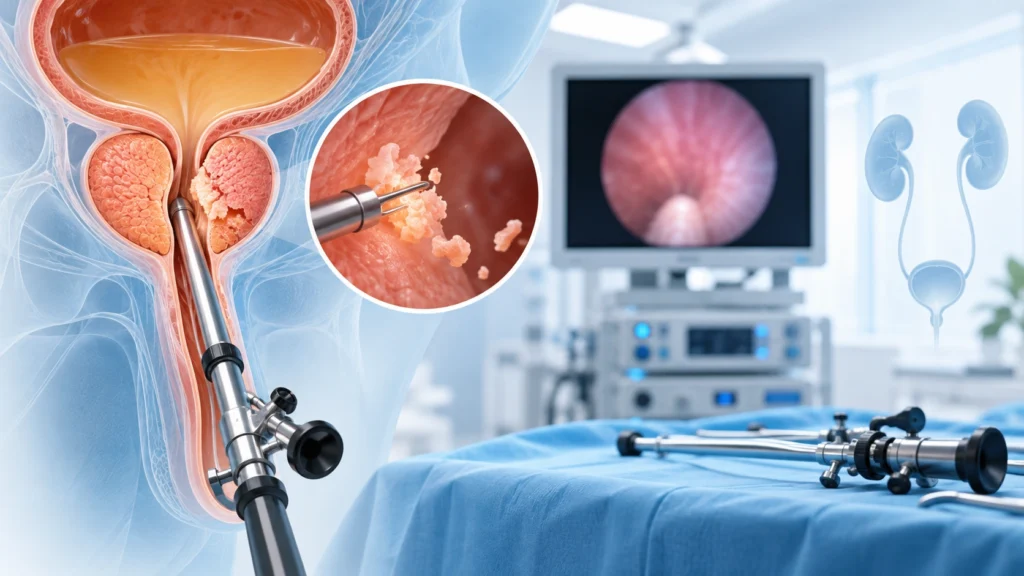
TURP is a minimally invasive procedure that removes excess prostate tissue through the urethra without any external cuts. A special instrument called a resectoscope is passed through the penis into the urethra. Using a loop or laser, the surgeon trims away the enlarged prostate tissue that is blocking urine flow. This opens up the channel and allows urine to pass more freely.
What is TURP?
TURP stands for Transurethral Resection of Prostate. It is a surgical procedure used to treat urinary problems caused by an enlarged prostate. The term transurethral means through the urethra, which is the tube that carries urine from the bladder out of the body. Resection means cutting or removing tissue.
During TURP, the surgeon does not make any cuts on the skin. Instead, a thin instrument is passed through the urethra to reach the prostate. Using a special loop or laser, the surgeon removes the inner part of the prostate that is pressing on the urethra. This creates a wider channel for urine to flow.
TURP is considered the gold standard treatment for moderate to severe BPH when medicines are not enough. It provides long-lasting relief of urinary symptoms and improves quality of life for most men.
Why is TURP Done?
TURP is recommended when an enlarged prostate causes significant urinary symptoms or complications.
Common reasons for TURP
- Weak or slow urine stream.
- Difficulty starting urination.
- Frequent urination, especially at night.
- Urgency or sudden need to pass urine.
- Feeling of incomplete bladder emptying.
- Dribbling of urine after finishing.
- Recurrent urinary tract infections.
- Blood in urine due to prostate enlargement.
- Bladder stones caused by poor emptying.
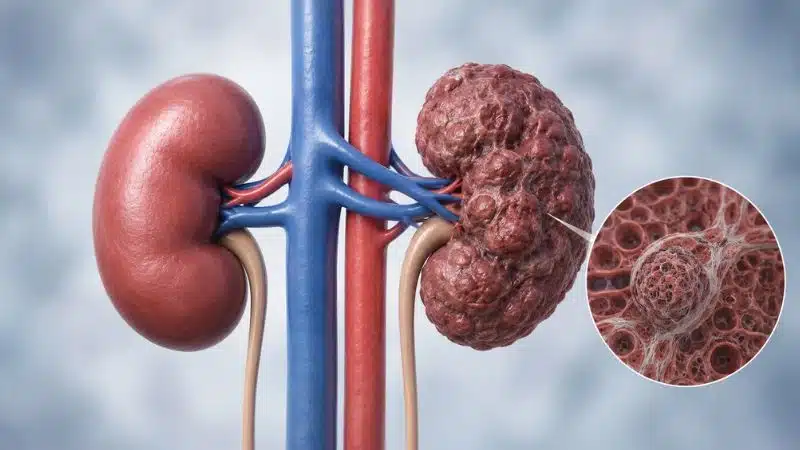
- Kidney problems due to long-standing obstruction.
- Inability to pass urine, requiring a catheter.
- Symptoms not improving with medicines.
Goals of TURP
- Relieve urinary obstruction.
- Improve urine flow.
- Reduce frequency and urgency.
- Prevent complications such as infections or kidney damage.
- Improve quality of life and sleep.
- Reduce or eliminate the need for long-term catheter.
How is TURP Performed?
TURP is a well-established procedure with a standard technique. The exact method may vary slightly depending on the surgeon and available technology.
Before the procedure
- Patient is evaluated with history, examination, and tests.
- Urine test is done to rule out infection.
- Blood tests are done to check overall health.
- Imaging such as ultrasound may be done to assess prostate and bladder.
- Urine flow test and post-void residual may be measured.
- Medicines are reviewed and adjusted as needed.
- Fasting is advised for several hours before surgery.
During the procedure
- Patient is given anesthesia, either general or spinal.
- A resectoscope is passed through the urethra into the prostate area.
- A camera allows the surgeon to see the prostate clearly.
- A wire loop or laser is used to cut away excess prostate tissue.
- The removed tissue is sent for laboratory examination.
- Bleeding is controlled during the procedure.
- A catheter is placed to drain urine after surgery.
- The procedure usually takes about one to two hours.
After the procedure
- Patient is moved to a recovery area for monitoring.
- Catheter remains in place for a short period.
- Urine may appear pink or slightly bloody initially.
- Pain or burning during urination may occur for a few days.
- Most patients stay in the hospital for one to three days.
- Discharge instructions are given before going home.
Types of TURP Techniques
There are different ways to perform TURP, depending on the equipment and surgeon expertise.
Standard TURP with electrocautery
- Uses an electrically heated wire loop to cut tissue.
- Most common and widely available technique.
- Effective for most prostate sizes.
- Well-established safety and outcome data.
Bipolar TURP
- Uses bipolar energy instead of monopolar energy.
- May reduce certain risks such as fluid absorption.
- Suitable for patients with specific medical conditions.
- Similar effectiveness to standard TURP.
Laser TURP or laser prostate surgery
- Uses laser energy to vaporize or remove prostate tissue.
- May cause less bleeding in some cases.
- Suitable for patients on blood thinners in selected situations.
- Recovery may be slightly faster in some patients.
Choice of technique
- Depends on prostate size and shape.
- Depends on patient health and medicines.
- Depends on surgeon experience and hospital facilities.
- All techniques aim to relieve obstruction and improve flow.
Preparation for TURP
Proper preparation helps ensure a smooth procedure and recovery.
Medical evaluation
- Detailed history of urinary symptoms.
- Physical examination including prostate assessment.
- Review of existing medical conditions.
- Assessment of heart, lung, and kidney health.
- Evaluation of bleeding risk and medications.
Tests that may be done
- Urine routine and culture.
- Blood tests including hemoglobin, kidney function, and sugar.
- PSA test to assess prostate health.
- Ultrasound of prostate, bladder, and kidneys.
- Urine flow study and post-void residual measurement.
- ECG and chest evaluation if needed.
Medication review
- Blood thinners may need to be paused or adjusted.
- Diabetes medicines may need dose changes.
- Blood pressure medicines are usually continued.
- Herbal supplements may need to be stopped temporarily.
- All changes should be done only under medical advice.
Lifestyle preparation
- Stop smoking if possible to improve healing.
- Limit alcohol before surgery.
- Maintain good hydration unless advised otherwise.
- Arrange for help at home during early recovery.
- Plan for time off work and reduced activity.
Anesthesia for TURP
TURP is performed under anesthesia to ensure comfort and safety.
Types of anesthesia
- General anesthesia, where the patient is fully asleep.
- Spinal anesthesia, where the lower body is numbed.
- Choice depends on patient health and surgeon preference.
What to expect
- Anesthesia team evaluates the patient before surgery.
- Risks and benefits are explained.
- Patient is monitored closely during the procedure.
- Pain is well controlled during and after surgery.
Recovery After TURP
Recovery is usually smooth, but it takes some time for the body to heal and for urinary symptoms to fully improve.
Hospital stay
- Most patients stay one to three days.
- Catheter is usually removed within one to three days.
- Vital signs and urine output are monitored.
- Pain and discomfort are managed with medicines.
At home recovery
- Mild burning or discomfort during urination is common.
- Urine may be pink or lightly blood-stained for some days.
- Frequency and urgency may persist for a few weeks.
- Gradual improvement in urine flow over time.
- Avoid heavy lifting and straining for a few weeks.
- Drink adequate fluids unless advised otherwise.
- Take prescribed medicines regularly.
Activity restrictions
- Avoid heavy exercise for at least two to four weeks.
- Avoid cycling or activities that put pressure on the perineum.
- Avoid driving until comfortable and off strong pain medicines.
- Sexual activity may be paused for a few weeks as advised.
- Gradual return to normal routine as tolerated.
Follow-up care
- First follow-up is usually within one to two weeks.
- Catheter site and healing are checked.
- Urine test may be repeated.
- Further visits are scheduled based on recovery.
- Long-term follow-up for prostate and urinary health.
Benefits of TURP
TURP offers significant benefits for men with bothersome urinary symptoms due to enlarged prostate.
Symptom relief
- Improved urine flow and strength.
- Reduced difficulty in starting urination.
- Less straining during urination.
- Reduced frequency and nighttime urination.
- Better bladder emptying.
- Less urgency and leakage.
Long-term benefits
- Durable relief for many years in most patients.
- Reduced risk of urinary retention.
- Lower chance of recurrent infections.
- Prevention of bladder and kidney complications.
- Improved sleep and daily comfort.
- Better quality of life and confidence.
Comparison with medicines
- TURP provides more complete relief than medicines in many cases.
- Medicines may not work well for large prostates or severe symptoms.
- TURP reduces or eliminates the need for long-term prostate medicines.
- Some men may still need medicines for overactive bladder symptoms.
Risks and Side Effects
Like any surgery, TURP has potential risks and side effects. Most are temporary and manageable.
Common side effects
- Burning or discomfort during urination.
- Blood in urine for a few days.
- Increased frequency or urgency initially.
- Temporary difficulty controlling urine.
- Mild pain in the lower abdomen or perineum.
Less common risks
- Infection in urine or surgical area.
- Bleeding requiring additional treatment.
- Need for blood transfusion in rare cases.
- Narrowing of the urethra or bladder neck.
- Need for repeat procedure in some patients.
- Retrograde ejaculation, where semen goes into the bladder.
- Temporary or persistent erectile dysfunction in some men.
- Urinary incontinence in a small percentage of patients.
Why risks happen: Surgery involves cutting tissue inside the urethra and prostate. Healing takes time, and some changes in urinary and sexual function can occur. Most men recover well with proper care and follow-up.
Lifestyle Changes After TURP
Lifestyle adjustments support recovery and long-term urinary health.
Helpful habits
- Drink adequate fluids throughout the day.
- Avoid excessive caffeine and alcohol.
- Do not hold urine for long periods.
- Maintain regular bowel habits to avoid straining.
- Keep weight under control.
- Follow up regularly with the urologist.
- Report any new or worsening symptoms early.
Activities to avoid initially
- Heavy lifting or strenuous exercise.
- Cycling or horse riding for a few weeks.
- Sexual activity until cleared by the doctor.
- Long travel without access to toilets in early recovery.
Long-Term Care After TURP
Long-term care focuses on maintaining urinary health and monitoring prostate status.
Ongoing monitoring
- Regular check-ups for urinary symptoms.
- Periodic urine tests if needed.
- PSA monitoring as advised.
- Ultrasound or flow tests if symptoms recur.
Managing expectations
- Most men have lasting improvement in urine flow.
- Some may have mild frequency or urgency that improves over time.
- A small number may need additional treatment later.
- Sexual function changes should be discussed openly with the doctor.
When Should You Seek Medical Help?
Most recovery is smooth, but some symptoms need prompt attention.
- Fever or chills.
- Severe pain not relieved by medicines.
- Heavy bleeding or large clots in urine.
- Inability to pass urine.
- Foul-smelling urine with burning.
- Worsening weakness or dizziness.
- Persistent leakage of urine beyond expected time.
Why Choose Rama Hospital for TURP?
TURP requires skilled urological care, proper anesthesia support, and good post-operative management. A hospital with experienced urologists and modern facilities can provide safe and effective treatment.
- Expert evaluation of prostate and urinary symptoms.
- Advanced endoscopic equipment for TURP.
- Experienced anesthesia and critical care support.
- Structured recovery and follow-up protocols.
- Coordination with other specialties if needed.
Frequently Asked Questions (FAQs)
Is TURP a major surgery?
TURP is considered a standard urological surgery but is minimally invasive because there are no external cuts. It is done under anesthesia and requires a short hospital stay. Most patients recover well with proper care.
How long does TURP take?
The procedure usually takes about one to two hours, depending on prostate size and technique. Total time in the operating room may be longer due to anesthesia and preparation.
Will I need a catheter after TURP?
Yes, a catheter is usually placed after TURP to drain urine while the area heals. It is typically removed within one to three days, depending on bleeding and recovery.
How long does recovery take?
Most men feel significantly better within a few weeks. Full healing and stabilization of urinary symptoms may take several weeks to a few months. Follow-up visits help monitor progress.
Can TURP affect sexual function?
TURP can affect sexual function in some men. Retrograde ejaculation is common, where semen goes into the bladder instead of out. Erectile function may change in some cases. These issues should be discussed with the urologist.
Will I need medicines after TURP?
Some men may still need medicines for bladder symptoms or prostate health. Many can stop or reduce BPH medicines after TURP. The plan depends on individual symptoms and test results.
Can TURP be repeated if needed?
Yes, TURP can be repeated in some cases if prostate tissue grows again or symptoms return. Other procedures may also be considered based on the situation and prostate size.
Conclusion
Transurethral Resection of Prostate, or TURP, is a well-established and effective treatment for men with urinary problems caused by an enlarged prostate. It provides significant relief of symptoms, improves urine flow, and reduces the risk of complications such as infections, bladder damage, and kidney problems. While it is a surgical procedure, it is minimally invasive and has a good safety profile when performed by experienced urologists.
The most important steps are proper evaluation, clear understanding of benefits and risks, and careful post-operative care. For men with persistent urinary symptoms despite medicines, TURP can offer lasting improvement and better quality of life.
Rama Hospital can help evaluate prostate symptoms, determine if TURP is appropriate, and provide comprehensive care from pre-operative assessment to surgery, recovery, and long-term follow-up.