Stem cell therapy is one of the most advanced and promising areas of modern medicine. It uses the body’s own repair system to heal damaged tissues, reduce inflammation, and support recovery in conditions that were once considered difficult to treat. Unlike traditional medicines that mainly manage symptoms, stem cell therapy aims to address the root cause by promoting regeneration and repair.
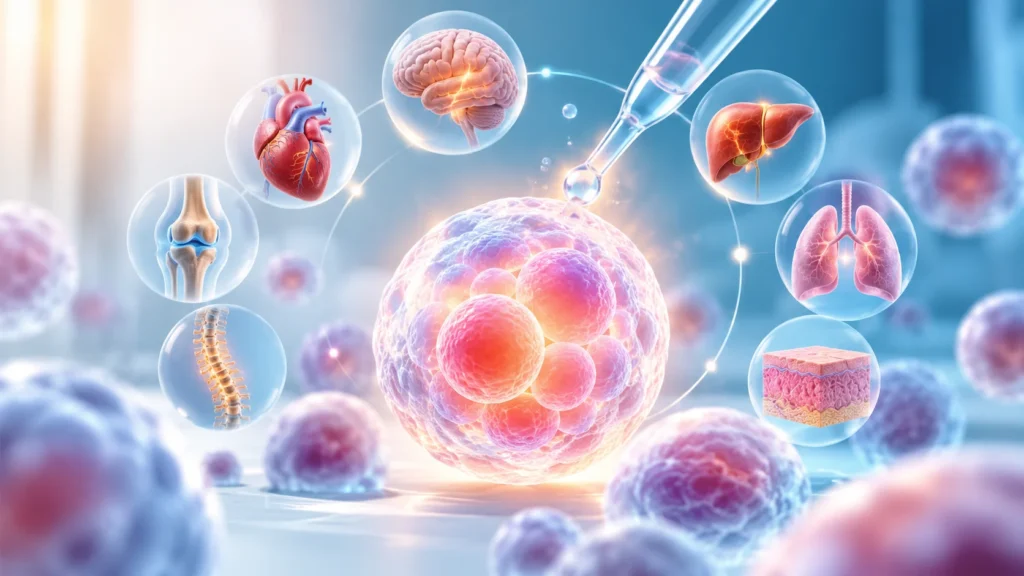
Stem cells are unique cells that can develop into different types of cells in the body. They can turn into bone, cartilage, muscle, nerve, blood, or other specialized cells depending on the body’s needs. This ability makes them valuable for treating injuries, degenerative diseases, autoimmune conditions, and certain blood disorders.
What are Stem Cells?
Stem cells are the body’s raw materials. They are unspecialized cells that have the unique ability to develop into many different cell types. They can divide and renew themselves over long periods, and under the right conditions, they can become specialized cells with specific functions.
Key features of stem cells
- Ability to self-renew and make copies of themselves.
- Potential to differentiate into specialized cell types.
- Capacity to repair or replace damaged tissues.
- Presence in various parts of the body such as bone marrow, fat, blood, and embryonic tissue.
- Role in natural healing and regeneration.
Types of stem cells
- Embryonic stem cells, which can become almost any cell type but are used mainly in research.
- Adult or somatic stem cells, which are found in tissues like bone marrow and fat and are used in clinical therapy.
- Induced pluripotent stem cells, which are reprogrammed in the lab to behave like embryonic stem cells.
- Mesenchymal stem cells, which are commonly used for orthopedic and regenerative treatments.
How Does Stem Cell Therapy Work?
Stem cell therapy works by introducing healthy stem cells into damaged or diseased areas to promote healing. The cells can reduce inflammation, stimulate tissue repair, and encourage the growth of new, healthy cells.
Mechanism of action
- Stem cells home in on areas of injury or inflammation.
- They release growth factors and signaling molecules.
- They stimulate local cells to repair and regenerate.
- They may differentiate into needed cell types in some cases.
- They modulate the immune system to reduce harmful inflammation.
Sources of stem cells
- Bone marrow, which is a rich source of hematopoietic and mesenchymal stem cells.
- Adipose or fat tissue, which contains regenerative mesenchymal cells.
- Peripheral blood, which can be mobilized to release stem cells.
- Umbilical cord tissue, which is used in select therapies and research.
- Donor cells in specific conditions such as blood disorders.
Conditions Treated with Stem Cell Therapy
Stem cell therapy is used in a wide range of conditions across different specialties.
Orthopedic and musculoskeletal conditions
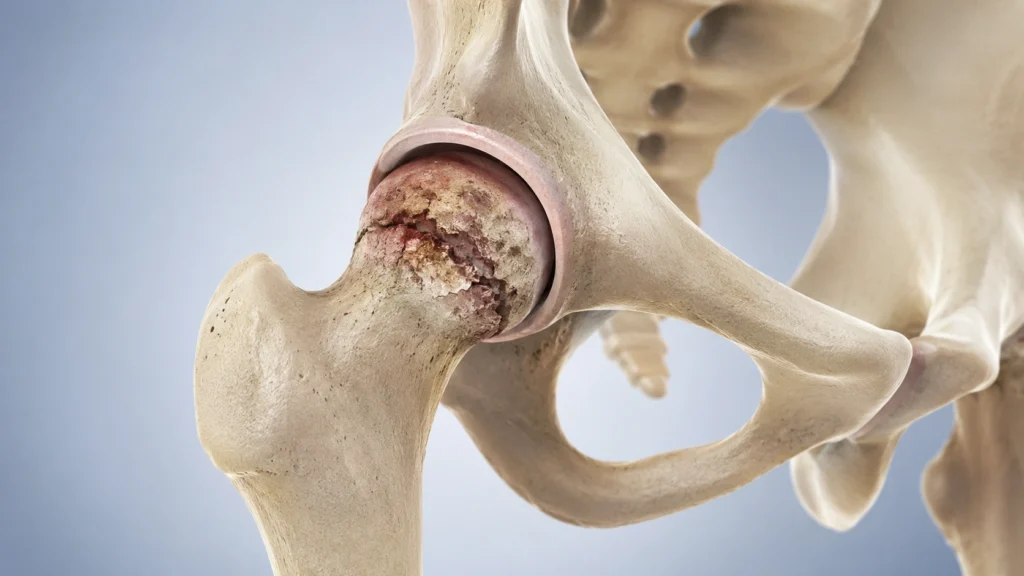
- Osteoarthritis of knee, hip, shoulder, and other joints.
- Cartilage damage and degeneration.
- Tendon and ligament injuries.
- Sports injuries and chronic joint pain.
- Degenerative disc disease and spine conditions.
- Non-healing fractures or bone defects.
Neurological conditions
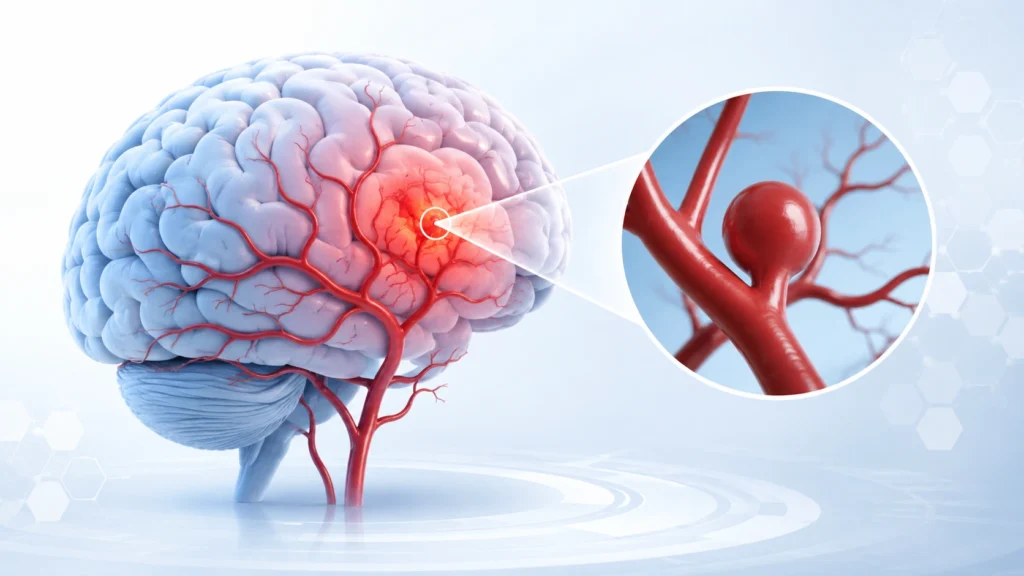
- Stroke recovery and rehabilitation support.
- Spinal cord injury in selected cases.
- Peripheral nerve damage.
- Certain degenerative neurological disorders under research protocols.
Autoimmune and inflammatory conditions
- Rheumatoid arthritis.
- Multiple sclerosis in specialized centers.
- Inflammatory bowel disease in select cases.
- Systemic autoimmune conditions under careful supervision.
Blood and immune disorders
- Leukemia and lymphoma treated with bone marrow transplant.
- Aplastic anemia and bone marrow failure.
- Certain genetic blood disorders.
- Immune deficiency conditions.
Other applications
- Heart disease and cardiac repair in research settings.
- Liver disease support in specialized programs.
- Wound healing and tissue repair.
- Diabetic complications under investigation.
Procedure for Stem Cell Therapy
The procedure varies depending on the condition, source of cells, and treatment goal. Most therapies follow a structured process.
Step 1: Evaluation and eligibility
- Detailed medical history and physical examination.
- Review of previous treatments and current medications.
- Imaging or laboratory tests as needed.
- Discussion of goals, expectations, and risks.
- Confirmation of suitability for stem cell therapy.
Step 2: Stem cell collection
- Bone marrow aspiration from the hip bone under local or general anesthesia.
- Fat tissue harvesting through a minor liposuction procedure.
- Blood collection with mobilization agents in some cases.
- Donor cell collection for specific blood disorders.
- Processing in a sterile laboratory to isolate stem cells.
Step 3: Preparation and concentration
- Cells are processed to concentrate the therapeutic component.
- Quality checks are performed to ensure safety.
- Cells are prepared for injection or infusion.
- The procedure is planned based on the target area.
Step 4: Administration of stem cells
- Injection into joints, muscles, or tendons for orthopedic conditions.
- Intravenous infusion for systemic or blood-related conditions.
- Direct delivery to the spine or nervous system in select cases.
- Image-guided placement for precision in deep structures.
- Procedure time varies from minutes to a few hours.
Step 5: Post-procedure care
- Monitoring for immediate reactions.
- Pain management if needed.
- Activity restrictions for a short period.
- Follow-up appointments to assess progress.
- Rehabilitation or physiotherapy when indicated.
Benefits of Stem Cell Therapy
Stem cell therapy offers several potential benefits compared to conventional treatments.
Therapeutic benefits
- Promotion of tissue repair and regeneration.
- Reduction of inflammation and pain.
- Improvement in joint function and mobility.
- Support for nerve recovery in select conditions.
- Potential to delay or avoid surgery in some cases.
- Use of the body’s own cells in many therapies.
Patient-centered benefits
- Minimally invasive in many orthopedic applications.
- Shorter recovery time compared to major surgery.
- Outpatient procedure in many cases.
- Personalized treatment based on individual needs.
- Option for patients who have not responded to other treatments.
Safety and Risks of Stem Cell Therapy
Stem cell therapy is generally safe when performed by qualified specialists in a regulated setting. However, like any medical procedure, it carries some risks.
Common side effects
- Pain or discomfort at the collection site.
- Swelling or bruising at the injection site.
- Temporary increase in pain or stiffness.
- Mild fever or fatigue after the procedure.
- Headache or nausea in some cases.
Rare but serious risks
- Infection at the injection or infusion site.
- Allergic reaction to processed cells or additives.
- Bleeding or hematoma formation.
- Nerve or vessel injury during injection.
- Unintended cell growth in unregulated settings.
Why safety matters
- Proper patient selection reduces complications.
- Sterile technique prevents infection.
- Image guidance improves accuracy and safety.
- Regulated processing ensures cell quality.
- Experienced teams manage risks effectively.
Recovery After Stem Cell Therapy
Recovery depends on the condition treated, the source of cells, and the individual’s health.
Recovery after orthopedic therapy
- Mild soreness for a few days is common.
- Gradual improvement in pain and function over weeks.
- Physiotherapy may be recommended for best results.
- Avoid heavy loading of the treated area initially.
- Follow-up imaging or assessment to monitor progress.
Recovery after systemic therapy
- Observation for a few hours after infusion.
- Monitoring for fever, rash, or other reactions.
- Blood tests to check counts and response.
- Gradual return to normal activities.
- Long-term follow-up for chronic conditions.
General recovery tips
- Follow activity restrictions as advised.
- Take prescribed medicines on time.
- Attend all follow-up appointments.
- Report any unusual symptoms promptly.
- Maintain a healthy lifestyle to support healing.
Limitations of Stem Cell Therapy
While promising, stem cell therapy is not a cure-all and has important limitations.
Important limitations
- Not all conditions respond to stem cell therapy.
- Results vary from person to person.
- Multiple sessions may be needed for some conditions.
- Long-term data is still evolving for many applications.
- Not all clinics follow regulated and safe practices.
Realistic expectations
- Improvement may be gradual over weeks to months.
- Complete reversal of advanced disease is not always possible.
- Some patients may need additional treatments.
- Stem cells support healing but do not guarantee a cure.
- Ongoing medical care remains important.
When to Consider Stem Cell Therapy
Stem cell therapy may be considered when conventional treatments have not provided sufficient relief or when regeneration is a key goal.
Consider therapy if:
- You have chronic joint pain or osteoarthritis.
- You have tendon or ligament injuries not healing well.
- You have a blood disorder that may benefit from transplant.
- You are exploring options to delay or avoid surgery.
- You have a condition where regeneration may help.
- You have discussed risks and benefits with a specialist.
Seek evaluation at a hospital if:
- You want treatment in a regulated and safe environment.
- You need multidisciplinary care and follow-up.
- You have complex medical conditions.
- You want access to advanced imaging and procedures.
Why Choose Rama Hospital for Stem Cell Therapy?
Stem cell therapy requires expertise, advanced infrastructure, and strict safety protocols. A hospital-based program ensures that patients receive care that is evidence-based, regulated, and personalized.
- Evaluation by qualified specialists in relevant fields.
- Access to advanced imaging and laboratory support.
- Sterile processing and quality control of cells.
- Multidisciplinary care for complex conditions.
- Long-term follow-up and outcome tracking.
- Patient education and informed consent.
Frequently Asked Questions (FAQs)
Is stem cell therapy safe?
When performed by qualified specialists in a regulated hospital setting, stem cell therapy is generally safe. Like any medical procedure, it has potential side effects and risks that should be discussed with a doctor.
How long does the procedure take?
The procedure time varies depending on the type of therapy. Some orthopedic injections take less than an hour, while bone marrow transplants or systemic therapies may take several hours or require hospital stay.
Is stem cell therapy painful?
Most patients experience mild discomfort at the collection or injection site. Pain is usually manageable with local anesthesia or simple pain relief. Severe pain is uncommon when the procedure is done properly.
How soon can I see results?
Results vary by condition and individual. Some patients notice improvement in pain and function within weeks, while others may take several months. Regenerative processes are gradual and continue over time.
Can stem cell therapy cure my condition?
Stem cell therapy can improve symptoms, support healing, and enhance function, but it is not a guaranteed cure for all conditions. Realistic expectations and medical guidance are important for best outcomes.
Are the results permanent?
Results can be long-lasting, especially in orthopedic conditions, but they depend on the disease severity and lifestyle factors. Some patients may need repeat treatments or additional therapies over time.
Is stem cell therapy approved for all diseases?
No, stem cell therapy is approved and established for certain conditions such as blood disorders and some orthopedic uses. Many other applications are still under research and should be approached with caution.
Conclusion
Stem cell therapy represents a significant advance in regenerative medicine, offering new hope for patients with joint damage, chronic pain, blood disorders, and other difficult-to-treat conditions. By harnessing the body’s natural repair system, it aims to restore function, reduce inflammation, and improve quality of life.
The most important steps are proper patient selection, treatment in a regulated hospital environment, realistic expectations, and long-term follow-up. For patients considering stem cell therapy, a thorough evaluation by qualified specialists can help determine whether it is a suitable option. With the right care, patients can achieve meaningful improvement and better overall health.
Rama Hospital can help evaluate eligibility for stem cell therapy, provide safe and evidence-based treatment, and support patients through recovery and long-term care with a focus on safety, transparency, and patient well-being.