The shoulder joint allows a wide range of movement for daily activities such as reaching, lifting, dressing, and working. When the joint becomes damaged due to arthritis, injury, or degeneration, even simple movements can become painful and difficult. Over time, patients may find it hard to sleep, lift objects, comb their hair, or perform routine tasks without discomfort.
Shoulder replacement surgery is designed to help patients who have tried medicines, injections, and physiotherapy but still face severe pain and limited function. It is not the first option for every patient, but for those with advanced joint damage, it can provide significant relief and a better quality of life.
At Rama Hospital, shoulder replacement care is structured so patients understand why the procedure is needed, what it involves, what recovery looks like, and how to protect the new joint for the long term. This approach is especially important because this is a major decision that requires clear information, realistic expectations, and consistent follow-up.
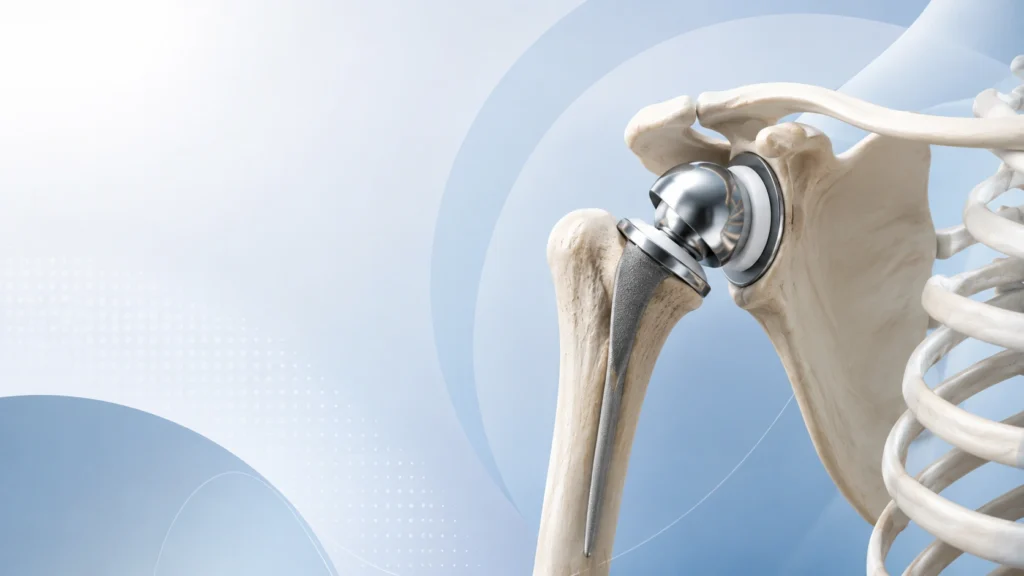
Shoulder replacement is a surgical procedure in which the damaged parts of the shoulder joint are replaced with artificial implants. The shoulder joint is a ball-and-socket joint, where the head of the upper arm bone fits into the socket of the shoulder blade. When this joint is damaged, the smooth surfaces that allow pain-free movement can become rough, uneven, or destroyed.
The surgeon removes the damaged bone and cartilage and replaces them with metal and plastic components that replicate the natural shape of the joint. This allows the shoulder to move more smoothly and with less pain.
Shoulder replacement is also known as:
The exact type of replacement depends on the patient’s condition, the pattern of joint damage, and the surgeon’s recommendation.
Shoulder replacement is usually considered when the shoulder joint is severely damaged and non-surgical treatment is no longer providing enough relief.
You may need shoulder replacement if you have:
This is not for every patient. It is generally recommended when the joint damage is advanced and the benefits of surgery are expected to outweigh the risks.
There are different types of shoulder replacement depending on the cause and pattern of joint damage.
Shoulder joint damage can happen for several reasons. Understanding the cause helps patients understand why replacement may be needed.
Common causes include:
Risk factors that may increase the chance of joint damage include:
Patients with advanced shoulder joint damage often experience a combination of pain, stiffness, and loss of function.
Common symptoms include:
When these symptoms persist despite treatment and the joint damage is severe, shoulder replacement may be considered.
Before recommending this, the doctor first confirms the diagnosis and evaluates the extent of joint damage.
The goal of diagnosis is to determine whether the pain is coming from the joint itself, the rotator cuff, the neck, or another source, and whether replacement is the most appropriate option.
Common diagnostic steps
| Topic | What it means |
| Purpose | Replace damaged shoulder joint to reduce pain and improve function. |
| Main use | Advanced shoulder arthritis, joint damage, or irreparable rotator cuff problems. |
| Implants used | Metal and plastic components that replicate the natural joint. |
| Hospital stay | Usually a few days, depending on recovery and overall health. |
| Recovery | Gradual improvement over weeks to months with physiotherapy. |
| Feature | Shoulder Replacement | Arthroscopy |
| Main target | Damaged joint surfaces. | Ligaments, tendons, or minor joint issues. |
| Best for | Advanced arthritis and severe joint damage. | Early disease, tears, or instability. |
| Invasiveness | Major joint replacement surgery. | Minimally invasive in many cases. |
| Recovery | Longer recovery with structured rehab. | Often faster recovery. |
| Durability | Long-term relief in suitable patients. | Depends on the problem and tissue quality. |
Not all shoulder pain needs surgery. Doctors usually begin with non-surgical treatment, especially when joint damage is mild or moderate.
Non-surgical treatment may include:
If these measures are not enough and the joint damage is advanced, this may become the more effective option.
Shoulder replacement is a carefully planned operation performed in a hospital with advanced surgical and anesthesia support. The exact details depend on the patient’s joint condition and the type of replacement planned.
Before the operation
During the operation
After implant placement
Immediate post-operative care
| Procedure Stage | Key Points |
| Pre-op planning | Review imaging, joint damage, rotator cuff status, and surgical fitness. |
| Anesthesia | General or regional anesthesia is used. |
| Incision | Made over the shoulder to access the joint. |
| Joint preparation | Damaged bone and cartilage are removed. |
| Implant placement | Metal and plastic components are fixed in position. |
| Post-op care | Sling, pain control, and early guided movement. |
| Type of Replacement | When it is used |
| Total shoulder replacement | When both ball and socket are damaged. |
| Partial shoulder replacement | When only the ball is damaged and the socket is healthy. |
| Reverse shoulder replacement | When the rotator cuff is badly damaged or the shoulder is unstable. |
| Revision replacement | When a previous replacement needs to be changed. |
The main goal of this is to reduce pain and improve function. Many patients experience better movement, less pain, and improved ability to perform daily tasks after recovery.
The exact improvement depends on the condition of the shoulder before surgery, the type of replacement, and the patient’s effort during rehabilitation.
Benefits may include:
Shoulder replacement is a major surgery, so it carries risks that should be discussed clearly before the operation.
The actual risk depends on age, bone quality, rotator cuff condition, overall health, and surgical complexity. That is why detailed pre-operative evaluation and careful surgical planning matter so much.
Possible risks include:
Recovery after replacement is gradual. Patients usually stay in the hospital for a short period, with initial care focused on pain control, wound care, and safe movement.
Early recovery
Home recovery
Long-term recovery goals
A good recovery depends on both surgery and aftercare. Patients who follow the medical plan closely generally do better.
Helpful tips include:
Rama Hospital provides expert evaluation and surgical support for patients who need shoulder replacement for advanced joint disease. The focus is on safe planning, skilled surgery, and structured recovery.
Reasons to choose Rama Hospital:
You should see an orthopedic or shoulder specialist if you have:
Seek prompt medical attention if pain is severe, sudden, or accompanied by deformity, inability to move the arm, or signs of infection after surgery.
Shoulder replacement is a surgery where the damaged parts of the shoulder joint are replaced with artificial implants to reduce pain and improve movement.
Yes, it is a major joint replacement procedure, but it is well-established and commonly performed for advanced shoulder arthritis and joint damage.
The operation usually takes a few hours, depending on the complexity and the type of replacement being done.
Recovery happens in stages and may take weeks to months. Patients usually need time for wound healing, physiotherapy, and gradual return to activity.
Yes, a sling is usually used for some time after surgery to protect the shoulder while healing begins.
Yes, many older patients undergo shoulder replacement successfully. The decision depends on overall health, bone quality, and surgical fitness.
Shoulder implants can last many years, but the exact duration depends on the patient’s activity level, bone health, and how well the joint is protected.
Some pain is expected after surgery, but it is managed with medicines. Pain usually improves steadily as healing and rehabilitation progress.
Shoulder replacement surgery is an important treatment option for patients with severe shoulder pain and advanced joint damage who have not improved with non-surgical care. By replacing the damaged joint with artificial components, the procedure can reduce pain, improve movement, and help patients regain independence in daily life.
At Rama Hospital, replacement care is planned with detailed orthopedic assessment, surgical expertise, and post-operative support so patients and families understand every stage of the journey.
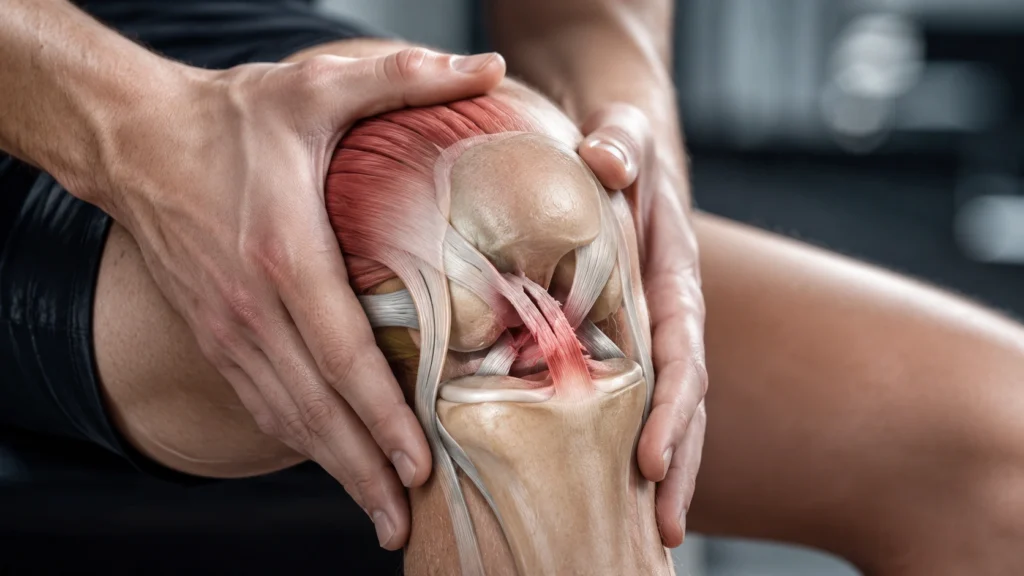
Shoulder replacement surgery also is called shoulder arthroplasty (ARTH-row-plas-tee).
No rows found.