-

-

RIRS (Retrograde Intrarenal Surgery)

RIRS (Retrograde Intrarenal Surgery)

RIRS (Retrograde Intrarenal Surgery)

RIRS for Kidney Stones: Procedure, Benefits and Recovery

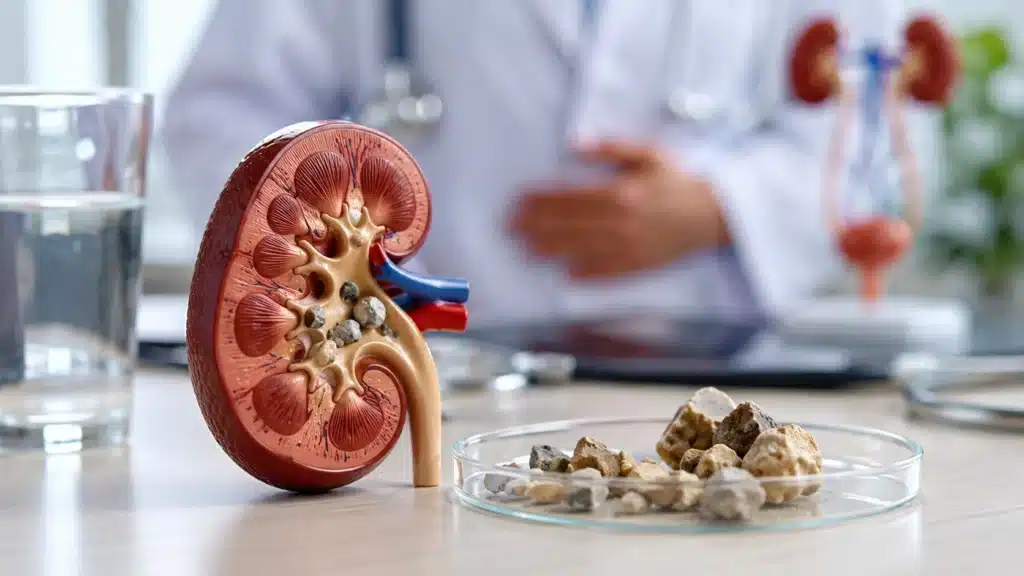
Some kidney stones pass on their own. You drink water, manage the pain, and wait it out. But some stones don’t play by those rules.

They settle into the deepest corners of the kidney, small, hidden pockets that standard instruments simply weren’t built to reach. For years, that meant one thing: major surgery, a long recovery, and a lot of anxiety in between.

That’s no longer the only path.

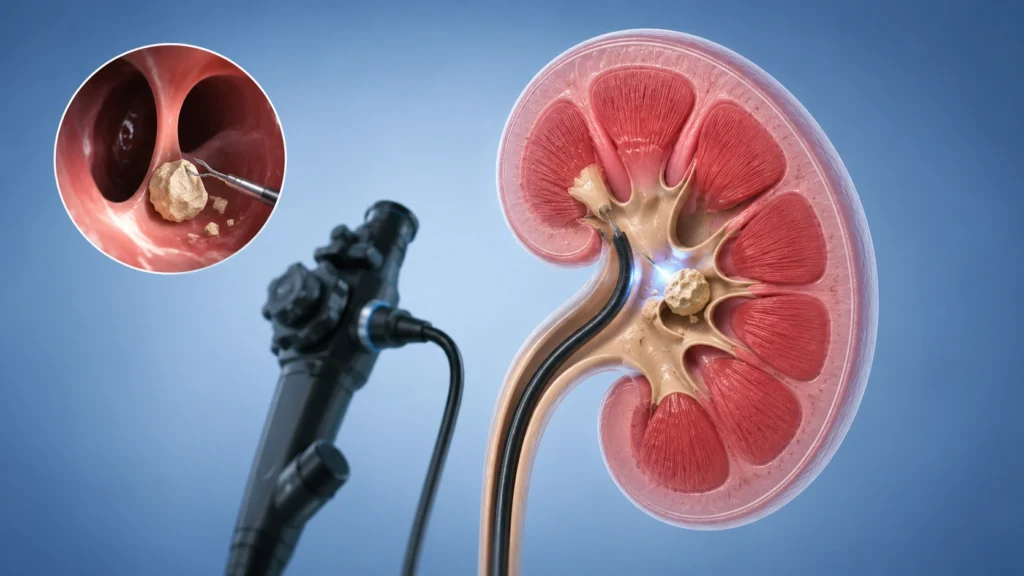
RIRS, Retrograde Intrarenal Surgery, lets our surgeons travel all the way inside your kidney, through your body’s own natural passageway, without a single cut. No incision. No puncture. Nothing on the outside to show it even happened. A pencil-thin flexible scope finds the stone, a holmium laser breaks it down, and you’re typically home the next morning.

What is RIRS?

RIRS (Retrograde Intrarenal Surgery) is a minimally invasive procedure used to treat kidney stones and certain kidney conditions. During the procedure, a thin, flexible scope is passed through the natural urinary passage to reach the kidney without making any cuts or incisions.

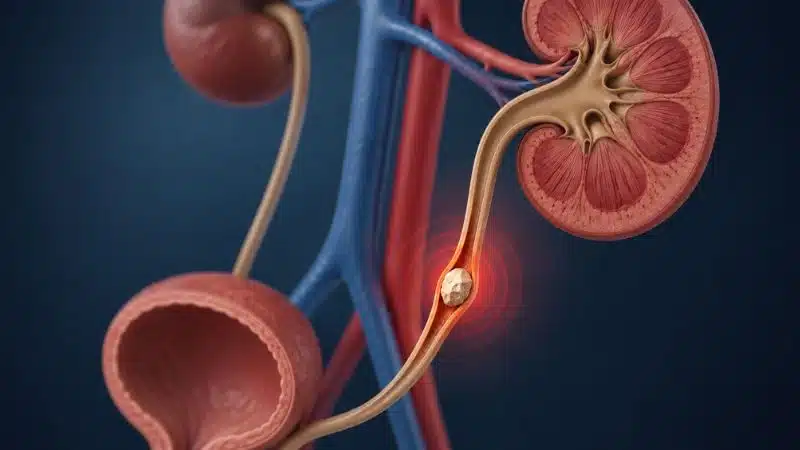
The term “retrograde” means moving in the opposite direction of normal urine flow. In RIRS, the surgeon reaches the kidney by travelling through the urethra, bladder, and ureter, following the same pathway that urine uses, but in reverse. This allows precise treatment of kidney stones with less pain, faster recovery, and minimal disruption to surrounding tissues.

How does RIRS work?

Unlike standard ureteroscopy, RIRS uses a flexible scope that can access the entire kidney, making it highly effective for treating kidney stones in difficult locations.

  • A thin, flexible ureteroscope is passed through the urinary passage, bladder, and ureter into the kidney.
  • The flexible scope can reach different areas of the kidney, including places where stones are difficult to access.
  • A Holmium laser fiber is then used to break the stone into tiny dust-like particles or small fragments.
  • The fragments are either removed with a small basket or passed naturally through urine.
  • No cuts, stitches, or external incisions are required.

What makes RIRS different from standard ureteroscopy?

Standard ureteroscopy uses a rigid or semi-rigid scope. It’s well-suited for stones sitting in the ureter, which is a fairly straight tube. But it cannot bend through the kidney’s internal architecture.

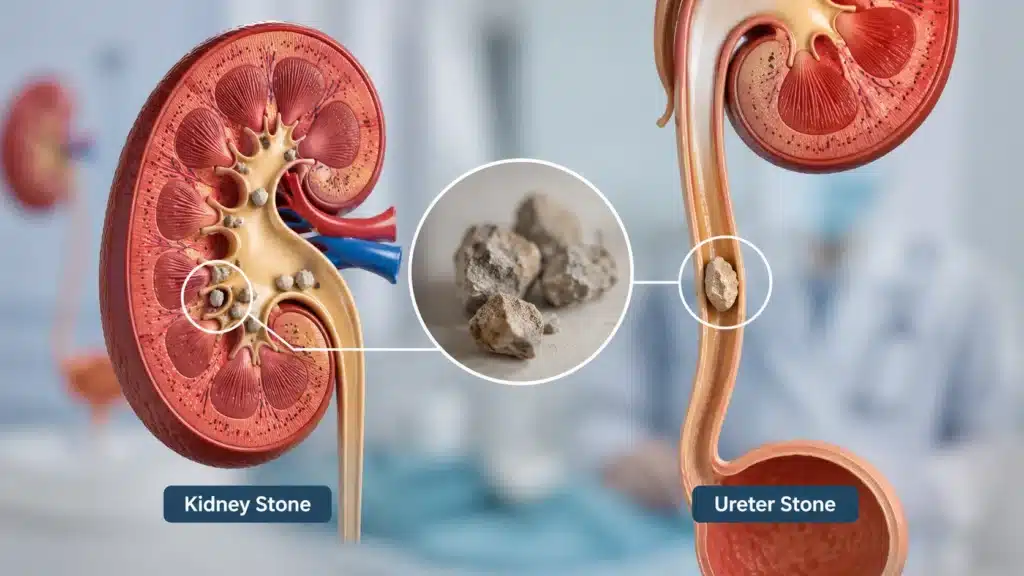
The kidney’s collecting system isn’t a straight tube. It branches into multiple calyces arranged in upper, mid, and lower pole groups, each facing a different direction. The lower pole calyces in particular point downward, away from the ureter. A rigid scope physically cannot turn that corner.

A flexible ureteroscope can. With a deflection angle exceeding 270 degrees in both directions, it navigates through the renal pelvis and into each calyceal group individually. This is why RIRS is categorically different from standard ureteroscopy; it’s not a better version of the same procedure; it’s access to a part of the kidney that rigid scopes don’t reach.

For intrarenal stones, particularly lower pole and calyceal stones, this distinction matters clinically.

What conditions does RIRS treat?

RIRS is a minimally invasive procedure used to treat various kidney and urinary tract conditions, especially those that are difficult to manage with other treatments.

RIRS offers a safe, precise, and minimally invasive solution for many complex kidney stone and urinary tract conditions.

  • Kidney stones: Ideal for stones inside the kidney, especially those that are difficult to pass naturally.
  • Lower pole kidney stones: Effective for stones located in hard-to-reach areas of the kidney.
  • Multiple kidney stones: Can treat more than one stone during the same procedure.
  • Calyceal diverticulum stones: Helps remove stones trapped in small pockets within the kidney.
  • Upper ureter stones: Useful for stones located near the kidney and upper ureter.
  • Anatomically abnormal kidneys: Suitable for patients with conditions like a horseshoe kidney.
  • Transplanted kidney stones: A safe option for treating stones in transplanted kidneys.
  • Patients on blood thinners: Lower risk of bleeding compared to many other stone procedures.
  • Selected urinary tract tumors: Can be used for biopsy or treatment of certain small tumors.
  • Unexplained blood in urine: Allows doctors to examine the kidney and urinary tract directly.
  • Fungal masses in the kidney: Can help remove fungal deposits in selected cases.

Who should consider RIRS?

The decision to proceed with RIRS is based on stone characteristics, patient anatomy, and patient-specific risk factors. Common indications include:

  • Stones 10 to 25 mm in size, particularly in the lower pole or deep calyces.
  • Stone of any size that has failed ESWL, especially if hard on CT (high Hounsfield Units).
  • Multiple stones in different calyceal groups requiring treatment in one session.
  • Stone in a calyceal diverticulum.
  • Stone in a horseshoe kidney or other anatomically complex kidney.
  • Stone in a transplanted kidney.
  • Stone in a solitary kidney.
  • Stone in a patient who cannot safely stop anticoagulation.
  • Symptomatic stone in pregnancy requiring intervention.
  • Recurrent stone formers needing complete clearance to break the cycle.
  • Suspicious lesion in the collecting system requiring biopsy.

Diagnosis before RIRS

Before performing RIRS, your doctor at Rama Hospital will do a thorough evaluation to confirm the diagnosis, understand the stone precisely, and plan the procedure carefully.

Imaging

  • CT Scan (Non-Contrast CT KUB): the most accurate tool available; detects virtually all stone types; provides precise information on size, number, location, density (Hounsfield units), and skin-to-stone distance. Hounsfield Units predict how hard the stone is and how it will respond to laser, which directly influences whether RIRS, ESWL, or PCNL is the right choice.
  • Ultrasound KUB: radiation-free, widely available; excellent for detecting kidney swelling from blockage; less accurate for ureteral stones; used for monitoring after RIRS.
  • X-Ray KUB: detects calcium-containing stones; used for follow-up; can’t detect uric acid stones.
  • MRI Urogram: used when CT is contraindicated, particularly in pregnant patients; no radiation.

Laboratory Tests

  • Urinalysis: checks for blood, infection, crystal types, pH, and specific gravity.
  • Urine culture and sensitivity: to identify and treat infection before the procedure.
  • Blood tests: kidney function, calcium, uric acid, electrolytes, blood count, and clotting profile.
  • 24-hour urine metabolic evaluation: for patients with recurrent stones; identifies the specific metabolic cause.
  • Stone composition analysis: if a previously passed stone is available, it guides the prevention strategy.

The RIRS procedure: step by step

We use current-generation flexible ureteroscopes and Holmium laser systems. Not because the equipment sells itself, but because better tools in experienced hands produce better outcomes for patients. Clearer images inside the kidney. More precise laser control. Less trauma to the surrounding tissue. 

Before the Procedure

Before RIRS (Retrograde Intrarenal Surgery), your doctor will ensure you are fully prepared for a safe and successful procedure.

  • Blood tests, urine tests, and imaging scans are done before surgery.
  • Any urinary tract infection (UTI) is treated before the procedure.
  • You will be asked to fast for a few hours before surgery.
  • An anesthesia assessment is performed to plan your procedure safely.
  • In some cases, a Double J (DJ) stent may be placed a few days or weeks before RIRS to help widen the ureter and make the procedure easier and safer. This is usually done as a simple outpatient procedure.

During the Procedure

Step 1: Scope insertion under anesthesia – A flexible ureteroscope is passed through the urethra into the bladder, then guided up the ureter. No incisions anywhere on the body.

Step 2: Navigating the kidney – The scope advances into the renal pelvis, then bends and rotates into the individual calyceal groups, upper, mid, and lower poles. This 360-degree access inside the kidney is what makes RIRS particularly effective for stones in difficult locations.

Step 3: Stone identification – The stone is seen directly through the scope’s camera. Fluoroscopy may be used alongside for precise location confirmation.

Step 4: Laser fragmentation – A holmium laser fiber is passed through the working channel of the scope. Two techniques are used depending on the situation:

  • Dusting: the stone is vaporized into very fine powder that passes in urine over the following days; ideal for hard stones or when basket retrieval is difficult.
  • Fragmentation and basketting: the stone is broken into larger pieces that are individually captured and removed; this is used when complete clearance in one session is the priority.

Step 5: Confirming Clearance – The surgeon inspects all calyceal groups systematically. Fluoroscopy confirms no significant fragments remain.

Step 6: Stent Placement – A double J stent is placed at the end of the procedure to keep the ureter open and allow post-procedure swelling to settle. It’s removed in a simple outpatient appointment, typically 1 to 2 weeks later.

After the Procedure

  • Moved to recovery while anesthesia wears off.
  • Urinary catheter in place overnight, removed the next morning.
  • Most patients are comfortable and mobile within a few hours.
  • Discharge typically the same day or the following morning.
  • Clear aftercare instructions, medications, and a follow-up appointment before you leave.

What are the benefits of RIRS?

  • No cuts, no punctures, no external wounds of any kind.
  • Access to every part of the kidney, including the lower pole and calyceal diverticula.
  • Works on all stone types, including very hard stones resistant to shock wave therapy.
  • High stone-free rates, benchmarked against international standards.
  • Multiple stones treated in a single session.
  • Minimal blood loss, no kidney puncture.
  • Safe for patients on blood thinners, with bleeding disorders, a solitary kidney, or a transplanted kidney.
  • The safest surgical option for symptomatic stones in pregnancy.
  • Most patients are home within 24 hours.
  • Return to normal activities within 3 to 5 days for most people.
  • Minimal radiation exposure compared to PCNL.
  • Definitive treatment when ESWL has not worked.

What are the risks and complications of RIRS?

RIRS is among the safest urological procedures available. Every precaution is taken at Rama Hospital, and your surgeon will discuss all risks in full before the procedure.

Common risks

  • Blood in urine for several days after the procedure clears on its own.
  • Burning or discomfort during urination for a few days.
  • Urinary frequency and urgency, temporary bladder irritation.
  • Mild aching around the kidney area for a few days.
  • Stent-related discomfort, frequency, urgency, and mild discomfort until the stent is removed.

Less Common

  • Urinary tract infection: risk reduced by treating any pre-existing infection before surgery and using antibiotic cover.
  • Incomplete stone clearance: occasionally requires a second procedure, more likely with very large or complex stones.
  • Ureteral injury or perforation: rare in experienced hands.

Rare but Serious

  • Ureteral stricture: scarring and narrowing following injury; uncommon with modern flexible scope technique.
  • Sepsis: prevented by rigorous preoperative infection screening and antibiotic prophylaxis.
  • Scope damage: flexible ureteroscopes are delicate; occasionally a scope is damaged during a procedure, requiring a staged approach.

Recovery tips after RIRS

Recovery after RIRS (Retrograde Intrarenal Surgery) is usually smooth, and most patients can return to their normal routine within a few days. Following your doctor’s instructions can help speed up healing and prevent complications.

  • Drink plenty of water (around 2.5–3 liters daily) to help flush out stone fragments and support kidney health.
  • Take all prescribed medications exactly as directed.
  • Rest for the first 1–2 days and avoid heavy lifting or strenuous exercise.
  • Mild blood in the urine for a few days is normal after the procedure.
  • Follow stent care instructions if a DJ stent has been placed.
  • Attend your stent removal appointment on time.
  • Collect stone fragments if advised by your doctor for further analysis.
  • Follow a kidney stone prevention diet, including reducing excess salt and animal protein.
  • Attend follow-up scans and appointments to confirm complete stone clearance.

Why choose Rama Hospital for RIRS?

Choosing the right hospital is important for successful RIRS (retrograde intrarenal surgery) and long-term kidney stone management. Rama Hospital combines experienced specialists, advanced technology, and personalized care to deliver excellent outcomes.

  • Experienced urology specialists with expertise in treating simple and complex kidney stones.
  • Advanced flexible ureteroscopes for better access and precision inside the kidney.
  • State-of-the-art Holmium laser technology for effective stone fragmentation.
  • Comprehensive kidney stone management, including stone analysis and prevention planning.
  • Personalized treatment plans based on your stone type, size, and overall health.
  • Multidisciplinary care for complex kidney stone cases.
  • Short hospital stay, with most patients discharged within 24 hours.
  • Advanced diagnostic and imaging facilities for accurate treatment planning.

When should you see a urologist?

Early diagnosis and treatment can help prevent complications and protect your kidney health. Seek medical attention if you:

  • Have sudden, severe pain in the back, side, or lower abdomen.
  • Experience kidney stone pain that spreads toward the groin.
  • Notice blood in the urine.
  • Have nausea or vomiting along with side or back pain.
  • Feel pain or burning while urinating.
  • Have a history of kidney stones, and symptoms are returning.
  • Have been diagnosed with a kidney stone, even if it is not causing symptoms.
  • Are unable to pass a stone despite medication and increased fluid intake.
  • Have a stone in a difficult location that may require advanced treatment such as RIRS.

Frequently Asked Questions

How is RIRS different from PCNL?

PCNL (percutaneous nephrolithotomy) accesses the kidney through a puncture in the back, dilated to create a working channel. It’s highly effective for large stones (above 20 to 25mm) and can achieve single-session clearance of complex stone burdens faster than RIRS. But it requires a kidney puncture, carries a higher bleeding risk, and has a longer recovery. RIRS is preferred when stone size and location allow, because there’s no kidney puncture. For stones above 25mm or complex staghorn calculi, PCNL is usually the more appropriate primary procedure.

Is RIRS done under local anesthesia?

No. RIRS requires general or spinal anesthesia. The procedure involves precise manipulation inside the kidney, and patient movement would compromise both safety and outcome.

Does pre-stenting change the procedure?

Pre-stenting places a Double J stent 1 to 2 weeks before RIRS to passively dilate the ureter. This makes scope passage easier and reduces ureteral trauma. Whether to pre-stent depends on ureteral caliber, whether prior instrumentation has been done, and surgeon preference. Some surgeons proceed without pre-stenting in patients with larger ureters or in systems with single-use flexible scopes (which are lower-profile than reusable scopes).

How do I know if my stone has passed after RIRS?

If dusting was used, stone material passes gradually over days to weeks as very fine dust. You may notice cloudy or slightly gritty urine. If basketing was used, fragments were removed during the procedure. Follow-up CT or ultrasound at 4 to 6 weeks confirms clearance definitively.

Can RIRS be done more than once?

Yes. RIRS can be repeated. For complex stone disease requiring staged treatment, multiple RIRS procedures are common. The ureteral stent between sessions keeps the ureter dilated and patent.

What’s the stone recurrence rate after RIRS?

RIRS removes the stone. It doesn’t change the underlying conditions that formed it. Without metabolic evaluation and preventive measures, roughly 50% of first-time stone formers have a recurrence within 10 years. With proper investigation and targeted prevention, this rate can be significantly reduced.

Conclusion

Kidney stones in difficult locations no longer require major open surgery or weeks of recovery. RIRS has changed the calculus entirely: a completely scarless procedure, fast recovery, high stone-free rates, and a safety profile that makes it suitable even for complex, high-risk patients.

At Rama Hospital, our urology team brings the latest flexible ureteroscopes, advanced Holmium laser technology, and years of specialized experience to every RIRS procedure. If your stone is in a hard-to-reach location, has failed other treatments, or you’ve been told major surgery is unavoidable, speak with our team before making that decision.

Book your consultation at Rama Hospital today.
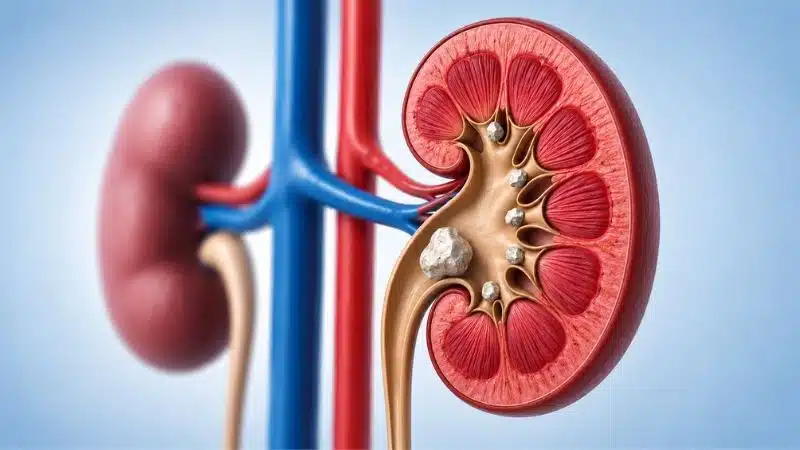
Table of Contents

Explore More

What to Know More About RIRS (Retrograde Intrarenal Surgery)

Find Ailments & Treatments

Search Ailments

Quickly find the information you need. Search our database to explore detailed information on various diseases and conditions, including symptoms, causes, and treatment options.

Search Treatments

Quickly find the information you need. Search our database to explore detailed information on various diseases and conditions, including symptoms, causes, and treatment options.

Recommended Reading

Video Playlist

No rows found.

Experience Healthcare the Rama Way

Emergency • OPD • Surgery • ICU Care

Need Help? Talk to our experts

Get a callback from our experts

SEO Noida

  • No items found.

Request a callback