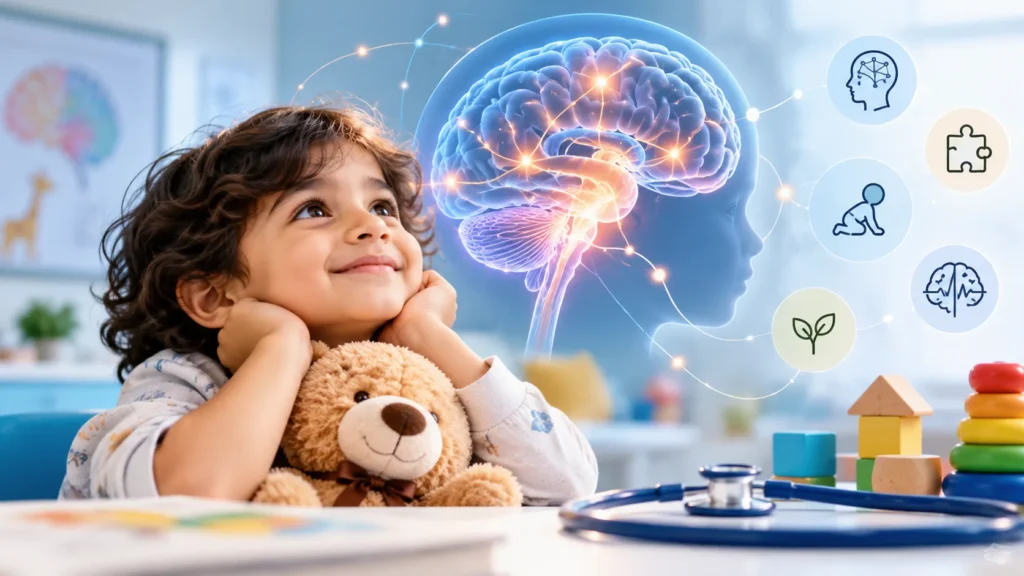
Pediatric neurology treatments focus on diagnosing and managing neurological conditions in infants, children, and teenagers. The nervous system in children is still developing, which means that neurological problems can affect movement, learning, behavior, speech, vision, and overall growth. Early identification and appropriate treatment can make a major difference in a child’s development and quality of life.
Many parents notice signs such as delayed milestones, unusual movements, seizures, frequent headaches, weakness, or learning difficulties. These symptoms may be due to a wide range of conditions, from epilepsy and cerebral palsy to genetic disorders and neuromuscular diseases. Pediatric neurologists specialize in understanding how the developing brain and nervous system work and how to support children with complex neurological needs.
What is Pediatric Neurology?
Pediatric neurology is a medical specialty that deals with disorders of the brain, spinal cord, nerves, and muscles in children. Unlike adult neurology, pediatric neurology must consider the ongoing development of the nervous system from infancy through adolescence.
A pediatric neurologist evaluates children with symptoms such as seizures, developmental delays, movement disorders, headaches, weakness, learning problems, or behavioral changes. The goal is not only to treat symptoms but also to support optimal development, learning, and daily functioning.
Conditions managed in pediatric neurology range from common issues like febrile seizures and migraines to complex disorders like epilepsy syndromes, genetic metabolic diseases, cerebral palsy, and neuromuscular conditions. Care often involves coordination with pediatricians, therapists, psychologists, and other specialists.
Common Conditions Treated in Pediatric Neurology
Pediatric neurologists manage a wide variety of neurological conditions in children.
Epilepsy and seizure disorders
- Febrile seizures related to fever in young children.
- Focal seizures affecting one part of the brain.
- Generalized seizures involving the whole brain.
- Infantile spasms in babies.
- Epilepsy syndromes such as absence epilepsy, myoclonic epilepsy, or Lennox-Gastaut syndrome.
- Drug-resistant epilepsy requiring advanced management.
Developmental and behavioral disorders
- Global developmental delay.
- Autism spectrum disorder with neurological involvement.
- Attention deficit hyperactivity disorder with neurological factors.
- Learning disabilities linked to brain function.
- Speech and language delays with neurological basis.
- Motor coordination disorders.
Cerebral palsy and movement disorders
- Spastic cerebral palsy affecting muscle tone and movement.
- Dyskinetic cerebral palsy with involuntary movements.
- Ataxic cerebral palsy affecting balance and coordination.
- Mixed types with combined features.
- Dystonia, tremors, or tics in children.
- Movement abnormalities after brain injury or infection.
Headache and migraine in children
- Tension-type headaches.
- Migraine with or without aura.
- Chronic daily headaches.
- Headaches related to vision, sleep, or stress.
- Headaches associated with neurological conditions.
Neuromuscular disorders
- Muscular dystrophies affecting muscle strength.
- Spinal muscular atrophy.
- Congenital myopathies.
- Peripheral neuropathies affecting nerves.
- Myasthenia gravis in children.
- Metabolic myopathies.
Neurogenetic and metabolic conditions
- Genetic epilepsy syndromes.
- Metabolic disorders affecting the brain.
- Neurodegenerative conditions.
- Chromosomal abnormalities with neurological impact.
- Mitochondrial disorders.
- Storage disorders affecting the nervous system.
Other neurological conditions
- Hydrocephalus with neurological symptoms.
- Brain malformations detected on imaging.
- Neurocutaneous syndromes such as neurofibromatosis or tuberous sclerosis.
- Sleep-related neurological disorders.
- Effects of brain injury, infection, or stroke in children.
- Unexplained neurological symptoms requiring evaluation.
Symptoms That May Need Pediatric Neurology Evaluation
Parents and caregivers often notice signs that suggest a neurological issue.
Common symptoms
- Seizures or unusual episodes of staring, shaking, or loss of awareness.
- Delayed sitting, crawling, walking, or speech.
- Loss of previously acquired skills.
- Frequent or severe headaches.
- Weakness in arms or legs.
- Abnormal muscle tone, such as stiffness or floppiness.
- Poor balance or coordination.
- Learning difficulties or poor school performance.
- Behavioral changes with neurological features.
- Vision or hearing problems linked to brain function.
- Feeding or swallowing difficulties in infants.
- Unusual movements such as tics, tremors, or jerks.
Red flag signs needing prompt evaluation
- First-time seizure or prolonged seizure.
- Sudden weakness or difficulty walking.
- Severe headache with vomiting or confusion.
- Regression in milestones or skills.
- Persistent developmental delay.
- Abnormal head growth or shape.
- Feeding difficulties with poor weight gain.
- Unexplained loss of consciousness.
How are Pediatric Neurological Conditions Diagnosed?
Diagnosis is based on detailed history, examination, and targeted tests. Because children may not be able to describe symptoms clearly, observation and parental input are very important.
Diagnostic steps
- Detailed prenatal, birth, and developmental history.
- Family history of neurological or genetic conditions.
- Observation of movement, behavior, and interaction.
- Neurological examination of reflexes, tone, strength, and coordination.
- Assessment of milestones and development.
- Evaluation of vision, hearing, and feeding when needed.
Common tests that may be done
- EEG to evaluate brain electrical activity in seizures.
- MRI of the brain to look for structural changes.
- CT scan in emergency or specific situations.
- Blood tests for infection, metabolism, or genetic conditions.
- Genetic testing for suspected hereditary disorders.
- Metabolic screening in selected cases.
- Muscle enzyme tests for neuromuscular concerns.
- Lumbar puncture if infection or inflammation is suspected.
- Nerve conduction studies for peripheral nerve issues.
- Developmental and psychological assessments.
Why diagnosis matters
Accurate diagnosis guides treatment, prognosis, and therapy planning. Some conditions need urgent treatment to prevent further damage. Others need long-term management and support. Early diagnosis often leads to better outcomes.
Treatment Approaches in Pediatric Neurology
Treatment is individualized based on the condition, severity, age, and overall health of the child.
1. Medication management
Medicines are used for many neurological conditions.
- Anti-seizure medicines for epilepsy and seizure control.
- Medicines for headache and migraine prevention.
- Muscle relaxants for spasticity or stiffness.
- Medicines for movement disorders or tics.
- Treatment for underlying metabolic or genetic conditions when available.
- Supportive medicines for sleep, behavior, or associated symptoms.
2. Seizure and epilepsy management
Epilepsy treatment is a major part of pediatric neurology.
- Selection of appropriate anti-seizure medication.
- Dose adjustment based on weight and response.
- Monitoring for side effects and effectiveness.
- Rescue medicines for prolonged or cluster seizures.
- Dietary therapies such as ketogenic diet in selected cases.
- Referral for surgery or devices in drug-resistant epilepsy.
3. Therapy and rehabilitation
Therapies support development and function.
- Physiotherapy for strength, tone, and mobility.
- Occupational therapy for daily skills and hand function.
- Speech and language therapy for communication and swallowing.
- Developmental therapy for early intervention.
- Behavioral therapy for associated challenges.
- School-based support and individualized education plans.
4. Advanced treatments
Some children need specialized interventions.
- Vagus nerve stimulation for difficult epilepsy.
- Epilepsy surgery evaluation and management.
- Intrathecal baclofen for severe spasticity.
- Botulinum toxin injections for focal spasticity.
- Infusion therapies for specific metabolic or neuromuscular conditions.
- Multidisciplinary care for complex neurogenetic disorders.
5. Supportive and long-term care
Chronic neurological conditions need ongoing support.
- Regular follow-up to monitor growth and development.
- Adjustment of treatment as the child grows.
- Management of associated issues such as sleep, nutrition, or behavior.
- Coordination with schools and therapists.
- Family education and counseling.
- Transition planning for adolescents moving to adult care.
Management of Specific Conditions
Different conditions require different approaches.
Epilepsy and seizures
- Individualized medication based on seizure type.
- Avoidance of triggers such as sleep deprivation or flashing lights.
- Emergency plan for prolonged seizures.
- Regular EEG and clinical review.
- Consideration of dietary or surgical options if medicines fail.
Cerebral palsy
- Multidisciplinary team approach.
- Physiotherapy and orthotics for mobility.
- Medicines or injections for spasticity.
- Speech and occupational therapy.
- Monitoring for hip, spine, and joint issues.
- Support for learning and communication.
Developmental delay
- Early intervention services.
- Developmental therapy and stimulation.
- Speech and occupational therapy.
- Evaluation for underlying causes.
- School support and individualized plans.
- Regular reassessment of progress.
Headache and migraine
- Identification of triggers such as stress, sleep, or food.
- Lifestyle modification and hydration.
- Acute medicines for headache relief.
- Preventive medicines for frequent headaches.
- Education for child and family on management.
- Monitoring for red flag symptoms.
Neuromuscular disorders
- Specific diagnosis through tests and genetics.
- Supportive care for strength and function.
- Respiratory and cardiac monitoring when needed.
- Nutritional support and physiotherapy.
- Access to new therapies where available.
- Family counseling and long-term planning.
Role of Therapies in Pediatric Neurology
Therapies are a core part of treatment for many children.
Physiotherapy
- Improves muscle strength and tone.
- Enhances mobility and balance.
- Prevents joint contractures.
- Supports gross motor development.
- Helps with posture and walking.
Occupational therapy
- Focuses on daily living skills.
- Improves hand function and coordination.
- Supports feeding and self-care.
- Adapts activities for school and home.
- Provides assistive devices when needed.
Speech and language therapy
- Helps with speech delay and clarity.
- Supports language understanding and expression.
- Addresses swallowing and feeding issues.
- Introduces alternative communication methods if needed.
- Works on social communication skills.
Developmental and behavioral therapy
- Supports early learning and cognition.
- Addresses attention and behavior challenges.
- Works on social interaction and play skills.
- Provides strategies for home and school.
- Coordinates with educational support.
Long-Term Management and Follow-Up
Many neurological conditions in children are chronic and need long-term care.
Key elements of long-term care
- Regular neurological review and monitoring.
- Growth and development tracking.
- Medication adjustment as the child grows.
- Therapy continuation based on needs.
- Management of associated medical issues.
- Support for school and social participation.
- Planning for transition to adult services when older.
Why follow-up matters
Children grow and change quickly. Treatment that works at one age may need adjustment later. Regular follow-up helps catch problems early, optimize development, and support the family through different stages.
When to See a Pediatric Neurologist
Specialist evaluation is important for children with neurological symptoms.
- Seizures or suspected seizures.
- Significant developmental delay.
- Loss of milestones or skills.
- Frequent or severe headaches.
- Weakness, stiffness, or abnormal movements.
- Poor coordination or balance.
- Learning or behavioral issues with neurological features.
- Known genetic or metabolic condition affecting the brain.
- Abnormal brain imaging or EEG.
- Feeding or swallowing difficulties with neurological signs.
Why Choose Rama Hospital for Pediatric Neurology Care?
Pediatric neurology requires specialized expertise, child-friendly facilities, and a multidisciplinary approach. A hospital-based pediatric neurology department can provide comprehensive care from diagnosis to long-term management.
- Expert evaluation by trained pediatric neurologists.
- Access to EEG, MRI, and advanced diagnostics.
- Coordinated care with therapists and specialists.
- Inpatient and emergency support when needed.
- Family-centered approach to care.
- Long-term follow-up and development monitoring.
Frequently Asked Questions (FAQs)
When should I see a pediatric neurologist for my child?
You should see a pediatric neurologist if your child has seizures, significant developmental delay, loss of skills, frequent headaches, weakness, abnormal movements, or learning issues with neurological features. Early evaluation helps guide treatment and support.
Can epilepsy in children be controlled?
Yes, many children with epilepsy achieve good seizure control with appropriate medication and management. Some may outgrow their epilepsy, while others need long-term treatment. Advanced options are available for drug-resistant cases.
Is cerebral palsy treatable?
Cerebral palsy cannot be cured, but it can be managed effectively. Therapies, medicines, injections, and supportive care can improve movement, communication, and daily function. Early intervention leads to better outcomes.
Are therapies important in pediatric neurology?
Yes, therapies are a core part of treatment. Physiotherapy, occupational therapy, speech therapy, and developmental therapy support motor skills, communication, learning, and independence. They are often as important as medicines.
Do children outgrow neurological problems?
Some children do outgrow certain conditions such as febrile seizures or some epilepsy syndromes. Others may have lifelong conditions that need ongoing management. Early treatment and support improve long-term outcomes.
Are neurological tests safe for children?
Yes, tests such as EEG, MRI, and blood work are generally safe for children. Sedation may be used for MRI in younger children to ensure they remain still. The benefits of accurate diagnosis outweigh the risks.
How long does treatment last in pediatric neurology?
Treatment duration varies by condition. Some children need short-term treatment, while others need long-term or lifelong care. Regular follow-up helps adjust treatment as the child grows and develops.
Conclusion
Pediatric neurology treatments play a vital role in supporting children with neurological conditions. From epilepsy and developmental delays to cerebral palsy and neuromuscular disorders, early diagnosis and comprehensive care can make a major difference in a child’s development and quality of life.
The most important steps are timely evaluation, accurate diagnosis, individualized treatment, and consistent therapy and follow-up. For parents noticing seizures, delays, headaches, weakness, or learning concerns, a pediatric neurologist’s assessment can provide clarity, direction, and support. With the right care, children can achieve their best possible development and participation in daily life.
Rama Hospital can help evaluate and manage pediatric neurological conditions, provide access to advanced diagnostics and therapies, and support families with long-term, child-centered neurological care.